McCormick’s Creek State Park, Indiana
3-Day Itinerary for Solo Traveler
“Limestone & Quiet Light: 3 Days Alone in McCormick's Creek”
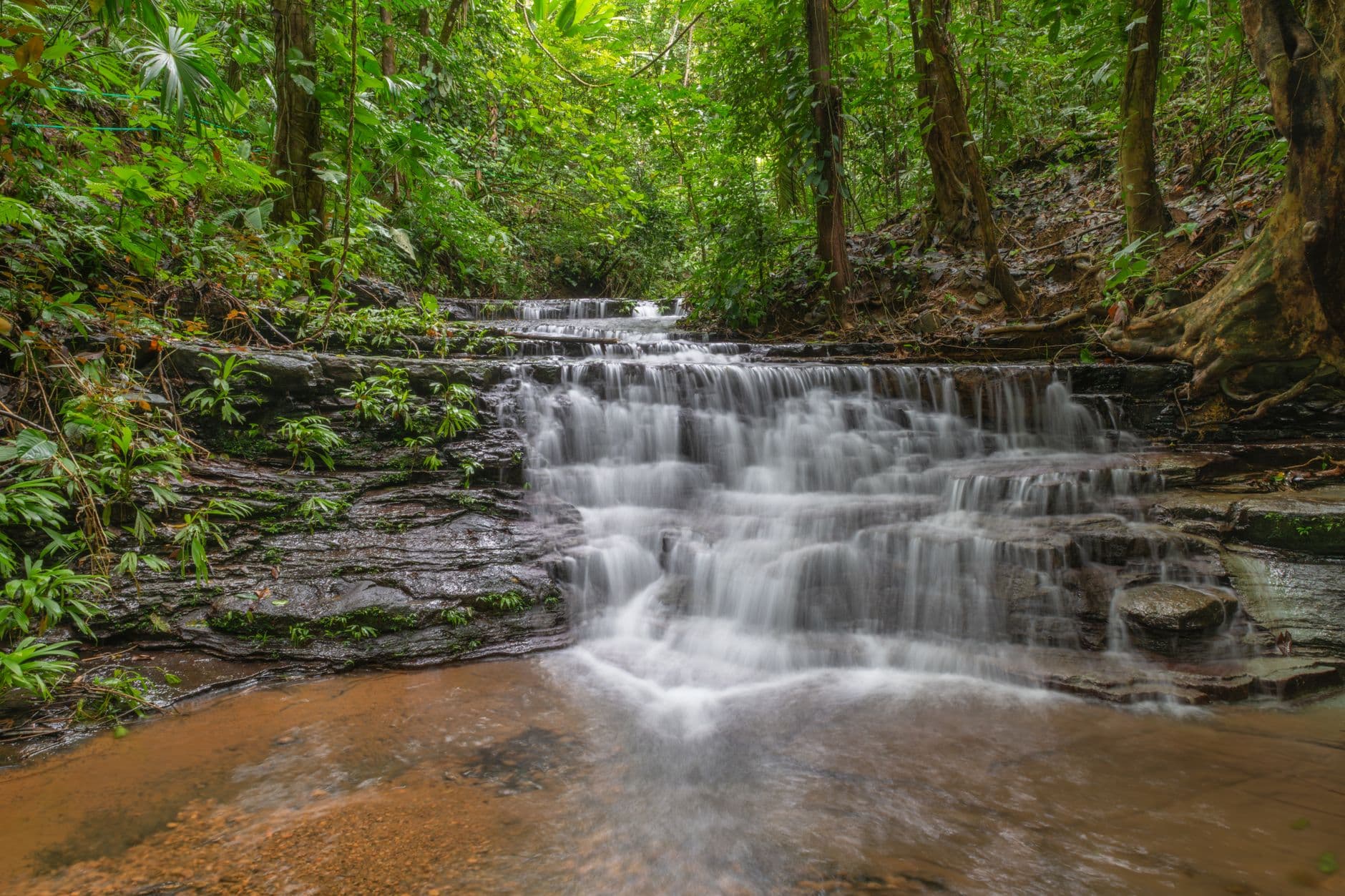
The canyon here doesn't announce itself — it opens slowly, limestone walls rising step by step as the creek hums below. Spring mist clings to moss and wildflower stalks push up through last year's leaf litter, and for a solo hiker willing to rise early, entire stretches of trail belong to no one but the herons and the water.
At a Glance
Highlights
- Sunrise solitude at Wolf Cave's dark limestone mouth
- Two-tiered thunder at Cataract Falls before the crowds arrive
- A steep, quiet descent into Spring Hollow's exposed canyon strata
- Wildflowers threading the forest floor in April light
- Slow mornings with coffee-and-trail-snack pacing built for one
- Cool cave air against spring's mild warmth — a sensory contrast in miles
Day-by-Day Plan
Day 1: Arrival & the Canyon's First Breath
A light introduction day covering Wolf Cave and the canyon rim, roughly 2.5 miles of easy-to-moderate walking.
Arrive before 8:30am and the cave mouth is yours alone — cool, damp air drifting out like a held breath, the faint trickle of water somewhere in the dark. Moss softens the approach underfoot, and the contrast between morning sun and the cave's black interior makes for a striking first stop on a low-key arrival day. Solo travelers should bring a headlamp; the interior has no lighting and footing is uneven.

Linger at the creek emerging from the cave mouth — a good spot to sit, breathe, and let the morning settle before the rest of the park wakes up. This slower second pass rewards photographers with softer light and no crowds jostling for the same frame.
The first morning is about easing in, not conquering miles. Wolf Cave sits close to the trailhead, and arriving early means the canyon still holds its overnight hush — just birdsong, dripping stone, and the occasional rustle of something unseen in the undergrowth. This is a day for noticing texture: moss, mineral scent, the particular cold that rises from underground.
With cognitive load kept low, the afternoon is unstructured — settle into camp or cabin, review tomorrow's route, and let legs recover from the uneven cave-approach terrain. Spring's mild afternoon light is good for a slow walk along the accessible portions of the canyon rim if energy allows, but there's no obligation to move fast on day one.
As dusk settles over the canyon, the park quiets considerably — a good time for a simple dinner and an early night, since tomorrow's Cataract Falls hike rewards those who arrive with the sunrise crowd, not after it.
Day 2: Falls at First Light
A moderate 3-mile loop centered on Cataract Falls, timed for early light and thinner crowds.
Arrive by 7:30am and the overlook platform is nearly empty — just the thunderous roar of two-tiered water striking limestone and cool spray drifting across your face. By 9am the switchbacks fill with weekend hikers, so this early window is when solo travelers get the falls to themselves for long, unhurried photography. The plunge pool below the lower tier offers a more intimate, quieter vantage than the main overlook.
A second, slower loop through the fern-draped switchbacks lets the morning's adrenaline settle into something closer to contemplation. The forest smells of wet earth and moss, and by now the trail has its full mid-morning bustle — a good time to strike up conversation with fellow hikers pausing at the same overlooks.
The day begins in near-darkness, headlamp optional but useful for the drive in, and the payoff is immediate: Cataract Falls roaring alone for you before the rest of the park stirs. The two-tiered drop feels almost theatrical in the quiet, mist catching the first slants of sun.
As the trail crowds build through late morning, the pace naturally shifts from solitary awe to a more social rhythm — nodding at fellow hikers, comparing photo spots, maybe trading trail tips with someone doing the same loop. It's an easy place to have a brief, pleasant conversation without committing to company for the rest of the day.
With the falls behind you and legs pleasantly tired, the evening calls for rest ahead of tomorrow's steeper Spring Hollow descent — an early dinner and a quiet wind-down sets up the most demanding day of the trip.
Day 3: Into Spring Hollow
The most physically demanding day, an intense 2.5-hour canyon hike covering roughly 2 miles of steep, uneven terrain.
This is the trail for hikers who've earned their trail legs — a steep plunge into limestone canyon where towering cliff faces appear suddenly through dense forest. Starting at 7am means near-total solitude; the only sounds are echoing water and your own footsteps on damp stone. The mid-canyon switchback reveals exposed rock strata that read like pages of geological history, well worth the exertion for a solo hiker seeking both challenge and reward.

A final pause at the falls basin near the canyon floor before the ascent back up — a good moment to catch your breath, refill water, and take in the limestone backdrop one last time before heading out.
The final full day belongs to Spring Hollow — the most demanding trail in the park, and the most rewarding for a solo hiker in good shape. Descending into the canyon at dawn feels like stepping backward through geological time, cliff walls rising unexpectedly through the trees, the air cooling with each switchback down.
By midday, the climb back out has settled into satisfied fatigue — legs tired, camera full, the canyon's scale still resonating. This is a natural point to begin winding toward departure, whether that means one last look at familiar trails or simply packing up camp with the quiet accomplishment of three days well spent.
As the trip closes, there's a stillness that settles in — the kind that comes from days spent moving at your own rhythm through limestone and water. Departure means retracing the drive north, canyon light fading in the rearview, wildflowers still nodding along the roadside.
Want to tweak this trip?
Our AI planner can customize this itinerary to your exact dates, interests, and travel style.
Customize This ItineraryRestaurant details (hours, menus, availability) change frequently. Check current hours before visiting, especially in seasonal destinations.
Dietary compatibility tags are general guidance. If you have severe allergies, confirm directly with the restaurant.
Travel tips are general guidance, not professional safety advice. Check government advisories for latest information.
All prices are approximate and may vary seasonally.