3 DaysActive Retirees6 Stops

Eastern Shore (Chestertown, Easton, St. Michaels), Maryland

3-Day Itinerary for Active Retirees

Water Light & Wooden Boats: Three Days on the Eastern Shore

Water Light & Wooden Boats: Three Days on the Eastern Shore

Fall settles over the Eastern Shore like a held breath — the marsh grass turns gold, the geese return in ragged formation, and the water goes still and silver by late afternoon. This is a trip measured in tidal rhythms and long lunches, not checklists: wooden boats, colonial brick, and thousands of wintering waterfowl, all at a pace that lets you actually notice them.

At a Glance

Climate & Weather
Fall on the Eastern Shore runs mild — expect 58–71°F days that cool quickly after sunset, with lower humidity than summer and the season's best light for photography. Pack layers: a light jacket or fleece for mornings and evenings, comfortable walking shoes for brick sidewalks and flat trails, and a windproof layer for open marsh viewing at Blackwater, where wind off the water can cut sharper than the temperature suggests.
Getting Around
A car is essential — the three towns are 25–45 minutes apart by scenic country road, and there's no public transit connecting them. Within each town center, everything is walkable on flat, well-maintained sidewalks. Roads are uncrowded outside of weekend tourist traffic, and driving itself (past farmland and tidal creeks) is part of the pleasure.
Budget
Budget roughly $90–130 per person per day for food and activities — this covers a sit-down seafood lunch, a nicer dinner with a glass of wine, and modest museum admission. St. Michaels runs noticeably pricier than Chestertown; Easton sits comfortably in between.
Safety
This is a low-crime, unhurried region well-suited to older travelers — sidewalks are flat, towns are small, and pace is gentle. The main things to watch for are uneven historic brick paving in older districts, occasional low-lying flooding after heavy rain, and standard caution near docks and open water. Mosquito repellent is less critical in fall but still worth carrying near the marshes.
Connectivity
Cell coverage is reliable in town centers (Chestertown, Easton, St. Michaels) but can weaken noticeably in rural stretches and at Blackwater NWR, where you may lose signal entirely along parts of the Wildlife Drive. Most inns and restaurants offer WiFi; don't count on connectivity at the refuge.
Local Tips
Book dinner reservations for 6–6:30pm — kitchens fill early and some close by 9pm, especially on weeknights. Arrive at popular waterfront spots (the Maritime Museum, St. Michaels' Water Street) before 9:30am to enjoy them nearly empty, as tour groups and weekend crowds build by mid-morning. Fall is prime migratory season at Blackwater — a weekday morning visit rewards you with both fewer cars and denser waterfowl activity.

Highlights

  • Hand-built wooden boats moored against blue water at the Chesapeake Bay Maritime Museum
  • Golden-hour strolls down Water Street in St. Michaels' historic district
  • Colonial brick and quiet waterside paths in Oxford, one of Maryland's oldest towns
  • A living 1782 campus walk through Washington College's herringbone brick quad
  • Thousands of migrating waterfowl over the marshes of Blackwater National Wildlife Refuge
  • Fresh-caught rockfish and crab cakes eaten within sight of the water that produced them
  • Shoulder-season quiet — thinner crowds, crisp air, and unhurried service everywhere

Day-by-Day Plan

Arrival & waterfront wander

Day 1: Easing Into St. Michaels

A gentle first day centered entirely in St. Michaels, with two unhurried stops and under a mile of easy, flat walking.

Wear
Comfortable walking shoes, a light layer for cool morning air off the water, and a warmer jacket for evening along the harbor.
Budget
$95–120 per person (museum admission, one substantial lunch, dinner with drinks)
9:30 AM - 11:30 AM
Chesapeake Bay Maritime Museum (St. Michaels) · morning · 120 min · St. Michaels Waterfront

Arrive by 9:30 and the boatyard is nearly yours alone — just the creak of moored hulls and the occasional call of a gull overhead. Wander the hand-crafted wooden boats at your own pace; the Hooper Strait Lighthouse is the visual anchor, its white clapboard glowing against the bay. This is cultural depth without exertion — flat paths, frequent benches, and craftspeople often at work in the boatyard if you time it right.

Chesapeake Bay Maritime Museum (St. Michaels)
U.S. Navy. Bureau of Medicine and Surgery / wikimedia (Public domain)
The Hooper Strait Lighthouse mirrors beautifully in still water in the first hour after opening, before wind picks up on the bay.
Fully wheelchair accessible with flat paths throughout and benches placed frequently along the waterfront exhibits.
10 min walkA short, flat stroll along the harbor's edge, watching sailboats swing on their moorings as the tide shifts.
1:00 PM - 2:30 PM
St. Michaels Historic District · afternoon · 90 min · St. Michaels Waterfront

After lunch, let the afternoon slow further with a loosely paced walk down Water Street — weathered brick facades, small galleries, and the smell of salt air mixing with aged wood. St. Mary's Square offers a shaded bench beneath the church steeple if you want to simply sit and watch the town move. Nothing here demands more than a leisurely hour and a half.
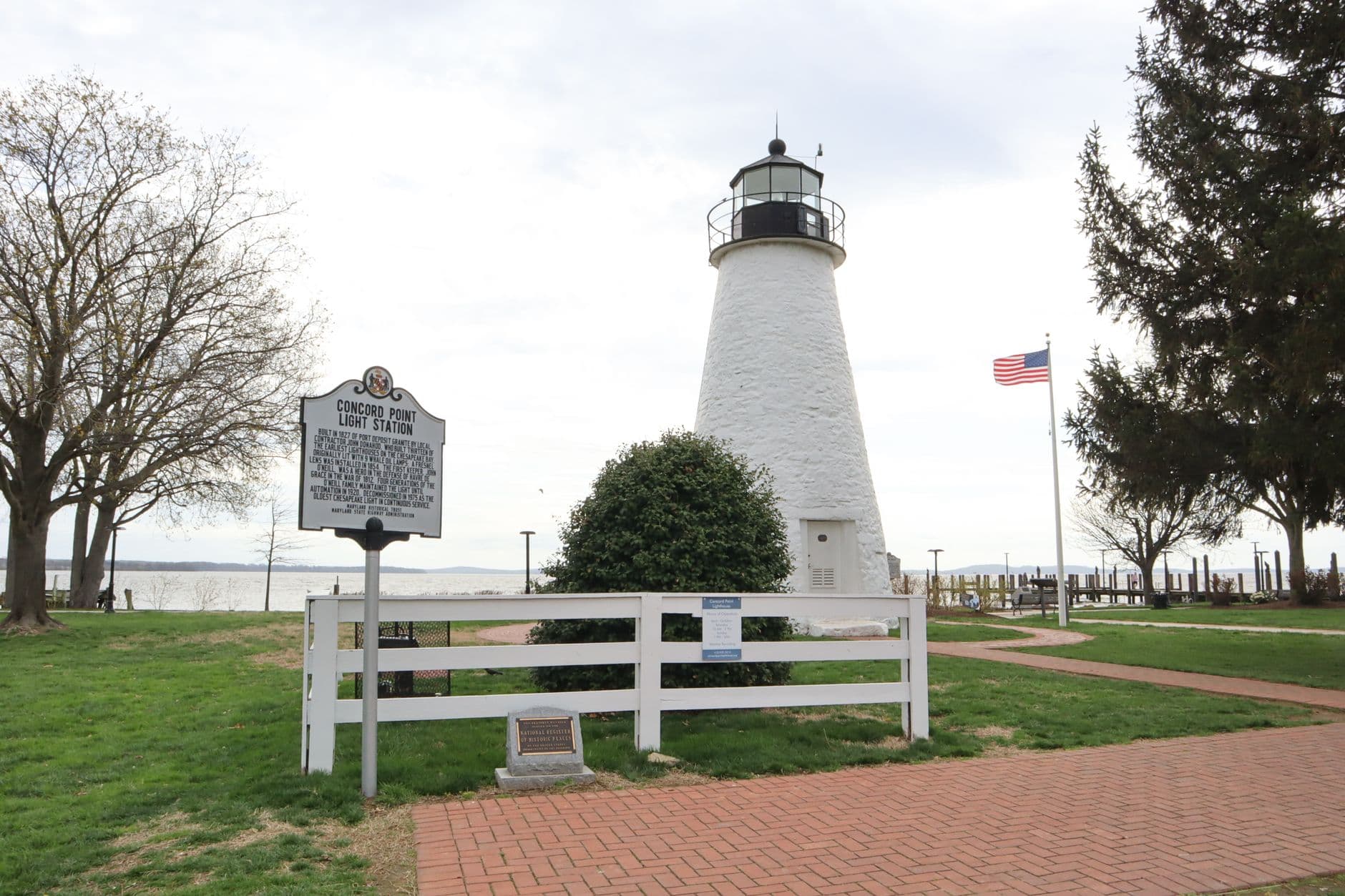
St. Michaels Historic District
Photo by Carly Dernetz on Pexels
Water Street glows warmest at golden hour, roughly 4:30–5:30pm in fall, when low sun catches the brick facades directly.
Entirely flat, paved sidewalks with frequent benches; ideal for a no-rush pace.
Lunch
Crab Claw Restaurant $$
Seafood · Near Chesapeake Bay Maritime Museum
Dockside seafood with harbor views — order the crab cake and watch the boats come in.
Big Al's Market $
Seafood · Near Chesapeake Bay Maritime Museum
A more casual, market-style option for fresh seafood without the wait.
Dinner
Limoncello $$$
Italian · Near St. Michaels Historic District
A welcome change of pace from seafood-heavy menus, with a quieter dining room well-suited to unhurried conversation.
Bistro Saint Michaels $$$
Local · Near St. Michaels Historic District
Refined, farm-to-table Eastern Shore fare in a comfortable, low-noise setting — reserve for 6pm to beat the weekend rush.
If it rains: The Maritime Museum's exhibits are almost entirely indoors or under cover — extend your visit here and treat the outdoor boatyard as a bonus if the rain lets up.

Ease into the trip with a late, unhurried start at the Chesapeake Bay Maritime Museum. Arriving by 9:30am means the boatyard is quiet enough to hear individual gulls and the soft knock of hulls against the dock. Move slowly through the wooden boat collection and the Hooper Strait Lighthouse exhibit — there's no itinerary pressure today, just the chance to let the salt air and the scale of the place settle in after travel.

After a relaxed seafood lunch, the pace shifts even further down — a short, flat walk into the St. Michaels Historic District, where brick facades and hanging flower baskets set a photogenic, low-key mood. This is the day's lightest lift: browse a gallery or two, find a bench in St. Mary's Square, and let the golden late-afternoon light do the work.

Dinner tonight stays in St. Michaels — reserve for 6 to 6:30pm at Limoncello or Bistro Saint Michaels, both comfortable, quieter rooms suited to a first-night settling-in meal. Expect the town to grow hushed by 8pm, shops shuttering and the harbor going dark and still.

Villages & campus history

Day 2: Colonial Quiet in Talbot County

A cultural, low-exertion day moving between Oxford's colonial waterfront and Washington College's historic quad, with roughly 1.5 miles of flat walking total.

Wear
Layered clothing for changing temperatures between morning and evening, flat-soled shoes for brick paths, and a light scarf or jacket for cooler waterside air in Oxford.
Budget
$85–110 per person (two moderate meals, no major admission fees)
30 min driveA quiet country drive past farmland and tidal creeks from St. Michaels, with fall color just beginning to edge the tree lines.
10:00 AM - 11:30 AM
Oxford · morning · 90 min · Talbot County Historic Villages

Oxford rewards a slow morning — arrive before 10am and the town is nearly silent but for water slapping against old pilings. Wander the flat waterfront, taking in weathered brick warehouses and the Custom House, then find a bench to watch the ferry dock. This is colonial Maryland at its most unhurried, ideal for a demographic that values depth over pace.
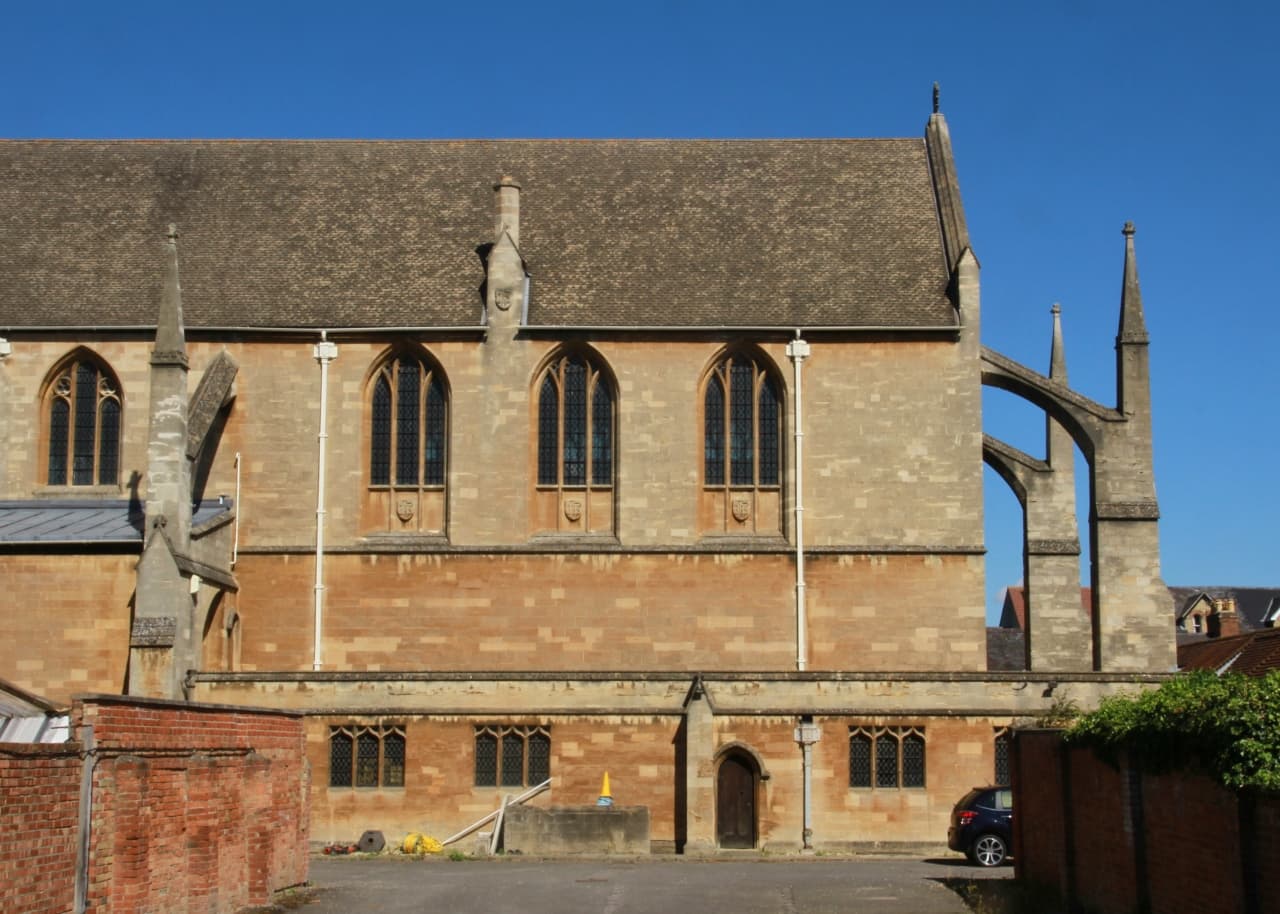
Oxford
Motacilla / wikimedia (CC BY-SA 4.0)
The Custom House and docks photograph best in the soft, low light of late morning or at sunset, when the water turns amber.
placeholder
35 min driveA scenic drive north toward Chestertown, the road narrowing through small hamlets and open farmland.
1:30 PM - 3:00 PM
Washington College · afternoon · 90 min · Talbot County Historic Villages

After lunch, shift to the intellectual register of Washington College's 1782 campus. The herringbone brick paths and heritage box gardens make for an easy, flat stroll — Gibson Hall's quad catches beautiful late-day light, and the Chester River view near the boathouse offers a quiet, contemplative pause. Quietest on weekday afternoons outside the academic calendar's peak weeks.
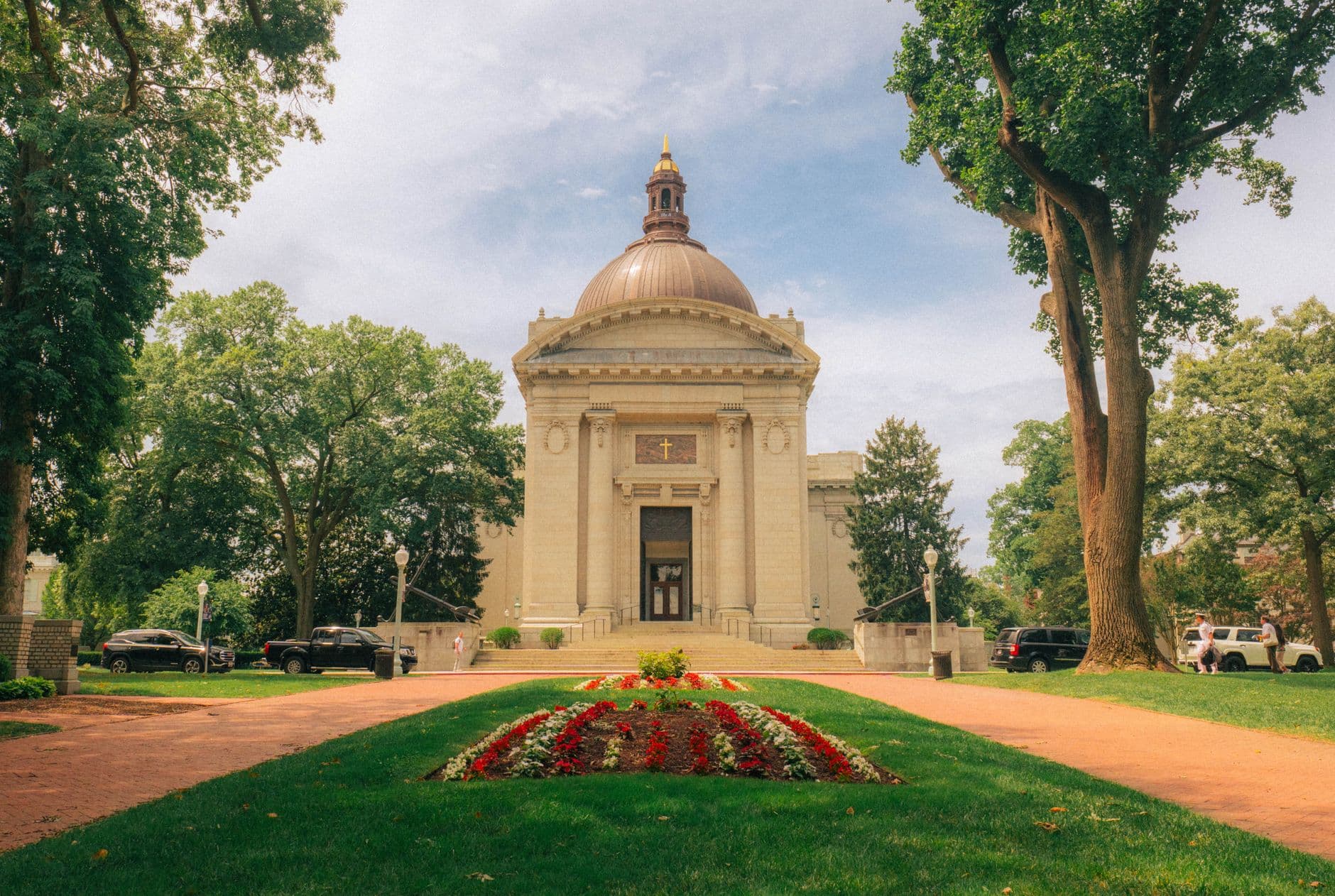
Washington College
Photo by Charlie Clarno on Pexels
The main quad glows especially well in the hour before sunset, Gibson Hall framed against a golden sky.
Accessible paths throughout the main campus with frequent rest areas; stick to main buildings for the flattest route.
Lunch
Doc's Sunset Grille $$
American · Near Oxford
Waterside dining in Oxford with unhurried service — a good spot to linger over crab cakes and a water view.
Dinner
Phat Daddy's BBQ Shack $
Barbecue · Near Washington College
A relaxed, casual change of pace from seafood — hearty barbecue near campus, good for an early, easy dinner.
If it rains: The Oxford Custom House offers indoor shelter with colonial history exhibits, and Washington College's Gibson Hall lobby and bookstore provide a dry, low-key alternative to outdoor campus wandering.

Oxford moves at its own tide-driven pace, and mornings here are especially still. Walk the flat waterfront past the Custom House and historic brick warehouses, letting the quiet — broken only by water against the pilings — set the tone for the day. There's no rush; this is a town built for lingering.

The afternoon pivots to a different kind of history at Washington College, where 1782 brick buildings and quiet quads offer a gentler, more contemplative counterpoint to Oxford's waterside charm. The herringbone paths are flat and forgiving, with benches scattered for rest, and the Chester River view near the boathouse is worth the short detour.

Dinner tonight is easy and unpretentious — Phat Daddy's BBQ Shack near campus offers a satisfying, low-noise meal to close out a day built around quiet history rather than spectacle. Chestertown itself goes still early, so plan to wind down by 8pm.

Wildlife & wide skies

Day 3: Marsh Light at Blackwater

A nature-focused final day at Blackwater National Wildlife Refuge, with easy, flat wildlife-viewing and minimal walking — under a mile total.

Wear
Warm layers and a windproof jacket for open marsh viewing, binoculars if you have them, and closed-toe shoes for uneven ground near overlooks.
Budget
$40–60 per person (refuge entrance fee, one substantial lunch)
50 min driveA longer country drive south toward Dorchester County — worth a coffee stop partway, as farmland gives way gradually to marsh.
8:30 AM - 11:30 AM
Blackwater NWR · morning · 180 min · Blackwater Wildlife Refuge

Fall is peak migration season here, and arriving by 8:30am rewards you with thousands of geese and ducks still active before midday quiet sets in. The Wildlife Loop is flat and vehicle-accessible with frequent pull-offs, so you can move at whatever pace suits — pausing at the eagle viewing platform, where bald eagles are a near-certainty this time of year. Bring binoculars if you have them; the marsh vistas from the observation tower are the visual heart of the visit.

Blackwater NWR
Unknown / wikimedia (Public domain)
Early morning light across the Wildlife Loop overlooks is best for capturing waterfowl silhouettes and reflections; skies are typically clearest before 10am.
The Wildlife Loop and main overlooks are flat and accessible by car with short, level walks to viewing platforms; benches are available at key stops.
Optional detour: Harris CreekAfter Blackwater NWR, as an alternative afternoon extension
For travelers wanting more time on the water, Harris Creek offers a quieter, marsh-lined paddling route with strong eagle-sighting potential. Skip if: It requires kayaking ability and has no accessibility accommodations, making it a poor fit for this demographic's flat-path, low-exertion pace — best skipped in favor of resting after the morning at Blackwater.
If it rains: Wetland viewing along the Wildlife Loop remains possible in light rain, but visibility and photography suffer — shift focus to the visitor center exhibits, or reschedule if thunderstorms are forecast.

The final day belongs to the marsh. Arrive at Blackwater by 8:30am, when fall migration fills the skies with waterfowl and the morning light is at its sharpest and most photogenic. Move slowly along the flat Wildlife Loop, pausing often — the eagle viewing platform and observation tower both reward patience over speed, and benches make it easy to simply sit and watch for a while.

With no strenuous activity planned, the afternoon is intentionally open — a good time to head back toward your base at an easy pace, stopping along the way if farmland views or a roadside market catch your eye. Since dining options directly at the refuge are limited, plan your lunch for a stop in town rather than at the refuge itself.

Close the trip gently, with an early dinner back in whichever town serves as home base — after three days of marshes, brick, and water light, an unhurried final meal fits the trip's rhythm better than a late night out.

Want to tweak this trip?

Our AI planner can customize this itinerary to your exact dates, interests, and travel style.

Customize This Itinerary
Good to Know

Restaurant details (hours, menus, availability) change frequently. Check current hours before visiting, especially in seasonal destinations.

Dietary compatibility tags are general guidance. If you have severe allergies, confirm directly with the restaurant.

Travel tips are general guidance, not professional safety advice. Check government advisories for latest information.

All prices are approximate and may vary seasonally.

We use cookies to improve your experience and analyze site usage. Essential cookies are always active. You can customize your preferences or accept all cookies. Cookie Policy