3 DaysSolo Traveler5 Stops

Ludington State Park, Michigan

3-Day Itinerary for Solo Traveler

Dunes, Driftwood, and a Solo Beam of Light: 3 Days in Ludington

Dunes, Driftwood, and a Solo Beam of Light: 3 Days in Ludington

The dunes here don't roar, they hush — wind combing through beach grass, waves working the shoreline into a slow, endless rhythm. Fall strips away the summer crowds and leaves you with amber light, cool pine air, and a lighthouse standing alone against the horizon, exactly the kind of solitude a solo traveler comes looking for.

At a Glance

Climate & Weather
Fall in Ludington brings cooling air (highs in the 50s–60s°F, dropping into the 40s at night), crisp lake breezes, and turning foliage in the forested interior. Pack real layers: a warm base layer, a windproof/waterproof shell for lake gusts, and sturdy hiking boots for sandy, uneven dune terrain. Days shorten fast this time of year — plan sunset activities by mid-afternoon.
Getting Around
A car is essential — the park's clusters (Big Sable Point coastal zone and Hamlin Lake interior) are connected by park roads but spread across several miles of forest and dune. Budget 15–20 minutes drive time between cluster areas, and expect gravel or sand-dusted lots near trailheads.
Budget
Solo daily spend runs roughly $35–60: park entry/vehicle pass (~$11–14/day), casual lakeside meals ($12–20 each), and minimal gear rental if paddling (~$20–30/half day). Lodging is separate and varies by cluster chosen.
Safety
The park is low-risk and well-suited to solo travel, but Lake Michigan's currents are strong and cold even in fall — stick to designated swim areas and don't wade past your knees near the point. Cell service can be patchy along the shoreline trails, so tell someone your rough route and expected return time, especially before dune or lighthouse hikes. Trails and dune steps get slick with dew or rain; footing matters more than speed.
Connectivity
Cell coverage is inconsistent inside the park, stronger near the visitor center and weaker along the lighthouse approach and deep interior trails. Download offline maps before setting out, and don't rely on real-time navigation once you're past the main lot.
Local Tips
Arrive at the lighthouse before 9 AM — by mid-morning even in fall, tour buses and photographers claim the base. Restaurants trim hours after Labor Day, so call ahead or plan dinner before 8 PM. Solo travelers should ask at the visitor center about any ranger-led fall walks — small groups form organically and are an easy, low-pressure way to meet fellow hikers.

Highlights

  • Climb 130 steps inside Big Sable Point Lighthouse with the tower nearly to yourself
  • Watch dune grass turn gold against Lake Michigan's cooling blue
  • Trace the Dunes Trail at golden hour, sand still warm underfoot
  • Paddle or wade the still, forested shallows of Hamlin Lake
  • Fall foliage framing century-old dune ridgelines
  • Early mornings with empty trails and long shadows
  • Slow, unhurried lakeside evenings built for solo reflection

Day-by-Day Plan

Settling in, gentle orientation

Day 1: Arrival & First Light on the Dunes

A light first day easing into the coastal cluster with one lighthouse climb and one unhurried dune walk, roughly 3 miles of walking total.

Wear
Windproof jacket, moisture-wicking layers, broken-in hiking boots, and a hat that won't blow off at the lighthouse gallery.
Budget
$45 (park pass, lighthouse admission, casual dinner)
8:00 AM - 8:45 AM
Big Sable Point Lighthouse · morning · 45 min · Big Sable Point Coastal Zone

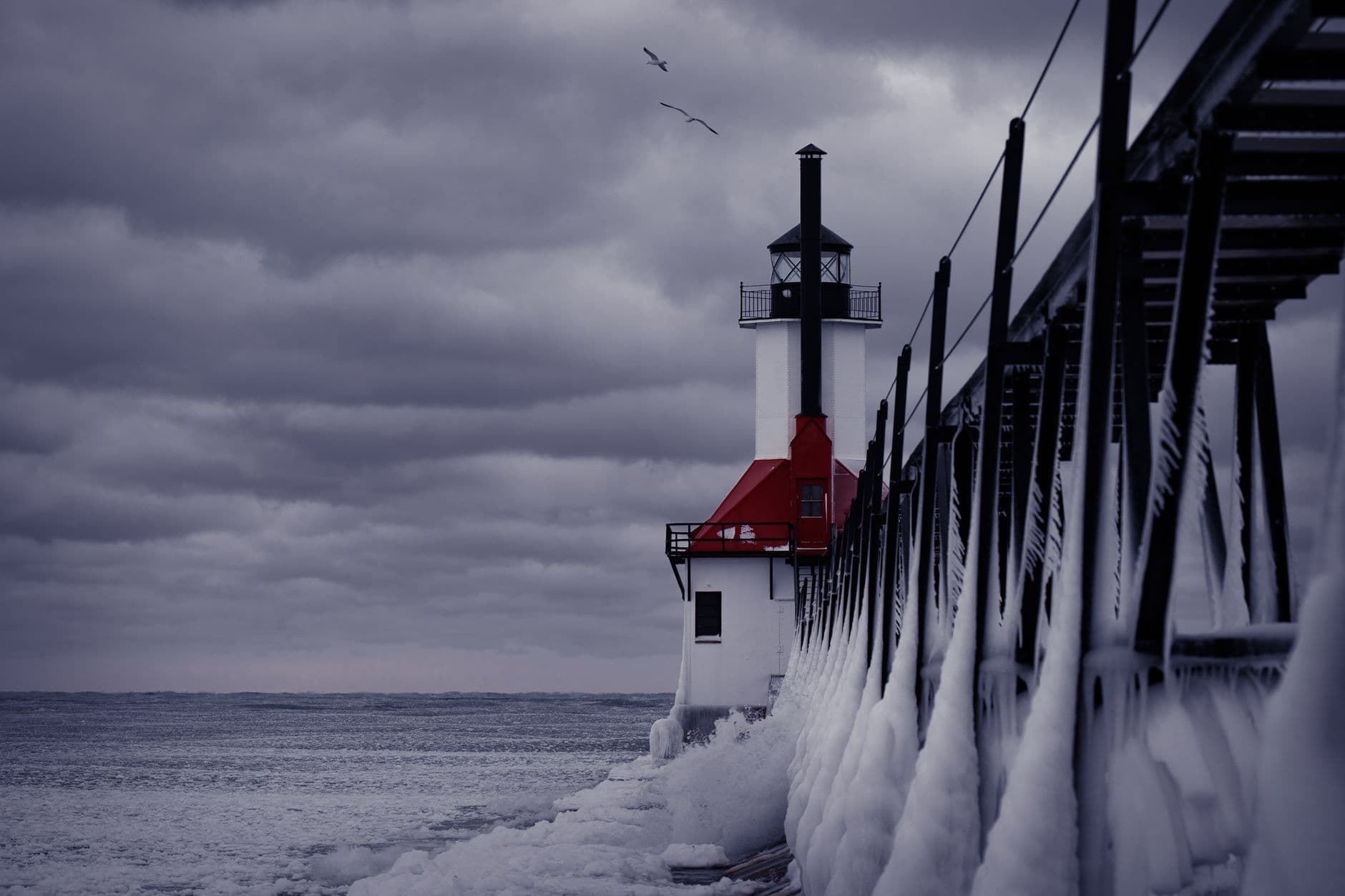
Arrive early and the tower is yours — no line, no chatter, just gulls and the hollow echo of your boots on the spiral stairs. At the top, the wind off Lake Michigan hits first, then the view: endless water on one side, gold-edged dunes rolling toward forest on the other. For a solo traveler, this quiet version of the climb is the real reward — most visitors won't see it like this until they arrive after 9.

Big Sable Point Lighthouse
Cooley's Gardens Henry G. Gilbert Nursery and Seed Trade Catalog Collection / wikimedia (Public domain)
Shoot from the top gallery looking south along the dune coastline — morning light rakes low across the sand and softens the whole shoreline.
130 steps on a narrow spiral staircase; not wheelchair accessible, and the uneven approach path has no flat route.
10 min walkA short sandy walk from the lighthouse base, trail markers pointing you toward the dune crest.
9:15 AM - 10:45 AM
Dunes Trail · midday · 90 min · Big Sable Point Coastal Zone

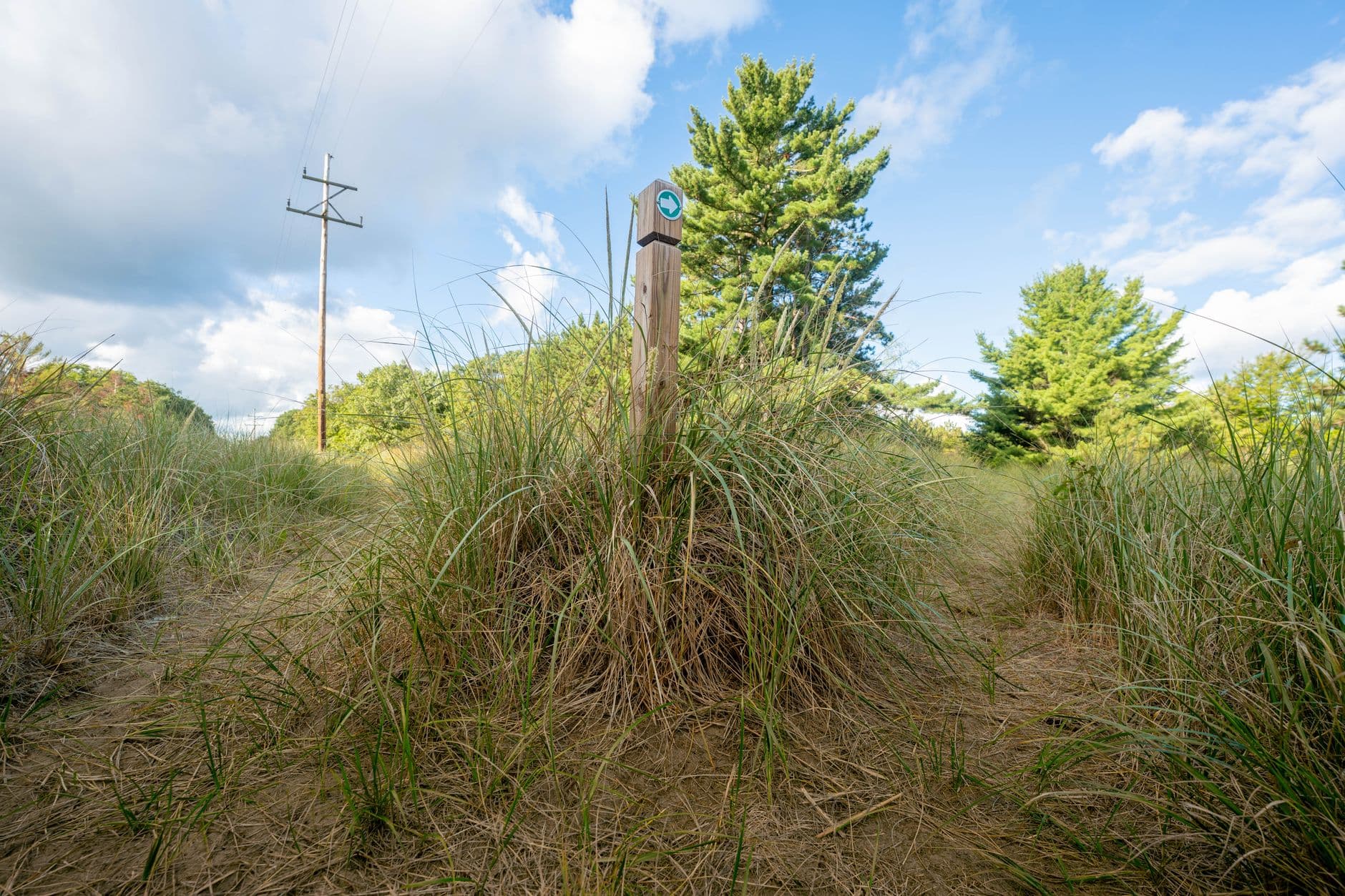
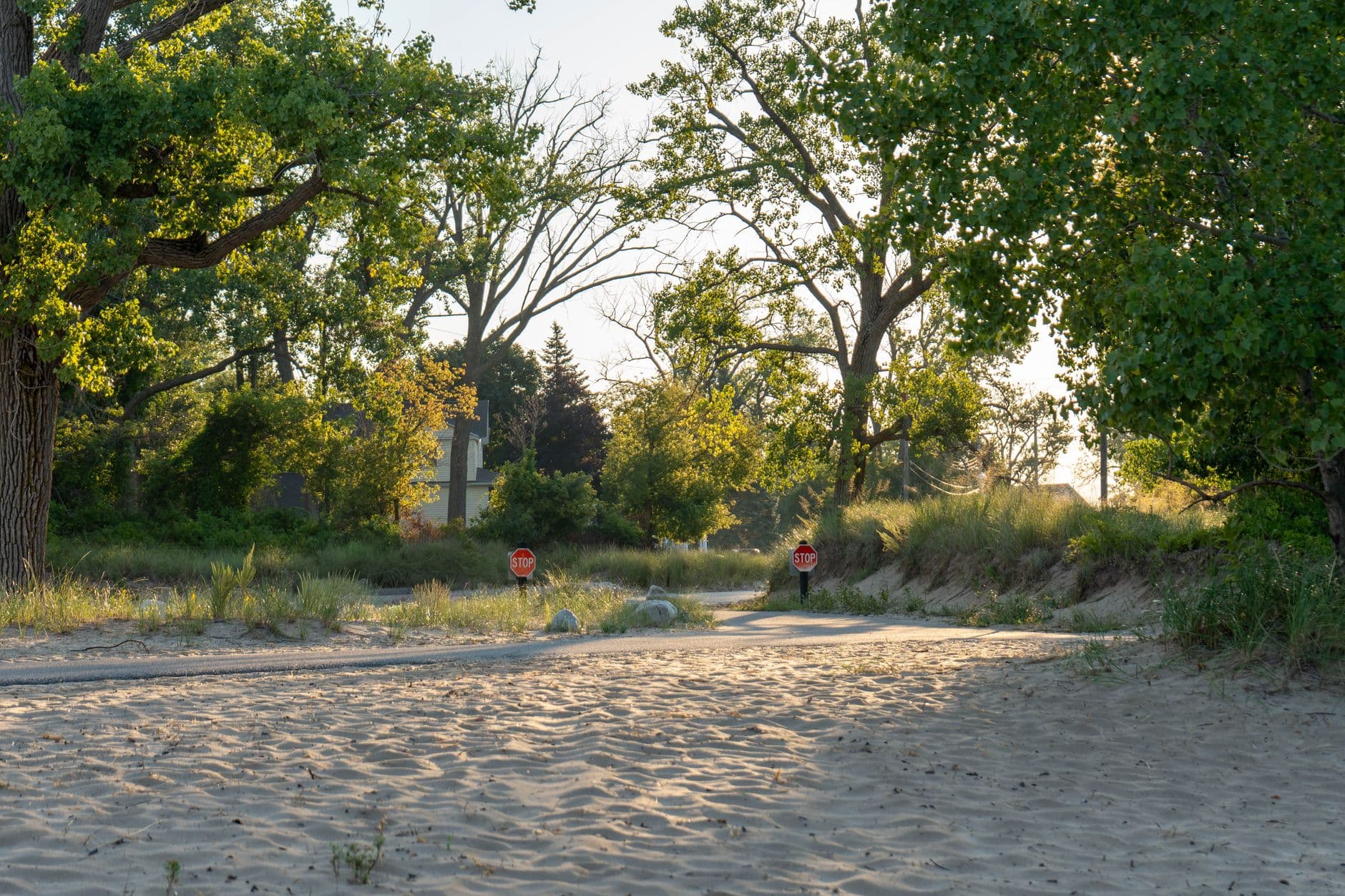
After the tower, the ground-level version of the same landscape: soft sand dune crests, beach grass hissing in the wind, and the transition zone where forest gives way to open dune. Fall thins the crowds here noticeably — expect long stretches of trail with no one else in sight, good for the kind of unhurried, contemplative walking solo travel is built for.

Dunes Trail
Photo by fish socks on Pexels
Pause at the dune crest midway through — this is the classic wide shot over the lake, best with the late-morning sun still low enough to add texture to the sand.
Not wheelchair accessible; sandy, uneven terrain throughout, no benches for extended stretches.
If it rains: If rain moves in, skip the dune walk and instead linger at the lighthouse's sheltered visitor area, admiring the tower and dune silhouettes from below rather than climbing — light rain is atmospheric, thunderstorms are not worth the exposed climb.

The lighthouse greets you first, and arriving before 9 AM means the climb feels almost private — 130 steps of creaking wood and cool stone air, then a sudden burst of wind and horizon at the top. Fall's clearer light makes the shoreline view especially sharp, water shifting from turquoise near shore to deep navy further out.

Ease into the Dunes Trail at an unhurried pace — no itinerary pressure, just sand underfoot and the slow reveal of dune after dune. This is a good stretch to simply be alone with the landscape; benches are sparse, so plan pauses at natural high points rather than forcing a rest stop.

With no specific dining data mapped to this cluster, plan your first dinner around town rather than the trailhead — Ludington's small waterfront eateries trim hours by early evening in fall, so aim to be seated by 7 PM. A quiet solo dinner here doubles as a good reset before day two's longer hiking.

Immersive hiking, photography focus

Day 2: Deep in the Dune Forest

A moderately active day returning to the coastal cluster for a longer, photography-focused pass through the dunes and a golden-hour lighthouse revisit, roughly 4–5 miles of walking.

Wear
Layered clothing for temperature swings between forest shade and open dune sun, waterproof boots in case of dew or light rain, and a light pack for water and a camera.
Budget
$40 (lighthouse re-entry if applicable, snacks, dinner)
7:30 AM - 9:30 AM
Dunes Trail · morning · 120 min · Big Sable Point Coastal Zone

This early return is for photographers and solitude-seekers — arrive by 7:30 and the trail is close to empty, dew still on the beach grass, long shadows stretching off the dune ridges. Fall's low-angle morning light does something dramatic to the sand's texture that midday flattens out entirely.

Dunes Trail
Photo by fish socks on Pexels
The forest-to-dune transition zone is best photographed in this early light — shadows still long, colors saturated before the sun climbs higher.
Sandy, uneven terrain throughout; not recommended for those needing flat or wheelchair-accessible paths.
15 min walkA relaxed walk back along the dune trail as the light shifts from harsh to warm.
6:30 PM - 7:15 PM
Big Sable Point Lighthouse · evening · 45 min · Big Sable Point Coastal Zone

Return at golden hour for the version of the lighthouse most day-trippers miss — the white tower catching amber light, long dune shadows stretching toward the water, and a hush that only comes after the tour groups have left for dinner. Climbing again is optional; even the base view rewards a second visit.

Big Sable Point Lighthouse
Cooley's Gardens Henry G. Gilbert Nursery and Seed Trade Catalog Collection / wikimedia (Public domain)
Shoot from the beach looking back at the lighthouse framed by dunes — this is the golden-hour shot, tower lit warm against a cooling sky.
Same steep, uneven approach as the morning climb; the base-level view is the more accessible option in low light.
Optional detour: Big Sable Point LighthouseBetween the morning Dunes Trail and evening lighthouse revisit
A midday interior visit (45–60 minutes) works well if you want the historical/museum context without the golden-hour crowds. Skip if: Skip this midday repeat if you're prioritizing rest — two lighthouse visits in one day can feel repetitive if you've already climbed it fully on Day 1.
If it rains: If rain arrives, postpone the dune walk — wet sand turns treacherous underfoot — and instead time a lighthouse visit for a lull in the weather, sticking to the sheltered interior stairwell rather than the open gallery.

Early light transforms the same dune trail from yesterday into something almost unrecognizable — colder air, longer shadows, dew clinging to beach grass. This is the photography window locals know about; by 9 AM the light flattens and the crowds, thin as they are in fall, start to trickle in.

Use the midday hours to rest, refuel, and let your legs recover from the morning's dune miles — this is intentionally the lightest stretch of the day, a deliberate pause built into the lake-cabin rhythm.

The lighthouse at golden hour is a different experience entirely from the morning climb — warmer light, fewer visitors, and a stillness that rewards slowing down. Dinner plans should stay flexible and local; with no specific venue mapped to this cluster, treat this as a good night to picnic quietly by the shore or head into town before restaurants close for the night.

Quiet paddling, wind-down

Day 3: Stillwater Morning at Hamlin Lake

A gentler final day centered on Hamlin Lake's calm, forested interior — paddling, shoreline walking, and an easy afternoon before departure, roughly 2 miles of walking.

Wear
Quick-dry layers for potential paddling, a warm outer layer for cooling fall air on the water, and water shoes or sandals if wading.
Budget
$50 (possible kayak/canoe rental, lunch, incidentals)
18 min driveA short forest drive between clusters, canopy thinning to reveal glimpses of the lake before you arrive.
8:30 AM - 11:30 AM
Hamlin Lake · morning · 180 min · Hamlin Lake Interior

After two days of dune wind, Hamlin Lake feels like exhaling — flat, forested water, loon calls carrying across the surface, and none of the crowd pressure of the coastal side even in peak season. Fall mornings here are near-silent; paddle out to the narrows and watch tree reflections ripple apart in your wake, or simply wade the shallows and let the pace of the whole trip finally slow all the way down.

Hamlin Lake
12019 / pixabay (Pixabay License)
Photograph the narrows from a canoe if you rent one — still water and tree reflections are sharpest in early, wind-free morning hours.
This is the most accessible stop of the trip — wheelchair-friendly, flat paths, and benches roughly every 200 meters along the shoreline.
Optional detour: Hamlin LakeCould extend into early afternoon before departure
Photography light shifts again in early afternoon, and the accessible shoreline paths make a relaxed extra hour easy to justify. Skip if: Skip extending if you have a long drive out — Ludington sits 2.5+ hours from the nearest major airport, so budget return travel time accordingly.
If it rains: If rain sets in, shelter at the Ludington State Park visitor center or nearby forest pavilions near Hamlin Lake, and shift plans away from paddling until conditions clear — the shoreline paths remain walkable in light rain if you're properly layered.

Hamlin Lake closes the trip on the quietest note yet — warm shallows, pine-scented air, and the kind of unbothered stillness that suits a solo traveler winding down rather than winding up. Whether you rent a canoe or simply walk the accessible shoreline, this is built as recovery time after two days of dune miles.

With no specific dining options mapped to this cluster, plan lunch around your departure route rather than the lake itself — pack a simple meal or plan to stop in town on the way out, since options directly at the lake are limited.

Most solo travelers will be on the road home by early evening; if you've extended your stay, this is a good window for one last unhurried walk along the lake's flat paths before the light fades and the trip closes.

Want to tweak this trip?

Our AI planner can customize this itinerary to your exact dates, interests, and travel style.

Customize This Itinerary
Good to Know

Restaurant details (hours, menus, availability) change frequently. Check current hours before visiting, especially in seasonal destinations.

Dietary compatibility tags are general guidance. If you have severe allergies, confirm directly with the restaurant.

Travel tips are general guidance, not professional safety advice. Check government advisories for latest information.

All prices are approximate and may vary seasonally.

We use cookies to improve your experience and analyze site usage. Essential cookies are always active. You can customize your preferences or accept all cookies. Cookie Policy