3 DaysSolo Traveler6 Stops

Sandhills, Nebraska

3-Day Itinerary for Solo Traveler

“Grass, Stars, and Silence: Three Days in Nebraska's Sandhills”
Grass, Stars, and Silence: Three Days in Nebraska's Sandhills

Out here the grass moves like water and the horizon never quite resolves — just sky folding into more sky. This is prairie as cathedral, best met slowly, alone, with no agenda but the wind's.

At a Glance

Climate & Weather
Summer days run warm and pleasant (mid-70s°F) with excellent long daylight for exploring, though July afternoons can bring sudden thunderstorms — pack a light rain shell, sun hat, and layers for cool prairie evenings and clear-night stargazing.
Getting Around
A car is essential — distances between clusters are long and public transit doesn't exist here. Fill up in Valentine before heading to remote refuge roads or Merritt Reservoir, where gas stations are scarce and some roads turn to sand or mud after rain.
Budget
Budget roughly $60–$90/day for a solo traveler, covering hearty diner-style meals, gas, and modest park/access fees — lodging not included.
Safety
Solo travelers are very safe here; the main risks are environmental rather than human — flash storms, remote roads with no cell service, and sun exposure on exposed grassland trails. Tell someone your route before heading onto refuge roads, carry extra water and a full tank of gas, and give bison, elk, and any sunning snakes a wide, respectful berth near water's edge.
Connectivity
Cell service is spotty to nonexistent once you leave Valentine proper — download offline maps in advance and treat the dead zones as a feature, not a bug, especially around the reservoir and refuge interior.
Local Tips
Arrive at refuge and trailhead stops by 7:30-8am to beat both heat and the handful of other visitors; Bud's Bar & Grill and similar local spots have bar seating that's genuinely the best place to strike up conversation with ranchers and fellow travelers; moonless nights near new moon phase are prime for Merritt's dark sky, so check the lunar calendar before booking.

Highlights

  • Dawn wildlife drive through Valentine National Wildlife Refuge
  • Ranch-country dinner at a Valentine local institution
  • Sunset and stargazing on Merritt Reservoir's dark-sky shore
  • Nebraska's most powerful waterfall at Snake River Falls
  • A bison-grass hike along Chimney Rock Trail at Fort Niobrara
  • Golden-hour paddling light at Calamus Reservoir

Day-by-Day Plan

orientation & wildlife

Day 1: Arrival on the Edge of the Grass

A gentle arrival day centered on Valentine's eastern prairie, with roughly 2 miles of easy, flat walking and low-to-moderate energy output.

Wear
Light breathable layers, closed-toe walking shoes, a brimmed hat, and sunscreen — mornings are cool, midday turns warm fast.
Budget
$45-65 (meals, gas, minor refuge access)
7:30 AM - 10:30 AM
Valentine National Wildlife Refuge · morning · 180 min · Valentine Wildlife & Eastern Prairie

Arrive while the air still holds the night's coolness and the Lazy J Wildlife Drive is yours alone — cranes call across the wetlands, and the grass itself seems to exhale with each gust. This is the softest possible landing after travel: no crowds, no schedule pressure, just horizon and birdsong. By 9am a handful of other early risers will trickle in, but you'll already have had the place to yourself.

Valentine National Wildlife Refuge
Salyer, J. Clark, 1902- U.S. Fish and Wildlife Service / wikimedia (Public domain)
Shoot the Lazy J overlooks right at sunrise for long shadows across the grass and silhouetted birds over the marsh.
Flat paths throughout but no paved wheelchair access; benches are sparse, so bring a foldable seat if you plan to linger.
Lunch
Peppermint Restaurant & Lounge $$
American/local · Near Valentine National Wildlife Refuge
A relaxed local spot with counter and table seating — easy for a solo diner to settle in without feeling conspicuous.
Dinner
Neon Bar and Grill $$
American/ranch-country · Near Valentine National Wildlife Refuge
Classic small-town bar-and-grill vibe with seating at the bar — a natural spot to chat with locals after a quiet first day.
If it rains: Light rain is manageable with a shell jacket on the refuge's flat paths, but heavy rain renders unpaved refuge roads impassable — if storms roll in, retreat to Valentine for an early dinner and wait out the weather rather than risk the roads.

Ease into the Sandhills slowly: the refuge's wide gravel drives and wetland overlooks ask nothing more than patience and an early alarm. Cranes lift off the marsh in loose formations as the light climbs, and the whole scene feels less like a destination than a held breath.

Midday is for settling — check in, rest from travel, and let the heat of the day pass without forcing more hiking. This is the lightest stretch of the whole trip, intentionally so.

Dinner at a local bar-and-grill closes the day on a warm, social note — bar seating makes it easy to fall into conversation with ranchers and fellow travelers, a good first taste of Sandhills hospitality before the quieter days ahead.

waterfall & stargazing

Day 2: Water, Falls, and the Dark Sky West

A full day moving west into the Merritt Reservoir cluster, covering roughly 3-4 miles of walking across moderate terrain, ending with stargazing after dark.

Wear
Sturdy shoes with grip for the falls overlook, a warm layer for after sundown (prairie nights cool fast even in summer), and a red-light headlamp if you own one for stargazing.
Budget
$50-70 (meals, gas for longer drive, minor access fees)
75 min drive — A long, quiet highway run west with grass on both sides and almost no other cars — a good stretch to let the mind wander before the day's first stop.
8:00 AM - 9:00 AM
Snake River Falls · morning · 60 min · Snake River Falls & Waterfall Corridor

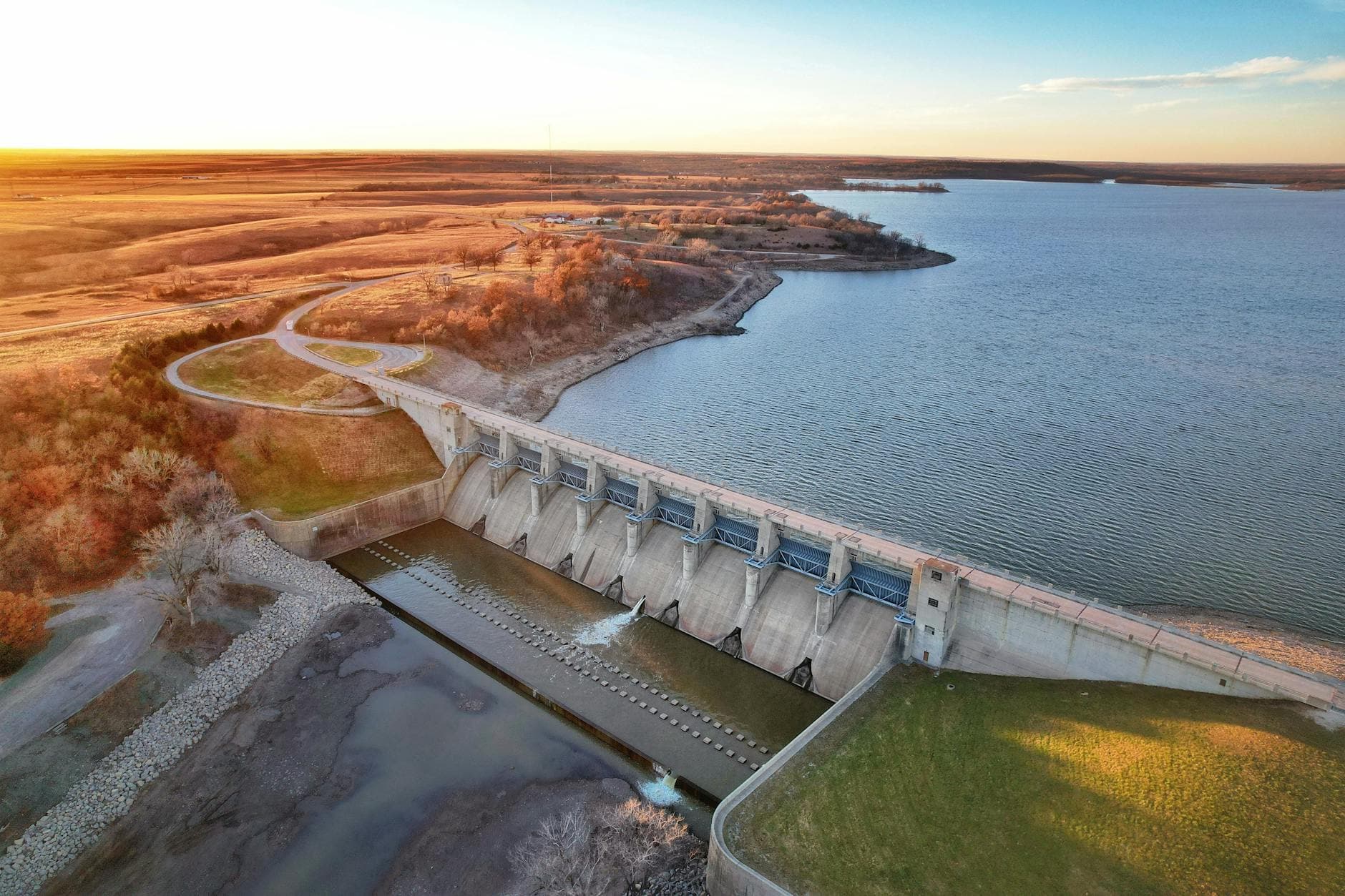
Nebraska's most powerful waterfall isn't thunderous by national standards, but out here, where the Sandhills usually offer only silence, its roar feels monumental. Arrive early and the overlook is yours — mist beading on your face, the Merritt Reservoir glinting below, rolling dunes stretching past the horizon. Scramble carefully to the lower vantage for a closer, louder perspective if the ground is dry.
Snake River Falls
United States. Soil Conservation Service. cn California. Dept. of Water Resources. cn British Columbia. Dept. of Lands, Forests and Water Resources. cn / wikimedia (Public domain)
Shoot from the north bank overlook mid-morning for full curtain lighting, or venture to the lower vantage for mist-and-power close-ups.
No wheelchair access and uneven, unpaved paths — the viewing platform offers a shorter, easier option if mobility is a concern.
15 min drive — A short hop along reservoir access roads, dust rising faintly behind the car in the afternoon heat.
4:00 PM - 5:30 PM
Merritt Reservoir (dark sky) · afternoon · 90 min · Merritt Reservoir & Dark Sky Zone

Return to the reservoir in late afternoon for a low-key reset — water lapping quietly at the shore, prairie wind carrying the smell of sage, nothing demanding your attention but stillness. This is a deliberate pace-shift after the morning's falls, pure low-energy recovery before the evening's main event.

Merritt Reservoir (dark sky)
Taylor Hunt / pexels (Pexels License)
Save the camera for after dark here — daytime shots are pleasant but the real photography payoff comes once the stars emerge.
Flat but unpaved shoreline access; benches are sparse, so a camp chair is worth packing.
10 min drive — A short dusk drive back to the shore, headlights the only light for miles until you cut the engine and let your eyes adjust.
9:30 PM - 11:00 PM
Merritt Reservoir (dark sky) · evening · 90 min · Merritt Reservoir & Dark Sky Zone

After dinner, return to the northern shore as true dark settles in. This is one of the least light-polluted places in the country, and the stars arrive in a way that rearranges your sense of scale — a canopy so dense it casts faint shadows. Solo travelers should bring a charged phone and let someone know this is the plan; the quiet here is profound, not threatening, but remoteness deserves respect.

Merritt Reservoir (dark sky)
Taylor Hunt / pexels (Pexels License)
Use the elevated dam area for wide-angle constellation shots, or the northern shore overlook for star reflections on calm water — go near new moon for maximum darkness.
No paved paths and no artificial lighting after dark — bring a red-light headlamp to protect night vision and watch footing carefully.
Lunch
McDonald's $
fast food · Near Valentine National Wildlife Refuge / en route west
A practical, no-frills option to refuel quickly before the drive west — not memorable, but reliable and fast.
Dinner
Peppermint Restaurant & Lounge $$
American/local · Near Valentine National Wildlife Refuge, en route back toward Merritt
A hearty, unpretentious dinner spot to refuel before the night's stargazing — comfortable for solo diners at the counter.
Optional detour: Calamus Reservoir — After Snake River Falls and before the afternoon Merritt Reservoir rest
A glassy, wide-open reservoir with good shoreline photography and a different texture of water-meets-prairie than Merritt offers. Skip if: It adds real driving distance and overlaps thematically with the reservoir time already built into the afternoon — skip if you'd rather conserve energy for stargazing.
If it rains: Cloud cover will erase the stargazing entirely — if skies are socked in, treat this as a rest evening in Valentine and plan to return to Merritt on a clearer night later in the trip if your schedule allows; the falls overlook is fine in light rain but should be postponed if trails turn muddy.

The day opens with the roar of water rather than birdsong — Snake River Falls thunders in a landscape otherwise defined by quiet, and the early light does the cascade real justice before any other visitors arrive.

The pace deliberately slows after the falls: a return to Merritt's shoreline for rest, shade, and the kind of stillness this region does better than almost anywhere else, building anticipation for what comes after sundown.

Dinner first, then back out to the dark water under a sky that feels genuinely foreign — this is the emotional center of the whole trip, worth the late finish, and well within safe, solo-friendly bounds as long as you've told someone your plan.

hiking & departure

Day 3: Bison Grass and Long Goodbyes

A moderate hiking day back in the eastern prairie cluster, covering roughly 4-5 miles on uneven grassland trail, with a lighter afternoon for departure logistics.

Wear
Sturdy hiking shoes or boots, long pants for grass and potential ticks, a hat and sunscreen, and plenty of water — there's little shade on the trail.
Budget
$40-60 (meals, gas, minor trail access)
7:30 AM - 9:00 AM
Chimney Rock Trail at Fort Niobrara · morning · 90 min · Snake River Falls & Waterfall Corridor

Hit the trail at first light, when the air is cool and elk calls still drift across the grassland. This is genuine wild prairie — bison roam the refuge, grasses rustle with unseen movement, and the Chimney Rock outcrop stands as a modest but striking landmark against the endless horizon. Early arrival means a real chance at wildlife sightings before the heat pushes animals into cover.

The outcrop itself photographs best in late afternoon light, but if you're here at dawn instead, focus on the open northward prairie vistas with long morning shadows.
Unpaved, uneven trail not recommended for those with mobility limitations; sturdy footwear is essential and benches are sparse along the route.
20 min drive — A short backtrack along the same quiet road, grass rushing by, windows down for one last breath of sage-scented air.
10:30 AM - 12:00 PM
Valentine National Wildlife Refuge · midday · 90 min · Valentine Wildlife & Eastern Prairie

A final, slower pass through the refuge on the way back toward town — the marshes look different at midday, sun-bright and still, cranes resting rather than feeding. It's a quieter bookend to the trip, less about discovery now than about one last long look at the horizon before packing up.

Valentine National Wildlife Refuge
Salyer, J. Clark, 1902- U.S. Fish and Wildlife Service / wikimedia (Public domain)
Midday light flattens color somewhat, so focus on wide landscape compositions rather than golden-hour drama.
Flat paths throughout, though unpaved; benches remain sparse so plan rest stops accordingly.
Lunch
Peppermint Restaurant & Lounge $$
American/local · Near Valentine National Wildlife Refuge
A final, easy sit-down meal before departure — familiar by now, and a good last chance to chat with locals at the counter.
Optional detour: Calamus Reservoir — After Valentine National Wildlife Refuge and before departure
If time allows before a long drive out, it's a scenic final stop for shoreline photography and a last quiet moment by water. Skip if: It's a detour in the opposite direction of most departure routes, so skip it if you're on a tight schedule to reach an airport or long highway drive.
If it rains: Heavy rain makes the Chimney Rock Trail muddy and genuinely less safe underfoot — if storms are rolling through, swap the hike for a slower refuge drive instead, which tolerates light-to-moderate rain reasonably well.

The last big push of the trip is also the most physical — grassland trail, open sky, and a real chance of spotting bison or elk before the sun climbs too high and pushes wildlife into shade.

The pace eases deliberately for departure day: one final, gentler loop through the refuge, less about adrenaline and more about absorbing the scale of the place one more time.

With the trail and refuge behind you, the evening is left open for the drive home or onward — the Sandhills tend to stay with solo travelers longer than expected, the silence lingering well past the drive out.

Want to tweak this trip?

Our AI planner can customize this itinerary to your exact dates, interests, and travel style.

Customize This Itinerary
Good to Know

Restaurant details (hours, menus, availability) change frequently. Check current hours before visiting, especially in this seasonal, rural destination.

Dietary compatibility tags are general guidance. If you have severe allergies, confirm directly with the restaurant.

Travel tips are general guidance, not professional safety advice. Check government advisories and current refuge/road conditions before heading into remote areas.

All prices are approximate and may vary seasonally.

We use cookies to improve your experience and analyze site usage. Essential cookies are always active. You can customize your preferences or accept all cookies. Cookie Policy