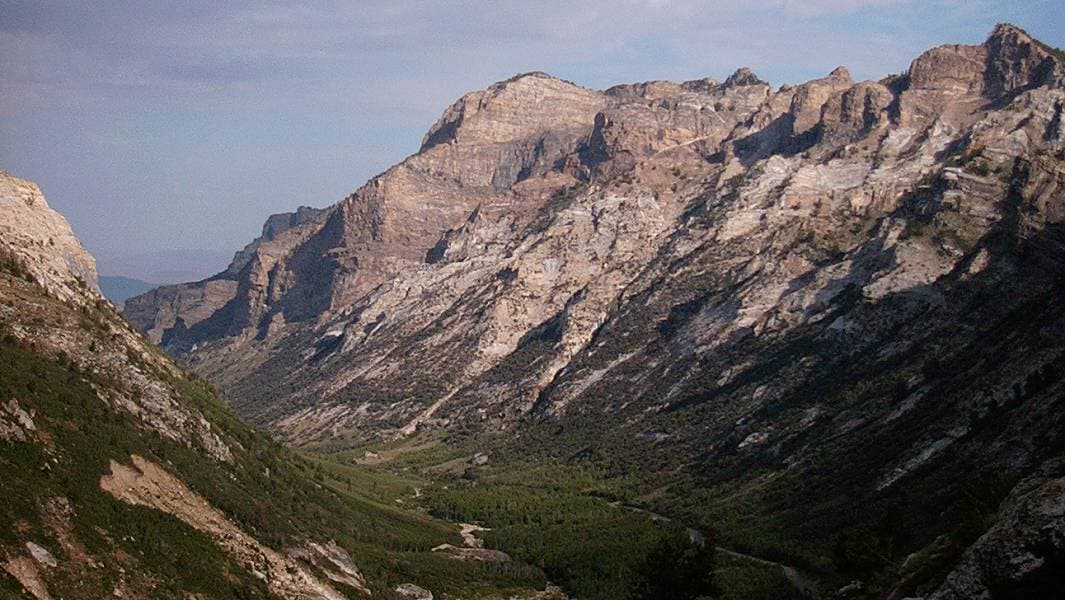
Great Basin (non-NP) (Spring Valley, Snake Valley), Nevada
4-Day Itinerary for Solo Traveler
“Starlight and Stone: Four Days Alone in the Great Basin High Country”
Out past the last gas station, the sagebrush runs to the horizon and the sky takes over — this is a place built for solo travel, where silence isn't empty but full of something ancient. Four days here means descending into limestone passages cut by ten-thousand years of dripping water, then climbing to where bristlecone pines older than the pyramids still cling to the wind.
At a Glance
Highlights
- Sunrise solitude at the Baker/SR-487 junction with no one else around for miles
- Descending into the cool, mineral-scented dark of Lehman Caves
- Twelve miles of switchbacks up Wheeler Peak Scenic Drive to 10,000 feet
- Standing beneath bristlecone pines that predate written history
- Some of the darkest night skies in the continental US, unfiltered by light pollution
- Small-town hospitality at Baker's handful of cafés, easy for solo diners
- A slower, self-reliant rhythm that rewards early starts and patience
Day-by-Day Plan
Day 1: Arrival at the Edge of Everywhere
A gentle arrival day spent orienting in Baker with light walking (under 1 mile) and low physical exertion to acclimate to elevation and the region's remoteness.
After hours of open highway, Baker arrives almost as a surprise — a crossroads of weathered wood buildings under an impossibly big sky. Walk the short main stretch slowly; there's no rush here, and the sagebrush-scented air after a long drive feels like the first real breath of the trip. Solo travelers will find it an easy, unintimidating first stop — low stakes, high scenery.

Step inside for cool, quiet orientation — panoramic windows frame the peaks you'll be climbing toward tomorrow, and the exhibits give useful context without demanding much energy after a travel day. Rangers here are used to solo visitors and happy to chat about trail conditions or cave tour timing, a good low-pressure way to get local intel.
Day one begins on the road, not in Baker itself — most of the day is travel, so there's little need to rush. Use the drive to shed the pace of wherever you came from; the landscape does a lot of that work for you, opening into wider and emptier vistas the closer you get.
Arrival in Baker is unceremonious and that's the charm — a crossroads town, a handful of buildings, and mountains on every horizon. A short walk through town and a visit to the Great Basin Visitor Center orients you gently, without taxing a body that's been sitting in a car for hours. This is the lightest day of the trip by design, easing into elevation and isolation both.
Dinner is simple and unhurried at one of Baker's small cafés — Sugar Salt & Malt or Lectrolux Cafe both offer the kind of counter seating where solo travelers can chat easily with locals. Afterward, step outside: even on night one, the sky here starts to reveal itself, a preview of what's coming once you're fully dark-adapted in the days ahead.
Day 2: Into the Limestone Dark
A moderate-energy day centered on the Lehman Caves tour with light walking (under 2 miles total) and time built in for photography and rest.
Arrive by 8:45am and you'll likely be first through the door — the Cathedral Room's stalactites catch guide-held light best when the group is small and quiet. The cool, mineral-scented air is a welcome contrast to the desert sun outside, and the amplified sound of dripping water and your own footsteps makes the whole descent feel almost reverent. This is naturally social — small guided groups are an easy way for solo travelers to swap trail tips with fellow visitors.

A brief return stop to decompress after the caves, grab water, and chat with rangers about afternoon conditions on Wheeler Peak Scenic Drive for the following day. It's a light, low-effort stop that bridges the underground morning with a quieter afternoon.
The morning belongs underground. Arriving early at Lehman Caves means near-solitude in passages that took thousands of years to form — cool air, dripping water, and stone shaped into strange, beautiful forms. It's a slower, more contemplative kind of adventure than a hike, and ideal for a solo traveler wanting sensory immersion without physical strain.
Surface back into daylight and ease into a lighter afternoon — a short stop at the Visitor Center to hydrate, check trail conditions, and mentally shift gears before tomorrow's climb to elevation. There's no rush; this is a day built around one significant experience rather than a packed checklist.
Dinner at Lectrolux Cafe offers a low-key close to the day, the kind of place where the counter seating makes solo dining feel natural rather than conspicuous. Step outside afterward and look up — the sky over Baker is already remarkable, and it only gets better as the nights go on.
Day 3: Climbing Toward the Bristlecones
The most physically active day, centered on Wheeler Peak Scenic Drive with moderate walking at multiple overlooks (roughly 2-3 miles total) and significant elevation gain by vehicle.
Arrive by 7:30am and the twelve-mile climb feels like it belongs entirely to you — gravel crunching underfoot, thin cool air filling your lungs, and the ancient bristlecone pines standing silent against an empty sky. By 9am the overlooks start filling with mid-morning traffic, so this early window is precious for solo photographers and anyone craving real solitude. Stop at multiple pullouts on the way up; each hairpin turn reveals a different layered vista of the valley floor falling away below.
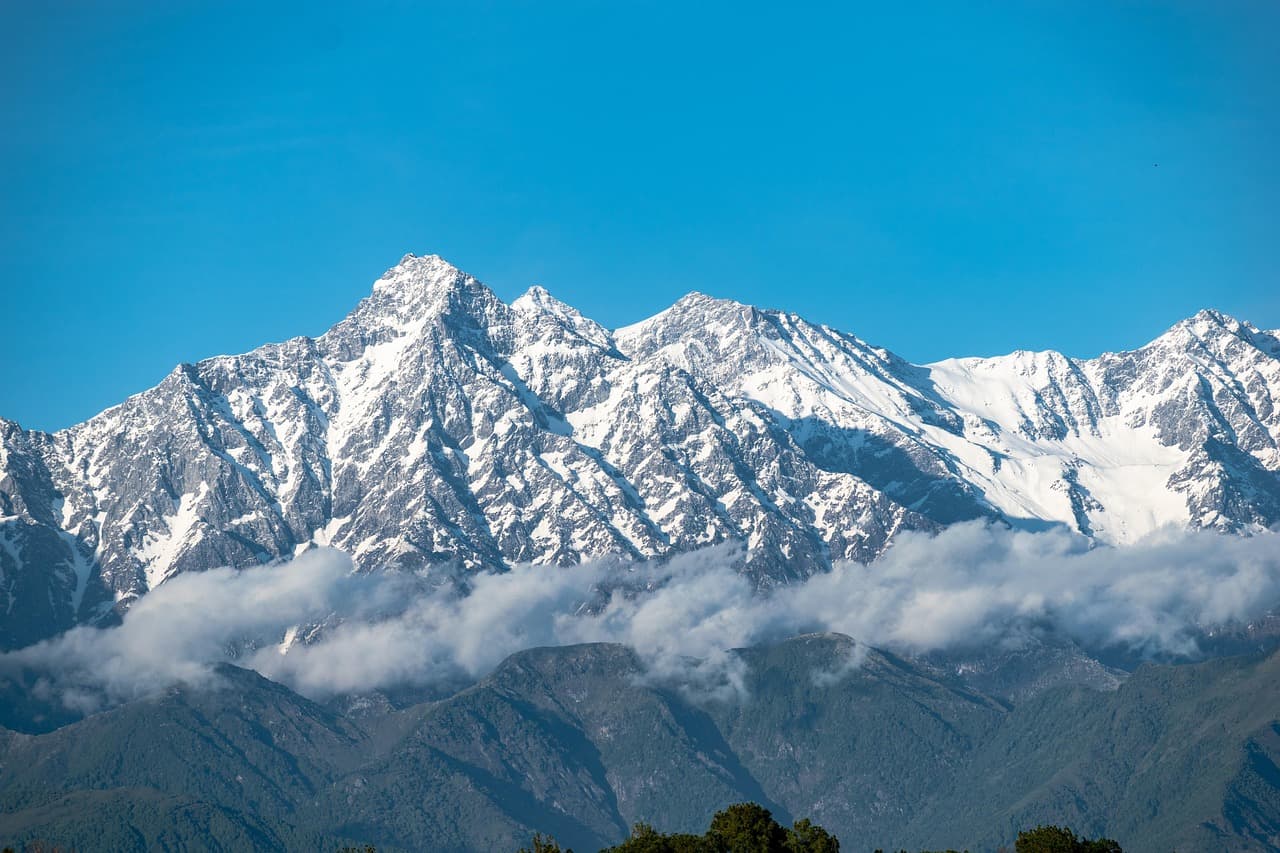
Continue to the Point 10,000 feet summit area for a 360-degree view that puts the entire basin's scale into perspective — jagged peaks, deep canyons, and haze-softened valleys stretching to the horizon. This is the kind of view that rewards patience; find a quiet rock, sit, and let the silence do its work before heading back down.
This is the day the Great Basin shows its full scale. An early start up Wheeler Peak Scenic Drive rewards you with near-total solitude among ancient bristlecone pines, the kind of trees that were already old when most of human history was still being written. The climb itself is scenic and unhurried, with multiple pullouts inviting stops for photos and quiet reflection.
By midday, continue to the Point 10,000 feet summit area for sweeping 360-degree views before the haze thickens — a good moment to simply sit and absorb the scale of the landscape. Descending back toward Baker, the temperature climbs again and the terrain softens, a natural signal to slow the pace for the rest of the day.
After a physically full day, dinner at Lectrolux Cafe offers easy comfort — nothing demanding, just a quiet meal and a chance to reflect on the day's views. Given the elevation gain and exertion, an early night is a good call, especially with another active morning ahead.
Day 4: Last Light and Departure
A lighter closing day balancing a final visit to a favorite cluster with unhurried departure logistics, minimal walking (under 1 mile).
One last early walk through Baker before departure — the crossroads is at its most peaceful in the cool morning light, with long shadows stretching from the surrounding peaks. It's a fitting bookend to the trip: the same quiet town that welcomed you on day one, now familiar rather than foreign.
A final stop to browse any remaining exhibits, pick up last-minute information, and use it as a quiet, air-conditioned space to mentally close out the trip before the long drive home. Rangers here are a good source for road condition updates before departure.
The final morning is unhurried by design — a slow walk through Baker in the cool early light, followed by a last stop at the Visitor Center to soak in the views one more time before the long drive back to civilization. There's no rush to pack in more activity; this day is about closure, not accumulation.
Departure timing will vary, but plan for the drive itself to be part of the experience — the valley recedes slowly in the rearview mirror, mountains giving way to flatter desert the farther you go. Fuel up in Baker before leaving, since services thin out quickly once you're back on the highway.
With most of the day consumed by driving, evening plans depend entirely on your route home — but the memory of the Great Basin's silence and stars tends to linger long after the mountains disappear from view.
Want to tweak this trip?
Our AI planner can customize this itinerary to your exact dates, interests, and travel style.
Customize This ItineraryRestaurant details (hours, menus, availability) change frequently, especially in small towns like Baker where seasonal hours are common. Check current hours before visiting.
Dietary compatibility tags are general guidance. If you have severe allergies, confirm directly with the restaurant, particularly given the limited dining options in this remote region.
Travel tips are general guidance, not professional safety advice. Check government advisories and road condition reports for the latest information, especially given the remote nature of this destination.
All prices are approximate and may vary seasonally; this remote region has limited price competition, so costs may differ from urban expectations.