Great Basin NP (non-cave), Nevada
2-Day Itinerary for Solo Traveler
“Bristlecones and Blue Ice: Two Days Alone with Nevada's Sky”

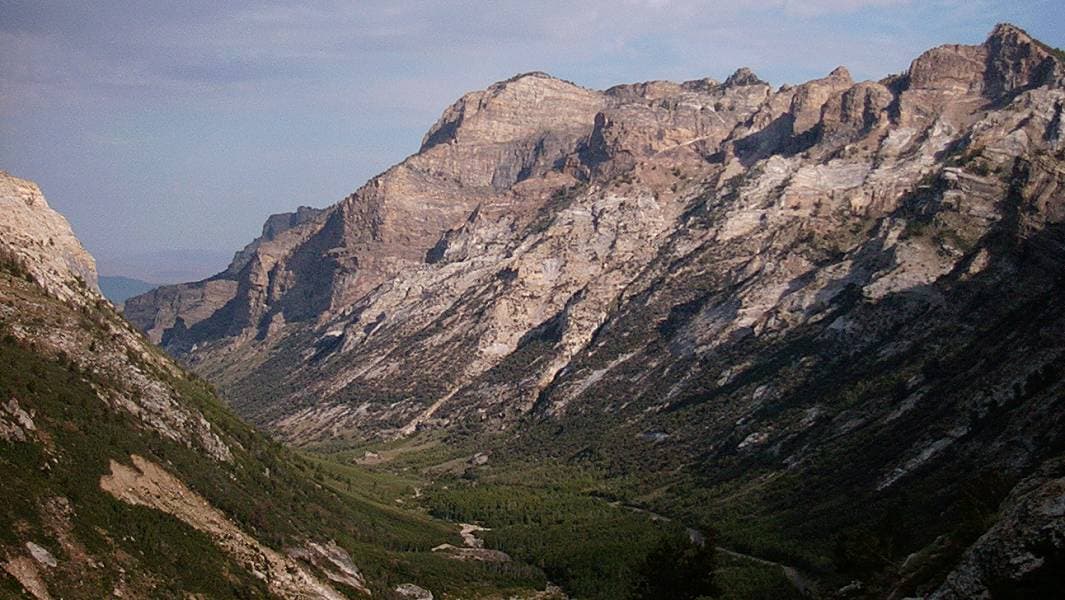
Out here the horizon just keeps going — sagebrush basin folding into snow-streaked peaks, and silence so complete you can hear your own pulse. Spring lays wildflowers across the lower slopes while Wheeler Peak still wears winter on its shoulders, so you'll move between two seasons in the same afternoon. This is a park built for solitude, and for the traveler happy to keep it that way.
At a Glance
Highlights
- Sunrise light raking across 4,000-year-old bristlecone bark
- Standing at the edge of Nevada's last living glacier
- A crystal tarn mirroring the Snake Range at dawn
- Cool marble chambers dripping with millennia of quiet
- Star-saturated skies with zero light pollution
- Trails empty enough to feel like they're yours alone
Day-by-Day Plan
Day 1: Settling Into the High Desert
A gentler first day easing into elevation with a moderate lake hike and ancient trees, covering about 3.5 miles of walking at a relaxed pace.
Ease into elevation with a flat, forgiving loop among trees older than the pyramids — arrive by 8am and the grove is yours, wind hissing through needles and nothing else. Each trunk is a sculpture of freeze-thaw centuries, silvered and spiraled, and the low energy required here makes it the ideal first stop before your legs adjust to altitude.

A 15-minute walk connects you to this glacial tarn, water so clear and cold it seems to hold its breath. Solo hikers tend to linger here — it's a natural place to strike up conversation with fellow early risers pausing at the shoreline, and the alpine meadow makes an easy spot to eat a trailside snack while watching Wheeler Peak's reflection ripple.

A short push beyond the lake brings you to an overlook where Nevada's last glacier clings pale blue against rust-colored rock — an eerie, humbling sight in a state better known for desert heat. The basin stretches out behind you in every direction, a quiet reminder of scale that solo travelers often say is the most memorable moment of the trip.
The day opens gently among bristlecone pines, their twisted silver wood catching low light while the grove sits in near-total silence — arrive before 8am and you'll likely have the entire loop to yourself. From there, a short connector trail leads to Stella Lake, its glassy surface doubling Wheeler Peak in reflection, the kind of place that invites you to sit a while and let your breathing settle into the elevation.
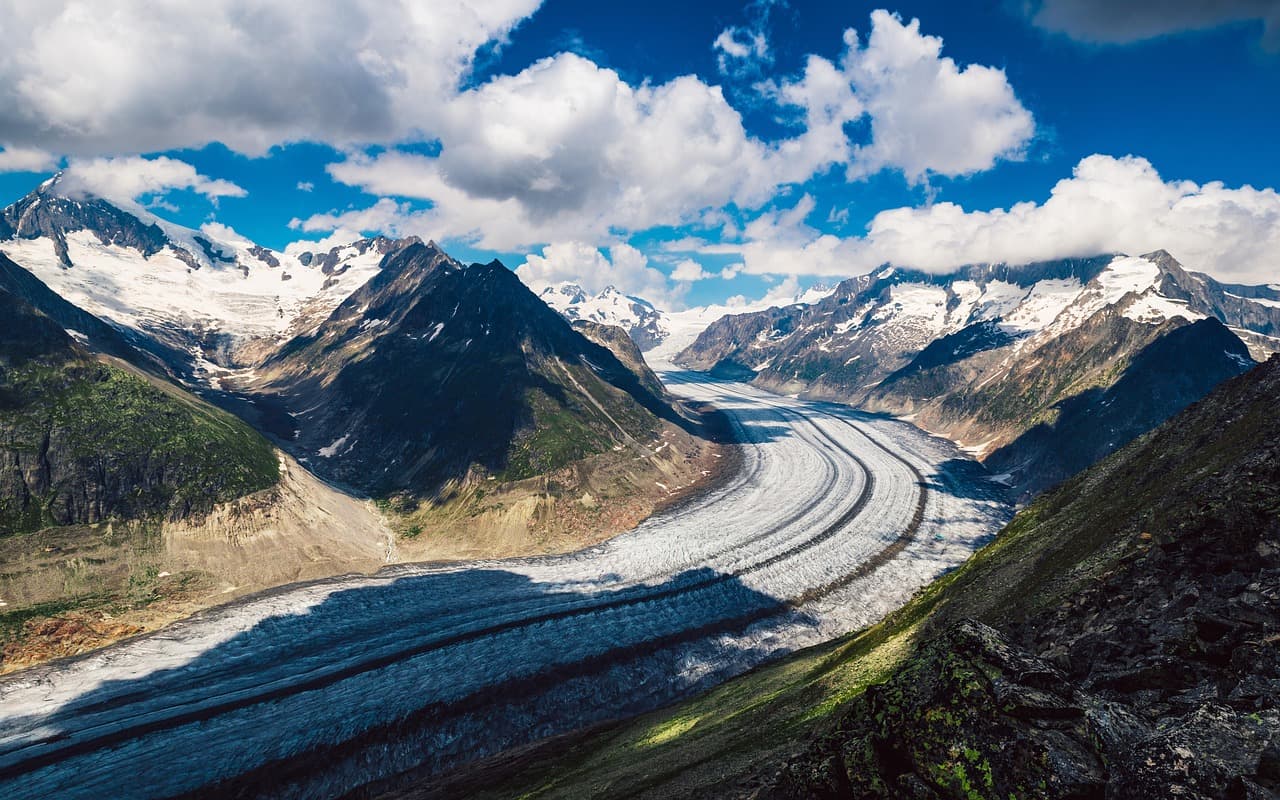
Midday brings a modest climb to the glacier viewpoint, where the landscape shifts from alpine meadow to stark, wind-scoured rock and a startling patch of blue-white ice persists against all odds. The basin falls away below in every direction — a good moment to slow down, eat lunch packed from the cafe, and simply take in the scale of the place before heading back down.
With the body still adjusting to altitude, keep the evening low-key: a simple dinner in Baker, a short walk to loosen up from the day's climb, and an early retreat as the sky fills with stars uncontaminated by any nearby city glow. This is prime territory for a slow, solo night under one of the darkest skies in the country.
Day 2: Summit Light and Marble Silence
A more demanding day combining an early alpine hike near the summit zone with an afternoon descent into Lehman Caves, covering roughly 4-5 miles total.
Start before the sun fully clears the ridgeline — by 9am the trail thins out with day-hikers, but at 7am the glacier cirque is silent but for wind and the occasional marmot call. This is intense terrain, loose shale and technical scrambling near the top, but the reward is standing at 13,000 feet next to genuine glacial ice in the middle of the desert. Solo hikers should tell someone their turnaround time before setting out, since there's no cell signal for a check-in.
After the thin air and glare of the summit trail, the cave's cool, mineral-scented dark is an almost physical relief. Guided tours move in small groups — an easy, low-pressure way for a solo traveler to fall into conversation with fellow visitors as you wind past the Parachute Shield and into the Palace Chamber, footsteps echoing on stone worn smooth over millennia.

The alpine morning is all effort and reward: loose shale underfoot, the cirque silent except for wind, and then suddenly blue glacier ice glinting against rust-red rock at the trail's high point. Go early — solitude up here is real before 9am, and the light is flatter and better for photographing the ice's texture. Watch the sky as you climb; if clouds start stacking over the ridge, treat that as your cue to turn back well before any thunder.
The transition from summit exposure to the caves' cool marble hush is dramatic — the pace slows, the temperature steadies at a constant chill, and the tour's small-group structure means easy conversation with strangers admiring the same dripstone formations. It's a deliberately lighter contrast to the morning's intensity, geologically fascinating without demanding much of tired legs.
Head back toward Baker or Ely for dinner, giving your body a chance to properly rest after the two most demanding stops of the trip. With the day's climb behind you, a quiet evening and an early night under the same dark sky feels earned — a fitting close to two days spent almost entirely alone with the Great Basin's vast, elemental scenery.
Want to tweak this trip?
Our AI planner can customize this itinerary to your exact dates, interests, and travel style.
Customize This ItineraryRestaurant details (hours, menus, availability) change frequently, especially in this seasonal, remote park. Check current hours before visiting.
Dietary compatibility tags are general guidance. If you have severe allergies, confirm directly with the restaurant or cafe staff.
Travel tips are general guidance, not professional safety advice. Conditions at elevation change rapidly — check current weather and trail status with rangers before setting out.
All prices are approximate and may vary seasonally.