Cimarron Canyon State Park (near Cimarron), New Mexico
2-Day Itinerary for Solo Traveler
“Canyon Hush & Alpine Light: A Solo Winter Escape to Cimarron Canyon”
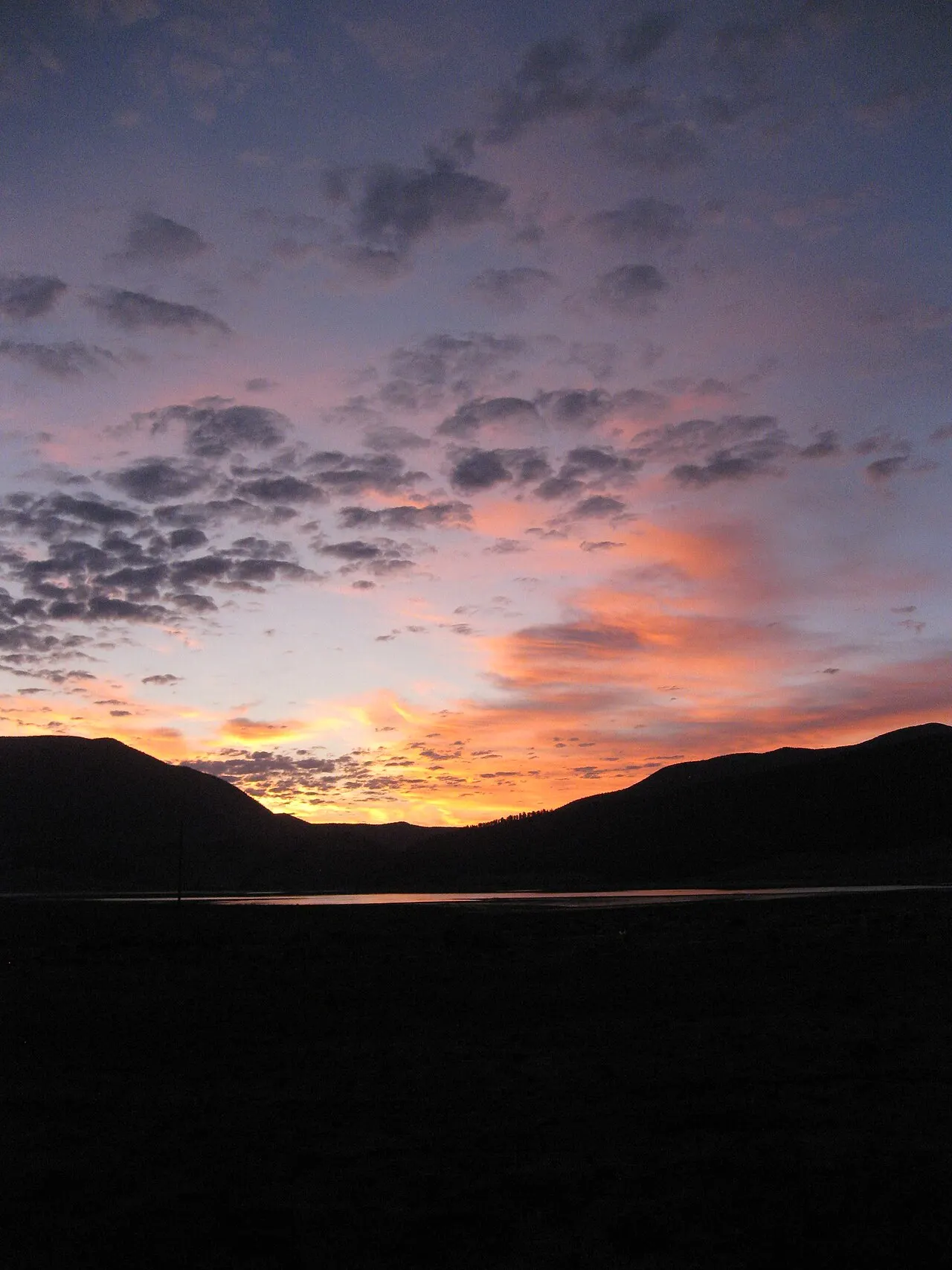
Snow softens the canyon walls to a hush, and the Cimarron River keeps running even when the air turns to ice fog. This is a trip for travelers who want solitude that feels earned—just red rock, frozen pine, and the occasional eagle overhead.
At a Glance
Highlights
- Sunrise light on snow-dusted canyon walls with nobody else around
- Standing where generations of Scouts began their mountain journeys at Philmont
- A quiet alpine village wrapped around a half-frozen lake
- Red chile and conversation at a local saloon after a cold day outside
- Switchback views over the canyon rim, even in winter's thin light
- Genuine solitude—this is one of the least crowded seasons anywhere in the park
What do 2 days in Cimarron Canyon State Park (near Cimarron) look like for solo travelers?
4 stops across 2 days, about 7 hours of sightseeing in all. The rest is yours for long lunches and unplanned detours.
| Day | Stop | Area | Suggested time | Typical visit |
|---|---|---|---|---|
| Day 1 | Cimarron Canyon | Cimarron Canyon | 9:00 AM - 11:00 AM | 2 hr |
| Day 1 | Philmont Scout Ranch (visitor center) | Cimarron Canyon | 11:30 AM - 12:15 PM | 45 min |
| Day 2 | Springer Lake Trail | Cimarron Canyon | 8:00 AM - 11:00 AM | 3 hr |
| Day 2 | Eagle Nest | Eagle Nest Lake | 1:00 PM - 2:30 PM | 1 hr 30 min |
Each day opens as a route in Google Maps; the map file drops every stop into Google My Maps or an offline map app.
Day-by-Day Plan
Day 1: Arrival & First Light on the Canyon Floor
A gentle first day easing into the canyon's rhythm with light walking (under 2 miles) and low-intensity stops to acclimate to altitude and cold.
Arrive by 9am and the canyon is yours—snow softens the red rock to rust and rose, and the Cimarron River cuts a dark, moving line through white banks. The cold carries pine resin and wet stone, and the quiet is almost startling after the drive in. This is an easy first stop: park at the main overlooks, walk a short stretch along the riverside, and let your lungs adjust to the elevation before anything more strenuous.
Step into the warmth of the visitor center after the cold canyon air—vintage Scout gear and mountain photography line the walls, and there's a quiet reverence here even for visitors with no Scouting background. It's a good low-effort stop to warm up, read a bit of regional history, and chat with staff who know the canyon's winter moods better than any guidebook. Solo travelers often find this an easy place to strike up conversation with rangers or fellow wanderers passing through.

The canyon greets you in hushed, snow-muted tones—red rock going soft pink at the edges, the river a dark ribbon of motion against white banks. Walking the overlook path, the cold sharpens every sound: ice cracking underfoot, the distant call of a raven. There's no rush here; this is a morning for slow breathing and acclimating, not covering ground.
By midday, the warmth of the Philmont visitor center is a welcome contrast—wood and glass instead of wind and stone. The transition from raw canyon to curated history gives the day a gentle rhythm, and it's an easy place to linger over a hot coffee if you brought one, or simply sit near a window watching snow drift over the ridge.
As light fades fast this time of year, head toward Eagle Nest or Cimarron town for dinner at the Laguna Vista Saloon, where the room hums with low conversation and the chile is exactly as warming as the day demands. Solo travelers will find the bar seating easy and unforced—a good first-night landing before an early, well-earned sleep.
Day 2: Switchbacks, Stillness, and the Frozen Lake
A moderately active day combining a canyon trail segment (conditions permitting) with an afternoon shift to Eagle Nest's lake village, totaling roughly 3–4 miles of walking.
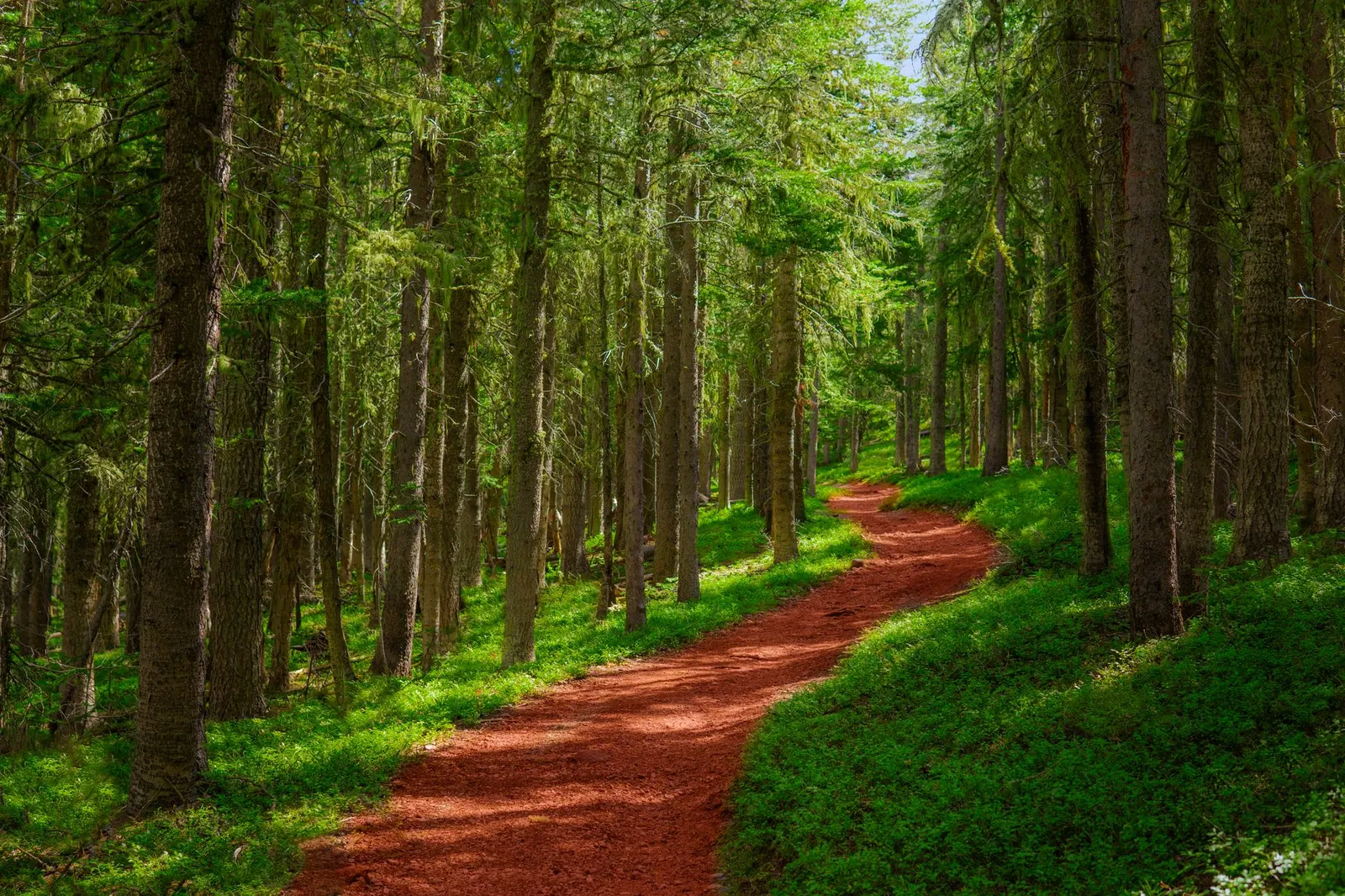
Arrive early—by 8am the trailhead is empty, frost still clinging to the pines, and the silence feels almost ceremonial. The trail climbs through switchbacks with layered canyon views opening below, snow muffling your footsteps until the lake appears, often half-frozen and perfectly still. This is winter solitude at its most rewarding: no crowds, no noise, just boots on packed snow and your own breath. Solo hikers should carry traction aids and tell someone your expected return time—this stretch is not patrolled regularly in winter.
The shift from canyon trail to lakeside village is immediate and welcome—Eagle Nest in winter is sleepy, wrapped in thin mountain air and framed by distant Colorado peaks. Walk the short village overlook for views east toward Baldy Mountain, where eagle calls sometimes drift down from the ridgeline. It's an easy, low-effort afternoon stop after the morning's exertion, perfect for warming up with something hot and watching the light shift over the lake.
Frost clings to every branch as you set out before the sun fully clears the ridge, switchbacks rising through hushed forest until the lake opens below, dark water edged in ice. There's a rawness to this kind of solitude—no other footprints in the snow, just the occasional crack of ice settling on the lake. It's demanding but deeply rewarding, the kind of morning that stays with you.
The drive northeast softens the terrain from canyon drama to open alpine calm, and Eagle Nest arrives like an exhale—small, quiet, wrapped in mountain light. Walking the village overlook, legs still warm from the morning's climb, there's a pleasant shift from exertion to reflection, the lake stretching out silver and still below Baldy Mountain.
Dinner closes the loop at the Laguna Vista Saloon, where the warmth of the room and the low hum of local conversation make solo dining feel entirely natural. It's a fitting last evening—red chile, tired legs, and the particular satisfaction of having seen this place at its quietest, most unguarded time of year.
Planning the nights, too?
Compare places to stay around Cimarron Canyon State Park (near Cimarron), or browse tours and tickets to slot between the stops above.
Itinara may earn a commission when you book through these links, at no extra cost to you.
Want to tweak this trip?
Our AI planner can customize this itinerary to your exact dates, interests, and travel style.
Customize This ItineraryRestaurant details (hours, menus, availability) change frequently, especially in small mountain towns during winter. Check current hours before visiting.
Dietary compatibility tags are general guidance. If you have severe allergies, confirm directly with the restaurant.
Travel tips are general guidance, not professional safety advice. Check government advisories and NMDOT road conditions before winter travel.
All prices are approximate and may vary seasonally.
Attractions in This Itinerary
More Itineraries for Cimarron Canyon State Park (near Cimarron)
Explore New Mexico