Pecos Valley (Pecos, Las Vegas NM), New Mexico
3-Day Itinerary for Solo Traveler
“Ruins, Rivers, and Silence: 3 Days Alone in the Pecos Valley”

High desert wind moves through 700-year-old pueblo walls here the same way it always has—unhurried, indifferent to your schedule. The Pecos Valley rewards solo travelers who slow down: three days of ruins, rivers, and ponderosa forest with almost no one else around to interrupt the quiet.
At a Glance
Highlights
- Walk the pueblo and mission ruins at Pecos National Historical Park before the tour buses arrive
- Trace the Pecos River through ponderosa pine on a trail built for solitude
- Drive into the Sangre de Cristo high country for alpine meadows and granite overlooks
- Find rare stillness at the remote Monastery of Christ in the Desert
- Step inside restored Spanish Colonial ranch life at Forked Lightning Ranch
- Spring wildflowers and mild temperatures across every outdoor stop
What do 3 days in Pecos Valley (Pecos, Las Vegas NM) look like for solo travelers?
7 stops across 3 days, about 15 hours of sightseeing in all. The rest is yours for long lunches and unplanned detours.
| Day | Stop | Area | Suggested time | Typical visit |
|---|---|---|---|---|
| Day 1 | Pecos National Historical Park (Forked Lightning Ranch) | Pecos Historic Core | 9:00 AM - 10:30 AM | 1 hr 30 min |
| Day 1 | Pecos River Trail | Pecos Historic Core | 11:00 AM - 1:00 PM | 2 hr |
| Day 1 | Forked Lightning Ranch Historic Site | Pecos Historic Core | 2:00 PM - 3:00 PM | 1 hr |
| Day 2 | Santa Fe National Forest | Santa Fe National Forest Loop | 8:30 AM - 12:00 PM | 3 hr 30 min |
| Day 2 | Monastery of Christ in the Desert | Santa Fe National Forest Loop | 1:00 PM - 4:00 PM | 3 hr |
| Day 3 | Pecos National Historical Park (Forked Lightning Ranch) | Pecos Historic Core | 8:00 AM - 10:00 AM | 2 hr |
| Day 3 | Pecos River Trail | Pecos Historic Core | 10:30 AM - 12:00 PM | 1 hr 30 min |
Each day opens as a route in Google Maps; the map file drops every stop into Google My Maps or an offline map app.
Day-by-Day Plan
Day 1: First Light on Ancient Ground
A gentle first day centered entirely in the Pecos Historic Core, with an easy walking loop through ruins and a quiet riverside stretch—roughly 3 miles total, low-to-moderate energy.
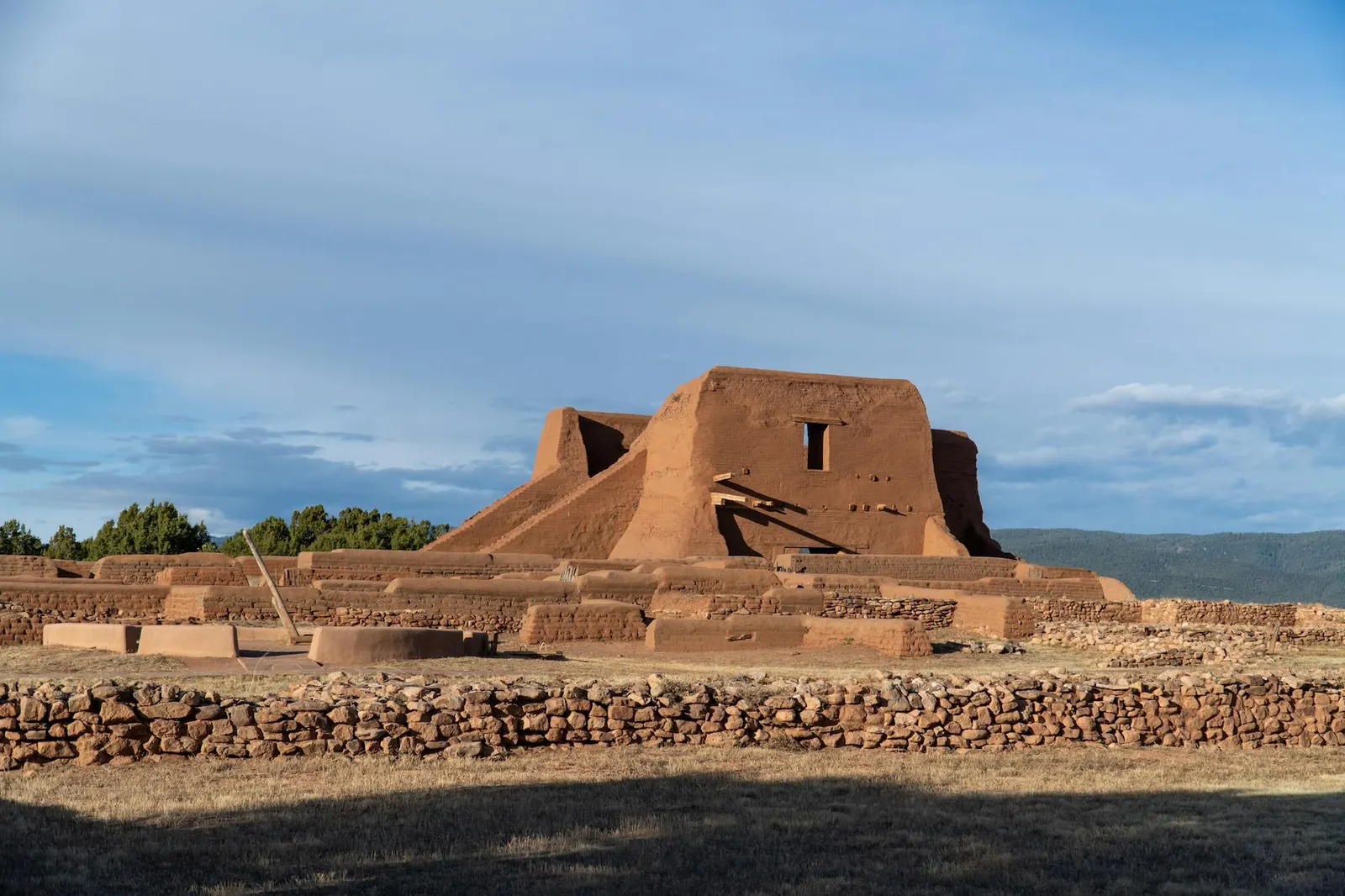
Arrive right at opening and the ruins are yours alone—desert wind carrying sage and juniper across crumbling adobe walls and geometric foundation grids that once held a thriving pueblo. The mission church facade catches soft morning light, and by 9am you'll likely have the overlook platform facing the Sangre de Cristo range entirely to yourself; by 11am small groups start arriving. Start at the visitor center for context, then walk the main loop slowly—there's no reason to rush a place that's stood for 700 years.
Cool mountain air and the murmur of the Pecos River over smooth stones replace the hush of the ruins with a different, livelier quiet. Dappled shade from ponderosa pines, the scent of sage after any recent rain, and a wildflower clearing around mile 1.5 make this an easy, restorative walk—ideal solo pacing since there's no need to match anyone's speed. Weekday mornings here are nearly silent; this is as good a stretch as you'll find for uninterrupted thinking.

Weathered adobe walls hold the afternoon's warmth as you step into restored Spanish Colonial ranch life—quiet except for wind through wooden vigas and the occasional creak of old timber. It's a gentler, more intimate stop after the open expanse of the morning, good for unhurried solo wandering through small rooms and courtyards. Crowds here are rare even in shoulder season, so take your time with the interpretive details.
The day opens slowly and deliberately—arrive at Pecos National Historical Park right as it opens and let the ruins settle in without competition from other visitors. The mission church and pueblo foundations ask for patience rather than speed, which suits a first day meant to ease into the valley's rhythm rather than rush it.
After the historical density of the morning, the pace shifts toward something more physical and meditative on the Pecos River Trail, where moving water and pine shade offer a different kind of quiet. The short hop to Forked Lightning Ranch closes the day with an intimate look at ranch-era life, low-key enough not to overload a still-adjusting first day.
With no mapped dining options directly tied to today's stops, plan your evening meal in Pecos village or nearby Las Vegas, NM rather than expecting anything at the trailhead or ranch site—options in the immediate area are limited, so consider asking your lodging host for a current recommendation. Most places close early here, so aim to eat by 6 or 7 PM and settle in for a restful first night.
Day 2: Into the High Country
A full day in the Santa Fe National Forest with a scenic drive and extended forest time—moderate energy, roughly 4-5 miles of walking across overlooks and short trail segments.
The forest opens up cool and resinous, pine scent sharp in the morning air and the sound of the Pecos River tumbling over stone somewhere just out of sight. Arrive early—by 8:30am the Panchuela Picnic Area overlooks and Jack's Creek Trail are close to empty, and the solitude here is a real gift for a solo traveler who wants to actually hear the forest. Expect moderate crowds to build by midday, especially on weekends, so the early hours are worth protecting.
Canyon walls glow rust and gold as the access road narrows, and the silence deepens until even your own footsteps on stone feel loud. This is about as quiet and contemplative as the Pecos Valley gets—distant bells marking monastic time, juniper and sage on the air, and almost no other visitors even on weekends. For a solo traveler, it's a rare chance for unhurried reflection; budget extra time if you want to simply sit with the stillness.

The day pushes further into the Sangre de Cristo high country, where the forest's scale and quiet ask for slower movement than the valley floor below. Early arrival at Panchuela Picnic Area and Jack's Creek Trail buys real solitude before midday crowds begin to gather.
The long forest road toward the Monastery of Christ in the Desert marks a deliberate shift in pace—no quick stop here, but a slow unwinding drive into canyon country followed by hours of genuine stillness. This is the most contemplative stretch of the whole itinerary, and it rewards patience over efficiency.
No mapped dining sits near the forest or monastery, so plan to eat once you're back in Pecos village or Las Vegas, NM rather than expecting services along the forest road—pack extra snacks and water for the long drive back, since options directly on this route are limited. Aim to be back in town before most kitchens close for the night.
Day 3: Return to the Ruins, Slower This Time
A lighter final day revisiting the Pecos Historic Core with deeper photography time and a slower pace—roughly 2-3 miles, low energy, built for closure.
A second visit here, slower and more photographic—arrive by 8am and the pueblo foundation grids sit in soft, raking light with almost no one else around. Without the pressure of a first impression, it's easier to notice details missed the first time: the texture of adobe, the specific angle where the mission church lines up against the mountains. This kind of quiet return visit is exactly the sort of thing solo travel makes easy.
One last walk along the river, shorter and unhurried, with the wildflower clearing near mile 1.5 likely in fuller spring bloom than earlier in the trip. The cool air and moving water make a fitting, calm close to the trip's outdoor time—there's no agenda here beyond noticing what's changed since the first walk.
The final day returns, deliberately, to where the trip began—Pecos National Historical Park in softer, slower light, with nowhere else to be. It's less about seeing new things than noticing what settled during two days of quiet.
A short final stretch along the Pecos River Trail closes out the outdoor portion of the trip gently, with spring wildflowers likely fuller than on Day 1—a quiet, unforced way to let the valley's pace carry you right up to departure.
With travel plans likely occupying the rest of the day, plan any final meal in Pecos village or Las Vegas, NM on your way out rather than near the trail itself—dining options directly at these outdoor stops remain limited, so build in time to find something in town before hitting the road.
Planning the nights, too?
Compare places to stay around Pecos Valley (Pecos, Las Vegas NM), or browse tours and tickets to slot between the stops above.
Itinara may earn a commission when you book through these links, at no extra cost to you.
Want to tweak this trip?
Our AI planner can customize this itinerary to your exact dates, interests, and travel style.
Customize This ItineraryRestaurant details (hours, menus, availability) change frequently. Check current hours before visiting, especially in seasonal destinations.
Dietary compatibility tags are general guidance. If you have severe allergies, confirm directly with the restaurant.
Travel tips are general guidance, not professional safety advice. Check government advisories for latest information.
All prices are approximate and may vary seasonally.
Attractions in This Itinerary
More Itineraries for Pecos Valley (Pecos, Las Vegas NM)
Explore New Mexico