2 DaysSolo Traveler4 Stops

White Sands NP (evening/early morning), New Mexico

2-Day Itinerary for Solo Traveler

ā€œGypsum and Gold: A Solo Traveler's Two Days at White Sandsā€

Gypsum and Gold: A Solo Traveler's Two Days at White Sands

The dunes here don't look like sand so much as frozen light — gypsum so white it seems to hum under the New Mexico sky. Come alone and the silence becomes the whole point: no one to talk over the wind, no one to rush you off a ridge as the sun drops into rose and amber.

At a Glance

Climate & Weather
Spring in the Tularosa Basin swings between warm, breezy afternoons and genuinely cool mornings and evenings — expect highs in the 70s°F and lows that can dip into the 40s°F. Wildflowers dot the desert scrub, but so can sudden wind gusts and the occasional passing shower. Pack layers: a light jacket for dawn and dusk, sun protection (hat, sunglasses, high-SPF sunscreen) for midday, and a compact rain shell just in case.
Getting Around
A personal vehicle is essential — there's no public transit into or within the park. Dune Drive, the paved scenic road, connects all major trailheads and picnic areas; plan on 20-30 minutes of driving between clusters. Roads are well-maintained and easy to self-navigate.
Budget
Budget roughly $50-75/day for a solo traveler — this covers the park entrance fee, two to three casual meals in Alamogordo, and incidental snacks or water. Lodging is separate and varies by choice of base.
Safety
White Sands is low-crime and generally very safe for solo travelers, but the landscape itself is the main hazard — dunes look alike in every direction, and it's easy to lose your bearings, especially at dusk. Stay on marked trails or posted trail markers, tell someone your planned route and return time, carry more water than you think you need, and download offline maps since cell service is unreliable once you're deep in the dune field.
Connectivity
Cell service is spotty to nonexistent inside the park, particularly around the Alkali Flat and Playa Trail areas; Alamogordo has reliable coverage and WiFi at most cafes and lodging. Download maps, park info, and any offline entertainment before you leave town.
Local Tips
Arrive at the entrance gate right at opening to claim empty trails and soft morning light before tour groups and families arrive by mid-morning. Check the park's sunset schedule online — rangers post exact closing times tied to sunset, and the gate closes promptly. If you're craving conversation, the visitor center and picnic areas are where solo travelers naturally strike up chats with fellow photographers and hikers waiting for the same light.

Highlights

  • Sunset Strolls across gypsum dunes turning gold and pink at golden hour
  • Sunrise solitude on the Dune Life Nature Trail before the crowds arrive
  • Panoramic stillness at Heart of Sands Picnic Area Viewpoint
  • A moderate desert trek on the remote Alkali Flat Trail
  • Star-bright desert nights and cool spring mornings
  • New Mexican comfort food in nearby Alamogordo
  • Genuine solo-travel pacing with built-in rest and reflection

Day-by-Day Plan

Orientation & Sunset

Day 1: Arrival and the Slow Walk Into Golden Hour

A gentle arrival day easing into the park via its most accessible dunes before closing with an unhurried sunset at the park's signature golden-hour zone; roughly 2.5 miles of walking, low-to-moderate energy.

Wear
Light layers — a t-shirt with a packable jacket for the evening chill, sturdy closed-toe shoes for sand, sunglasses, and a hat for the still-strong afternoon sun.
Budget
$45-60 (park entrance fee, dinner in Alamogordo, snacks/water)
3:30 PM - 4:30 PM
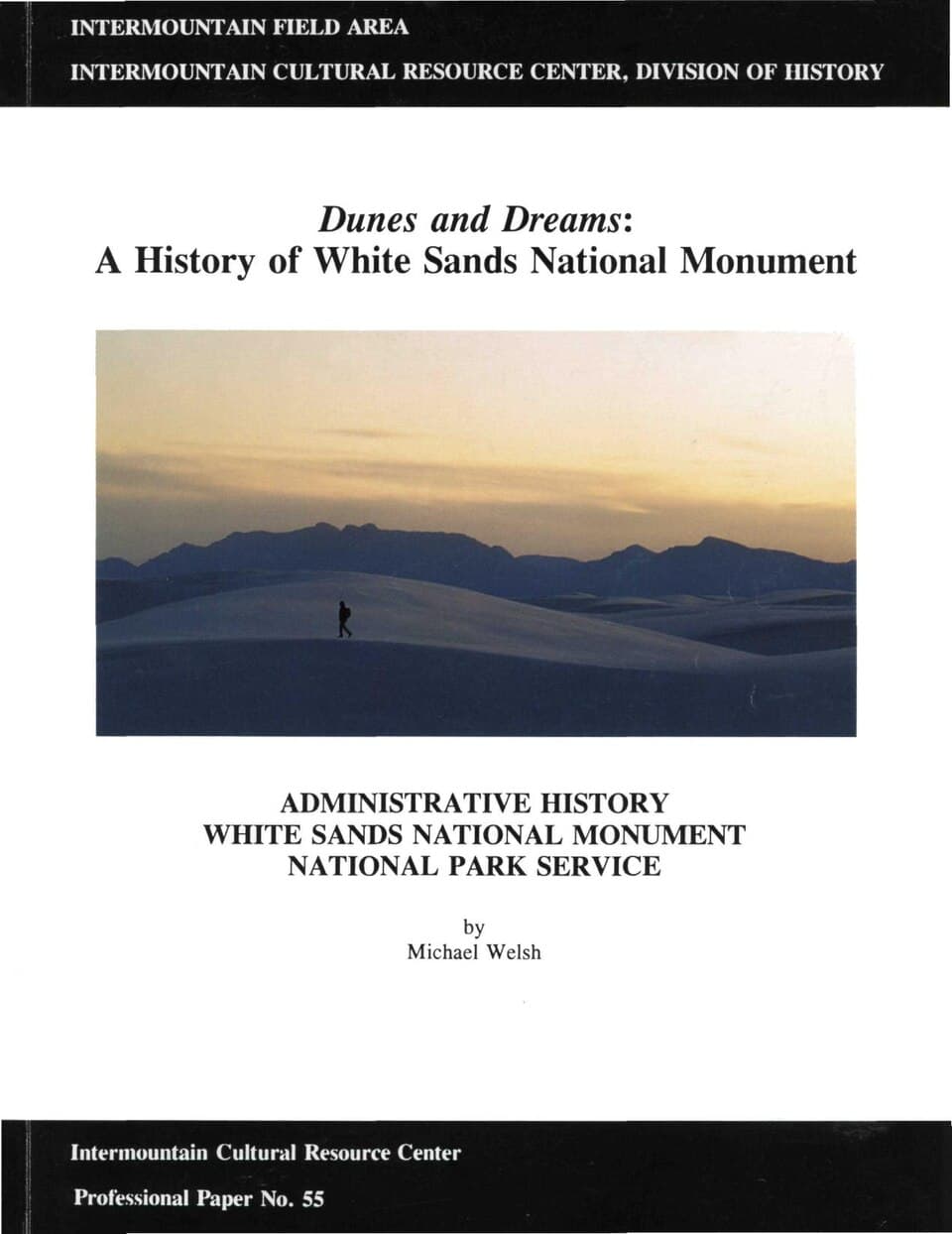
Dune Life Nature Trail Ā· afternoon Ā· 60 min Ā· Dune Life Nature Trail & Interdune

This is the softest possible introduction to White Sands — a looping boardwalk-and-trail path where the gypsum first reveals itself in manageable, human-scale doses. The sand crunches with a strange, almost squeaky softness underfoot, and interpretive signs explain how yucca and skunkbush cling to life in dunes that shift every year. Arriving mid-afternoon after a drive gives you time to adjust before the golden hour crowds arrive elsewhere in the park.

Dune Life Nature Trail
Michael Welch National Park Service / wikimedia (Public domain)
Low-angle light on the rippled sand patterns works best after 4pm; aim your camera west for warm tones without full glare.
Trail is soft sand in sections and not wheelchair accessible; sturdy shoes recommended.
15 min drive — A short hop along Dune Drive, the pavement giving way to glimpses of dune fields through the windows on both sides.
5:15 PM - 6:45 PM
Sunset Strolls Ā· evening Ā· 90 min Ā· Sunset Viewing Zone

This is the moment the whole trip is built around: the sun drops toward the San Andres Mountains and the dunes ignite in gold, then amber, then a deep rose that seems to come from inside the sand itself. Walk out from the parking pullouts onto the open dune field — there's no strict trail here, just wide, walkable ridges — and find a crest to sit on as the light shifts minute by minute. Solo travelers often find this the easiest place in the park to strike up a quiet conversation with fellow photographers waiting shoulder to shoulder for the same shot.

Sunset Strolls
Grove, Stephen Ed. [from old catalog] / wikimedia (Public domain)
Position yourself on a high dune crest facing west about 20 minutes before actual sunset for the best silhouette and color gradient.
Flat, wheelchair-accessible path to the viewing area, with sparse benches along the way.
Optional detour: Playa Trail — After Dune Life Nature Trail and before Sunset Strolls
A longer, more immersive walk across a genuine dry lakebed with fewer people and a stronger sense of scale. Skip if: At 90 minutes it may crowd your schedule before sunset — better suited to day 2 if you want more trail time.
If it rains: If rain moves in, retreat to the White Sands Visitor Center for exhibits on the gypsum dune ecosystem, or simply drive the paved Dune Drive loop from the comfort of your car, watching the storm light play over the dunes through the windshield.

Day one is about arrival, not ambition — expect most of the day spent traveling in from El Paso, Las Cruces, or Albuquerque, checking into your base in Alamogordo or near the park entrance, and settling into the rhythm of the desert.

By mid-afternoon, once the heat has softened slightly, head into the park for the Dune Life Nature Trail — an easy, low-commitment walk that lets your eyes and body adjust to the brightness and scale of the gypsum before the main event.

As the sun begins its descent, move to the Sunset Viewing Zone for the Sunset Strolls experience: the true reason people fall for this place. Afterward, drive back into Alamogordo for a hearty New Mexican dinner — red or green chile on nearly everything — and an early night, since day two starts before dawn.

Solitude & Scale

Day 2: Sunrise Silence and the Long Walk to the Basin's Edge

An early-rising day pairing a hushed sunrise viewpoint with a more demanding desert trail deeper into the park, covering roughly 4 miles at a moderate pace.

Wear
Warm layers for pre-dawn cold that you'll shed by mid-morning, moisture-wicking layers underneath, closed hiking shoes with good tread for loose sand, and a refillable water bottle — bring more water than feels necessary.
Budget
$40-55 (breakfast/lunch in Alamogordo, snacks, water, park fee if not already paid)
20 min drive — A near-empty road in the pre-dawn dark, headlights catching pale dune silhouettes on either side.
6:00 AM - 6:45 AM
Heart of Sands Picnic Area Viewpoint Ā· morning Ā· 45 min Ā· Sunset Viewing Zone

Arrive before the gate traffic builds and the desert still holds its nighttime hush — this viewpoint at dawn is one of the quietest, most reverential spots in the entire park. Cobalt sky gives way to soft pink light spilling across the dune peaks, and the wind carries a mineral-clean scent that only exists in these first hours. Frequent benches make this an easy, low-effort start for a solo traveler still shaking off sleep.
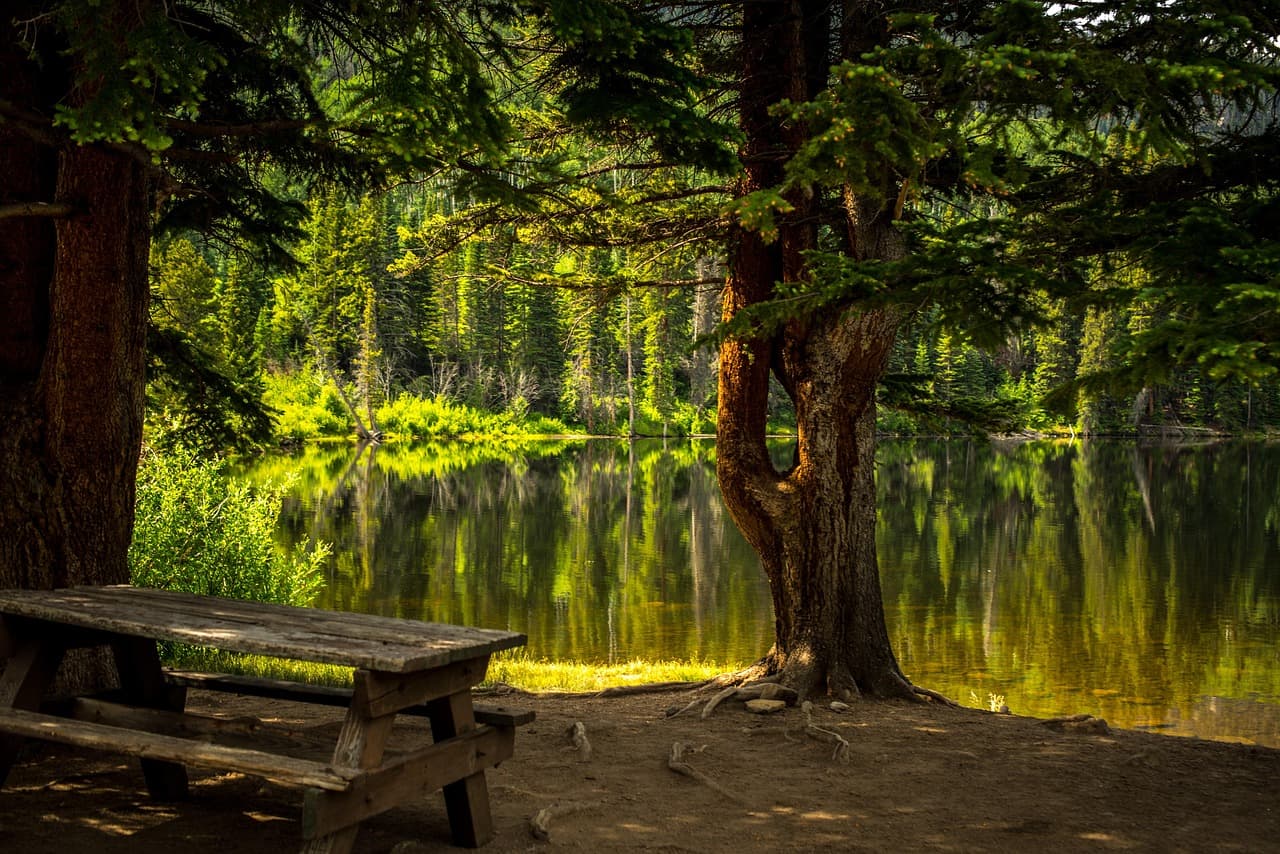
Heart of Sands Picnic Area Viewpoint
Photo by Pexels on Pixabay
Shoot from the center viewpoint platform for a 360-degree panorama just as the sun clears the horizon — the light changes fast, so don't linger too long composing one shot.
Flat, wheelchair-accessible path with frequent benches — one of the most accessible viewpoints in the park.
15 min drive — A quick backtrack along Dune Drive toward the trailhead, morning light now fully up and dunes glowing bright white.
8:00 AM - 9:30 AM
Alkali Flat Trail Ā· midday Ā· 90 min Ā· Alkali Flat Trail & Tularosa Basin

This is the park's more adventurous side — a moderate trail that pushes into the western dune field, trading the intimacy of the earlier stops for sheer, open expanse. Trail markers guide you across wind-carved ridges toward views of the Tularosa Basin stretching to the horizon; the silence out here is deeper, broken only by your own footsteps and the occasional whisper of shifting gypsum. Starting by 8am beats the heat and the thin midday crowd that builds by 10am.

Alkali Flat Trail
Yellowstone Conservation District United States. Soil Conservation Service / wikimedia (Public domain)
The Alkali Flat basin looking west is stunning at golden hour, but for a morning visit, aim for long shadows along the wind-carved ridge about an hour after sunrise.
Not wheelchair accessible; soft sand and no maintained surface — sturdy footwear essential, and stick to marked trail posts to avoid disorientation.
Optional detour: Dune Life Nature Trail — After Heart of Sands Picnic Area Viewpoint and before Alkali Flat Trail
If you skipped it on day one, this is a gentler bridge between the calm viewpoint and the more demanding Alkali Flat hike. Skip if: Doing two dune trails back to back risks fatigue before the harder trail — better to skip if energy is limited.
If it rains: If rain arrives, the Alkali Flat Trail should be avoided entirely (it turns slick and disorienting) — instead spend the morning at the Visitor Center or drive the paved Dune Drive loop, watching storm clouds roll over the basin from the safety of the car.

Set an early alarm: the reward is a nearly empty Heart of Sands Picnic Area Viewpoint at first light, when the dunes turn a soft, almost impossible pink before the day's heat sets in.

By mid-morning, shift into the Alkali Flat Trail for a longer, more physically engaging walk into the basin's open reaches — this is the moment to feel the true scale of White Sands, with fewer people and a wider horizon than anywhere else in the park.

Head back into Alamogordo by early afternoon to rest, refuel with more of the region's chile-laden comfort food, and spend a quiet final evening reviewing photos or simply sitting with the memory of two days spent in one of the most otherworldly landscapes in the country.

Want to tweak this trip?

Our AI planner can customize this itinerary to your exact dates, interests, and travel style.

Customize This Itinerary
Good to Know

Restaurant details (hours, menus, availability) change frequently. Check current hours before visiting, especially in seasonal destinations.

Dietary compatibility tags are general guidance. If you have severe allergies, confirm directly with the restaurant.

Travel tips are general guidance, not professional safety advice. Check government advisories for latest information.

All prices are approximate and may vary seasonally.
We use cookies to improve your experience and analyze site usage. Essential cookies are always active. You can customize your preferences or accept all cookies. Cookie Policy