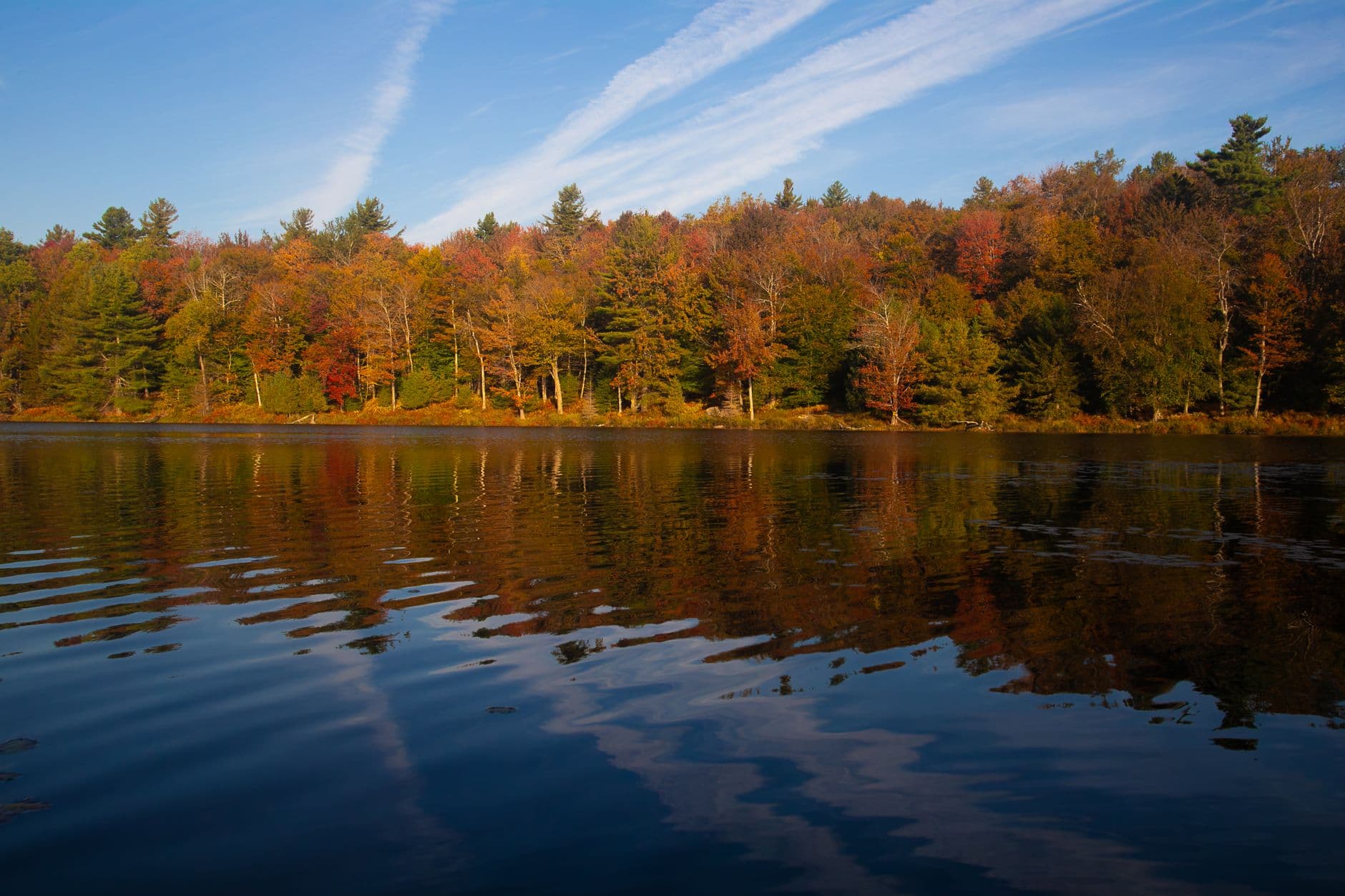
Fire Island (off-season), New York
4-Day Itinerary for Solo Traveler
“Salt, Silence, and Sunken Light: 4 Days Alone on Fire Island”

Off-season, Fire Island strips down to its essence: wind-scoured dunes, a lighthouse beam cutting through gray Atlantic air, and a forest so still you can hear your own footsteps on the boardwalk. This is not a trip for crowds or nightlife — it's four days to walk slowly, think clearly, and let the ocean do most of the talking.
At a Glance
Highlights
- Climb the Fire Island Lighthouse with almost no one else on the stairs
- Walk the boardwalk into the Sunken Forest's gnarled, wind-sculpted canopy
- Watch the light gallery glow at sunset over Great South Bay
- Total solitude on beaches that hold thousands in July
- Slow ferry crossings that feel like a decompression chamber from city life
- A contemplative, unhurried pace built for reflection, not ticking boxes
Day-by-Day Plan
Day 1: Arrival & the Long Exhale
A light arrival day with one gentle outdoor stop, roughly 2 miles of walking, low cognitive load to let the ferry crossing and island quiet settle in.
After the ferry crossing, let the lighthouse be your first orientation point rather than a full deep-dive — walk the dune path toward it as salt spray hits your face and the Atlantic crashes rhythmically below. Off-season, you'll likely have the grounds nearly to yourself; save the full climb and museum exploration for a clearer-headed day later in the trip if you're tired from travel, or take it slow today since there's no rush. The 360° view from ground level alone, framed by dune grass and gray winter sky, is worth the walk.
Morning is largely consumed by the journey itself — the drive or train to Sayville or Bay Shore, then the ferry crossing across Great South Bay. Off-season boats run less frequently, so check the schedule the night before and arrive with time to spare; there's a particular pleasure in watching the mainland recede and the low, wild silhouette of the island rise ahead.
Once you've settled into your lodging, head toward the Fire Island Lighthouse for a gentle first taste of the landscape rather than a full exploration — this is about orientation, not ambition. Walk slowly, breathe the salt air, and let your shoulders drop from travel tension. The point is stark and beautiful even in overcast light, and near-total solitude off-season makes it feel like the whole headland belongs to you.
With options limited off-season, plan a simple dinner before dusk — many places close early, some as soon as 6 PM — and spend the rest of the evening settling into your rental or inn. This is a night for an early bedtime; let the sound of wind and surf outside your window do the work of resetting your internal clock.
Day 2: Into the Sunken Forest
A moderate day centered on the Sunken Forest boardwalk, roughly 2.5–3 miles of walking at an unhurried pace with ample photography time.
Arrive by 9am and the boardwalk into the Sunken Forest is yours alone — no footsteps ahead, no voices behind, just the susurrus of wind through gnarled, wind-tortured holly trees that have been sculpted low and twisted by centuries of ocean gusts. The air smells of leaf mold and salt spray, and the canopy overhead filters gray sky into a strange, cathedral-like light. This is the kind of place solo travelers often describe as meditative — take the full two hours, sit on the boardwalk if benches allow, and let the forest's stillness settle into you.

Start early and walk toward the Sunken Forest while the island is still asleep — off-season, this stretch of boardwalk sees almost no one, and the maritime holly forest takes on an otherworldly quality in the gray morning light. Move slowly through the twisted canopy, listening to the constant hush of wind and distant surf, and give yourself permission to simply sit for a while partway through.
After the forest, the pace opens up — with limited dining options this deep into off-season, plan lunch around whatever is available near the village rather than expecting much variety, and treat the afternoon as unstructured time. This is a good stretch to journal, read, or simply walk the shoreline near your lodging without an agenda; solo travel rewards this kind of slack built into the day.
Seek out dinner early, before the limited off-season kitchens close, and treat the evening as another slow wind-down — the island's tight-knit, quiet character makes even a simple bar seat or communal table a chance for a low-key conversation with another off-season traveler or local, if you're inclined.
Day 3: Lighthouse Light, Full Immersion
A fuller day returning to the lighthouse point for the complete climb and museum, with roughly 3 miles of walking and a sunset-focused finish.
Arrive by 8am for the full experience while the point is still empty — climb the spiral iron stairs slowly, feeling them creak underfoot, and take in the Fresnel lens glinting faintly even under overcast skies. At the top, the 360° panorama of Atlantic, bay, and wild dune coast is unobstructed and, off-season, entirely silent except for wind. By mid-morning a few more visitors may trickle in, but you'll have had the gallery essentially to yourself.
Return to the lighthouse grounds — not necessarily the climb again, but the surrounding point — as the light shifts toward evening. The gallery catches a warm glow against Great South Bay even under spring's changeable skies, and standing at ground level watching that beam begin its nightly sweep feels like witnessing something genuinely old and steady in a world that otherwise feels uncertain.
Get to the lighthouse early — by 8am you'll likely be the only person on the stairs, climbing past salt-crusted iron rails into a wind that sharpens with every landing. At the top, the sheer scale of open Atlantic against the thin ribbon of island below puts the whole trip into perspective; give yourself real time here rather than rushing back down.
With the morning's big exertion behind you, ease into an unstructured afternoon — walk the beach near the point, rest, or simply sit somewhere sheltered from wind and watch the water. Off-season Fire Island rewards this kind of doing-nothing; there's no itinerary pressure here, only the tide and the light changing slowly.
As the sky begins to shift toward evening, walk back to the lighthouse grounds one more time to watch the beam begin its nightly sweep over darkening water — a quietly moving moment to end a solo day. Follow with an early dinner wherever off-season hours allow, since most kitchens close well before 8 PM.
Day 4: Last Walks, Slow Departure
A light final day blending a return visit to a favorite cluster with unstructured beach time before the ferry, roughly 2 miles of easy walking.
Return once more to the Sunken Forest for a shorter, more reflective walk — knowing the boardwalk now, you can move without needing to stop constantly for photos, simply noticing how the gnarled canopy and salt-mist air feel different on a final morning. Off-season quiet means you'll likely encounter no one else, a fitting last solitary moment before rejoining the mainland's noise.
Spend a final unhurried hour in the Sunken Forest, letting its quiet close out the trip the way it opened the middle of it — a bookend of stillness. There's no need to rush; off-season ferries are infrequent but predictable, so build in buffer time rather than cutting it close.
Use the remaining time before your ferry for a slow walk along the beach or dunes near your lodging, gathering final impressions of the wind, the light, and the particular hush that makes off-season Fire Island so different from its summer self. Pack up with time to spare — missing a reduced-schedule ferry off-season can mean a long wait for the next one.
Depending on ferry timing, evening may simply be the crossing itself — watching the island recede into gray dusk, the lighthouse beam still sweeping faintly behind you. It's a quiet, fitting close to a trip built entirely around solitude and slow attention.
Want to tweak this trip?
Our AI planner can customize this itinerary to your exact dates, interests, and travel style.
Customize This ItineraryRestaurant and business hours change frequently in off-season Fire Island, and many establishments close entirely between November and April. Confirm current availability before finalizing plans.
Dietary compatibility tags are general guidance. If you have severe allergies, confirm directly with the restaurant or venue before ordering.
Travel tips are general guidance, not professional safety advice. Check ferry schedules, weather forecasts, and government advisories for the latest information before and during travel.
All prices are approximate and may vary seasonally, especially for off-season ferry fares and limited dining options.