Hocking Hills, Ohio
4-Day Itinerary for Solo Traveler
“Stone, Ice, and Solitude: 4 Days Alone in Hocking Hills”
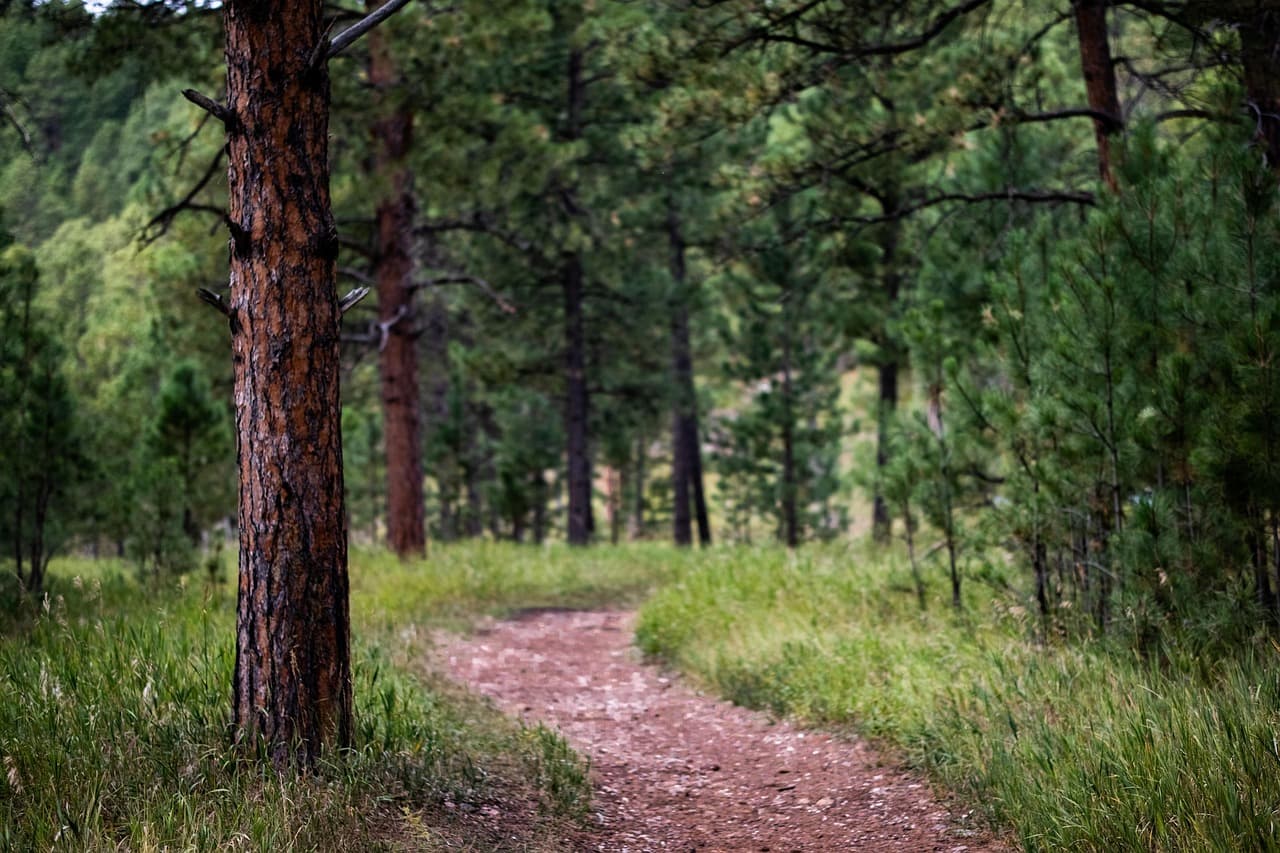
In winter, Hocking Hills empties out and turns inward — icicles hang frozen mid-drip off sandstone overhangs, your boots are often the first to break trail, and the gorges echo with nothing but your own breathing. This is a trip for travelers who want the Appalachian foothills stripped down to bare rock, cold water, and long, unhurried silence.
At a Glance
Highlights
- Frozen mist clinging to Cedar Falls at first light
- Standing alone under Ash Cave's 90-foot recess with no one else in sight
- Ice-glazed steps and hemlock groves hushed under snow
- Slow mornings with coffee before the trails wake up
- Small-town Logan diners where solo travelers strike up conversation
- Conkle's Hollow's cliff-lined gorge in stark winter quiet
- A pace built for reflection, not rushing
Day-by-Day Plan
Day 1: Settling In at the Edge of the Gorge
A gentle half-day easing into the region with one moderate hike and an early dinner, covering roughly 1.5 miles on mostly flat-to-moderate terrain.
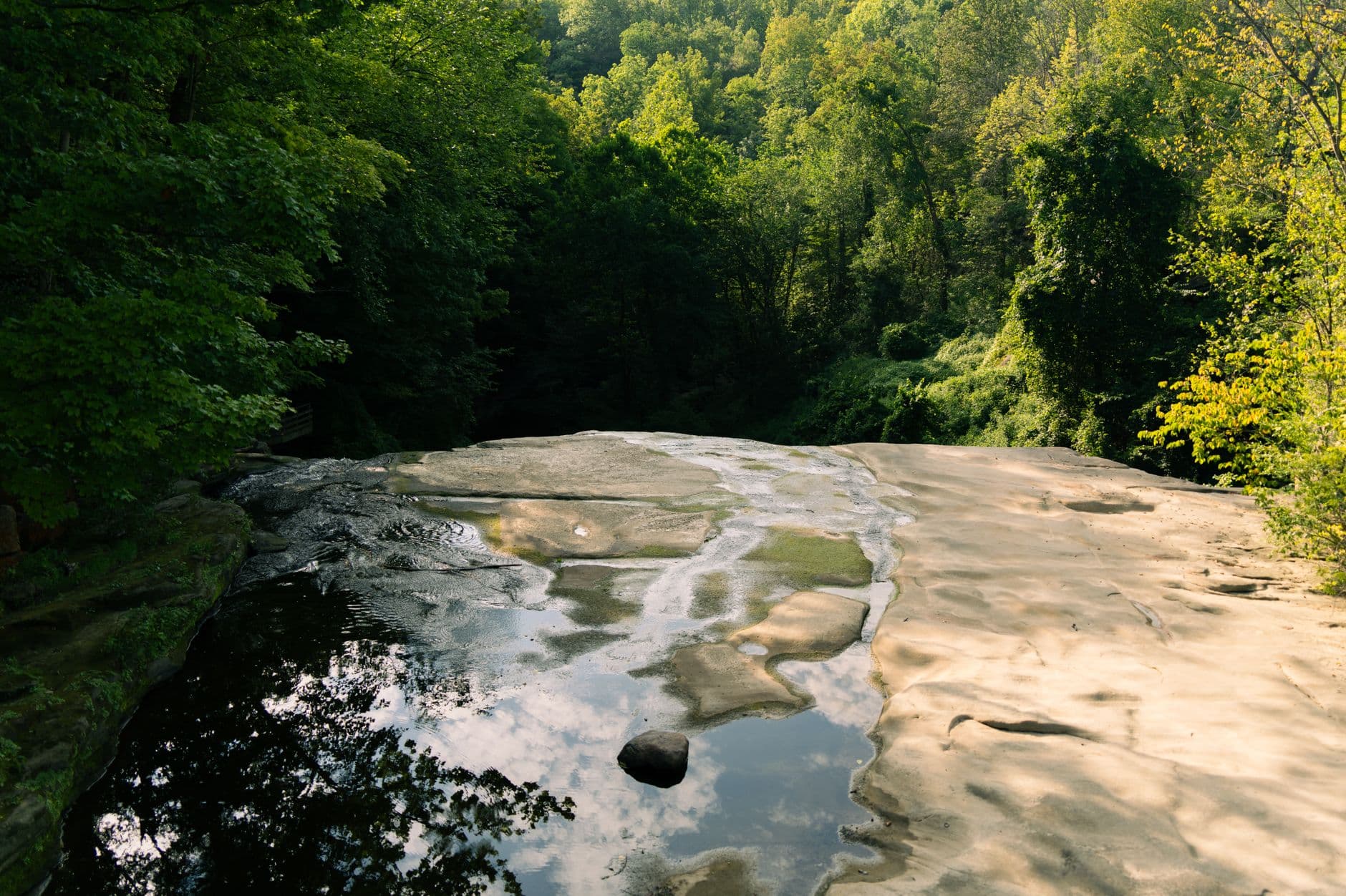
Ease into the region with a shorter visit here rather than the full loop — the trail down to Cedar Falls is short but the payoff is immediate: a curtain of water dropping into a jade-dark pool, hemlocks frosted white overhead, and in winter, often not another soul in sight. Go slow on the descent; the rock is naturally damp and can be slick even without ice. This is your low-key welcome to the landscape, not the day's main event.
Travel day — settle into your lodging, whether that's a walkable base in downtown Logan or a cabin near the park periphery, and take time to reorient after the drive. There's no pressure to rush into the trails yet; winter days are short, and this is the moment to slow your nervous system down to the pace this place runs on.
A short, easy visit to Cedar Falls eases you into the region's rhythm without overexertion — cold air, quiet water, and the first real taste of the sandstone gorges. Keep the visit brief and unhurried; this is about orientation, not achievement.
Head back into town early, since most local restaurants wind down by 9 PM in winter. Grab an early dinner, review tomorrow's trail conditions and weather, and get to bed at a reasonable hour — tomorrow's the big hiking day and you'll want the early start.
Day 2: Full Immersion: Old Man's Cave & Cedar Falls
A full day dedicated to the Old Man's Cave and Cedar Falls trail network, covering approximately 3–4 miles of moderate terrain with real elevation change.
Arrive by 7:30 AM and the gorge is yours — no footprints on the trail yet, no voices bouncing off the walls, just the cold mineral smell of wet stone and the roar of the falls growing louder as you descend. In winter, ice sometimes rims the pool while the center current still runs, an odd and beautiful contrast worth sitting with for a while before moving on. This is prime solo-travel territory: nobody to coordinate with, no rushing, just you and the cascade.
Start early and dedicate the morning fully to Cedar Falls — this is the heart of the Old Man's Cave loop, and in winter its cold, dripping stillness feels almost sacred. Move slowly on the descent, pause often, and let the solitude do its work; this is a day built around presence rather than mileage.
After the morning hike, warm up somewhere indoors before deciding whether to add a short second stop — energy levels and trail conditions should guide that call. Otherwise, use the afternoon to rest your legs, dry out gear, and explore Logan's downtown at an easy walking pace.
Wind down with an early dinner in town — most kitchens close by 9 PM here — and consider a spot with bar seating or a communal table where solo travelers naturally strike up conversation with locals or fellow hikers comparing trail notes from the day.
Day 3: Cliffs and Recesses: Ash Cave & Conkle's Hollow
A full day exploring the western cluster's dramatic cave and cliff-lined gorge, covering roughly 3 miles of moderate terrain.
Arrive by 8 AM and you'll likely have this 90-foot recess entirely to yourself — a rare thing for one of the park's most photographed spots. The cave's cathedral scale feels even more dramatic in winter, when icicles sometimes form along the dripline and your voice carries strangely in the cold, still air. Take your time here; the approach trail is short and mostly flat, making this one of the more forgiving hikes in the region even with a little ice underfoot.
After the open recess of Ash Cave, this narrow, cliff-walled gorge feels like a total change of register — tighter, quieter, and in winter often edged with frozen seep-ice clinging to the rock face. The rim trail offers dramatic overlooks if you want elevation and views; the gorge floor trail keeps you close to the cliffs and the cold, mineral hush of the canyon. Either way, this pairs naturally with Ash Cave without backtracking or zigzagging across the region.
Give the morning fully to Ash Cave — arrive early, stand under the recess in near-total solitude, and let the scale of the place sink in without anyone else's voices competing with the drip of icy water. It's one of the gentler hikes in the region, which makes it a good anchor for a solo traveler easing into a second consecutive hiking day.
Move on to Conkle's Hollow by late morning, trading Ash Cave's open cathedral for a tighter, cliff-lined gorge — a deliberate contrast in scale and mood so the day doesn't feel repetitive. By early afternoon, head back toward town to warm up and rest legs before evening.
Another early dinner is the move here — look for a spot with bar seating or shared tables, since striking up a conversation with a bartender or fellow traveler is often the easiest social touchpoint on a solo trip through a quiet region like this. Turn in early; the cold and the miles add up faster than they seem to in the moment.
Day 4: Slow Morning, Soft Departure
A light final day with one short return visit and unhurried time before departure, covering under a mile of easy walking.
A final, short return to the falls before heading out — no agenda beyond standing at the pool's edge one more time and letting the cold mist settle the trip in your memory. Winter mornings here have a particular clarity, low sun cutting sideways through bare branches, the water sounding louder than it did the first time simply because you know what's coming next. Keep it brief; this is a farewell stop, not another full hike.
Keep it simple: a short, unhurried return to Cedar Falls to say goodbye to the landscape before the drive home, followed by a relaxed breakfast in town. There's no need to pack in more hiking — this day is about closure, not accumulation.
Use the remaining time before departure to settle up at your lodging, grab any last coffee or snacks for the road, and begin the drive back toward Columbus or your onward route, watching the sandstone hills recede in the rearview.
Likely spent in transit or arriving home — if timing allows a last meal nearby before hitting the road, keep it easy and quick rather than another sit-down affair; the trip's emotional high point was already the quiet mornings in the gorges.
Want to tweak this trip?
Our AI planner can customize this itinerary to your exact dates, interests, and travel style.
Customize This ItineraryRestaurant details (hours, menus, availability) change frequently, especially in seasonal small-town destinations. Check current hours before visiting.
Dietary compatibility tags are general guidance. If you have severe allergies, confirm directly with the restaurant.
Travel tips are general guidance, not professional safety advice. Trail conditions change quickly in winter — check park alerts and weather before heading out, and let someone know your planned route as a solo hiker.
All prices are approximate and may vary seasonally.