Wichita Mountains NWR, Oklahoma
3-Day Itinerary for Solo Traveler
“Granite, Grass, and Solitude: 3 Days in the Wichita Mountains”
Granite domes rise out of the prairie like something left behind by an older world, and in the hush of a summer dawn, with bison silhouetted against gold grass, you can feel how far this refuge sits from the rest of Oklahoma. This is a trip built for quiet mornings, long views, and the particular pleasure of exploring alone.
At a Glance
Highlights
- Sunrise summit views from Oklahoma's highest point
- Walking distance from grazing bison on the open prairie
- Granite monoliths mirrored in Quanah Parker Lake
- The otherworldly stone spires of Holy City
- Golden-hour light on 500-million-year-old rock faces
- Wide-open solitude rare in a summer national park
Day-by-Day Plan
Day 1: First Light on the Prairie
A gentle orientation day covering roughly 3 miles of easy-to-moderate walking, pairing an early summit drive with a relaxed prairie walk and an indoor visitor center stop to settle in.
Arrive while the air is still cool and the light is low and golden — by 6:30am you'll likely have the summit road nearly to yourself. The paved three-mile ascent rewards you with a 360-degree panorama of sagebrush flats fading into the horizon, a perfect, quiet way to get your bearings on day one without overexerting yourself after travel.
Step into cool, air-conditioned calm after the summit and let the exhibits fill in the refuge's conservation story — geology, bison history, and ranger-led tips on where wildlife has been spotted recently. It's an easy, low-energy stop to ease into the trip and a good place to strike up conversation with rangers or fellow solo travelers planning their day.
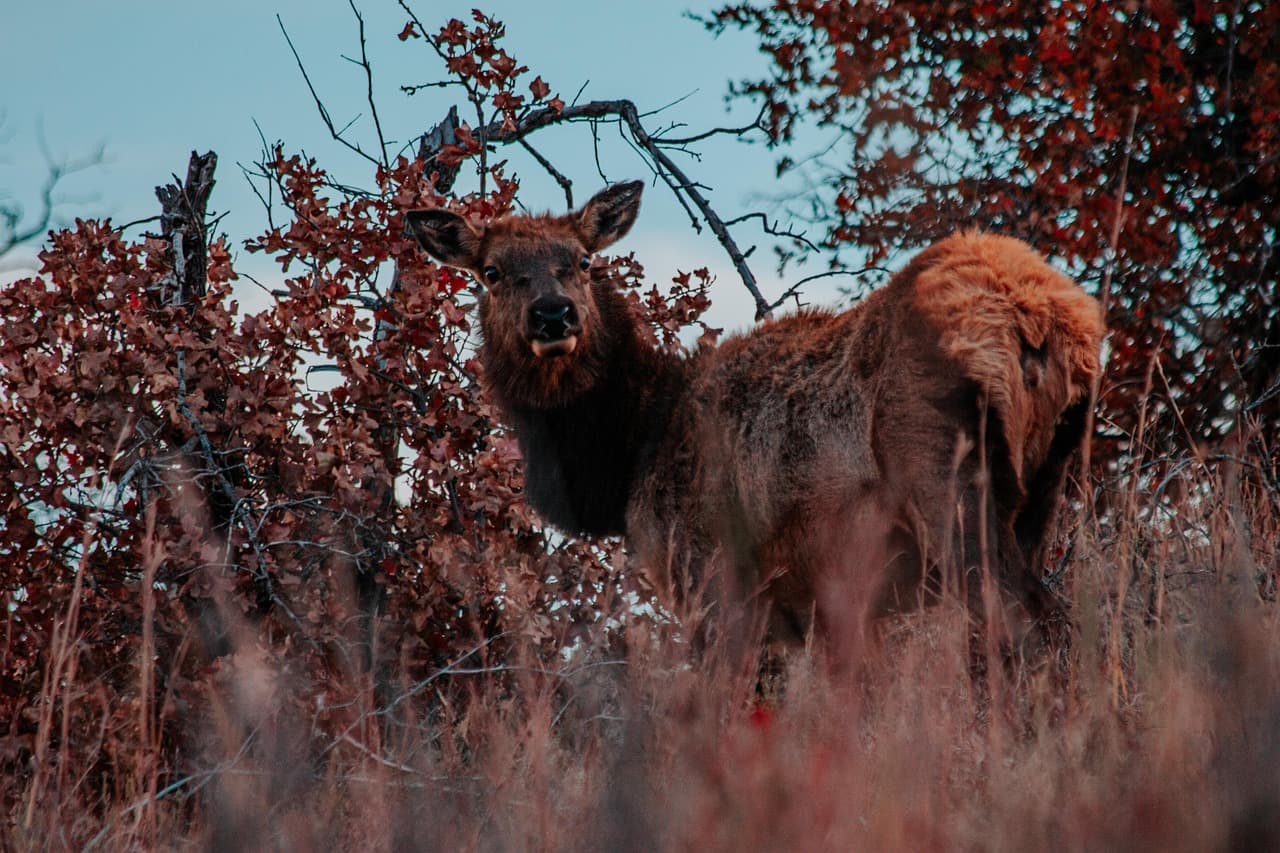
Walk the open grassland where dark shapes of bison dot the gold expanse, the wind carrying the smell of sun-warmed earth. It's flat, easy walking — ideal for a relaxed first-day pace — and the wide-open solitude here is some of the best in the refuge for a solo traveler seeking quiet reflection.

Day one starts gently, with a pre-dawn drive up Mount Scott while the refuge is still hushed and cool. The summit delivers an immediate payoff: endless prairie views stretching to the horizon, the kind of panorama that makes the whole trip feel real before 8am. From there, the visitor center offers a low-key, air-conditioned pause to learn the lay of the land.
By mid-morning, head to the Bison Prairie Trail while temperatures are still bearable. The flat terrain and wide horizons make for easy, meditative walking — ideal after an early wake-up and a long travel day. Watch for bison grazing at a respectful distance, and let the pace stay unhurried.
With no dining facilities inside the refuge, plan to eat lunch before you arrive or pack a picnic, and head back toward Lawton or Meers by early evening for dinner and rest — settling into your lodging and letting the first day's heat and travel fatigue fade before a more active day two.
Day 2: Granite Summits and Open Sky
The most active day of the trip, covering roughly 4-5 miles across moderate terrain with an early-morning focus on Mount Scott's eastern ridges before the heat builds.
Return at first light for a different experience than day one — this time with more time to linger at the summit outcrop, watch the sunrise fully unfold, and photograph the hairpin turns and distant silhouettes before the heat and crowds arrive. Arriving by 6am means you'll likely share the summit with no one but the wind.
A second pass through the prairie, this time with sharper morning light and likely different bison positioning than the day before — herds move, and no two visits look the same. The quiet trail offers another meditative stretch before the day's heat intensifies, and it's a good spot to pause, journal, or simply sit with the landscape.
Day two pushes further into the Mount Scott & Eastern Ridges cluster with an earlier, longer summit visit — this time with room to breathe, shoot photos, and simply take in Oklahoma's highest point without rushing. The cool pre-7am air is a gift that disappears fast once the sun climbs.
A return trip to the Bison Prairie Trail rounds out the morning's activity before the heat becomes unmanageable. By late morning, it's time to retreat from the exposed granite and grassland toward shade, air conditioning, and lunch in Lawton or Meers — the refuge itself offers no relief from the midday sun.
With the refuge's dawn-to-dusk rhythm and lack of on-site dining, head back toward town for an early dinner and rest. Use the evening to recover from the day's miles and prepare for tomorrow's drive west to the Holy City cluster — an easier, lower-impact day after today's exertion.
Day 3: Stone Spires and Still Water
A lighter closing day covering roughly 2-3 miles, exploring the western refuge's granite rock formations and a scenic lakeside drive at a relaxed, contemplative pace.
Arrive early to the cool stone hush of this strange, striking place — biblical structures carved into granite, stone watchtowers whistling with wind, an outdoor amphitheater steeped in a century of Easter pageants. For a solo traveler, the spiritual quiet here is its own reward, and the near-empty grounds in morning light make for unhurried, contemplative photography.

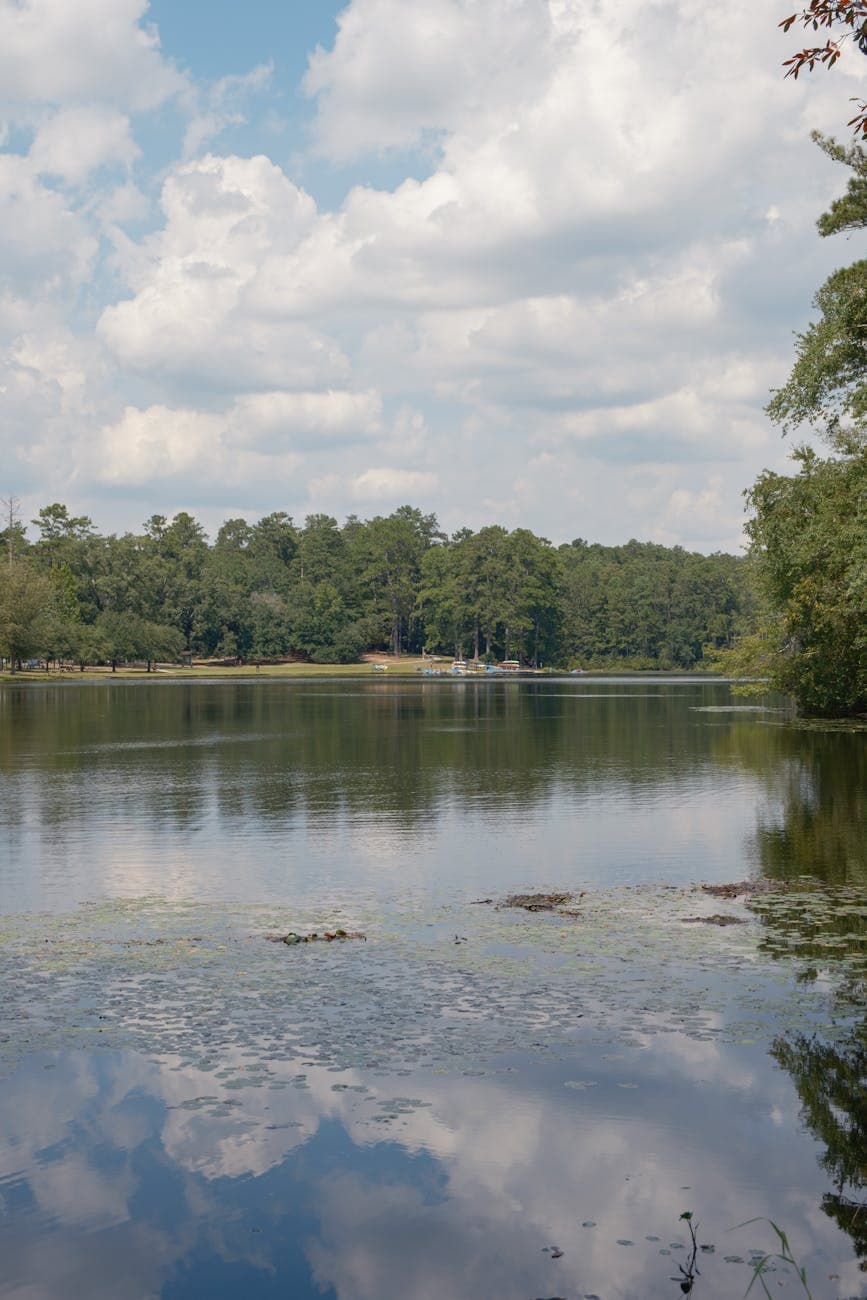
Close the trip with an easy, low-effort scenic drive along the lakeshore, where weathered granite monoliths rise sharply and mirror themselves in still water. It's a gentle, reflective final stop — pull over at the eastern shoreline for the classic granite-and-water composition, and let the 500-million-year-old peaks have the last word on this trip.
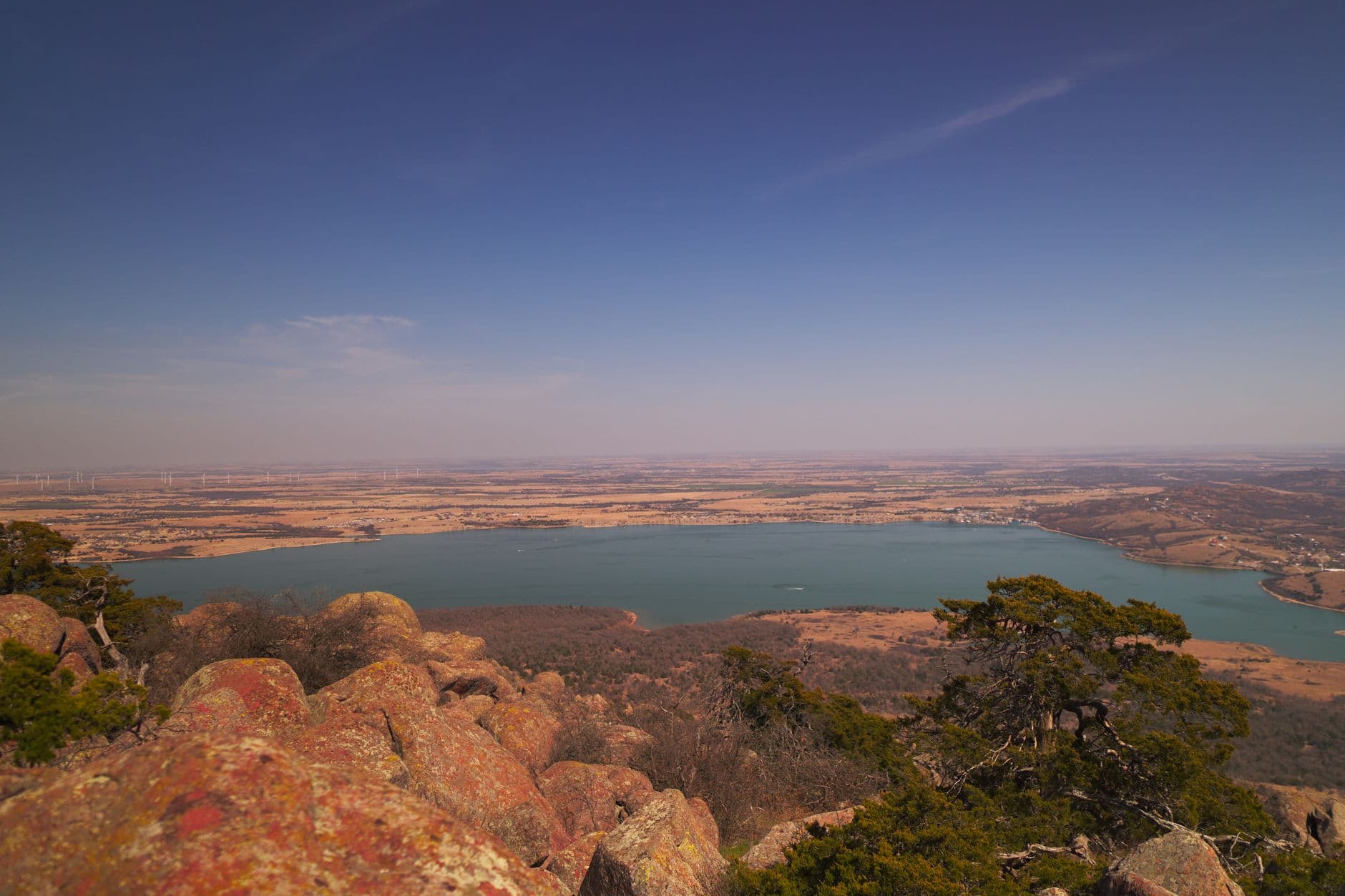
The final day shifts west to a quieter, stranger corner of the refuge. Holy City's granite spires and biblical structures feel almost otherworldly in early light, and the near-total solitude of a summer morning here suits a solo traveler's reflective pace perfectly.
The scenic drive around Quanah Parker Lake offers a gentle, low-energy close to the trip — no strenuous hiking required, just granite peaks mirrored in still water and a last chance to breathe in the refuge's particular stillness.
With the refuge closing at dusk and no on-site dining, plan to head back toward Lawton or Meers for a final meal before departure, carrying with you the quiet, granite-scented memory of three days spent largely alone with bison, peaks, and wide Oklahoma sky.
Want to tweak this trip?
Our AI planner can customize this itinerary to your exact dates, interests, and travel style.
Customize This ItineraryRestaurant details (hours, menus, availability) change frequently. Check current hours before visiting, especially in seasonal destinations.
Dietary compatibility tags are general guidance. If you have severe allergies, confirm directly with the restaurant.
Travel tips are general guidance, not professional safety advice. Check government advisories for latest information.
All prices are approximate and may vary seasonally.