3 DaysSolo Traveler6 Stops

Columbia River Gorge (OR side), Oregon

3-Day Itinerary for Solo Traveler

Mist, Basalt, and River Light: 3 Days in the Columbia River Gorge

Mist, Basalt, and River Light: 3 Days in the Columbia River Gorge

Winter strips the Gorge down to its bones — mist curling off basalt cliffs, waterfalls swollen with rain, and hardly another soul on the trail. This is the season for solitude seekers who don't mind bundling up for reward.

At a Glance

Climate & Weather
Winter (Nov–Feb) brings heavy rain and occasional snow/ice at elevation. Expect short daylight (roughly 8am–4:30pm), temperatures in the 30s–40s°F, and wet, mossy trail surfaces. Pack waterproof boots, rain shell, warm base layers, gloves, and a compact umbrella for viewpoints like Vista House.
Getting Around
A rental car is essential; distances between waterfalls and towns require driving, and the Historic Highway (US-30) is the scenic, waterfall-friendly route in dry conditions. Winter storms can close sections of I-84 or US-30, so build in flexibility.
Budget
Budget roughly $70–110/day for a solo traveler — casual breakfasts, one sit-down dinner with a beer flight, coffee, and modest attraction costs (most waterfall viewpoints are free).
Safety
Solo travelers should stick to marked, maintained trails — Multnomah Falls and Vista House are well-trafficked even in winter, but check I-84 and US-30 road conditions before driving, especially after snow. Let someone know your day plan, carry a charged phone, and avoid wet, unrailed sections near cliff edges. Oneonta Gorge is often closed or hazardous in winter — always verify conditions before attempting.
Connectivity
Cell coverage is reliable in Hood River and along I-84, but can be patchy in gorge pockets near cliff walls and deep in forested pullouts. Download offline maps before heading out.
Local Tips
Arrive at Multnomah Falls before 9am for a nearly empty bridge; breweries in Hood River fill up after 5pm and often have communal or bar seating great for solo travelers; winter hours at small visitor centers are shortened, so don't count on facilities being open late in the day.

Highlights

  • Multnomah Falls with almost no crowds before 9am
  • Vista House perched above a fog-veiled gorge
  • Bridal Veil Falls' 1914 stone bridge in the rain
  • Hood River's brewery counters, perfect for solo conversation
  • Quiet riverside walks with Mount Hood ghosting through clouds
  • Seasonal check on Oneonta Gorge access
  • Farm-to-table dinners built for bar seating

Day-by-Day Plan

Orientation, waterfalls

Day 1: Arrival & the Waterfall Corridor's Quiet Hour

A gentle first day easing into the Gorge with an easy, low-mileage loop through the most iconic and accessible waterfalls — about 2 miles of walking total, low-to-moderate energy.

Wear
Waterproof boots, rain shell, warm layers underneath, gloves, and a hat — bridges and viewpoints are exposed to wind and mist.
Budget
$40–60 (coffee, lunch, minor snacks; most stops are free)
8:00 AM - 9:15 AM
Multnomah Falls · morning · 75 min · Western Gorge Waterfalls

Arrive as the gates barely stir — before 9am the bridge is nearly yours alone, mist settling on your shoulders as the 620-foot cascade roars down basalt in two dramatic tiers. Winter rains swell the flow, making this arguably the most powerful version of the falls you'll ever see. The lodge nearby offers warm shelter and a hot coffee if the cold bites.

Multnomah Falls
Thayer, William Makepeace, 1820-1898 / wikimedia (No restrictions)
Shoot from the Benson Bridge first for intimacy, then walk to the main viewing platform for the full two-tier composition — overcast winter light is soft and forgiving.
Flat paved paths and frequent benches make this one of the most accessible stops in the Gorge, even in wet weather.
10 min driveA short hop west on the Historic Highway, wipers on, forest closing in tight around the road.
9:45 AM - 10:30 AM
Bridal Veil Falls · midday · 45 min · Western Gorge Waterfalls

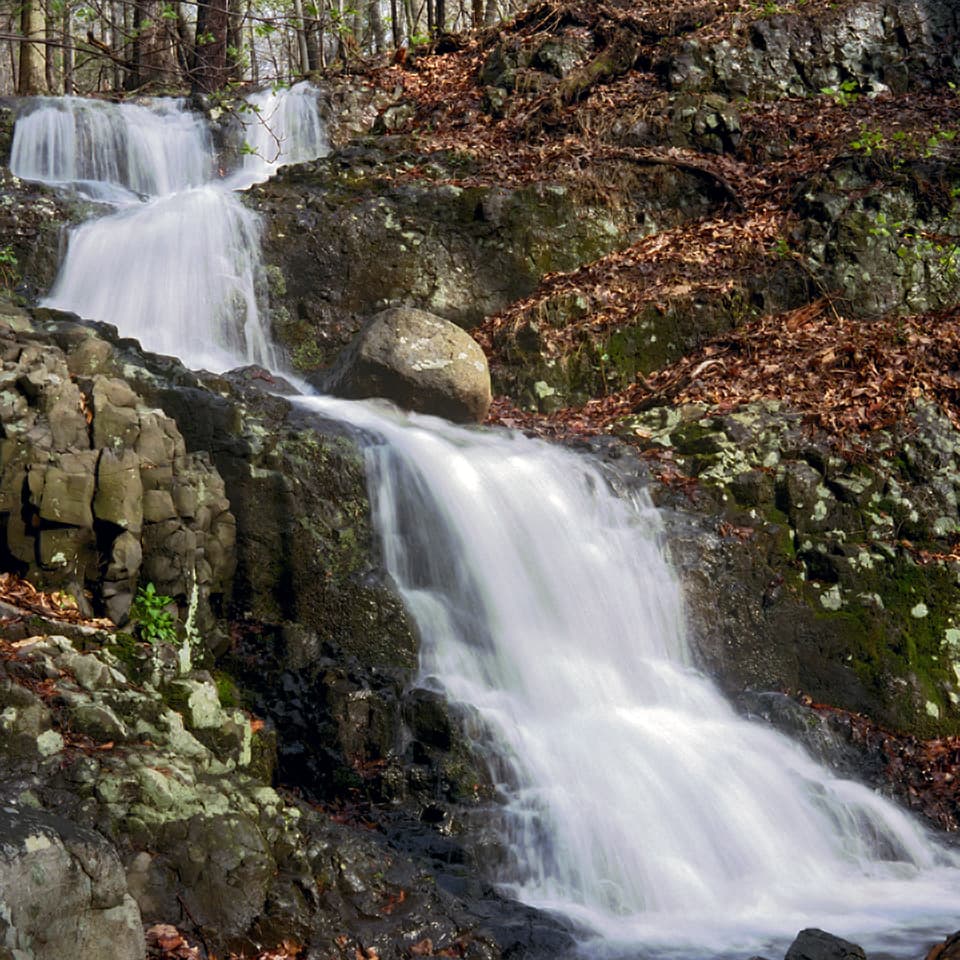
A short drive brings you to a quieter, smaller cousin of Multnomah — two tiers of mist-draped stone crowned by a restored 1914 bridge. Rain actually enhances this spot, swelling the cascade and deepening the moss colors on the basalt walls, though the lower trail turns slick, so sturdy boots matter here.

Bridal Veil Falls
U.S. National Park Service, restoration/cleanup by National Park Maps (https://npmaps.com) / wikimedia (Public domain)
Stand at the center of the stone bridge to frame both tiers in one shot; the light is flat but even in winter overcast, which works in your favor.
The bridge and upper viewpoint are manageable, but the lower trail is uneven and not wheelchair accessible — skip it if the rocks look slick.
15 min driveClimbing switchbacks with the gorge dropping away on one side — slow down, the views open suddenly.
11:15 AM - 12:15 PM
Vista House (Crown Point) · afternoon · 60 min · Western Gorge Waterfalls

Wind hits you first at Crown Point — then the gorge unfolds below in layers of fog, basalt, and forest, stretching toward a Mount Hood that may or may not show itself through winter cloud cover. Inside, the Art Deco rotunda offers a warm, dim refuge with vintage curiosities and big windows framing the storm outside — a perfect indoor-outdoor balance for a cold day.

Vista House (Crown Point)
University of the State of New York Knapp, H. Wallace / wikimedia (Public domain)
The upper viewing balcony facing the gorge is best any time of day in winter's soft light — even midday works when the sun rarely peeks through.
Fully wheelchair accessible with flat paths and frequent benches; the interior is climate-controlled, a good refuge from wind and rain.
Breakfast
Multnomah Falls Espresso Cart $
Cafe · At Multnomah Falls
Grab a hot coffee before the bridge walk — perfect for warming numb fingers on a cold winter morning.
Lunch
Multnomah Falls Restaurant $$
American · At Multnomah Falls
A historic lodge dining room with hearty, warming fare — ideal solo lunch spot with counter and table seating.
If it rains: Rain is almost expected here in winter — Vista House's interior exhibits stay open and climate-controlled, and Multnomah Falls actually looks more dramatic with higher water volume; just bring an umbrella for the exposed viewpoints.

The day opens gently at Multnomah Falls, arriving early enough that the bridge feels like a private audience with Oregon's most famous cascade — mist on your face, the roar filling the quiet morning air, winter rains swelling the falls to full drama.

From there, the pace stays easy: a short stop at Bridal Veil Falls' smaller, mossier cascade and stone bridge, then up to Crown Point, where wind and wide views give way to the warm, curious interior of Vista House — a good place to sit, thaw out, and get oriented before the trip's more active days ahead.

With no evening stop scheduled, settle into Hood River for the night — an easy dinner and early rest sets you up well for tomorrow's more active pace.

Town, food, river

Day 2: River Town Rhythm — Hood River

A moderate day centered on Hood River's waterfront and town character, roughly 3 miles of walking with plenty of time for lingering over food and drink — social, unhurried energy.

Wear
Warm waterproof layers, a wind-resistant outer shell for the riverfront (it's exposed and breezy even in winter), comfortable walking shoes.
Budget
$60–90 (lunch, dinner with a beer flight, coffee, incidental shopping)
35 min driveEast along I-84 with the gorge widening and drying out slightly as basalt gives way to rolling orchard hills.
9:00 AM - 11:00 AM
Hood River · morning · 120 min · Hood River

The waterfront in winter is stripped of its summer windsurfing crowds, leaving just the cool river breeze, distant mountain silence, and the rhythmic slap of water against the docks. Wander the promenade at your own pace — this is a rare moment where Hood River feels like a secret, not a destination.

Hood River
Jeffhollett / wikimedia (CC BY-SA 4.0)
The waterfront promenade catches soft winter light all morning — look toward the Hood River Bridge for a layered composition with the Washington side visible across the water.
Fully flat, paved promenade with benches every 200 meters — one of the easiest walks in the region.
5 min walkA short stroll back into the town grid, storefronts glowing warm against the gray afternoon.
1:00 PM - 3:00 PM
Hood River · afternoon · 120 min · Hood River

After lunch, keep exploring the town itself — small shops, cafes, and the peculiar freedom of sipping a drink on a public bench without asking permission. This is prime time to strike up conversation with locals or fellow travelers at a brewery counter, since Hood River's dining scene genuinely comes alive with regulars in the off-season.

Hood River
Jeffhollett / wikimedia (CC BY-SA 4.0)
Late afternoon light near sunset (around 4:30pm in winter) hits the riverwalk beautifully if Mount Hood peeks out from the clouds.
Town streets are walkable and mostly flat, though some sidewalks narrow near older buildings.
Optional detour: Hood River Bridge viewpointAfter morning riverfront walk and before afternoon town exploration
A quick detour offers a clean sightline across to the Washington side and a good midday photo op. Skip if: Skip if wind is strong and cold — better to save energy for the warmer indoor exploration of downtown.
If it rains: Hood River's cafes and shops offer easy shelter — heavy winter rain is common November–March, so plan for indoor browsing and a long lunch if the weather turns dramatic.

Morning belongs to the waterfront — a quiet, breeze-swept walk along the Columbia with almost no one else around, the kind of solitude that makes winter travel here worthwhile.

The afternoon shifts into town rhythm: wandering shops, warming up with coffee, and easing into the unhurried, outdoor-enthusiast pace that defines Hood River even in the off-season.

Evening in Hood River is unhurried — settle in for dinner at a spot with counter or communal seating, where solo travelers blend easily into the town's brewery culture, then wind down early ahead of tomorrow's more remote exploration.

Adventure, solitude

Day 3: Into the Wild Edge — Eastern Gorge

A more adventurous final day exploring the Gorge's wilder eastern reaches, conditions-dependent, with roughly 2-3 miles of walking and higher energy if Oneonta Gorge is accessible.

Wear
Waterproof hiking boots or water shoes if wading, quick-dry layers, warm dry change of clothes for after, and a dry bag for electronics if attempting the creek.
Budget
$30–50 (mostly free access, minor snacks and gas)
9:00 AM - 10:30 AM
Oneonta Gorge (when open) · morning · 90 min · Eastern Gorge Adventure

If conditions allow, this is the Gorge's wildest experience — cold creek water swirling around your calves, basalt walls rising vertically on either side, ferns dripping overhead. Winter access is unpredictable and often closed due to high water, so check conditions the morning of; if open, you'll likely have the slot canyon entirely to yourself, which is rare even in peak season.

Oneonta Gorge (when open)
Ulster and Delaware railroad company. [from old catalog] / wikimedia (Public domain)
The narrow slot canyon mouth is the most striking shot — try it early when soft morning light filters down between the walls.
Not accessible for those with mobility limitations — uneven creek bed, wading required, no maintained path.
Optional detour: Multnomah FallsBefore or in place of Oneonta Gorge if it's closed
A reliable, always-open alternative that still delivers the Gorge's signature dramatic waterfall experience. Skip if: Skip if you already visited Day 1 and want a genuinely different experience — though revisiting in different weather can be worthwhile.
If it rains: Oneonta Gorge is frequently inaccessible in winter due to high water — if closed, pivot to Multnomah Falls or Wahkeena Falls, both of which remain reliably open and dramatic in wet conditions.

The final morning pushes further into the Gorge's wilder side — if Oneonta Gorge is open, wading through cold creek water beneath dripping ferns and vertical basalt walls offers a genuinely immersive, solitary experience unlike anything else on the trip.

With the adventure complete, the afternoon is left open for a slower wind-down — perhaps revisiting a favorite viewpoint from earlier in the trip with fresh light, or simply resting before departure.

Close the trip quietly, reflecting on three days of mist, basalt, and river light — a fitting, unhurried end to a solo winter journey through the Gorge.

Want to tweak this trip?

Our AI planner can customize this itinerary to your exact dates, interests, and travel style.

Customize This Itinerary
Good to Know

Restaurant details (hours, menus, availability) change frequently. Check current hours before visiting, especially in seasonal destinations.

Dietary compatibility tags are general guidance. If you have severe allergies, confirm directly with the restaurant.

Travel tips are general guidance, not professional safety advice. Check government advisories and road condition reports for the latest information, especially in winter.

All prices are approximate and may vary seasonally.

We use cookies to improve your experience and analyze site usage. Essential cookies are always active. You can customize your preferences or accept all cookies. Cookie Policy