Gettysburg area, Pennsylvania
3-Day Itinerary for Couples
“Fields of Memory: Three Autumn Days in Gettysburg”

Fog lifts slowly off fields where history turned in three July days, and by autumn the crowds have thinned to something close to silence. Amber light slants across marble monuments and split-rail fences, and the whole landscape seems to hold its breath, waiting for you to listen.
At a Glance
Highlights
- Sunrise over Cemetery Hill with mist clinging to the monuments
- Golden-hour walk through the Copse of Trees at the High Water Mark
- Candlelit dinner in a Civil War-era building on Baltimore Street
- Quiet morning inside Eisenhower's farmhouse, the fireplace crackling
- Standing on the Lincoln Platform as leaves drift across the headstones
- Photographing the Soldiers' National Monument framed by turning maples
Day-by-Day Plan
Day 1: Arrival & First Light on Hallowed Ground
A lighter arrival day focused on settling in with a reflective walk through the cemetery and an intimate look at a civilian story, covering roughly 2 miles on flat, paved paths.
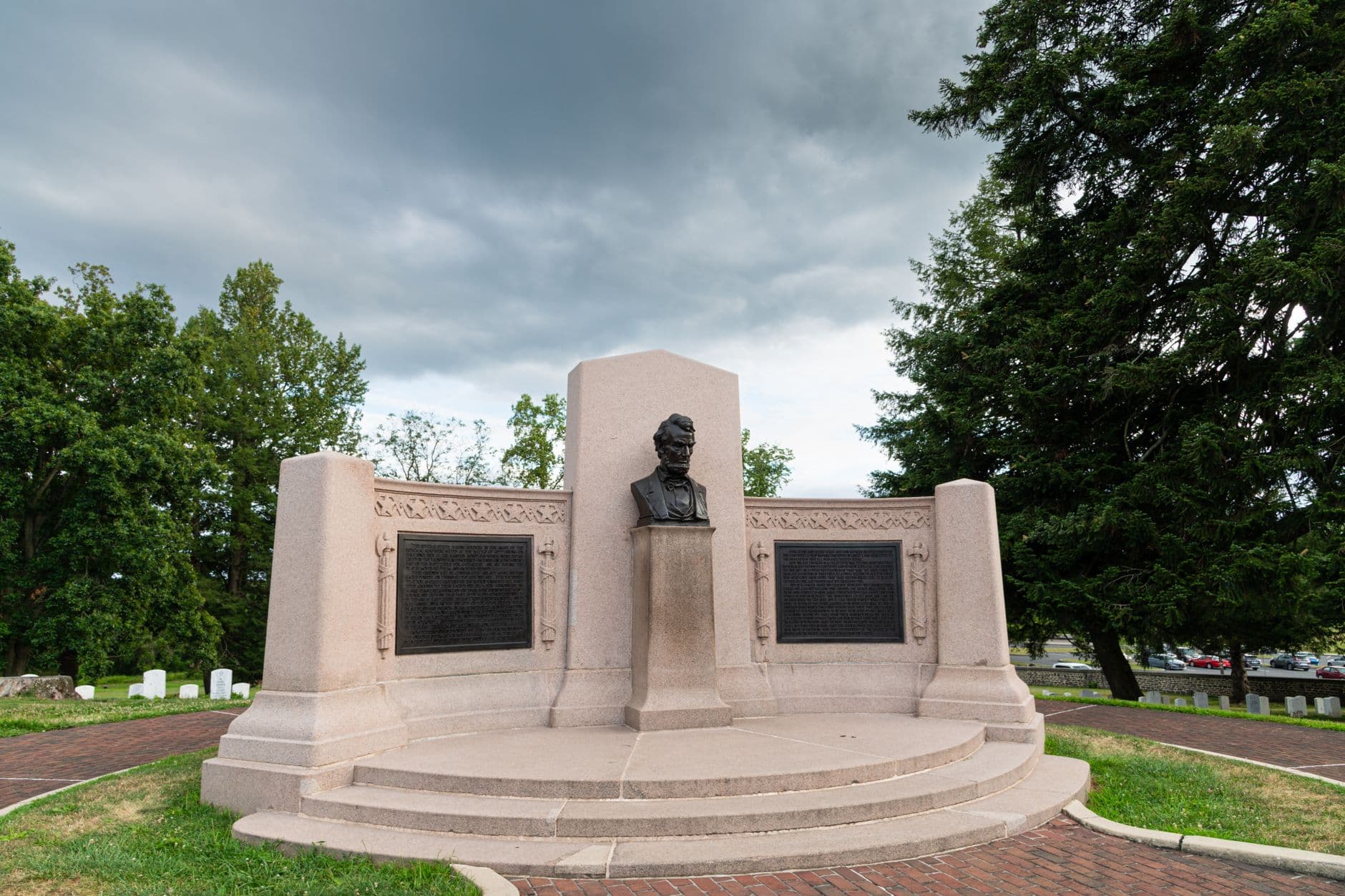
Arrive before the day-trippers and the rows of white headstones stretch out in near silence, dew still clinging to the grass. This is where Lincoln stood to redefine a nation in two minutes, and in fall the maples behind the Soldiers' Monument turn the whole scene amber-gold. Walk slowly here — this is not a place to rush.
A short, hushed counterpoint to the cemetery's vastness — this modest home holds the singular, intimate story of the only civilian killed during the battle. Floorboards creak underfoot, sepia photos line the parlor walls, and the guide's voice drops when recounting the kitchen where a life ended mid-morning. It's a quieter kind of history, well suited to a slower pace.
The day begins gently, with a walk through the Soldiers' National Cemetery while the light is still low and gold, mist sometimes clinging to the grass between headstones. It's the kind of quiet that asks you to slow your steps and your voice, a fitting first impression of Gettysburg's particular gravity.
After the cemetery's openness, the pace shifts inward at the Jennie Wade House, a small clapboard home that holds one of the battle's most human stories. The contrast — vast field to intimate parlor — sets the emotional rhythm for the whole trip.
Settle into dinner at the Farnsworth House Restaurant, where candlelight and centuries-old walls make for an appropriately reflective first evening — reserve a table near the fireplace and take the meal slowly; this is not a town that rushes dinner.
Day 2: Across the Fields of July
A fuller day exploring the National Military Park's driving tour and key monuments on foot, covering up to 3 miles across mixed paved and grass terrain.
Arrive by 7:30am and the fields belong to you and the deer grazing near the tree lines — by 9am, cars begin filling the pullouts. Drive the auto tour slowly, stopping at Cemetery Hill, the High Water Mark, and the stone walls where Pickett's Charge broke. In fall, the tall grass has gone gold and the sugar maples along Hancock Avenue catch fire with color, framing the Copse of Trees in a way that makes the tragedy and the beauty feel inseparable.

The battlefield opens up in the early light, its rolling fields catching the low sun and the first hint of frost burning off the grass. Walking the driving tour at this hour, with the roads still empty, makes the scale of the ground — and what happened on it — feel almost overwhelming in its quiet vastness.
By midday, the light flattens and the crowds begin to gather at the more famous overlooks; this is the natural point to step away for a long, unhurried lunch back in town, letting the morning's weight settle before returning to a slower pace.
With shorter fall days, sunset comes early — aim to be back among the monuments by 5:30pm if you want one more golden-hour pass through the fields before heading in for a simple, easy dinner and an early night.
Day 3: The Farm, the Fireplace, and Farewell
A slower final day centered on Eisenhower's farm home, with under 1.5 miles of easy, flat walking and time for a leisurely farewell lunch.
South of town, the pace slows even further. Arrive early and the farmhouse feels almost private — sunlight streaming through tall windows onto the study's map table, floorboards creaking underfoot as you move room to room. This is Eisenhower's retreat from the weight of command, and in fall the surrounding farmland turns russet and gold, visible from the back porch in a view that feels like exhaling after two days of gravity.

The final morning trades battlefield scale for domestic intimacy — the creak of hardwood floors, the smell of old books, and the quiet authority of a home lived in by a president who once commanded armies. It's a gentle, contemplative note to end on, far removed from the openness of the fields two days prior.
With the farmhouse tour complete, the day eases toward departure — a final unhurried lunch back in town gives space to talk through everything seen over three days before the drive home.
For those with evening flights or drives ahead, plan to depart by mid-afternoon; the shorter fall daylight means sunset arrives early, and there's little reason to rush a farewell dinner if the road home is long.
Want to tweak this trip?
Our AI planner can customize this itinerary to your exact dates, interests, and travel style.
Customize This ItineraryRestaurant details (hours, menus, availability) change frequently. Check current hours before visiting, especially in seasonal destinations.
Dietary compatibility tags are general guidance. If you have severe allergies, confirm directly with the restaurant.
Travel tips are general guidance, not professional safety advice. Check government advisories for latest information.
All prices are approximate and may vary seasonally.