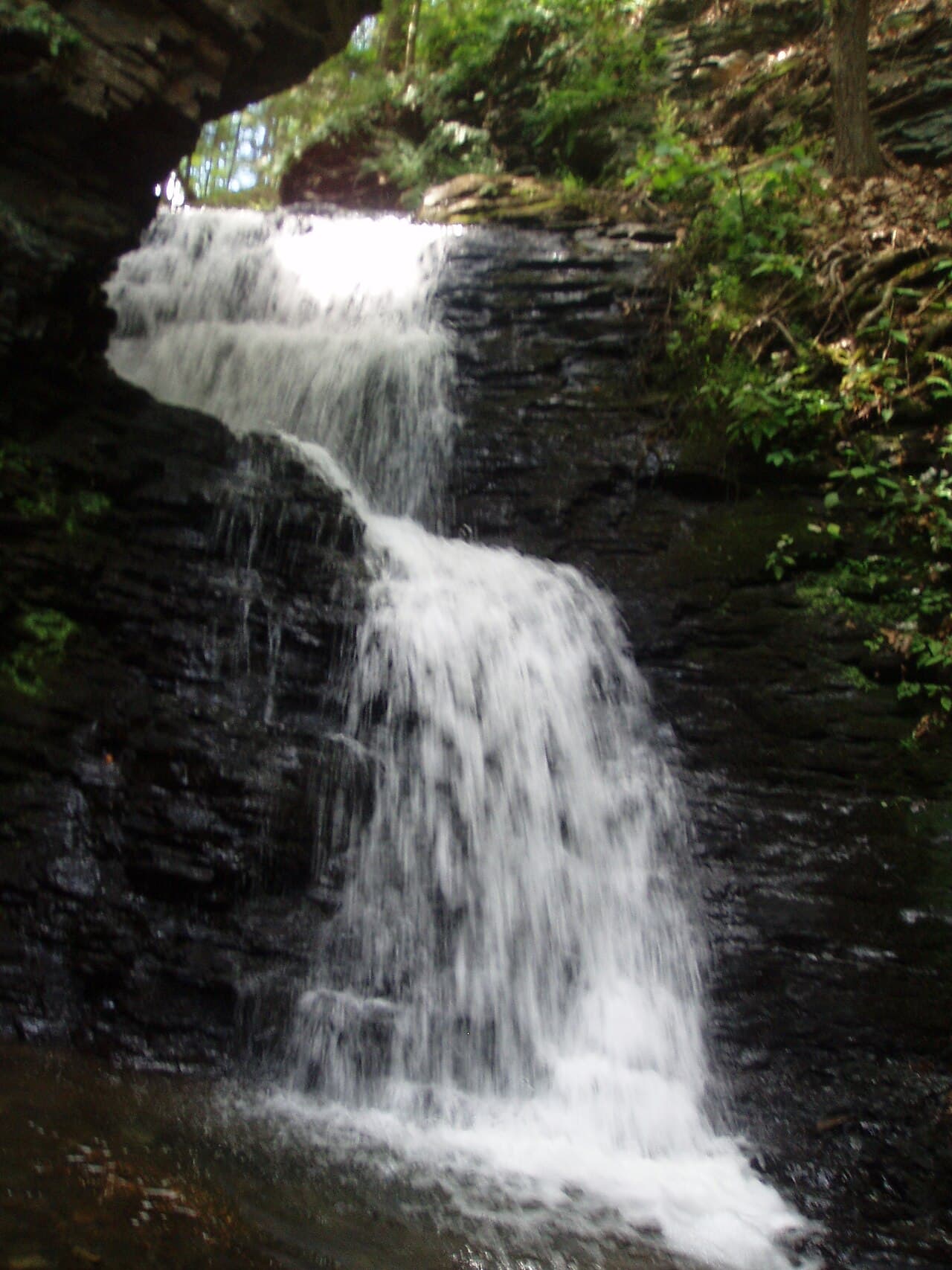
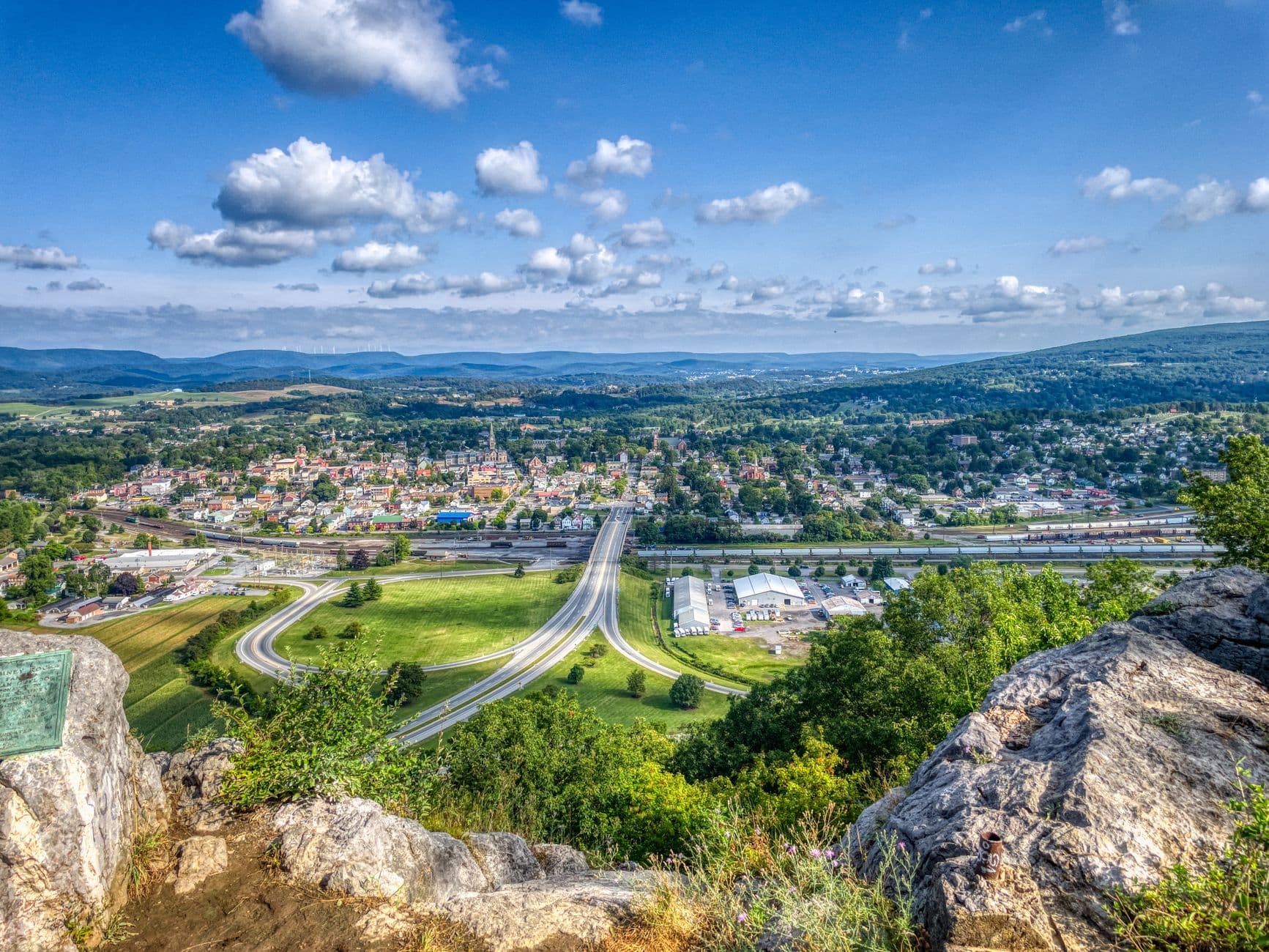
Laurel Highlands, Pennsylvania
2-Day Itinerary for Active Retirees
“Stone, Water & Winter Light: Two Quiet Days in the Laurel Highlands”
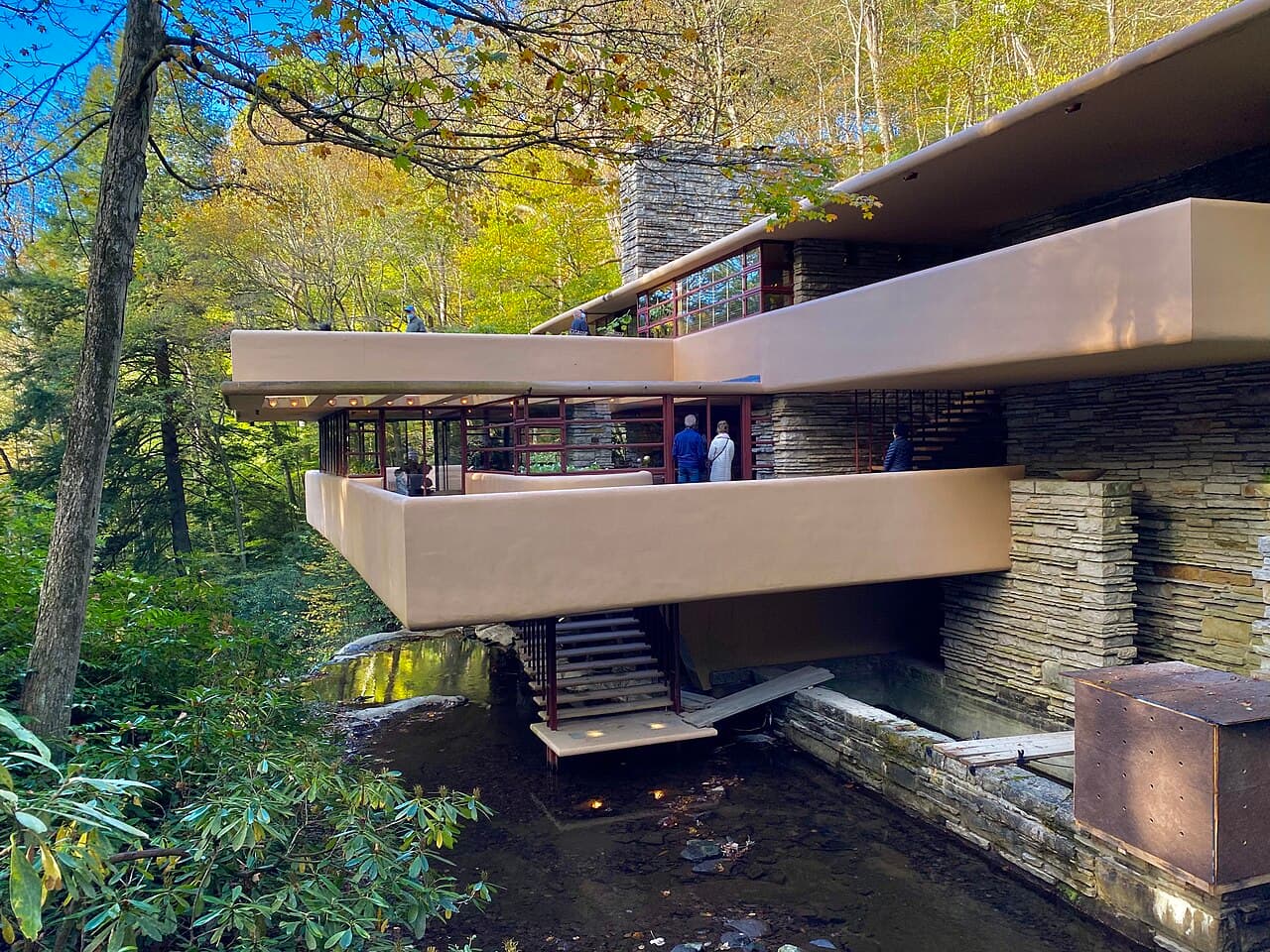
In winter, the Laurel Highlands go quiet — bare trees reveal the bones of the land, Bear Run runs cold and clear beneath Fallingwater's cantilevers, and the gorge at Ohiopyle wears a hush that summer crowds never allow. This is a season for slow looking, warm layers, and the particular clarity that only cold air brings.
At a Glance
Highlights
- Fallingwater's cantilevers against a bare winter forest
- Bear Run's icy murmur beneath sandstone terraces
- High Point Overlook's gorge view in crisp winter air
- Ohiopyle Falls half-frozen and thundering
- Uncrowded weekday trails and short winter light
- Hearty Appalachian comfort food after cold-weather walks
- Golden late-afternoon light through leafless canopy
Day-by-Day Plan
Day 1: Cantilevers Over Cold Water
A gentle, contemplative day centered entirely on Fallingwater and its surrounding Frank Lloyd Wright sites, with minimal walking (under 1.5 miles) and generous time for lingering indoors.
Arrive by 9:30 for one of the earliest winter tour slots, when frost still clings to the sandstone ledges and the only sound is Bear Run churning beneath the terraces. In winter, bare trees strip away summer's green curtain, revealing the full architectural drama of Wright's cantilevers suspended over the stream — a view even more striking without foliage softening the lines. Guides move at an easy pace through the house, and the 60–90 minute casual visit window suits a relaxed morning perfectly; ask about bench seating on the terrace if you'd like to pause and simply listen to the water.
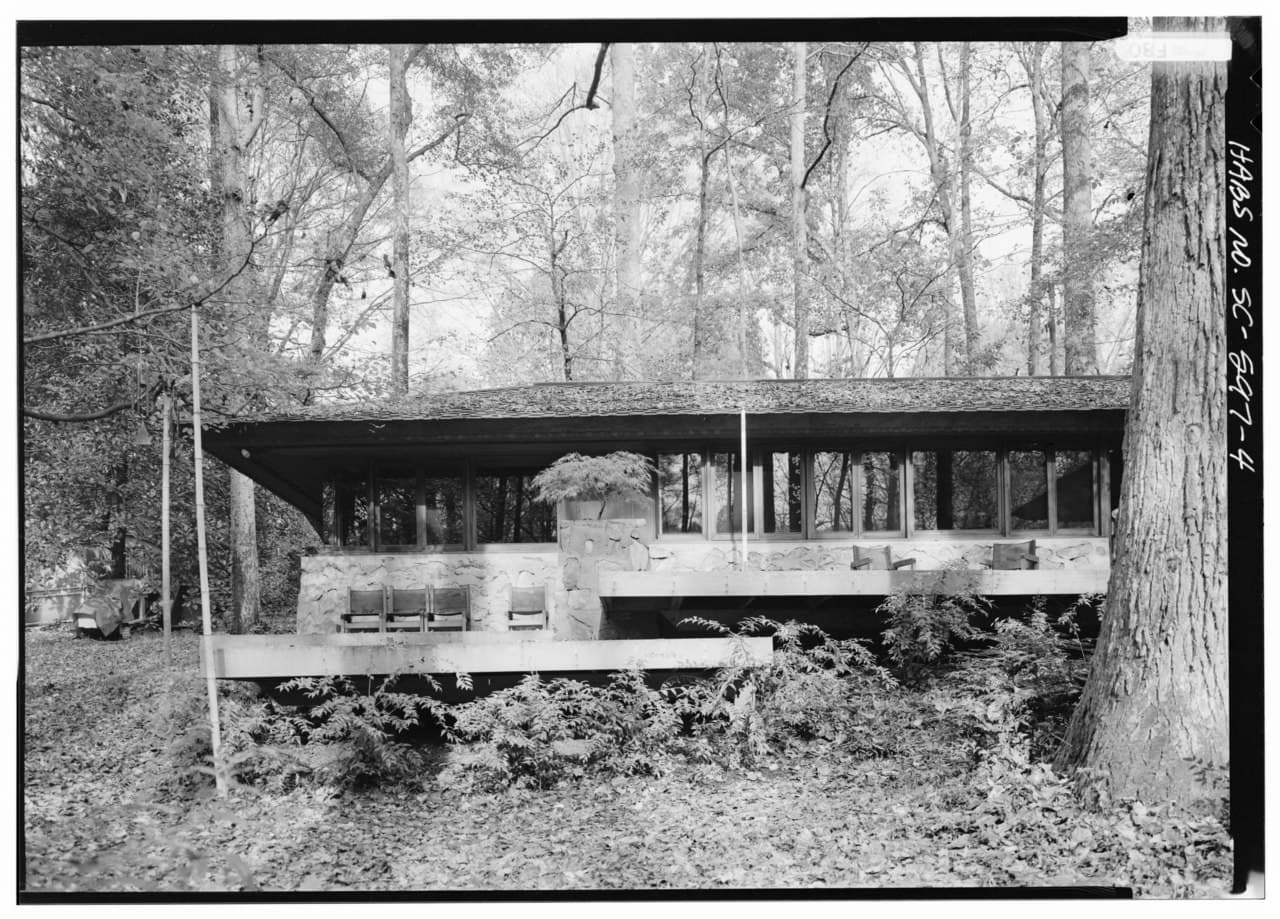
After a warming lunch, spend a slower two hours exploring the broader Wright-designed structures nearby, where covered porches and interior thresholds reward close, unhurried study — ideal on a cold afternoon when you'd rather be under a roof than fully exposed to the wind. The forest around these buildings is hushed in winter, birdsong replaced by the creak of bare branches, and the geometric stonework reads with unusual clarity against the pale winter sky. This is a fitting counterpoint to Fallingwater itself — quieter, less crowded, and better suited to lingering than rushing.
The day begins gently, with a late-morning arrival at Fallingwater timed to catch one of the quieter winter tour slots. Frost often lingers on the stone in the early hours, and the bare winter canopy opens up views of the cantilevers that summer foliage would otherwise obscure. Inside, the house is warm and unhurried, guides pacing the tour to match a relaxed winter crowd, with Bear Run's cold murmur a constant, grounding presence beneath every room.
After lunch, the pace stays slow as you move to the nearby Frank Lloyd Wright sites, where covered porches offer shelter from the winter chill while still connecting you to the surrounding forest. This is a good afternoon for lingering — sitting with the architecture rather than rushing through it, noting how winter light falls differently across stone and timber than it would in summer. Expect noticeably fewer visitors than any other season, and take advantage of it.
With darkness falling early in winter — often by 5:30 PM — settle in for a quiet evening. Restaurants in the small surrounding towns close early, so plan dinner for 6 or 6:30 PM to avoid arriving after kitchens wind down. This is a good night for an unhurried meal and an early retirement, resting up for a slightly more active second day.
Day 2: Winter Hush Over the Gorge
A moderately active day at Ohiopyle State Park with flatter trail sections prioritized, totaling roughly 2–2.5 miles of walking, balanced by a long lunch break and an easy afternoon pace.
Arrive by 9 AM, well before weekend crowds arrive, to find the gorge nearly silent except for the whitewater's steady percussion against shale walls — even in winter, the Youghiogheny rarely fully freezes, and the sight of dark rushing water against snow-dusted banks is striking. Favor the flatter route toward High Point Overlook and the lower viewing platform at Ohiopyle Falls rather than steeper backcountry trails; the casual 2–3 hour pace suits a relaxed winter morning and allows generous stops on benches along the way. Ohiopyle Falls itself often develops dramatic ice formations at its edges by midwinter, while the center channel keeps churning — a striking contrast worth pausing for.

The morning unfolds slowly at Ohiopyle State Park, where winter strips the gorge down to its essentials — bare rock, dark rushing water, and the low murmur of a river that never fully quiets, even in the cold. Early arrival means the overlooks and viewing platforms are yours alone for a while, the usual summer din of rafters and hikers replaced by little more than wind through hemlock branches. Sticking to flatter trail sections keeps the pace comfortable, with frequent pauses to take in the gorge's scale and the ice-edged drama of the falls.
By early afternoon, the light in the gorge shifts, sun angling lower and casting long shadows across the water — a good cue to wind down the outdoor portion of the day and retreat toward warmth. This is a fitting close to a relaxed two-day trip: no rushing, no long drives, just a final unhurried look at the winter landscape before heading back.
With winter's early dusk settling in by late afternoon, plan an early dinner around 6 PM, as small-town kitchens here tend to close by 9 PM. Let the evening be quiet — a warm meal, tired legs from a morning in the cold gorge air, and the particular satisfaction of having seen this landscape stripped bare and honest in its winter season.
Want to tweak this trip?
Our AI planner can customize this itinerary to your exact dates, interests, and travel style.
Customize This ItineraryRestaurant details (hours, menus, availability) change frequently, and specific dining recommendations were unavailable for these clusters at time of writing — check current local listings and call ahead, especially in winter when small-town restaurants may have reduced hours.
Dietary compatibility tags are general guidance. If you have severe allergies, confirm directly with the restaurant.
Travel tips are general guidance, not professional safety advice. Check government advisories and PennDOT road conditions for the latest information before winter travel.
All prices are approximate and may vary seasonally.