Big South Fork NRRA, Tennessee
3-Day Itinerary for Active Retirees
“Gorge Light & Stone Arches: 3 Days in Big South Fork”
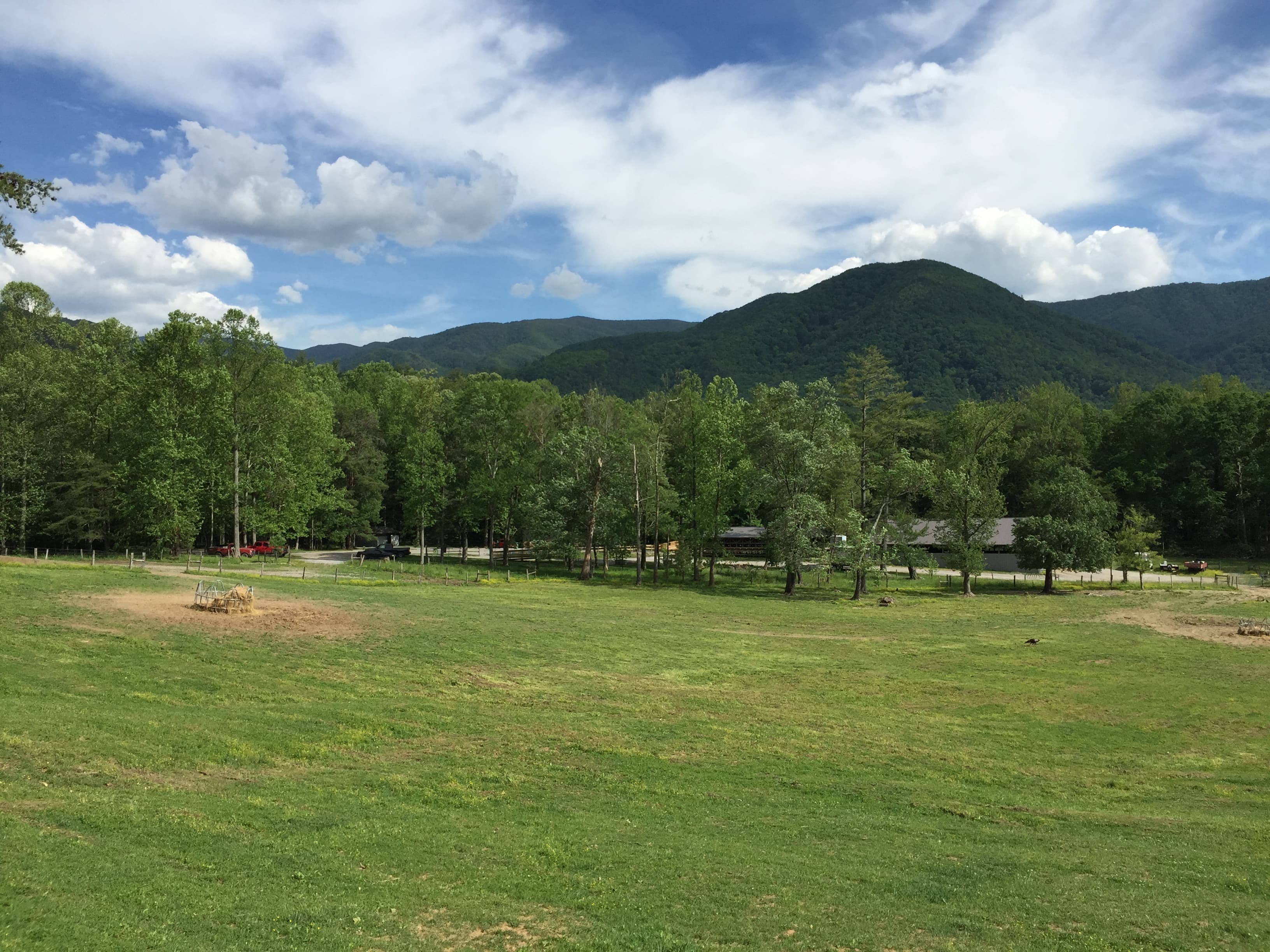
Here, the Cumberland Plateau splits open into gorges deep enough to swallow the sky, and the only soundtrack is water working slowly over sandstone. This is a park best met at a walking pace — rust-colored bluffs catching morning light, creeks that cool the air ten degrees before you reach them, and silence that has nothing to do with being remote and everything to do with being still.
At a Glance
Highlights
- Ride the rails through a gorge too steep for roads
- Stand beneath Twin Arches at golden hour with the crowds gone
- Trace Bandy Creek's cool pools under towering sandstone
- Linger over biscuits and mountain cooking at an unhurried pace
- Catch the amber-lit canyon walls from a backcountry overlook
- Explore Depression-era stone cabins shaded by old-growth hemlock
Day-by-Day Plan
Day 1: Settling Into the Gorge: Bandy Creek & the Scenic Rails
A gentle first day anchored at the Bandy Creek Hub, mixing a leisurely scenic rail journey with a short, cool creekside walk; estimated 1-1.5 miles of walking at an easy pace.
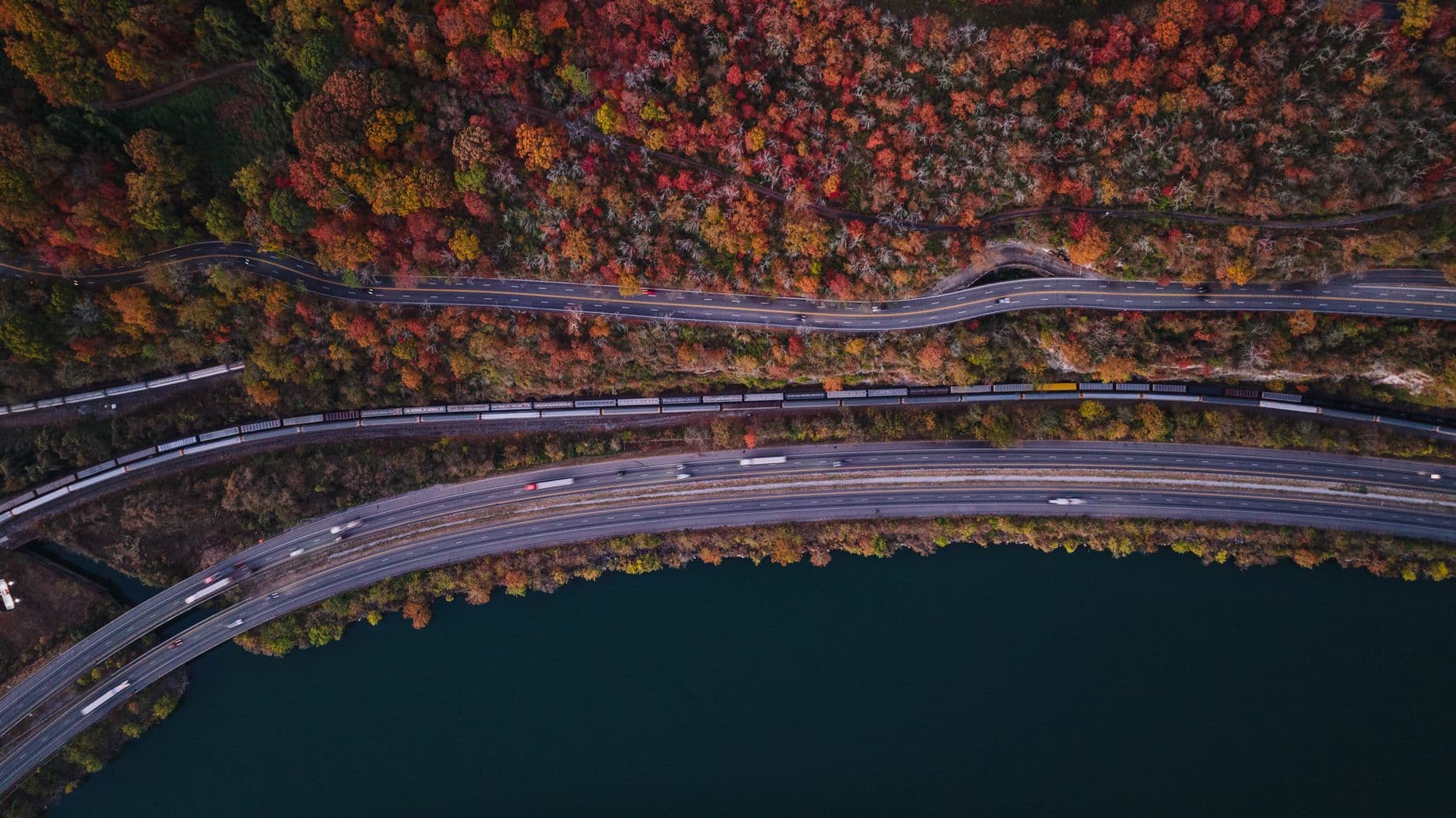
Settle into a vintage rail car as it eases along the gorge rim, the clack of the rails syncing with your pulse as diesel smoke drifts past open windows. Benches line the observation car, so there's no need to stand for the best views — just wait for the trestle crossings, when the canyon floor drops away hundreds of feet below. Arriving for the first morning departure means cooler temperatures and a near-empty platform for photos before the tour groups arrive.
After the rail journey, ease into the afternoon with a short stroll along Bandy Creek, where cool water laps over smooth stones beneath rust-colored cliffs. The air smells of damp earth and forest after rain, and the sound of rushing water is a gentle contrast to the train's rhythm. Stick to the flatter sections near the main confluence rather than pushing upstream, where footing turns uneven.

The first morning in Big South Fork is for easing in, not rushing. The scenic railway offers a seated, low-exertion way to take in the scale of the gorge — vertiginous drops, glowing sandstone walls, and tunnels that plunge the car briefly into cool darkness before light floods back in. Arriving for the early departure means a quiet platform, a cooler gorge, and the best light for photography through the windows.
The pace shifts from seated observation to gentle movement, with a short walk along Bandy Creek rounding out the day without overtaxing legs still adjusting to the terrain. The cool air rising off the water offers welcome relief from summer humidity, and benches near the confluence make it easy to simply sit and listen to the creek work over stone.
With the day's single significant exertion behind you, settle in early. Summer evenings in the gorge cool gradually after sunset, and this is a good night to turn in early, letting tomorrow's slightly more active day benefit from a full night's rest.
Day 2: Stone Arches at First Light
A moderately active day centered on the Twin Arches, timed for cool morning light, with an easy afternoon buffer; estimated 1.5-2 miles of walking.
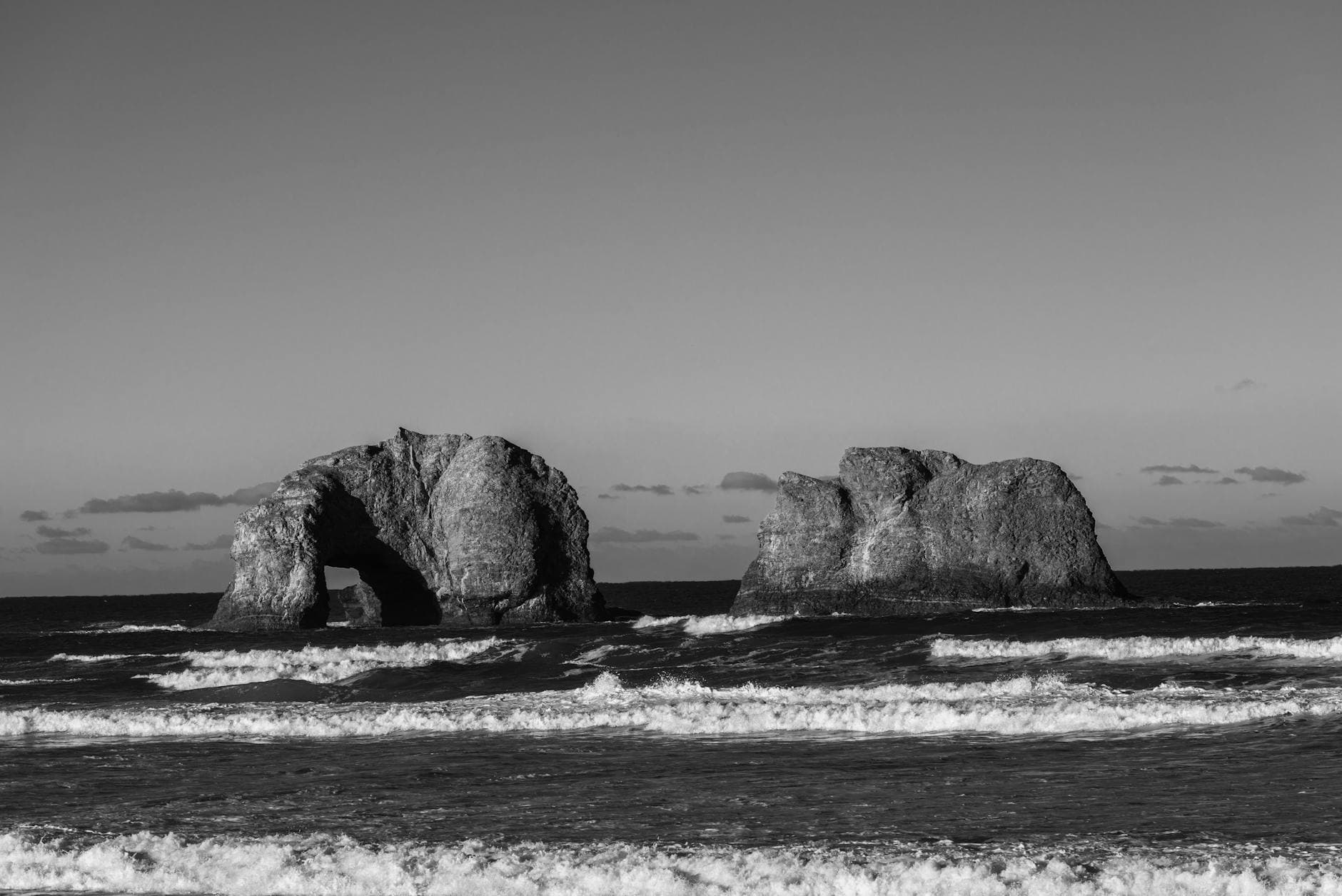
Arrive by 7:30am and the arches are yours alone — no crowds, just cool shaded rock, the smell of damp earth and moss, and the quiet trickle of water through hidden crevices. The twin stone portals rise from the forest floor like something out of deep time, and early light filters through the canopy in soft shafts. By 9am, foot traffic picks up considerably, so this window is worth the early start.
The day begins before the heat does, with an early arrival at Twin Arches rewarding you with solitude and cool, shaded air beneath the overhanging stone. The scale of the formation — two full stone portals rising from the forest — is best appreciated slowly, lingering to notice lichen patterns and the trickle of hidden water sources rather than rushing through.
With the main exertion of the day complete by mid-morning, the afternoon opens up for rest, a relaxed lunch, and recovery time back near the lodging area — a deliberate pause before tomorrow's longer excursion into the backcountry. Shade and air conditioning become welcome companions as the summer heat builds through midday.
Evenings here settle early and quietly; with most area dining wrapping up by 8-9pm, plan an unhurried dinner and an early retirement to make the most of tomorrow's more demanding backcountry day.
Day 3: Into the Backcountry: Charit Creek's Quiet Grandeur
A rewarding but gentler-paced day exploring the historic cabin district before a shorter visit to the Charit Creek area overlooks; estimated 2-2.5 miles of walking across the day.
Begin the day among Depression-era stone cabins, their rough-hewn walls still holding the quiet craftsmanship of the mountain builders who raised them. Morning light backlights the stone facades through cathedral-tall trees, and the only sounds are birdsong and the distant murmur of water. This gentler, flatter stop offers cultural depth without demanding steep terrain, a good warm-up before the more immersive backcountry stop ahead.

The approach alone is memorable — suspension bridges swaying gently over the gorge, the Big South Fork roaring somewhere below, and the scent of rhododendron thick in the humid air. This is the wildest stop of the trip, so pace yourself: a shorter visit focused on the main overlook near the lodge entrance delivers the signature view — layered sandstone glowing amber — without requiring the longer rim trails. Rest on arrival before heading back, since the terrain here is the most demanding of the three days.

The day opens gently among stone cabins shaded by old-growth hemlock, a quiet, culturally rich warm-up before the more demanding terrain ahead. Dew still clings to the rhododendron, and the morning air carries a coolness that won't last once the sun climbs higher.
The pace shifts into the wildest terrain of the trip at Charit Creek, where suspension bridges and roaring water replace the morning's stillness. Given the exertion required, this is a stop to savor briefly rather than push through fully — the main overlook delivers the reward without demanding the full backcountry commitment, and an earlier-than-usual return allows for rest before dinner. With backcountry dining options limited, it's worth packing a simple lunch or snacks to enjoy at the overlook itself.
With the most physically demanding day behind you, settle into an easy, unhurried evening. Given the early local rhythm of closing hours, plan dinner on the earlier side, and let the trip close the way it began — slowly, with the gorge's quiet settling in around you one last time.
Want to tweak this trip?
Our AI planner can customize this itinerary to your exact dates, interests, and travel style.
Customize This ItineraryRestaurant details (hours, menus, availability) change frequently. Check current hours before visiting, especially in seasonal destinations.
Dietary compatibility tags are general guidance. If you have severe allergies, confirm directly with the restaurant.
Travel tips are general guidance, not professional safety advice. Check government advisories for latest information.
All prices are approximate and may vary seasonally.