Goblin Valley SP (near Hanksville), Utah
3-Day Itinerary for Solo Traveler
“Alone Among the Goblins: A Solo Desert Pilgrimage”

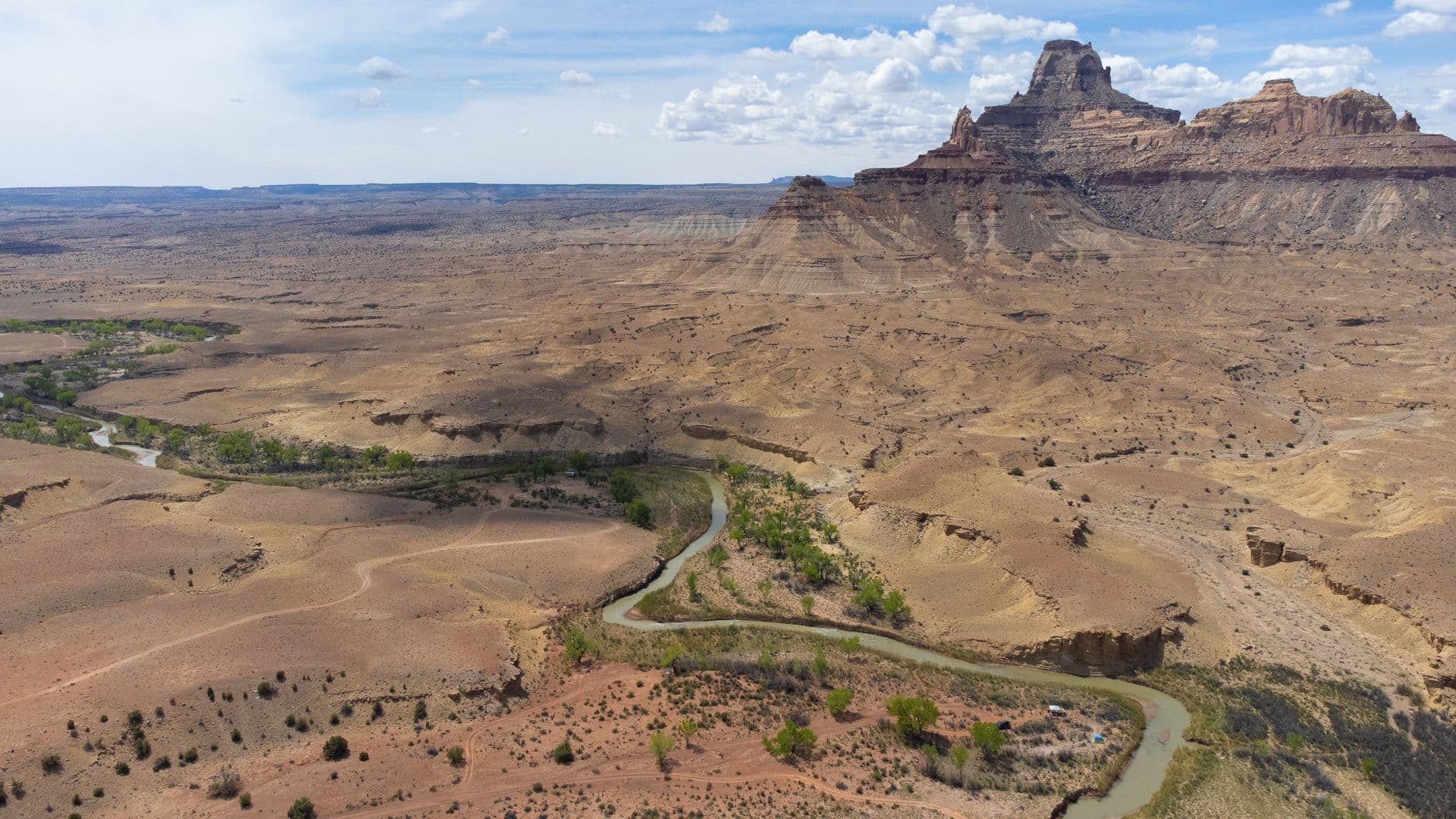
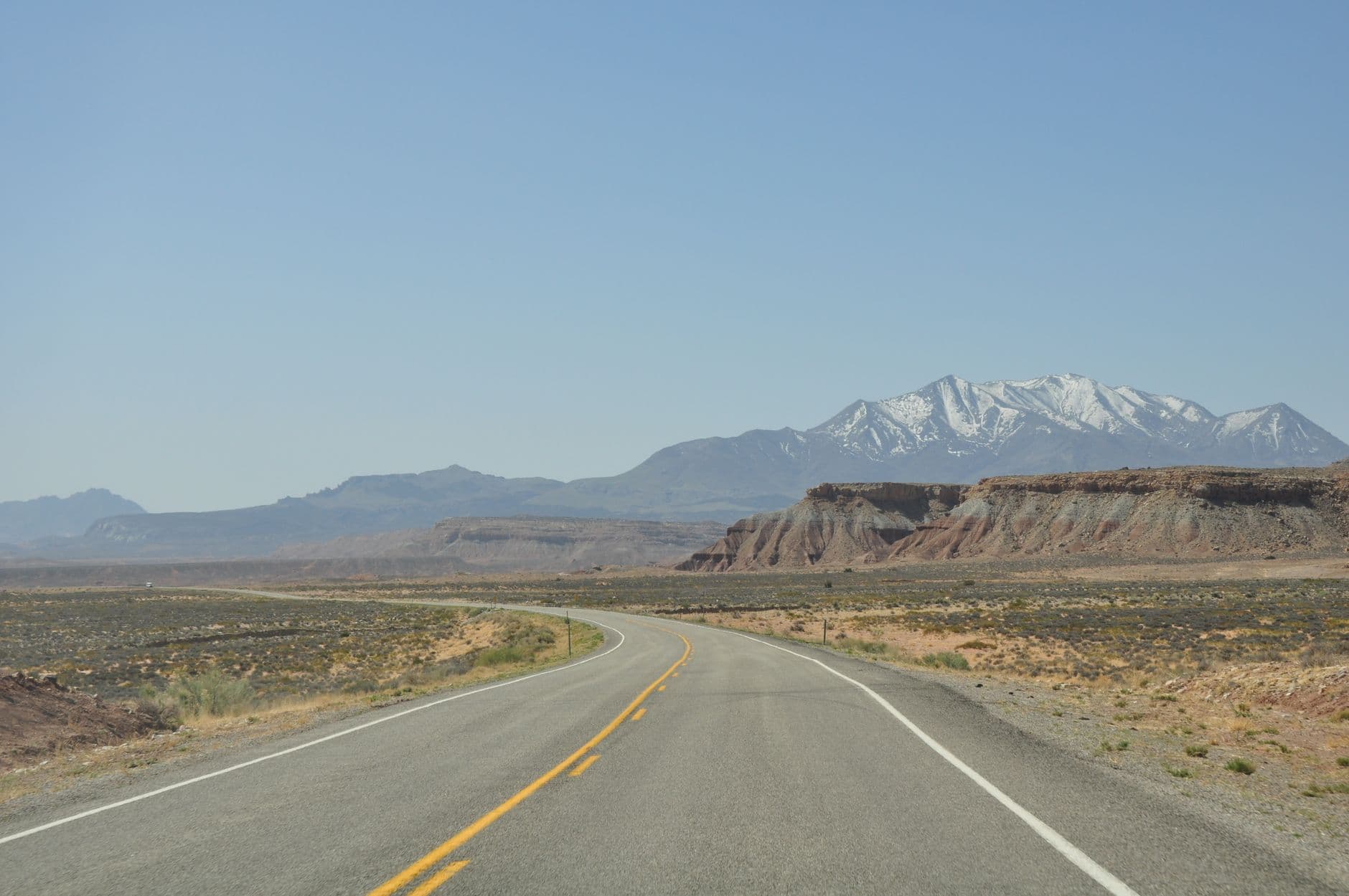
The road to Goblin Valley empties out mile by mile until it's just you, red rock, and a horizon that refuses to end. Here, thousands of wind-carved hoodoos stand like a petrified army mid-march, and the silence is so complete you can hear your own footsteps change the landscape's mood. This is solo travel at its most elemental — no crowds to navigate, no schedule but your own, just raw geology and the particular clarity that comes from being alone in a very old place.
At a Glance
Highlights
- Free-roam scrambling through the alien hoodoo field with zero marked trails
- Squeezing through Little Wild Horse Canyon's narrowest slot sections
- Sunrise solitude at San Rafael Swell Overlook with no one else in sight
- Ghost-town remnants and mining relics along Temple Mountain Scenic Drive
- The Separates Trail's quiet, crowd-free hoodoo corridors at golden hour
- Star-thick night skies from a remote desert campground
- Wildflower-flecked desert scrub blooming along spring trailheads
Day-by-Day Plan
Day 1: Arrival & First Wander Among the Hoodoos
A lighter arrival day covering roughly 2-3 miles of easy, unstructured wandering through the main Goblin Valley hoodoo field, with plenty of rest and photography time.
After the long drive in, this is the gentlest possible introduction — no trail to follow, no wrong way to go, just thousands of rust-colored hoodoos inviting you to wander freely between them. The light softens as afternoon wears on, throwing long shadows that make the formations feel like they're leaning in to watch you pass. Solo travelers tend to find their own rhythm here fast; there's no need to keep pace with anyone.
A short, low-effort stop to close out day one — this overlook needs almost no walking, just a spot to stand still and watch a billion years of rock layers catch the day's last light. It's an easy, contemplative way to decompress after travel, and solo visitors often find themselves lingering longest here, since there's no one waiting to move on.
Day one is about arrival, not ambition — expect most of the day consumed by the drive in from Salt Lake City, Grand Junction, or Moab, with a stop in Hanksville to fuel up, buy groceries, and stock enough water and supplies for a stretch with no services. Since Hanksville businesses close early, this is the one errand to knock out before the desert swallows cell signal for good.
By mid-afternoon, the goblin field opens up for a slow, unscheduled wander — no trail markers, no set route, just red rock corridors and narrow slots to duck through as the light begins to soften. It's an easy way to shake off travel fatigue while still feeling the strangeness of the place settle in.
As the sun drops, a brief stop at San Rafael Swell Overlook offers a quiet, almost meditative close to the day — minimal walking required, just wide-open silence and a sky turning color over ancient rock layers. Dinner and rest follow, whether that's a simple camp meal under the stars or a bed in Hanksville after the 25-mile drive back north.
Day 2: Deep Into the Slot & the Ghosts of Temple Mountain
The most physically demanding day, combining a strenuous slot canyon squeeze with a scenic backcountry drive, covering approximately 5-6 miles of hiking plus driving.
Arrive by 7am and this legendary slot is nearly silent — just you, cool stone pressing close on both shoulders, and shafts of morning light slicing down into the narrows. By 10am it fills with photographers and small groups, so the early solo hiker gets the rare gift of total quiet in one of Utah's most photographed spaces. Tell someone your route before you go — service is nonexistent here and the canyon narrows enough that turning back mid-squeeze isn't always simple.

After the tight confines of the slot canyon, this backcountry drive opens everything back up — washboard road underfoot, rust cliffs rising on either side, and the rusted skeletons of old uranium-era mining structures slowly dissolving into the landscape. It's a good midday palate cleanser: low physical effort, high atmosphere, and a genuine sense of time-worn abandonment that solo travelers often find strangely comforting rather than eerie.
Trade the day's earlier crowds — modest as they were — for the near-total solitude of this hoodoo corridor, significantly quieter than the main valley loop even on a spring weekend. Late afternoon cross-light rakes across the red and orange striations in the badland walls, and by the time you reach the southeast viewpoint, the whole valley glows as the sun drops toward the horizon. It's the kind of solo hike that rewards patience — there's no rush to keep pace with anyone, so let the light dictate your stops.

An early alarm pays off here — arriving at Little Wild Horse Canyon by 7am means having Utah's most photogenic slot canyon almost entirely to yourself, cool shadowed walls pressing close as morning light slices down in narrow shafts. This is the day's most physically demanding stretch, and solo hikers should double-check weather forecasts before committing, since flash flood risk makes this an easy stop to skip if storms threaten.
Midday shifts gears entirely with the Temple Mountain Scenic Drive — a slower, vehicle-based exploration of ghost-town mining relics and layered desert vistas that gives tired legs a rest while still delivering plenty of atmosphere and photo opportunities. It's an easy stretch to extend or shorten depending on energy levels.
As the heat of the day fades, The Separates Trail offers the quietest hiking of the whole trip — significantly less trafficked than the main valley, with late-day cross-light turning the badland walls into deep reds and oranges. Plan dinner back in Hanksville or at camp, since the trailhead itself has no services — pack whatever you'll want to eat before heading out.
Day 3: Last Light and Long Goodbyes
A lighter final day focused on sunrise solitude and a relaxed farewell to the valley, covering roughly 2 miles of easy walking before departure.
One last wander through the hoodoo field at first light, when the valley belongs almost entirely to early risers and the low sun throws impossibly long shadows across the sand. This is the quietest the valley will ever feel — a fitting, unhurried farewell before the drive home, and a good chance to revisit favorite formations from day one with fresh morning light.
A final, unhurried pause before the long drive out — low effort, high reward, and a chance to take in the billion-year geologic story one more time before returning to cell service and civilization. Solo travelers often describe this as the moment the trip's stillness really sinks in.
The final morning starts early and gently — one more walk through the hoodoo field at first light, when long shadows and cool air make the valley feel freshly discovered even on a return visit. There's no rush; let this be the slowest part of the whole trip.
A short final stop at San Rafael Swell Overlook offers one last wide-open view before the drive back toward Hanksville and onward to the airport or next destination — a quiet, low-key way to close out the solo desert stretch.
With the drive home ahead — 2 to 3.5 hours depending on departure point — plan to fuel up and grab any last supplies in Hanksville before businesses close for the evening, and use the drive itself as a slow decompression from the valley's stillness back into everyday noise.
Want to tweak this trip?
Our AI planner can customize this itinerary to your exact dates, interests, and travel style.
Customize This ItineraryRestaurant and dining details change frequently, and Goblin Valley itself has no in-park dining options — plan meals around Hanksville or pack accordingly. Check current hours before visiting.
Dietary compatibility tags are general guidance. If you have severe allergies, confirm directly with any restaurant or stock specific supplies in advance given the area's limited food options.
Travel tips are general guidance, not professional safety advice. Check government advisories and current park/weather conditions before entering slot canyons or backcountry roads.
All prices are approximate and may vary seasonally; park entrance fees and fuel costs should be confirmed before travel.