2 DaysCouples6 Stops

Natural Bridges NM (Bears Ears area), Utah

2-Day Itinerary for Couples

“Sacred Spans: Two Days of Stone and Silence at Natural Bridges”

Sacred Spans: Two Days of Stone and Silence at Natural Bridges

Out here, the silence has weight—broken only by wind combing through juniper and the occasional raven's cry echoing off rust-colored canyon walls. Natural Bridges rewards couples willing to rise early and slow down, offering three of the world's most graceful stone spans without another national park's crowds. This is a place for held hands on quiet trails, whispered conversations under impossible arches, and stars so thick they blur into a single glowing band overhead.

At a Glance

Climate & Weather
Summer days run hot, often 90°F+ by midday, with intense high-desert sun and only rare monsoon storms in late July and August. Mornings and evenings cool into the 60s, so pack layers, a wide-brimmed hat, high-SPF sunscreen, and at least a gallon of water per person per day. Sturdy hiking boots are essential for uneven, sandy, slickrock trail sections.
Getting Around
A personal vehicle is essential; the 9-mile scenic loop drive connects all three bridge trailheads and the visitor center, with pullouts and short walks to overlooks. High-clearance is helpful but not required for the main loop road. Trails to the bridges themselves involve moderate elevation change on packed sand, slickrock, and occasional ladders or stairs.
Budget
Budget roughly $60–100 per day per couple for park entrance fees, gas, snacks, and a modest dinner in a nearby gateway town—lodging and any splurge experiences are separate.
Safety
Flash flood risk is real in White Canyon and the narrow bridge approaches during sudden summer storms—check conditions at the visitor center before descending. Rattlesnakes and occasional mountain lions inhabit the area but avoid human contact; stay on marked trails and watch your footing on slickrock. Cell service is essentially nonexistent, so let someone know your hiking plan.
Connectivity
Expect little to no cell signal throughout the monument and surrounding Bears Ears backcountry. The visitor center may have limited Wi-Fi; download maps, reservations, and playlists before you arrive.
Local Tips
Arrive at trailheads by 7:30–8am to beat both the heat and the midday crowds, especially at Sipapu and Kachina. Gas up and stock up on food in Blanding or Mexican Hat before heading in—services inside and immediately around the monument are minimal to nonexistent. Stay past dusk if you can; this is a certified International Dark Sky Park and the Milky Way over Owachomo is unforgettable for couples.

Highlights

  • Standing beneath Sipapu Bridge as morning light filters through the canyon
  • Tracing the ancient curve of Owachomo, Utah's oldest bridge, in golden hour silence
  • Walking the full Bridge View Trail loop hand-in-hand past all three spans
  • Sunset at the visitor center overlook with Bears Ears buttes glowing on the horizon
  • Discovering Ancestral Puebloan history in a nearly empty, hushed visitor center
  • Genuine solitude—this is one of the least-visited monuments in the Southwest
  • Some of the darkest night skies in the continental US for stargazing as a pair

Day-by-Day Plan

Orientation and gentle awe

Day 1: Arrival & First Light Among the Bridges

A lighter first day of roughly 2.5 miles of walking, easing into the monument's rhythm with the visitor center, Sipapu Bridge, and a sunset overlook.

Wear
Breathable moisture-wicking layers, sturdy hiking boots, a wide-brimmed hat, sunglasses, and a light jacket for the cooler evening overlook.
Budget
$70–90 per couple (park entrance, gas, snacks, dinner in Blanding or Mexican Hat)
8:00 AM - 9:30 AM
Natural Bridges National Monument Visitor Center · morning · 90 min · Natural Bridges Monument Loop

Start here while the air is still cool and hushed—by 7-9am you'll often have the exhibit hall to yourselves, shards of ancient pottery and worn tools laid out under soft light. Rangers can brief you on trail conditions and any flash-flood warnings before you head out, and the short film offers useful context on the Ancestral Puebloan sites you'll pass later. Step outside afterward and the immense quiet of the surrounding canyon country hits immediately—no traffic, no crowds, just wind and distant raven calls.
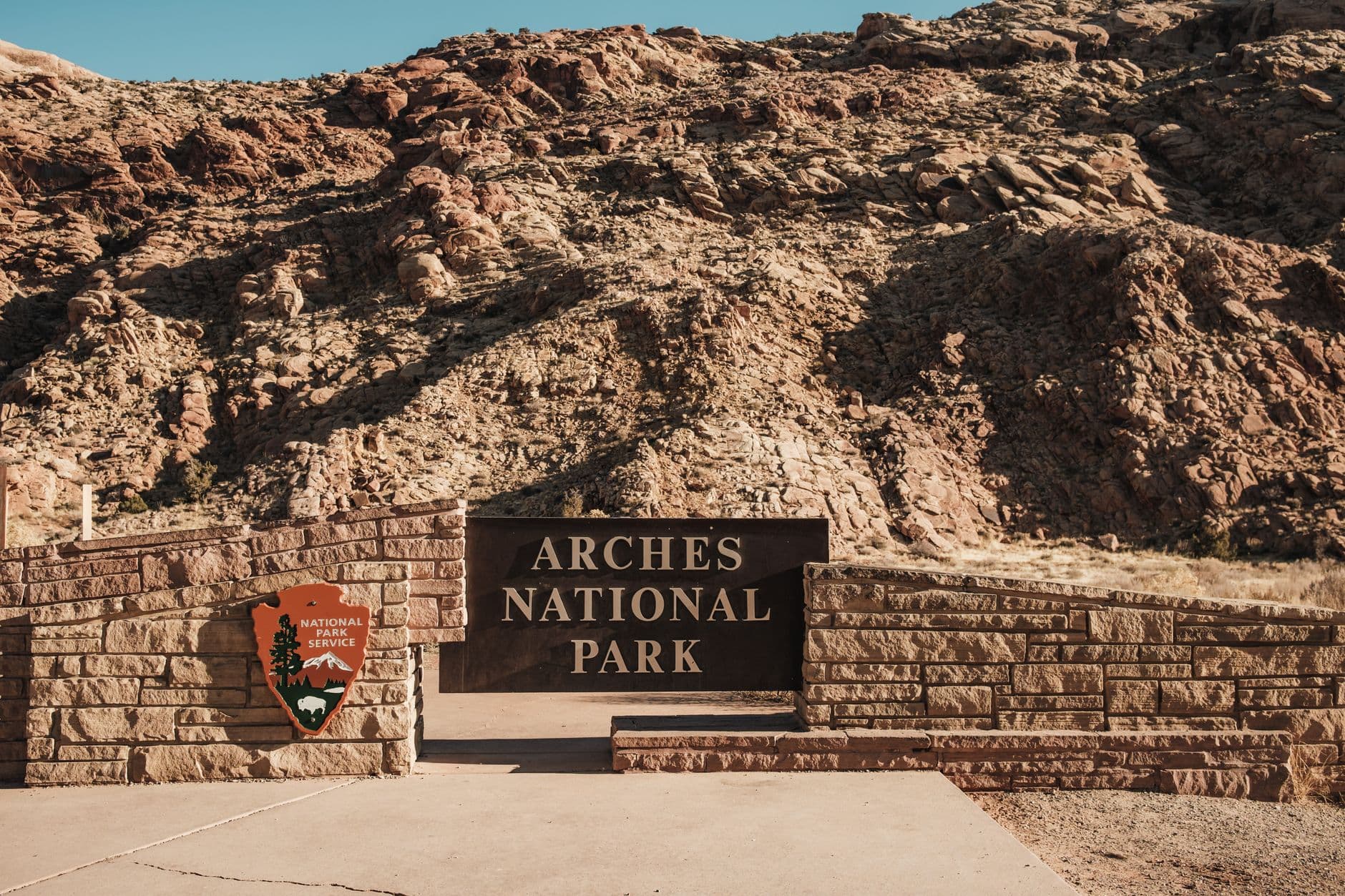
Natural Bridges National Monument Visitor Center
Photo by Airam Dato-on on Pexels
The visitor center exterior with canyon walls behind it photographs best in soft early morning light, before the sun climbs high and flattens the color.
Fully wheelchair accessible with flat paths and frequent benches—an easy, comfortable stop for any mobility level.
10 min drive — A short, scenic hop along the loop road, red rock buttes sliding past the windshield in every direction.
10:00 AM - 11:30 AM
Sipapu Bridge · midday · 90 min · Natural Bridges Monument Loop

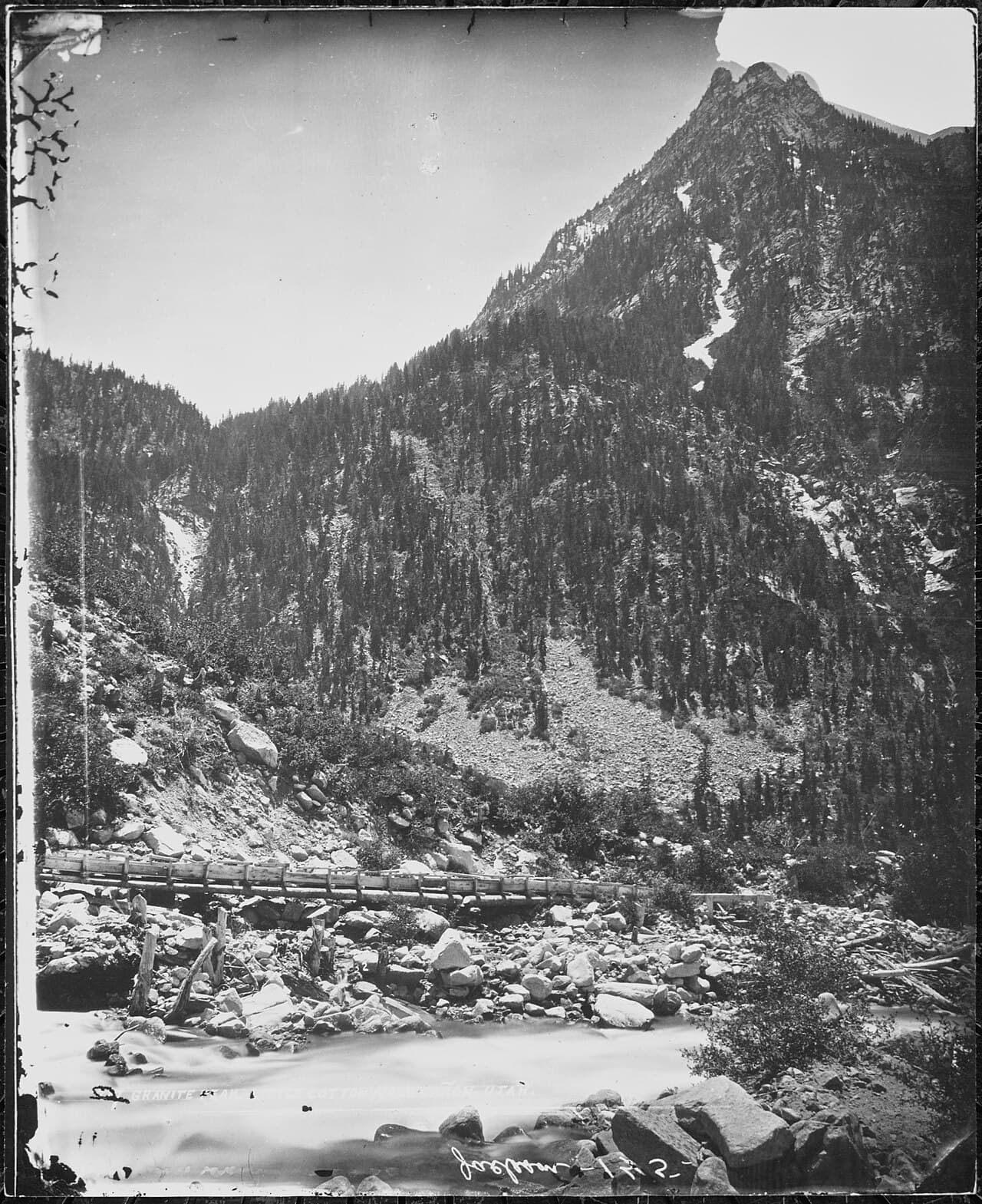
The trail descends into White Canyon, sandy underfoot, the walls gradually closing in and the air turning cool and moist near the creek bed below. Then the bridge appears overhead—the second-largest natural span in North America, an impossible arc of butterscotch stone against blue sky. For couples, the descent and climb back up (roughly 500 feet of elevation change) make for a shared little adventure, best tackled before midday heat sets in.

Sipapu Bridge
United States. Bureau of Land Management / wikimedia (Public domain)
Shoot from the creek level looking up—the bridge silhouettes beautifully against the sky in late morning light before the sun moves directly overhead.
The overlook near the parking area offers a view without the steep descent; the trail itself is not wheelchair accessible and involves stairs and uneven footing.
Optional detour: Bridge View Trail — After Sipapu Bridge and before the evening overlook
A flat, easy loop segment offering distant views of all three bridges without the steep canyon descents—ideal for an unhurried afternoon stroll together. Skip if: Skip if you're saving energy for the full Kachina and Owachomo hikes tomorrow, or if midday heat has already sapped your enthusiasm for more walking.
If it rains: If storms roll in, retreat to the visitor center, where ranger talks and exhibits continue indoors, and check with staff before attempting any canyon descent—flash flooding in White Canyon can happen with little warning.

The day opens gently at the visitor center, where cool morning air and near-empty exhibit rooms ease you into the rhythm of this remote monument. Ancestral Puebloan artifacts and a short orientation film offer context before you step back out into the vast desert silence.

By mid-morning you're descending into White Canyon toward Sipapu Bridge, the trail narrowing and cooling as canyon walls rise around you. The bridge's sudden appearance overhead—a massive, weathered arc of stone—makes the climb back up feel entirely worth it, and by early afternoon you'll have earned a slow, shaded rest back at the rim.

As the heat softens into early evening, head toward one of the overlooks along the loop road to watch the light shift across the canyon and distant Bears Ears buttes. Dinner is best planned in Blanding or Mexican Hat, both roughly 40 minutes to an hour away, where a handful of local diners and lodges offer a place to unwind before an early night under some of the darkest skies in the country.

Deeper canyon exploration

Day 2: Kachina, Owachomo, and the Full Loop

A moderately active day of about 3.5 miles combining two bridge hikes and the connecting Bridge View Trail, timed around the cooler morning and golden evening light.

Wear
Lightweight quick-dry clothing, broken-in hiking boots with good grip for slickrock, a hat, sunglasses, and extra water carried for both of you—there's no refill point on the trails.
Budget
$60–90 per couple (gas, snacks, and an upscale dinner splurge in a gateway town)
15 min drive — A quiet early-morning drive along the loop road, the canyon still in shadow and the light just beginning to catch the rim rock.
7:30 AM - 9:30 AM
Kachina Bridge · morning · 120 min · Natural Bridges Monument Loop

Arrive by 7:30am and the trailhead parking lot is nearly empty, the canyon still holding onto the night's cool air. The descent to Kachina winds past ancient petroglyphs and a rockfall-formed pour-off before the bridge itself comes into view—massive, thick-walled, still actively being carved by the creek beneath it. This is the youngest and most robust of the three bridges, and its scale feels genuinely humbling shared quietly as a couple before the day's heat and crowds arrive.

Kachina Bridge
OFFICE OF THE FEDERAL REGISTER / wikimedia (Public domain)
The creek-level vantage beneath the span works best in early morning before harsh overhead sun flattens the canyon's texture.
The overlook accessible by car offers a solid view for those skipping the steeper, uneven trail down to the creek bed.
12 min drive — A short drive further along the loop, windows down, desert air warming as the morning advances.
10:15 AM - 11:45 AM
Owachomo Bridge · midday · 90 min · Natural Bridges Monument Loop

The shortest and easiest walk of the trip leads to the oldest bridge in Utah—thin, elegant, and almost impossibly delicate against the sky. The alcove smells of warm sandstone and sage, and the silence here feels different, older somehow, as if the bridge is quietly wearing away toward its own eventual collapse. It's an easy, romantic stroll for couples who've already put in miles this morning.

Owachomo Bridge
James St. John / openverse (by)
Approach slowly from the trail—the bridge emerges gradually against the canyon walls, and this angle makes for the most dramatic shot of the whole trip.
Trail is short but uneven with some rock scrambling; not wheelchair accessible, though the overlook nearby offers a partial view.
8 min drive — A brief drive back toward the loop's central pullouts as the light turns gold, canyon shadows stretching long across the road.
7:00 PM - 8:30 PM
Bridge View Trail · evening · 90 min · Natural Bridges Monument Loop

As the day's heat finally breaks, this easy, flat loop trail becomes the perfect closing chapter—distant views of all three bridges catching long shadows and warm light. Ravens circle overhead, the rust-colored cliffs deepen in color, and the profound stillness of the desert settles in fully. For couples, this is the moment to slow down completely, find a quiet overlook, and watch the sky shift into the kind of star-strewn dark this monument is famous for.

Bridge View Trail
Photo by ah64dka52 on Pixabay
The Sipapu Bridge western overlook is best at sunset—come by 7pm to claim a quiet spot before the light fades.
This segment is flat and relatively accessible, though still not officially wheelchair-rated; benches are sparse, so bring something to sit on if lingering for stargazing.
Optional detour: Sipapu Bridge — After Owachomo Bridge and before the evening Bridge View Trail
Returning for a second look at Sipapu in late-afternoon light offers a completely different mood than the morning visit, with longer shadows and quieter trails. Skip if: Skip if legs are tired from the morning's two hikes—better to rest before the evening loop and stargazing.
If it rains: If storms threaten, avoid all canyon descents due to flash flood risk and instead spend the afternoon at the visitor center or driving the paved loop road for overlook views of Kachina and Sipapu from a safe distance.

The day begins early and coolly at Kachina Bridge, the canyon still shadowed and the trail nearly empty. Descending past ancient rock art to the massive, thick span below feels like stepping into a quieter, older version of the world, made all the more intimate by having it largely to yourselves.

From there it's a short, easy walk to Owachomo, the oldest and most delicate of the three bridges, its thin arc almost glowing against the sky. With the toughest hiking behind you, the pace slows naturally into a warm, unhurried midday rest before the sun climbs to its peak.

As temperatures ease, the flat Bridge View Trail offers one last, gentle walk together with sweeping views of all three bridges catching evening light. Plan your splurge dinner and overnight in whichever gateway town suits your route out—Blanding for convenience, Mexican Hat for dramatic Monument Valley views, or Moab if you're continuing on—and let the evening close with the extraordinary dark skies this remote monument is known for.

Want to tweak this trip?

Our AI planner can customize this itinerary to your exact dates, interests, and travel style.

Customize This Itinerary
Good to Know

Restaurant details (hours, menus, availability) change frequently, especially in small gateway towns near remote national monuments. Check current hours before visiting.

Dietary compatibility tags are general guidance. If you have severe allergies, confirm directly with the restaurant or plan meals with packed provisions.

Travel tips are general guidance, not professional safety advice. Check current weather, flash flood warnings, and National Park Service alerts before hiking any canyon trail.

All prices are approximate and may vary seasonally.

We use cookies to improve your experience and analyze site usage. Essential cookies are always active. You can customize your preferences or accept all cookies. Cookie Policy