2 DaysSolo Traveler6 Stops

Natural Bridges NM (Bears Ears area), Utah

2-Day Itinerary for Solo Traveler

“Stone Bridges & Desert Silence: Two Days Alone in Bears Ears Country”

Stone Bridges & Desert Silence: Two Days Alone in Bears Ears Country

Three ancient bridges rise out of White Canyon's silence, carved so slowly that time itself seems to pool in their shadows. Spring here means wildflowers pushing through sand, cool mornings before the sun claims the rock, and a monument quiet enough that solo travelers often have entire overlooks to themselves.

At a Glance

Climate & Weather
Spring days typically run 55–70°F with nights dropping near freezing; afternoon winds and occasional rain showers are common. Pack a rain jacket, warm layers for dawn starts, sturdy hiking boots, sunscreen, and a hat—desert sun is intense even on cool days.
Getting Around
A personal vehicle is essential—there is no public transit or ride-share here. The 9-mile one-way scenic loop drive connects all three bridges and their trailheads, with pullouts and short spur trails to each. High-clearance isn't required for the main loop but is recommended for any side roads in wet weather.
Budget
Budget roughly $40–60/day for a solo traveler covering the $20 entrance fee (or America the Beautiful pass), packed meals, gas, and modest dining in Blanding—there are no restaurants or stores inside the monument itself.
Safety
Solo travelers should tell someone their trailhead plan and expected return time, since cell coverage is nonexistent inside the canyons. Flash floods are the primary hazard in spring—check conditions at the visitor center before descending into White Canyon, and never enter narrows if storms are forecast. Rattlesnakes and mountain lions are present but rarely encountered; stay on marked trails and make noise on blind corners.
Connectivity
Cell service is essentially absent throughout the monument and much of the surrounding Bears Ears region. Download offline maps before arrival, and expect zero signal from Blanding onward on US-95. The visitor center has no public WiFi.
Local Tips
Arrive at trailheads by 7:30am to beat the modest but noticeable midday crowds and to catch the cool canyon air before it warms. Fill your gas tank and water bottles in Blanding—the nearest town with services, 40 miles east—since the monument has no gas, food, or reliable water refill stations. This is Ute and Navajo ancestral land; stay on marked trails near dwellings and petroglyphs out of respect.

Highlights

  • Standing alone beneath Sipapu Bridge as creek water whispers past
  • Golden-hour light pouring through Owachomo's ancient span
  • An easy 9-mile loop drive connecting three geological wonders
  • Ranger talks and Ancestral Puebloan artifacts at the visitor center
  • Dawn solitude at pullouts that fill with crowds by mid-morning
  • Star-dark skies in one of the least light-polluted places in the US
  • Wildflowers threading through red rock washes in April and May

Day-by-Day Plan

Settling in, gentle exploration

Day 1: Arrival, Orientation, and First Light on White Canyon

A lighter arrival day covering roughly 2.5 miles of easy-to-moderate walking, centered on the visitor center and the two most accessible bridges.

Wear
Layers—a warm fleece or jacket for cool morning air, moisture-wicking shirt underneath, hiking boots with good tread for sandy and slickrock trail sections, sun hat, and a packed rain shell in case spring showers roll through.
Budget
$35–45 (entrance fee, gas top-off in Blanding, packed lunch and dinner supplies)
8:00 AM - 9:30 AM
Natural Bridges National Monument Visitor Center · morning · 90 min · Natural Bridges Monument Loop

Start here before the day heats up—arrive by 8am and you'll likely have the exhibit hall to yourself, ceramic shards and Ancestral Puebloan tools resting under glass in hushed, dust-scented quiet. Rangers are especially generous with trail advice and flash-flood updates this early, and it's worth asking about any ranger talks scheduled for the evening. Pick up a loop map here—cell service won't exist past this point.
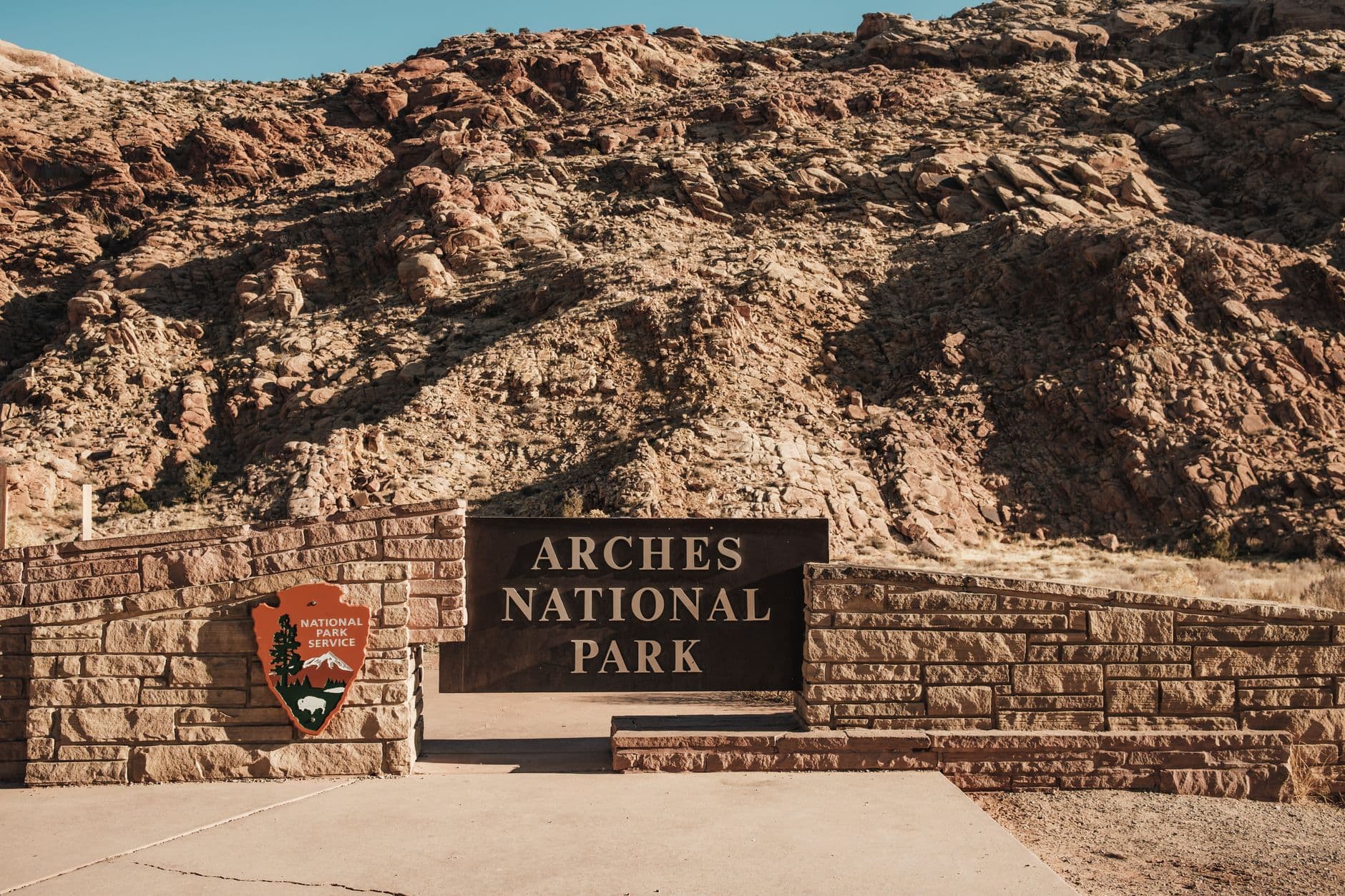
Natural Bridges National Monument Visitor Center
Photo by Airam Dato-on on Pexels
Shoot the visitor center exterior with the canyon walls behind it in the soft, low morning light before 9am.
Fully wheelchair accessible with flat paths and frequent benches—ideal if you want to ease into the day before tackling uneven trail.
10 min drive — A short, winding drive along the loop road with canyon rims opening up on either side
9:45 AM - 11:15 AM
Sipapu Bridge · midday · 90 min · Natural Bridges Monument Loop

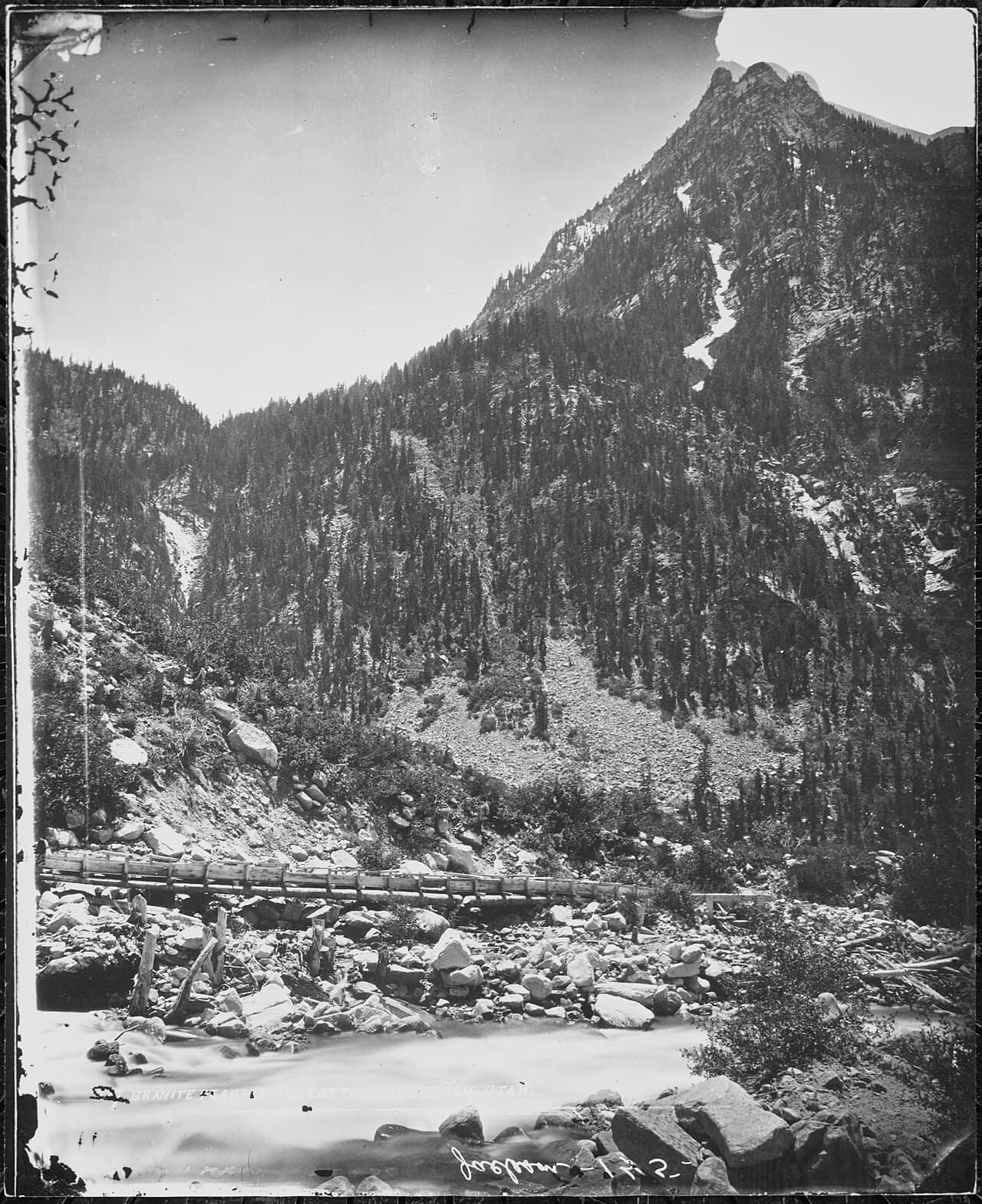
The trail drops you into White Canyon through switchbacks and a couple of sturdy wooden ladders, the air cooling noticeably as sandstone walls rise around you. Then the bridge appears—the second-largest natural span in North America—arching overhead in buttery stone against startling blue sky, with the creek's quiet murmur filling the silence. Solo hikers often linger here longest; it's a good spot to strike up conversation with fellow early risers comparing trail notes.

Sipapu Bridge
United States. Bureau of Land Management / wikimedia (Public domain)
Shoot from the creek bed looking straight up through the span—late morning light rakes across the underside beautifully.
Not wheelchair accessible; the trail includes ladders and uneven rock. The overlook near the parking area offers a view without the descent.
25 min drive — The longest stretch of the loop drive, past Kachina's overlook and sweeping canyon views—worth slowing down for
1:00 PM - 2:30 PM
Owachomo Bridge · afternoon · 90 min · Natural Bridges Monument Loop

The oldest and most delicate of the three bridges waits at the easiest trailhead on the loop—a short, gentle descent into an open, sunlit alcove that smells of sage and sun-warmed stone. Its impossibly thin span frames a window of sky, and the profound quiet here, broken only by wind, makes it a favorite for solo reflection. Afternoon crowds thin out by this hour, so you may well have the alcove to yourself.

Owachomo Bridge
James St. John / openverse (by)
Approach the trail slowly; the bridge reveals itself gradually against the canyon wall, making for a great sequential photo set.
Shortest and easiest trail of the three, though still unpaved and uneven—not wheelchair accessible.
Optional detour: Bridge View Trail — After Owachomo Bridge and before returning to lodging
An easy, flat loop section offering overlook views of all three bridges without additional descents—good for tired legs late in the day. Skip if: Skip if you've already seen all three bridges up close and want to conserve energy for Day 2's fuller hiking.
If it rains: If storms roll in, retreat to the Natural Bridges National Monument Visitor Center, where exhibits on Ancestral Puebloan history and ranger talks offer solid shelter and substance; avoid descending into White Canyon toward Sipapu or Kachina during flash-flood conditions.

The day opens gently at the visitor center, where quiet exhibit halls and generous ranger advice ease you into the rhythm of this remote monument before the sun climbs high. From there, the short drive to Sipapu Bridge delivers the trip's first real payoff: a descent through cooling canyon air and ladder-assisted switchbacks to a cathedral of pale stone arching over a whispering creek.

After a midday break, the loop road carries you west past sweeping canyon views to Owachomo Bridge, where the oldest and thinnest of the three spans waits in an open, sage-scented alcove. The short, easy trail makes this a restorative counterpoint to the morning's ladders, and the afternoon quiet here is some of the most profound solitude the monument offers.

With no restaurants inside the monument, plan to have packed a simple dinner from supplies picked up in Blanding before heading in—eat it at your lodging or a quiet pullout as the canyon rim catches the day's last light. Turn in early; dark-sky conditions here reward an early start tomorrow, and the stars alone are worth stepping outside for before bed.

Deeper exploration, golden light

Day 2: Kachina Bridge and the Full Canyon Loop

A moderately active day of roughly 3 miles total, focused on Kachina Bridge and a slower, photography-driven pass through the loop's remaining overlooks.

Wear
Similar layered setup to Day 1—warm layer for a pre-dawn start, breathable hiking shirt, broken-in boots for creek-adjacent rock, and a rain shell packed given spring's shower potential.
Budget
$25–35 (gas, packed meals, incidentals)
7:30 AM - 9:30 AM
Kachina Bridge · morning · 120 min · Natural Bridges Monument Loop

Arrive by 7:30am and the trailhead parking lot will likely hold only one or two other cars—this bridge sees moderate crowds later in the day but rewards early risers with total solitude. The trail descends through cool, shadowed canyon to a massive, thick span still actively being carved by the creek below, its rust-red walls glowing as the sun clears the rim. It's the youngest-looking of the three bridges, and the scale of it up close is genuinely humbling.

Kachina Bridge
OFFICE OF THE FEDERAL REGISTER / wikimedia (Public domain)
Shoot from creek level looking up—morning light hits the canyon alcove walls first, creating dramatic contrast before midday flattens it.
Trail includes creek crossings that become hazardous after rain; the roadside Kachina Overlook offers a accessible-by-car alternative view if conditions are uncertain.
15 min drive — A quick hop along the loop road to the trailhead, red rock walls sliding past the windows
10:15 AM - 12:15 PM
Bridge View Trail · midday · 120 min · Natural Bridges Monument Loop

This flat, easy loop section stitches together overlooks of all three bridges without further descents, making it the perfect lower-energy midday stretch after the morning's canyon hike. Rust-colored cliffs tower overhead while the trail itself stays level and forgiving, ideal for a slower pace with camera in hand. It's also a good stretch for conversation if you cross paths with other solo travelers pacing the loop at the same unhurried speed.

Bridge View Trail
Photo by ah64dka52 on Pixabay
The Sipapu Bridge western overlook along this trail is particularly striking near midday when the sun sits directly over the canyon.
Flat path throughout, though still unpaved—manageable for most fitness levels but not wheelchair accessible.
10 min drive — Backtracking a short stretch of the loop road as the afternoon light begins to warm and lengthen
4:00 PM - 5:30 PM
Sipapu Bridge · afternoon · 90 min · Natural Bridges Monument Loop

A return visit in late-afternoon light transforms Sipapu entirely—the crowds from Day 1's mid-morning rush are gone, and long shadows stretch across the canyon floor while the bridge itself catches warm, golden light. This is the kind of quiet, repeat encounter that rewards slow travel: the same place, utterly different mood. Many solo hikers find this the most meditative stop of the whole trip.

Sipapu Bridge
United States. Bureau of Land Management / wikimedia (Public domain)
Return for golden hour—roughly an hour before sunset, when the bridge's underside glows amber and shadows add real depth to the canyon walls.
Same trail as Day 1; not wheelchair accessible, includes ladders and uneven terrain.
Optional detour: Owachomo Bridge — After Bridge View Trail and before the afternoon return to Sipapu Bridge
A third visit at different light would deepen the photography opportunity, especially if yesterday's conditions were overcast. Skip if: Skip if you already captured strong images yesterday afternoon and prefer to conserve energy and daylight for the Sipapu return hike.
If it rains: If rain threatens, skip the Kachina creek crossing and view it instead from the roadside Kachina Overlook, then spend extra time at the visitor center or along the paved sections of Bridge View Trail until conditions clear.

Dawn brings the trip's quietest hour at Kachina Bridge, where a near-empty trailhead and cool shadowed canyon air set the stage for an up-close encounter with the monument's most massive span. The creek-carved alcove glows as early light finds its way down the canyon walls, and the sense of having this scale of geology entirely to yourself is rare and worth the early alarm.

Midday shifts into a gentler rhythm along the flat, overlook-studded Bridge View Trail, where camera time and easy walking replace the morning's descent. As the afternoon light softens, a return to Sipapu Bridge reveals the canyon in an entirely different mood—golden, shadow-streaked, and quiet again as the day's visitors thin out.

With no dining options inside the monument, plan dinner around supplies packed in from Blanding or a stop in town on the way out, since nothing is available at the trailheads themselves. Spend the last light of the trip at a quiet pullout along the loop road, watching the canyon rim deepen into silhouette before the exceptional dark-sky stars take over completely.

Want to tweak this trip?

Our AI planner can customize this itinerary to your exact dates, interests, and travel style.

Customize This Itinerary
Good to Know

Restaurant and food availability details change frequently, especially in remote areas with seasonal operations. Confirm current hours before relying on any specific option.

Dietary compatibility notes are general guidance only. Travelers with severe allergies should confirm directly with any food vendor before relying on packaged or prepared items.

Travel and safety tips provided here are general guidance, not professional advice. Check current National Park Service alerts and weather forecasts before entering canyon trails.

All prices are approximate estimates and may vary by season, availability, and personal spending habits.

We use cookies to improve your experience and analyze site usage. Essential cookies are always active. You can customize your preferences or accept all cookies. Cookie Policy