Chesapeake Bay Region (Yorktown, Gloucester), Virginia
3-Day Itinerary for Solo Traveler
“Tidewater Solo: Salt Air, Siege Lines & Golden Fields”

The York River doesn't rush anything, and neither should you—here the tide sets the schedule, cannon-scarred earthworks sit quiet under summer haze, and a solo traveler can wander from sand to siege line to sunset table without ever feeling out of place. This is a region built for unhurried curiosity: three days of salt breeze, colonial ghosts, and just enough naval steel to keep things interesting.
At a Glance
Highlights
- Sunrise walk on Yorktown Beach before the crowds arrive
- Standing in the actual siege trenches where Cornwallis surrendered
- Climbing aboard the USS Wisconsin on Norfolk's working waterfront
- Golden-hour photos at the Victory Monument overlook
- Slow, communal seafood dinners at waterfront taverns
- A pastoral afternoon among Gloucester's rolling countryside
- Early starts that reward you with empty overlooks and cool air
Day-by-Day Plan
Day 1: First Light on the York River
A gentle arrival day pairing a quiet beach morning with an unhurried deep-dive into Yorktown's Revolutionary War landscape, roughly 2 miles of walking at an easy pace.
Arrive while the sand is still cool and the bay is glassy—by 7:30am the beach belongs to early joggers and a few fishing lines, not the summer crowds that arrive by mid-morning. Wade in if you like, or simply walk the shoreline with the Yorktown Victory Monument rising behind you, gulls tracing lazy circles overhead. It's an easy, solitary way to settle into the pace of the place before the day's history lesson begins.
Walk the same earthen mounds where Washington's forces closed in on Cornwallis—the siege lines are quiet now, just wind through the grass and the distant glint of the York River beyond the trees. Give yourself real time here; the visitor center exhibits contextualize the battlefield walk, and solo travelers often find themselves falling into conversation with fellow history buffs at the overlook. Arrive before 10am for a cooler walk and thinner crowds; by early afternoon the trench trails get warm and busier.

The beach at dawn is less a destination than a decompression chamber—sand cool underfoot, the bay barely rippling, the Victory Monument a pale shape in the early light. This is where the trip's rhythm gets set: slow, tidal, unhurried.
By mid-morning the pace shifts into something more contemplative. The siege lines at Colonial National Historical Park ask you to walk slowly and think historically—Washington's strategy laid out in grass-covered mounds, the river a constant presence just beyond the tree line. It's substantial but not exhausting, ideal for a first full day.
Dinner comes early here, tidewater-style—settle into bar seating at a waterfront spot around 6pm, order something with crab in it, and let the day's history settle alongside the sunset. Solo diners blend easily into the bar crowd at these casual institutions.
Day 2: Steel and Salt on the Elizabeth River
A day trip to Norfolk's working waterfront for maritime museum exploration and battleship touring, roughly 1.5 miles of walking, moderate energy with indoor/outdoor mix.
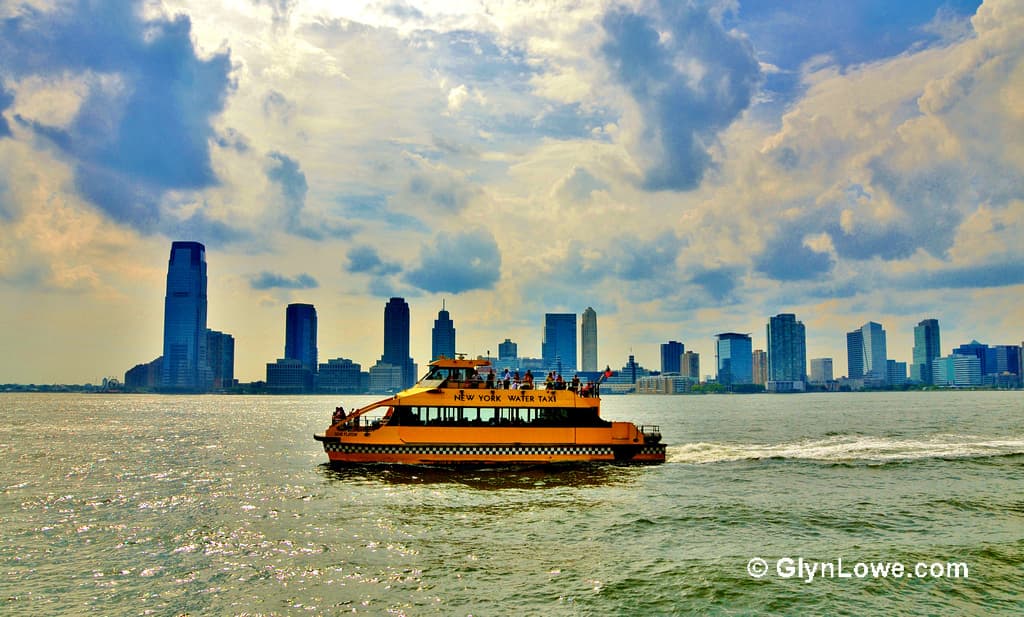
Arrive at opening to catch the exhibits before tour groups and families fill the halls—the interactive maritime science displays reward unhurried browsing, and the observation deck over the Elizabeth River is a fine spot to watch tugboats work. Don't rush the USS Wisconsin; climbing the battleship deck alone gives you space to really absorb the scale of the thing, brass fittings gleaming, the Norfolk skyline stacked up behind the naval yard.

The drive into Norfolk trades marsh grass for skyline, and Nauticus meets you with the hum of aquarium pumps and the brine smell of a working harbor. Arriving early means the exhibits are yours to explore at leisure, and the battleship deck—vast, brass-bright, genuinely humbling—rewards slow wandering.
After the museum, the afternoon opens up loosely—browse the waterfront plaza, watch the tugboats, or simply sit with a coffee and let the naval history settle. This is a lower-key stretch by design, balancing the morning's dense exhibit time.
Head back toward Yorktown for an easy dinner, or stay in Norfolk if the rooftop bar scene appeals—either way, aim for an early seating around 6pm to match the region's rhythm, and don't hesitate to grab a spot at the bar where conversation flows easily among solo travelers and locals alike.
Day 3: Gold Fields and Quiet Countryside
A slower final day exploring Gloucester's rural landscape at an easy pace, roughly 1-1.5 miles of walking, low-to-moderate energy as a wind-down before departure.
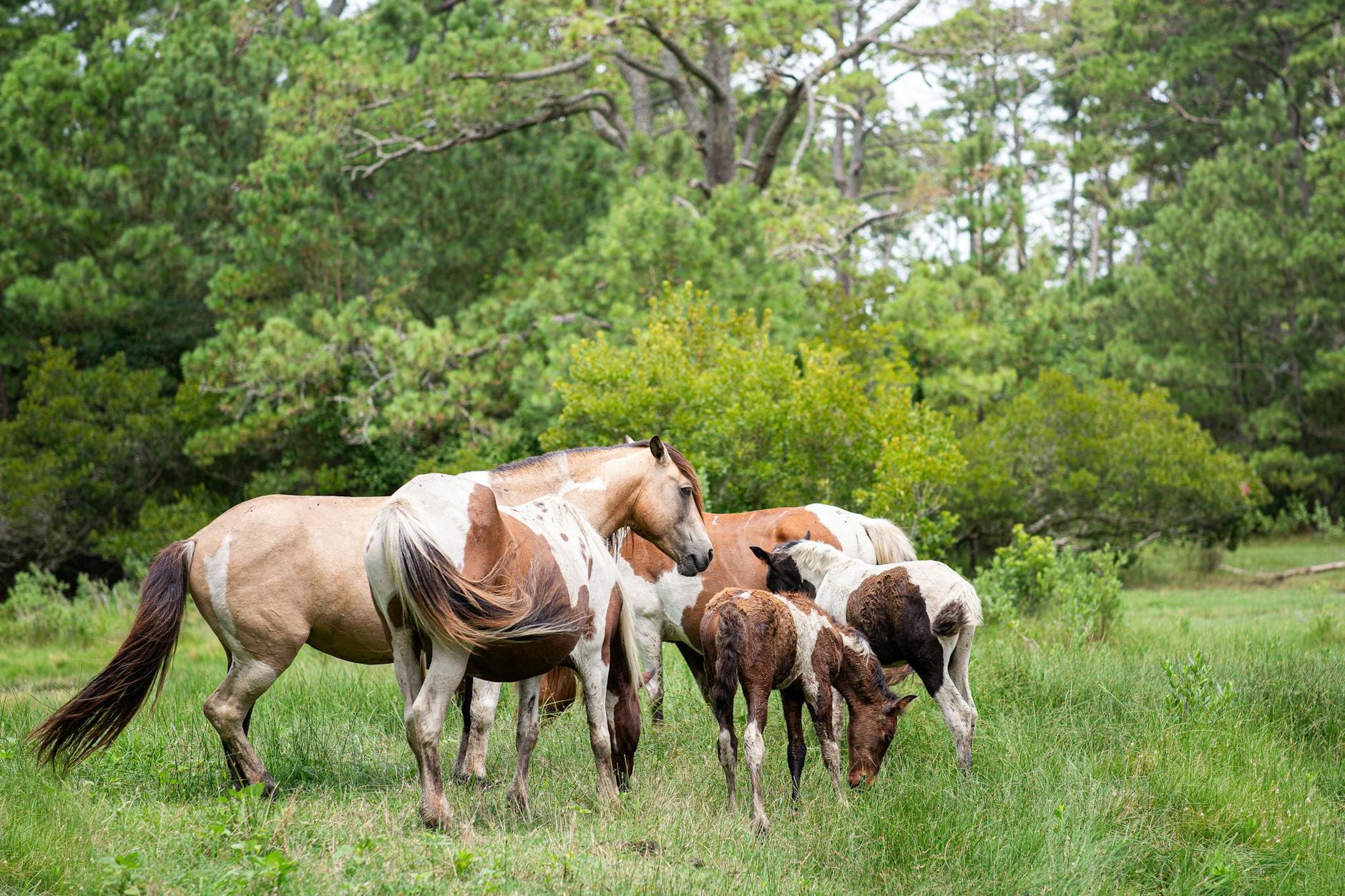
Note: this landmark's peak bloom is a spring event, but the grounds and waterfront vista remain a worthwhile pastoral wander any season—arrive early for cool air and the gravel paths mostly to yourself. The Chesapeake breeze off the river and the quiet murmur of the countryside make this an easy, contemplative close to a history-dense trip, whether or not the daffodils are in bloom during your visit.

The drive to Gloucester feels like exhaling—farmland replaces colonial brick, and the pace slows another notch. Walking the festival grounds' gravel paths in the cool morning air, river glinting at the meadow's edge, is a gentle way to let the trip's history and heat both settle before heading home.
With no further anchored stops, the afternoon is yours—linger over the Gloucester countryside, backtrack for a last beach walk in Yorktown, or simply start the drive home unhurried, windows down along Route 17.
If timing allows, an early dinner back in Yorktown makes a fitting last meal—otherwise, this quiet county morning is a graceful place to let the trip wind down naturally.
Want to tweak this trip?
Our AI planner can customize this itinerary to your exact dates, interests, and travel style.
Customize This ItineraryRestaurant details (hours, menus, availability) change frequently. Check current hours before visiting, especially in seasonal destinations.
Dietary compatibility tags are general guidance. If you have severe allergies, confirm directly with the restaurant.
Travel tips are general guidance, not professional safety advice. Check government advisories for latest information.
All prices are approximate and may vary seasonally.