Eastern Shore (Northampton, Accomack), Virginia
4-Day Itinerary for Active Retirees
“Marsh Light & Island Time: 4 Days on Virginia's Eastern Shore”
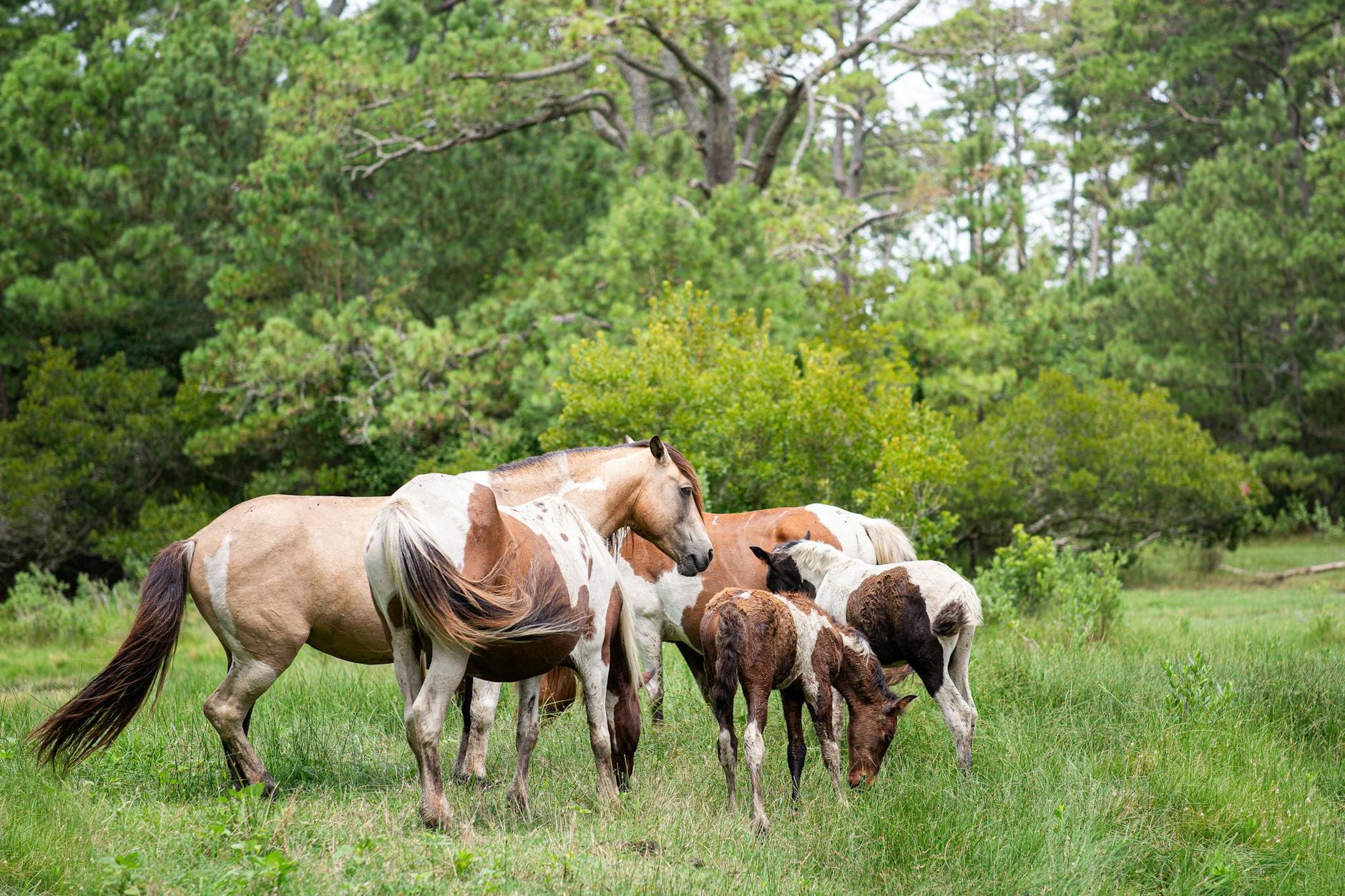
Here the horizon stretches flat and silver between marsh and bay, broken only by the silhouette of a pony or the slow wingbeat of a heron. This is a trip measured in tides, not minutes — four unhurried days of salt air, wildflower-dusted dunes, and seafood served the way it's been served for generations.
At a Glance
Highlights
- Wild ponies grazing the marshes of Chincoteague at dawn
- Flat, bench-lined boardwalks through the National Wildlife Refuge
- Wide, uncrowded Atlantic beaches on Assateague Island
- A step back in time aboard the mailboat to Tangier Island
- Fresh-caught blue crab and rockfish at family-run waterfront tables
- Spring wildflowers threading through the dune grass
Day-by-Day Plan
Day 1: Settling Into Marsh Time
A gentle first day easing into the rhythm of the Shore with a flat, scenic introduction to Chincoteague's wild ponies and marshland — under 2 miles of walking, low physical exertion.
Arrive by 9am, while the marsh is still hushed and the ponies are often grazing close to the loop road. The salt air carries a faint sweetness from the spring wildflowers just beginning to bloom along the dune line, and the only real sound is wind through the cordgrass and the occasional cry of a heron lifting off a pool. Take the Wildlife Loop Drive slowly — the flat, paved path and frequent benches make this an easy, unrushed morning for anyone who prefers cultural depth and quiet observation over exertion.
The first morning unfolds slowly, as it should. After settling into Chincoteague, the drive out to the refuge feels like crossing into another pace of life entirely — flat marsh stretching in every direction, the air thick with salt and the occasional whinny carried on the wind. Early arrival means the loop road is nearly empty, ponies grazing unbothered just yards from the path, and the benches along the way make it easy to simply sit and take it all in.
With the morning's wildlife encounter behind you, the afternoon opens up as unstructured time to explore Chincoteague Island at whatever pace feels right — a slow walk along the harbor, a nap to recover from travel, or simply sitting with a coffee watching workboats come and go. There's no rush today; this is the day for resetting the internal clock to island time.
As the light softens toward evening, settle in for an early, easy dinner in town — Chincoteague's restaurants tend to favor unhurried service and comfortable seating, well suited to a first night of decompression. Expect the pace to slow further after dark; this is not a place for nightlife, but for porch light and the sound of tide coming in.
Day 2: Wild Horses and Open Sand
A full but relaxed day exploring Assateague Island's beaches and dunes, with roughly 2 miles of easy, flat walking spread across the morning and afternoon.
Arrive by 8:30am for the best light and the emptiest beach — wild horses are often visible grazing near the dune line in the cool of early morning before the day's few visitors arrive. The Atlantic here feels genuinely untamed: long, open stretches of sand, low dune grass rippling in the wind, and the rhythmic crash of surf that makes conversation feel unnecessary. The flat beach walking suits a relaxed pace well, though benches are sparse, so plan rest stops near the dune crossings.

After a long, leisurely lunch break, return to a quieter stretch of the island for the afternoon — the crowds, modest even in high season, thin out further after midday. This is unstructured beach time: a slow walk along the tideline, a seat in the dune grass to watch shorebirds, or simply the pleasure of doing nothing with the ocean as backdrop.
Morning on Assateague has a stillness that's hard to describe until you've stood in it — just wind, waves, and the distant shapes of wild horses moving along the dune edge. Arriving early rewards you with the island nearly to yourself, the sand cool and firm underfoot, ideal for a slow walk without the crowds that build later in the day.
After a long lunch back on the mainland side, the afternoon returns to the island at a gentler pace — no agenda beyond sun, sand, and the long Atlantic horizon. This is the heart of the beach-and-relax day, with plenty of time to simply sit, watch, and breathe.
As the afternoon light lengthens, head back toward Chincoteague for an early seafood dinner, giving tired legs a rest and settling into the evening's slower rhythm. The day's sensory overload — salt, sun, wind — makes for an early, contented bedtime.
Day 3: Crossing to Tangier
A full-day excursion to remote Tangier Island by boat, with minimal walking (under 1.5 miles) but a full immersion into watermen culture and island quiet.
The mailboat crossing itself is part of the experience — open bay water, gulls trailing the wake, and the slow reveal of Tangier's low silhouette on the horizon. Once ashore, the pace drops even further: narrow lanes, weathered clapboard houses, and working docks lined with colorful crab boats tell the story of a community still tied to the water as its ancestors were. Golf cart tours or a slow walk suit this low-energy, culturally rich stop well, and the isolation itself is the draw — there's real quiet here, the kind increasingly rare on the coast.

The day begins with the crossing rather than a destination — a slow, scenic boat ride across open bay water that feels like a deliberate transition away from the mainland's pace entirely. Gulls trail the wake, the horizon stays empty for a long while, and then Tangier appears low and quiet ahead.
Once ashore, the afternoon is given over entirely to wandering — narrow lanes between weathered houses, working docks stacked with crab pots, and a stillness that feels almost anachronistic. A long lunch at Lorraine's Seafood anchors the visit, giving plenty of time to simply sit, eat well, and take in the rhythm of a community still built around the water.
The return crossing in late afternoon light tends to be calmer and quieter than the outbound trip, a fitting close to a day spent somewhere genuinely apart from everything else on this itinerary. Expect an early, easy evening back on the mainland — today's quiet demands little more than rest.
Day 4: Last Light on the Marsh
A light, easy final day revisiting the refuge's quieter corners before departure, with under 1.5 miles of flat walking.
A final, unhurried return to the refuge for a quieter, more contemplative visit — arriving by 8am again means near-empty boardwalks and the best chance of ponies close to the path in the day's cool early hours. This is less about covering new ground and more about a slow, appreciative farewell to the marsh light and salt air that defined the trip.
The final morning is deliberately gentle — a slow return to the refuge's boardwalks, where the marsh feels familiar now, its rhythms recognizable after days of watching them unfold. There's no rush to see anything new, only the pleasure of sitting with what's already been seen.
With bags packed and the drive back toward Route 13 ahead, the afternoon is best kept unstructured — a final coffee in Chincoteague, a last look at the harbor, and the slow acceptance that the marsh's pace will be hard to leave behind.
Departure typically falls in the afternoon or early evening; if timing allows a final meal before the road, keep it simple and unhurried, matching the tone the whole trip has set — no rush, no crowds, just the tide going out one last time.
Want to tweak this trip?
Our AI planner can customize this itinerary to your exact dates, interests, and travel style.
Customize This ItineraryRestaurant details (hours, menus, availability) change frequently, especially in this shoulder-season region. Check current hours before visiting.
Dietary compatibility tags are general guidance. If you have severe allergies, confirm directly with the restaurant.
Travel tips are general guidance, not professional safety advice. Check government advisories and local conditions, especially tide and ferry schedules, before traveling.
All prices are approximate and may vary seasonally.