Washington D.C., Washington D.C.
3-Day Itinerary for Teen Families
“Marble, Monuments & Motion: 3 Days in D.C. with Teens”
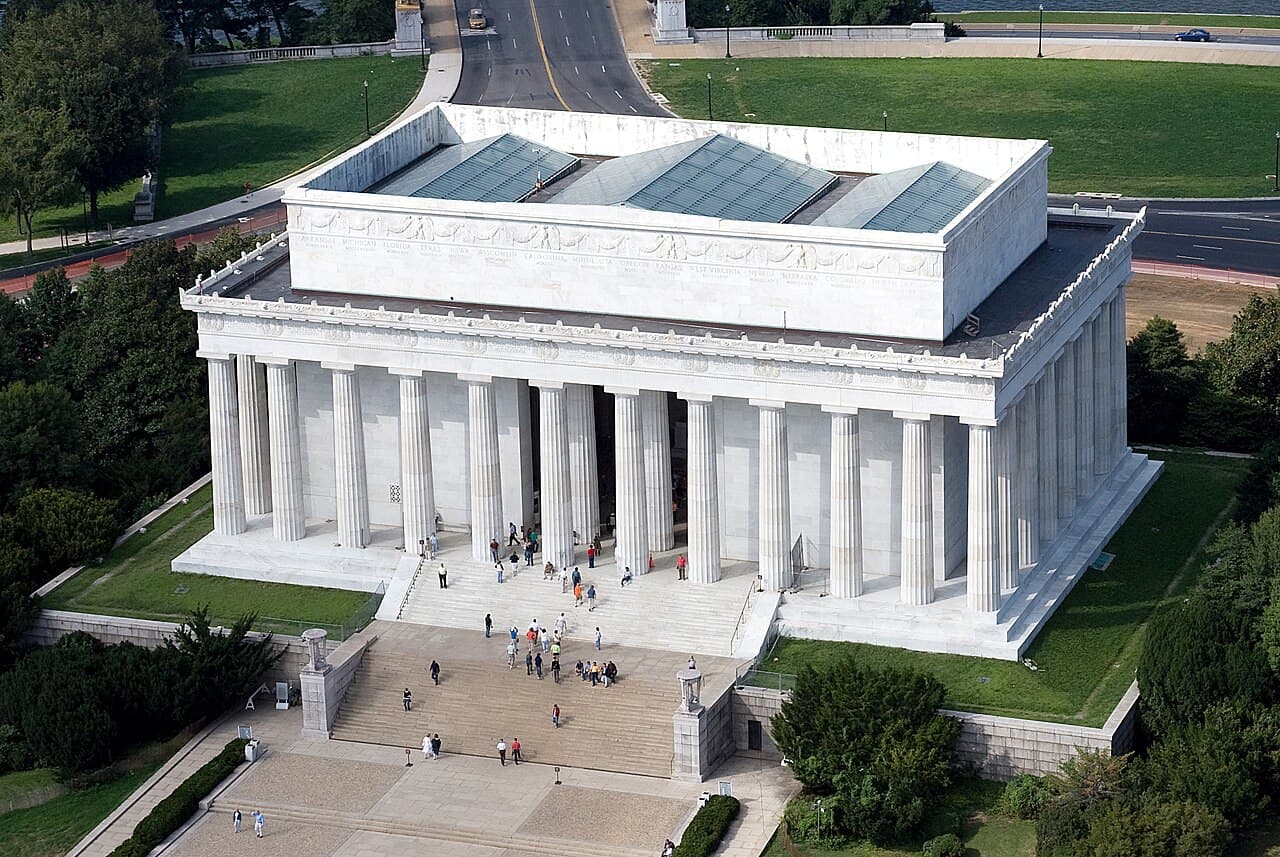
Marble doesn't care how old you are—it cools your palm the same way at fifteen as it does at fifty. This is a D.C. built for families with teens: mornings that beat the crowds, museums with enough edge to hold a teenager's attention, and evenings loose enough for a little independence.
At a Glance
Highlights
- Sunrise steps at the Lincoln Memorial before the tour buses arrive
- Hope Diamond and dinosaur bones under one Smithsonian roof
- 360-degree city views from the top of the Washington Monument
- Cherry blossom season along the Tidal Basin's memorial loop
- Georgetown's waterfront for teen-approved wandering and ice cream
- The hushed gravity of Arlington National Cemetery's changing of the guard
- U Street's live-wire energy and civil rights history after dark
Day-by-Day Plan
Day 1: First Light on the Mall
A gentle arrival day covering the Mall's iconic core on foot, roughly 3 miles of walking at an easy pace with generous museum downtime.
Arrive before 9am and the marble steps feel almost private—no elbow-to-elbow crowds, just the hush of Lincoln's 19-foot gaze and the Reflecting Pool stretching out below. Teens tend to underestimate this one until they're standing inside the chamber; the scale does the convincing. Read the Gettysburg Address carved into the wall—it takes ninety seconds and lands harder than expected.
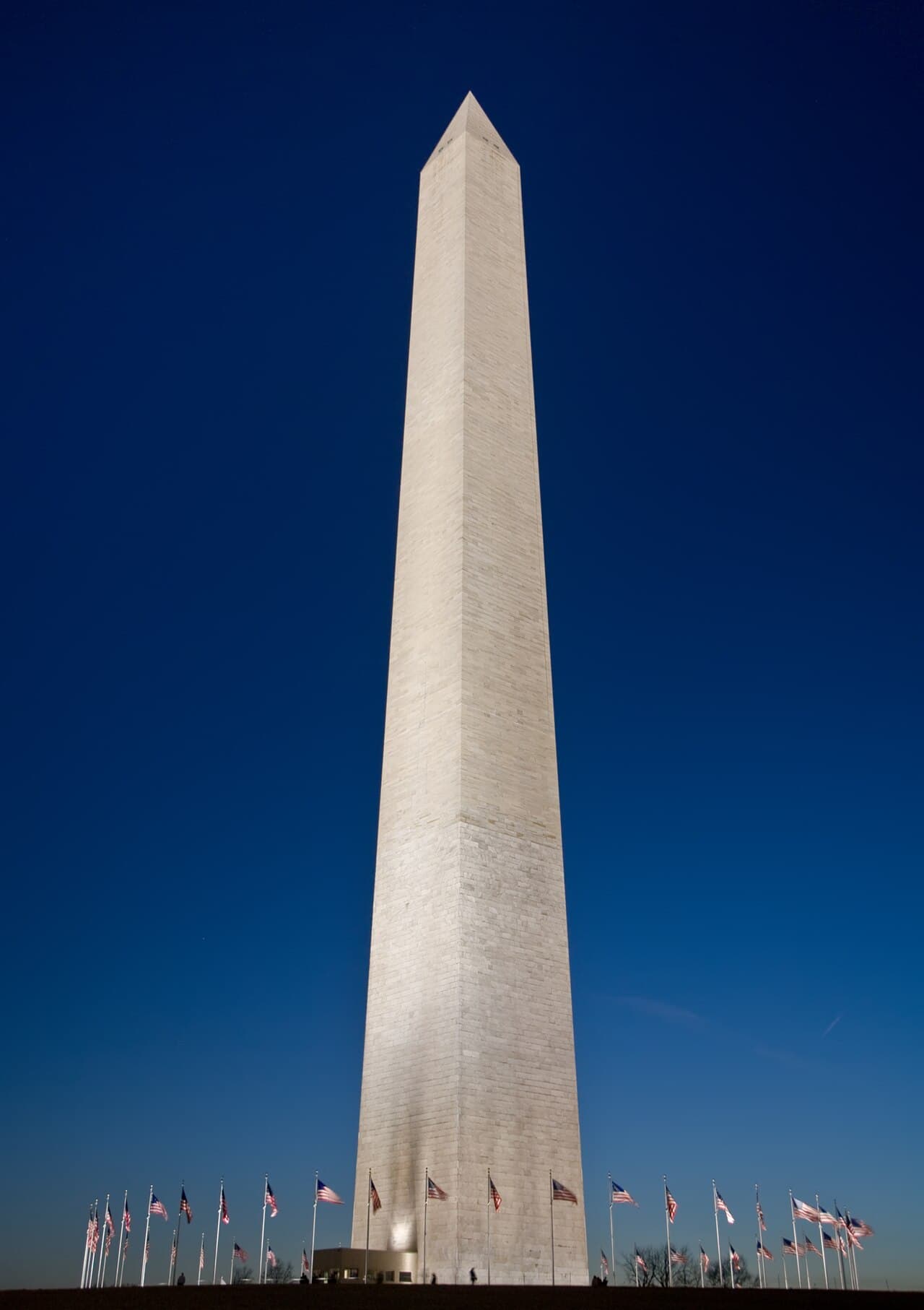
The walk over doubles as a monument tour in itself—the obelisk grows taller with every step. Ride the elevator up (reserve timed tickets in advance if possible) and let the city unfold in 360 degrees: the Capitol dome one direction, the Potomac glinting the other. It's the kind of view that gets phones out even for reluctant teens.
This is the museum that actually holds teens—Dorothy's ruby slippers, the Star-Spangled Banner itself, pop culture artifacts sitting next to Revolutionary War relics. Give everyone permission to split off and regroup at a set time; the exhibits are varied enough that different family members will gravitate to different corners.

The day starts gently, deliberately early, to catch the Lincoln Memorial in that rare quiet window before the tour groups arrive. The marble is cool, the Reflecting Pool is still, and the walk east toward the Washington Monument feels like watching the city wake up one landmark at a time.
After the sweep and scale of the monuments, the pace shifts indoors and gets more interactive—American History Museum lets everyone wander at their own speed, teens drawn to pop culture relics while parents linger over political history. It's the first real chance for a little built-in independence.
Dinner stays low-key and close by—pub fare, easy conversation, and an early return to wherever you're staying. Day one is about resetting the internal clock, not maximizing stops, so there's no shame in calling it early.
Day 2: Democracy in Session
A history-dense day pairing the Capitol Hill cluster in the morning with the Tidal Basin memorials in the afternoon, roughly 4 miles of walking.
Book the free tour in advance—arriving at 8:30am means walking into the Rotunda with barely another visitor in sight, gold leaf and frescoes glowing overhead in that early light. It's the kind of grandeur that even a skeptical teenager admits is impressive. The dome alone is worth the early wake-up.

A five-minute walk delivers you to arguably the most beautiful room in Washington—the Main Reading Room under its gilded dome, visible from an observation gallery. Even teens allergic to libraries tend to go quiet here; the sheer ornateness of the place does the talking.

The Tidal Basin in spring means cherry blossoms framing the dome—arrive for softer afternoon light and the water's reflection at its calmest. Jefferson's 19-foot bronze figure anchors the rotunda with quiet weight; the inscriptions ringing the walls are worth the few extra minutes to read.

A quieter, more tactile stop—four outdoor rooms with cascading water and bronze sculptures teens can actually touch, including the beloved Fala the dog. It's less monumental in scale than Jefferson next door, more intimate, and a good decompression stop after two dense indoor mornings.

The day opens with democracy itself—an early Capitol tour before the crowds arrive, followed by the quiet grandeur of the Library of Congress's Reading Room, its gilded dome glowing overhead. Both stops reward the early start with near-empty halls and unhurried exploration.
The pace shifts from grand interiors to the open air of the Tidal Basin, where cherry blossoms (season permitting) frame the Jefferson Memorial's dome and the FDR Memorial's cascading water rooms offer something more tactile and personal after a morning of marble and mahogany.
Dinner lands close to the basin, low-key and casual after a long day of walking—pizza or a relaxed local spot, whichever the group has energy for. It's an early night; tomorrow's pace picks back up.
Day 3: Neighborhood Pulse
A lighter, more social day mixing Georgetown's waterfront charm with U Street's cultural energy, roughly 3.5 miles of walking with built-in teen autonomy time.
Georgetown has no Metro stop, which keeps it feeling like a village rather than a tourist circuit—cobblestone side streets, boutique storefronts, and the Potomac glinting at the bottom of M Street. This is the built-in autonomy window: let teens loose for an hour with a set meeting point and time, while parents browse the C&O Canal towpath or waterfront shops at their own pace.

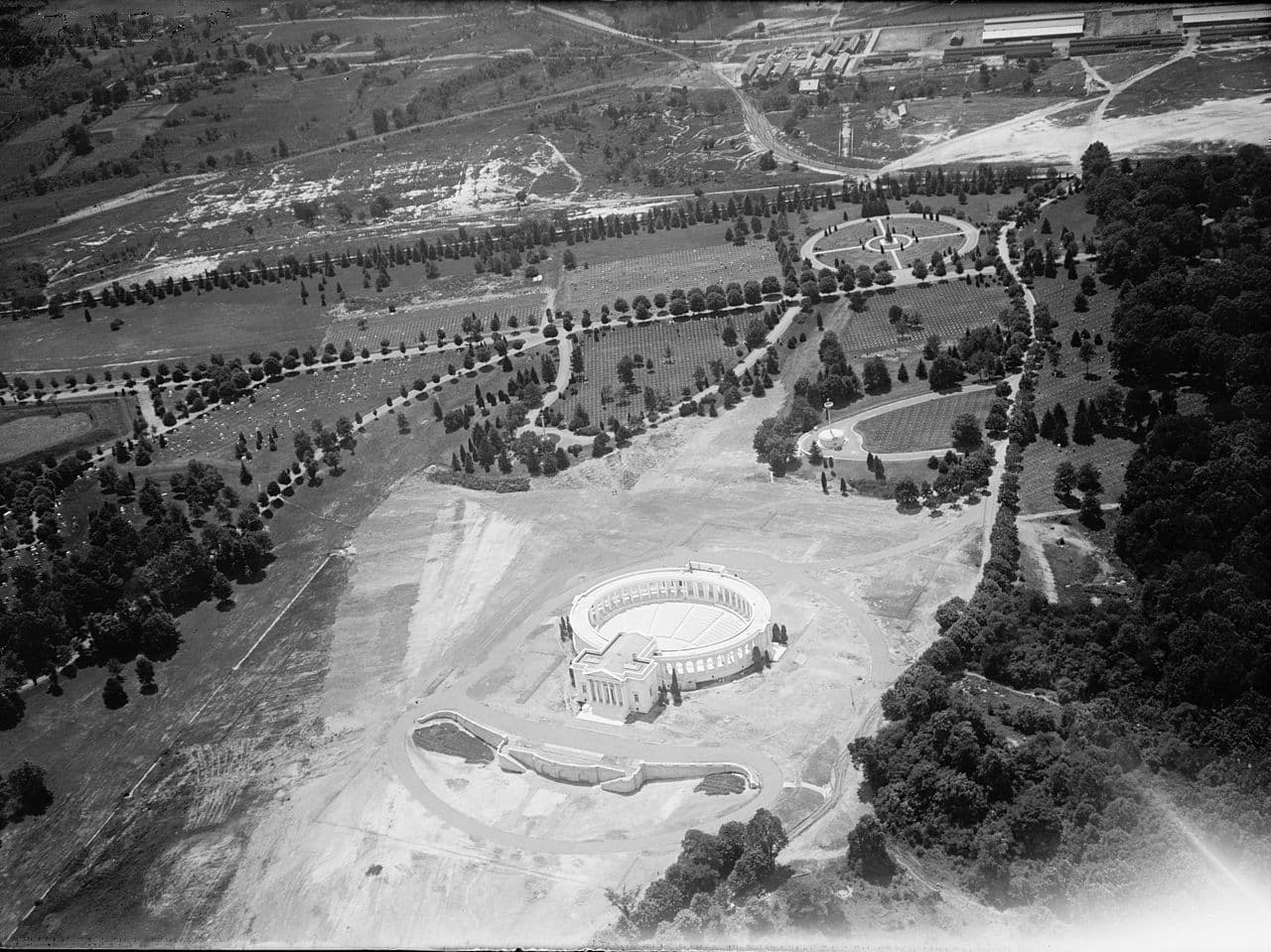
The mood shifts sharply here—rows of white marble stretching across green hills, the hush broken only by footsteps and, if timing aligns, the faint call of a bugle. Timing the visit around the Changing of the Guard at the Tomb of the Unknown Soldier gives the trip its most solemn, memorable moment; even restless teens tend to go quiet for this one.
The energy flips completely—live jazz spilling out of open doors, restored rowhouses turned into galleries and music venues, the smell of grilled meats and Ethiopian spices thick in the air. This is D.C.'s Black Broadway, and it's the kind of neighborhood that gives teens a sense of a living, breathing city rather than a monument tour. Dinner here doubles as the evening's entertainment.

The day opens at a slower, more social pace—Georgetown's cobblestone streets and waterfront give the whole family room to spread out, teens set loose for a stretch of independent wandering while the adults linger over coffee or shop windows.
The mood pivots hard into reverence at Arlington National Cemetery, rows of white marble stretching into the distance and the Changing of the Guard offering one of the trip's most affecting moments—a deliberate contrast to the morning's easy charm.
U Street closes the trip on a high note—live music, street art, and a counter-stool dinner at a D.C. institution give the evening real energy, a fitting last note before heading back to pack for departure.
Want to tweak this trip?
Our AI planner can customize this itinerary to your exact dates, interests, and travel style.
Customize This ItineraryRestaurant details (hours, menus, availability) change frequently. Check current hours before visiting, especially in seasonal destinations.
Dietary compatibility tags are general guidance. If you have severe allergies, confirm directly with the restaurant.
Travel tips are general guidance, not professional safety advice. Check government advisories for latest information.
All prices are approximate and may vary seasonally.
Attractions in This Itinerary
Lincoln MemorialMonumentWashington MonumentMonumentSmithsonian National Museum of American HistoryMuseumUnited States CapitolMonumentLibrary of CongressMuseumJefferson MemorialMonumentFDR MemorialMonumentGeorgetown NeighborhoodNeighborhoodArlington National CemeteryMonumentU Street CorridorNeighborhood