4 DaysActive Retirees8 Stops

Seattle area (day trips), Washington

4-Day Itinerary for Active Retirees

Mist, Meadows & Island Light: A Gentle Seattle Day-Trip Circuit

Mist, Meadows & Island Light: A Gentle Seattle Day-Trip Circuit

Just beyond Seattle's skyline, mist rises off emerald gorges and windswept bluffs cradle a century of quiet history. This is a trip paced to the rhythm of Pacific Northwest mornings—unhurried coffee, short drives through evergreen corridors, and afternoons that leave plenty of room for a bench, a view, and nowhere else to be.

At a Glance

Climate & Weather
Spring in the Seattle area means mild days (50–60°F), frequent rain showers, and wildflowers just beginning to bloom on the bluffs and meadows. Pack a waterproof jacket, layers you can shed midday, and sturdy waterproof walking shoes—trails and viewpoints can be damp even between showers.
Getting Around
A rental car is essential for this day-trip circuit; distances are short (45 minutes to Snoqualmie Valley, roughly 1.5 hours plus a scenic drive to Whidbey Island) but public transit doesn't reach these areas conveniently. Roads are well-paved and gently graded, ideal for relaxed driving.
Budget
Budget approximately $70–110 per person per day for meals and modest activity costs (parking passes, gift shop items); most stops on this itinerary are free to visit, with costs concentrated in dining.
Safety
This is a very low-risk destination for visitors; trails at the recommended stops are well-maintained and heavily trafficked. Watch footing on wet boardwalks and paved paths after rain, keep a respectful distance from any deer encountered on Whidbey Island, and note that Puget Sound waters are cold year-round—no wading required on this itinerary.
Connectivity
Cell coverage is reliable in Seattle and along major highways (I-90, Highway 20) but can weaken in pockets of the Snoqualmie Valley and on rural stretches of Whidbey Island. Most cafés and lodges offer WiFi; download offline maps before departing the city as a precaution.
Local Tips
Arrive at outdoor viewpoints before 9am to enjoy them in near-solitude, since Pacific Northwest crowds build steadily through late morning; many restaurants stop serving by 9pm, so plan dinner reservations for 6–7pm; and always carry a light rain shell, even on days that start sunny, since Puget Sound weather shifts quickly.

Highlights

  • Standing in the cooling mist of a 268-foot waterfall before the tour buses arrive
  • Wandering Langley's gallery-lined streets with a coffee in hand
  • Tracing restored gun batteries above the Strait of Juan de Fuca at Fort Casey
  • Watching wildflowers ripple across the bluffs at Ebey's Landing
  • A quiet countryside drive past farm stands and cedar forest
  • Golden hour over Penn Cove from Langley's waterfront park
  • Unhurried lunches with water views and zero need to rush

Day-by-Day Plan

Waterfall & Settling In

Day 1: Mist and Gentle Arrival in the Snoqualmie Valley

A gentle first day with one iconic waterfall viewpoint and a short forest walk, totaling under a mile of flat-to-easy walking.

Wear
Waterproof jacket, layers, and comfortable walking shoes with good tread—paths are paved at the falls and mildly uneven at Twin Falls.
Budget
$60–90 per person (lunch, dinner, minor parking fees)
8:00 AM - 9:15 AM
Snoqualmie Falls · morning · 75 min · Snoqualmie Valley

Arrive by 8am and the observation deck is nearly yours alone—just the roar of 268 feet of falling water and cool mist settling on your face. The gorge walls are dark and moisture-streaked, and there's a stillness here before the day-trippers arrive that makes the thunder of the falls feel almost private. Benches along the paved path make this an easy, unhurried first stop after a flight or drive into the city.

Snoqualmie Falls
Robert Ashworth from Bellingham, WA., USA / wikimedia (CC BY 2.0)
Shoot from the main observation deck in morning light, when mist catches the sun before crowds fill the frame.
Fully paved, flat path from parking to the main viewing deck with frequent benches; wheelchair accessible.
20 min driveA short countryside drive along the valley floor, passing scattered farms and thickening forest as the road climbs gently.
10:00 AM - 11:30 AM
Twin Falls Trail · midday · 90 min · Snoqualmie Valley

A short, forgiving forest walk to a viewing platform where two ribbons of water tumble through old cedar and fir. The air smells of damp earth and greenery, and the trail—while not paved—is gentle enough for a relaxed pace with plenty of stopping points. This is cultural and natural depth without the exertion of a summit hike, a good pairing after the stillness of the falls.
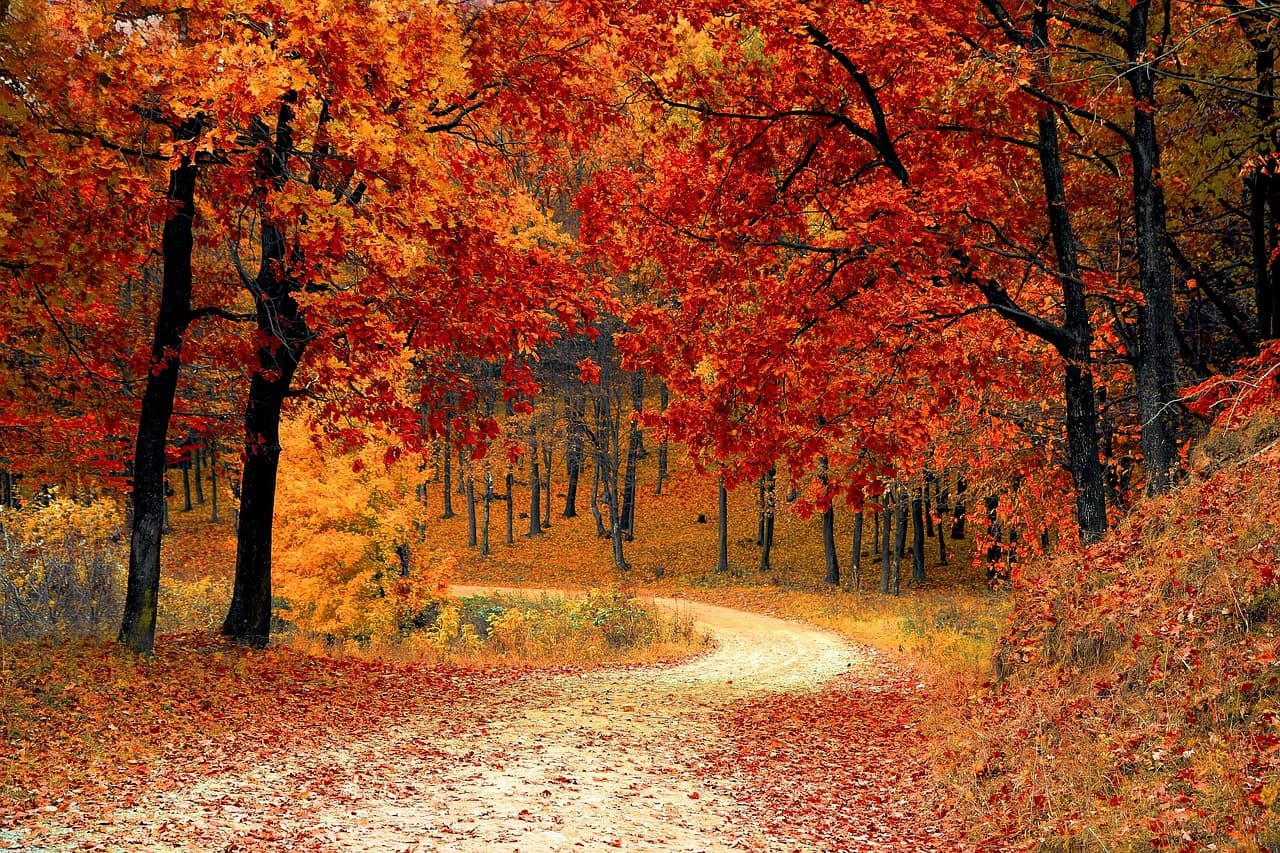
Twin Falls Trail
Photo by Valiphotos on Pixabay
The lower falls basin platform captures both cascades in one frame; best in soft midday light when direct sun isn't harsh through the canopy.
Not wheelchair accessible; uneven forest trail with some tree roots—sturdy shoes recommended, and there are natural rest points along the way.
Lunch
Salish Lodge & Spa $$$
Upscale Pacific Northwest · At Snoqualmie Falls
A relaxed, quiet dining room overlooking the falls gorge—ideal for a leisurely lunch with excellent regional seafood and produce.
Dinner
Salish Lodge & Spa $$$
Upscale Pacific Northwest · At Snoqualmie Falls
Return in early evening for a calmer dining room and the same gorge views, now softened by fading light.
Optional detour: Rattlesnake Lake & Ledge TrailAfter Twin Falls Trail and before lunch
A scenic alpine lake overlook with a rewarding, if moderate, walk for those wanting a bit more exercise. Skip if: The trail involves uneven terrain and limited benches, better suited to a more active day than this gentle arrival day.
If it rains: Heavy rain actually intensifies Snoqualmie Falls' spectacle, and the observation deck remains open and covered enough for a comfortable visit—simply bring waterproof shoes and a jacket, and consider shortening the Twin Falls walk if the trail turns slick.

The day begins gently at Snoqualmie Falls, where arriving early rewards you with near-solitude and the full sensory hit of 268 feet of cascading water without the midday crowds. The paved paths and frequent benches make this an ideal, low-pressure introduction to the Pacific Northwest's dramatic water features.

After a relaxed lunch overlooking the gorge, the pace shifts slightly with a short forest walk to Twin Falls—cooler, quieter, and shaded, with the scent of cedar and the growing roar of water marking your approach to the viewing platform.

Dinner returns you to the Salish Lodge, where the dining room settles into a quieter rhythm by early evening and the gorge views take on a softer, golden cast—an easy, unhurried close to a light first day.

Nature & Light

Day 2: Ridges, Meadows, and the Valley's Wilder Edge

A nature-focused day with a moderate lakeside walk and flexible time for photography, keeping total walking under 2 miles.

Wear
Waterproof hiking shoes, layered clothing, and a packable rain shell—mountain weather shifts quickly even in spring.
Budget
$50–80 per person (lunch, light snacks, minor fees)
8:30 AM - 10:30 AM
Rattlesnake Lake & Ledge Trail · morning · 120 min · Snoqualmie Valley

Arrive early to catch the lake at its stillest—crystalline water mirroring jagged peaks before wind and crowds stir the surface. The trail to the lake overlook is moderate but forgiving in short sections, with meadow stretches where spring wildflowers are just beginning to bloom. This is the day's primary exertion, so take it at a relaxed pace with frequent pauses at the rocky outcrops.
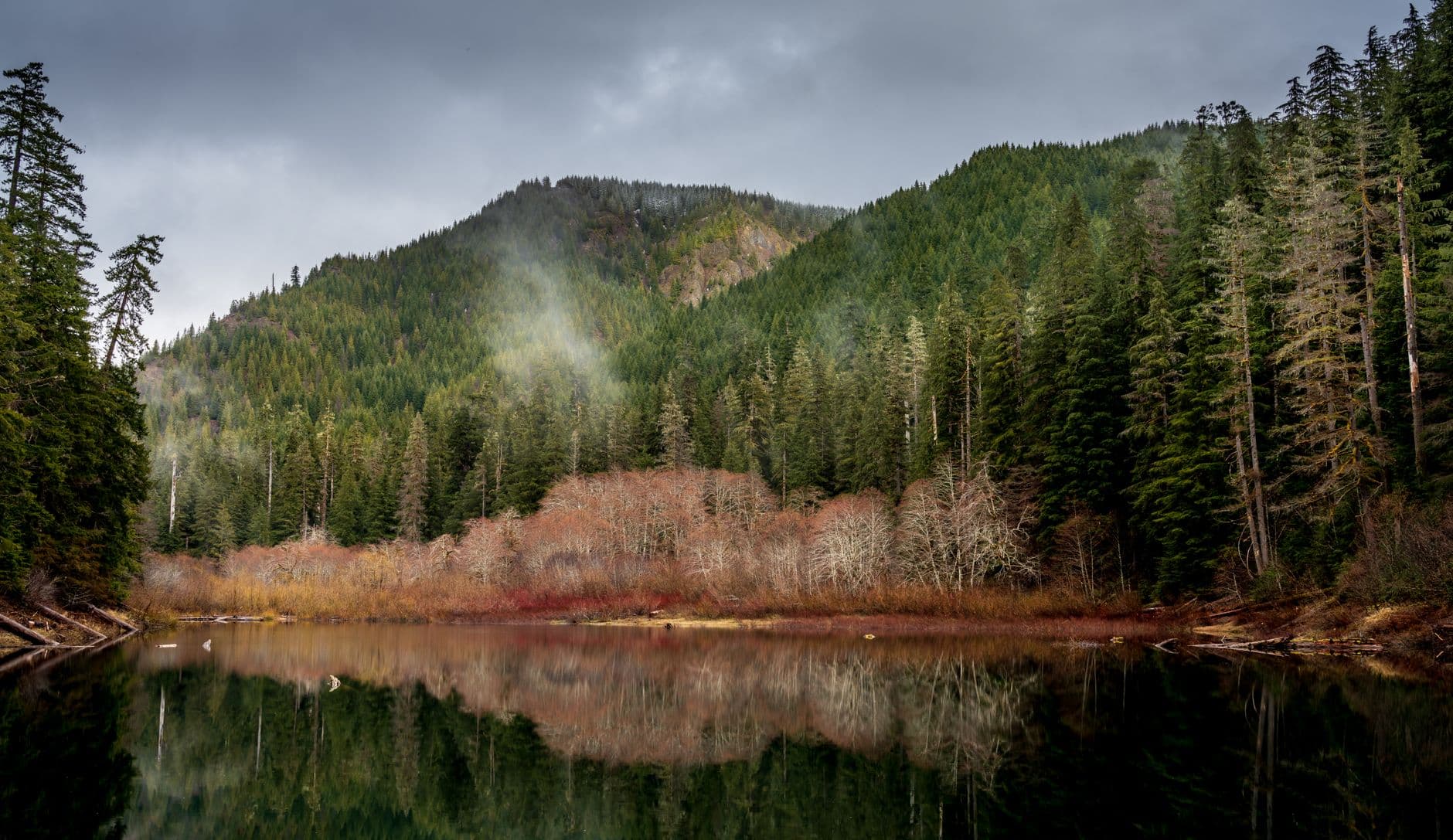
Rattlesnake Lake & Ledge Trail
Photo by JOHN CALLERY on Pexels
The lake overlook at the trail junction offers a panoramic vista best photographed in soft early morning light before the water ripples.
Not wheelchair accessible; trail includes uneven terrain and sparse benches—plan rest stops at the rocky ledge outcrops.
Lunch
Salish Lodge & Spa $$$
Upscale Pacific Northwest · Near Snoqualmie Valley, short drive from Rattlesnake Lake
A comfortable, unhurried spot to rest after the morning walk, with valley views and attentive service.
Optional detour: Snoqualmie FallsAfter lunch, as a lighter afternoon revisit
A second, quieter look at the falls in different afternoon light offers new photo opportunities without additional exertion. Skip if: If you visited thoroughly on Day 1, this may feel repetitive—better used as free time to rest before dinner.
If it rains: If the trail turns muddy or hazardous, shift the morning to Snoqualmie Falls' paved observation deck instead, which remains fully accessible and dramatic in wet weather.

The morning is dedicated to Rattlesnake Lake, where early light on still water and distant granite peaks makes for the day's most rewarding views—an easy, meditative walk paced for lingering rather than covering ground.

With the day's main activity behind you, the afternoon opens up for rest, a relaxed lunch, and optional light revisits to favorite spots—no pressure to fill every hour.

An early, quiet dinner closes the day, giving you time to unwind before tomorrow's slightly longer drive north to Whidbey Island.

Coastal History

Day 3: Crossing to the Island: History on the Bluffs

A scenic drive north leads to Whidbey Island's historic fortifications, with flat paths and frequent benches keeping walking easy.

Wear
A warm layer for coastal wind, waterproof jacket, and comfortable walking shoes—bluffs can be breezy even on mild days.
Budget
$70–100 per person (lunch, dinner, ferry or bridge toll if applicable)
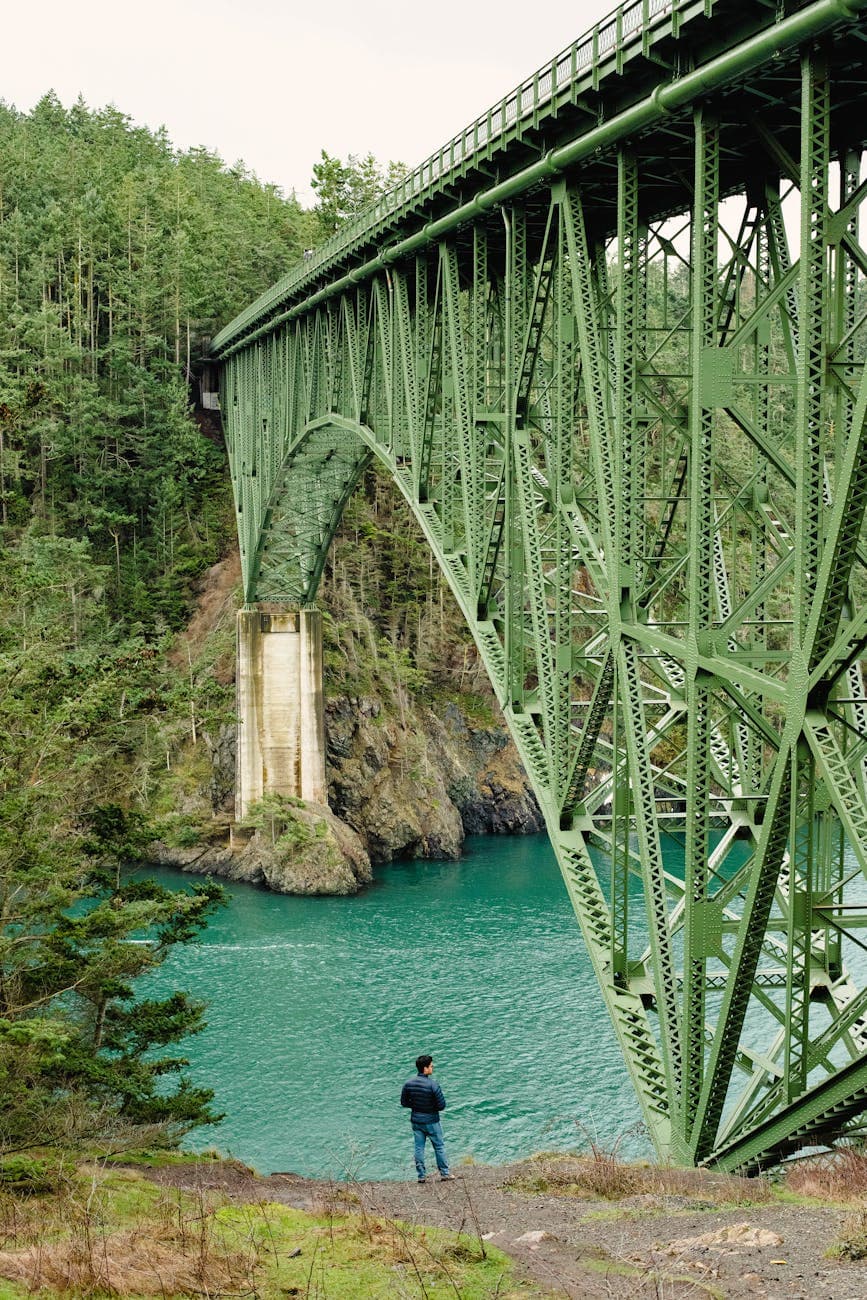
90 min driveA scenic drive north from Seattle, crossing the Deception Pass Bridge with dramatic views of churning water far below—worth a brief pullover to take in the scale.
9:30 AM - 12:30 PM
Whidbey Island (Deception Pass, Fort Casey) · morning · 180 min · Whidbey Island

Weathered brick, restored cannons, and salt air greet you at this century-old fortification overlooking Admiralty Inlet. The parade grounds are flat and gravel-paved, comfortable for a slow wander, and the lighthouse gallery offers sweeping water views that reward unhurried exploration. Arriving mid-morning avoids the summer-weekend crowds and gives you calm light for the officers' quarters and gun batteries.

Whidbey Island (Deception Pass, Fort Casey)
Makayla Asuncion / pexels (Pexels License)
The lighthouse gallery overlooking Admiralty Inlet is best photographed mid-morning to early afternoon when the light is even and the water is calm.
Wheelchair accessible with flat paths and frequent benches throughout the grounds and visitor center.
Lunch
Ultra House $$
Japanese/Ramen · Near Langley, short drive from Fort Casey
A comforting, warming option after a breezy morning on the bluffs, with relaxed seating and quick, quality service.
Dinner
Double Bluff Brewing Company $$
Pub fare · Near Langley
A relaxed, not-too-loud spot for hearty pub food and local beer, ideal for winding down after a day of history and coastal air.
Optional detour: Ebey's Landing National Historical ReserveAfter Fort Casey and before lunch
A short bluff walk with sweeping Strait views and blooming spring wildflowers, if energy allows for a bit more time outdoors. Skip if: The trail has uneven terrain and sparse benches, so those wanting a calmer afternoon may prefer to save it for Day 4's lighter pace.
If it rains: The visitor center and museum buildings at Fort Casey offer full shelter with exhibits on the coastal fortifications; outdoor batteries remain viewable but muddy, so waterproof shoes are recommended.

The morning unfolds slowly at Fort Casey, where restored gun batteries and a windswept lighthouse gallery tell a hundred years of coastal history against a backdrop of Puget Sound—flat paths and benches make this an easy, absorbing few hours.

After a comforting lunch in nearby Langley, the afternoon is left open for rest or a short optional walk, letting the day's pace stay unhurried ahead of a relaxed dinner.

Dinner at a quiet pub in Langley rounds out the day, with hearty, unfussy food and a calm room well-suited to easy conversation after a day of salt air and history.

Village Charm & Coastal Views

Day 4: Langley's Light and the Island's Windswept Edge

A relaxed final day exploring Langley's galleries and waterfront, paired with a gentle bluff walk, staying well under 2 miles total.

Wear
Light layers, a rain shell just in case, and comfortable shoes for both village strolling and bluff paths.
Budget
$60–90 per person (coffee, lunch, light shopping, dinner)
15 min driveA short, easy drive through rolling farmland into the village, with glimpses of Puget Sound appearing between trees.
9:00 AM - 11:30 AM
Langley Whidbey Island · morning · 150 min · Whidbey Island

Langley wakes up slowly, and arriving by 9am means the galleries and cafés are just opening, storefronts still quiet under hanging flower baskets. The scent of fresh coffee mingles with salt air as you stroll First Street's gallery facades, pausing wherever something catches your eye—there's no itinerary to keep here, just village charm at a walkable, flat pace.

Langley Whidbey Island
Photo by Ken1843 on Pixabay
First Street's gallery facades with flower boxes photograph beautifully in soft morning light, before shadows sharpen at midday.
Main street is fully walkable and flat; waterfront access varies but the village core is wheelchair-friendly with frequent benches.
10 min driveA brief countryside drive past farm stands and weathered fences, the bluffs coming into view as the road climbs.
1:00 PM - 2:30 PM
Ebey's Landing National Historical Reserve · afternoon · 90 min · Whidbey Island

Windswept bluffs unfold above the Strait of Juan de Fuca, native grasses rippling and spring wildflowers just beginning to color the meadows. The walk is moderate but unhurried, with sweeping views of water and the distant Olympic Mountains rewarding every pause. This is a fitting, contemplative close to the trip—wide open space after days of intimate village streets and historic buildings.

Ebey's Landing National Historical Reserve
Photo by Josh Hild on Pexels
The cliff-edge overlook is best photographed in early to mid-afternoon light, when the Strait's water catches a silvery shine.
Not wheelchair accessible; trail has uneven terrain and sparse benches, so pace slowly and rest at meadow viewpoints.
Breakfast
Salty Sea Coffee $
Cafe/Coffee · In Langley
A cozy, unhurried spot for coffee and a light bite before the village wakes up fully—quiet seating and no rush.
Lunch
Tonic Juice & Remedy $
Juice/Smoothies · In Langley
A light, fresh option before the afternoon bluff walk, with a calm atmosphere and quick service.
Optional detour: Double Bluff Brewing CompanyAfter Ebey's Landing, as an early dinner stop
A relaxed, hearty way to close the trip with good beer and comfort food in a low-key room. Skip if: If energy is low after the bluff walk, a simpler meal back near lodging may suit better.
If it rains: Langley's galleries and cafés are excellent shelter on a rainy morning, and the waterfront becomes moody and atmospheric in mist—if rain persists into the afternoon, skip Ebey's Landing in favor of extended gallery time.

The final morning is unhurried by design—Langley's quiet streets, gallery windows, and coffee shops invite slow wandering with no fixed agenda, the salt air and cedar scent settling into a fitting rhythm for the trip's last full day.

The pace shifts outward in the afternoon as you drive the short distance to Ebey's Landing, trading village intimacy for wide bluff views and rippling grasses above the Strait, a gentle physical close to four days of varied Pacific Northwest scenery.

An early, relaxed dinner—whether back in Langley or at a nearby pub—brings the trip to a comfortable close, with time still ample before the 8pm cutoff to simply sit, watch the light fade over the water, and reflect on four unhurried days.

Want to tweak this trip?

Our AI planner can customize this itinerary to your exact dates, interests, and travel style.

Customize This Itinerary
Good to Know

Restaurant details (hours, menus, availability) change frequently. Check current hours before visiting, especially in seasonal destinations.

Dietary compatibility tags are general guidance. If you have severe allergies, confirm directly with the restaurant.

Travel tips are general guidance, not professional safety advice. Check government advisories for latest information.

All prices are approximate and may vary seasonally.

We use cookies to improve your experience and analyze site usage. Essential cookies are always active. You can customize your preferences or accept all cookies. Cookie Policy