3 DaysActive Retirees6 Stops

Tacoma area, Washington

3-Day Itinerary for Active Retirees

Tidewater Light & Volcanic Silence: 3 Days in Tacoma

Tidewater Light & Volcanic Silence: 3 Days in Tacoma

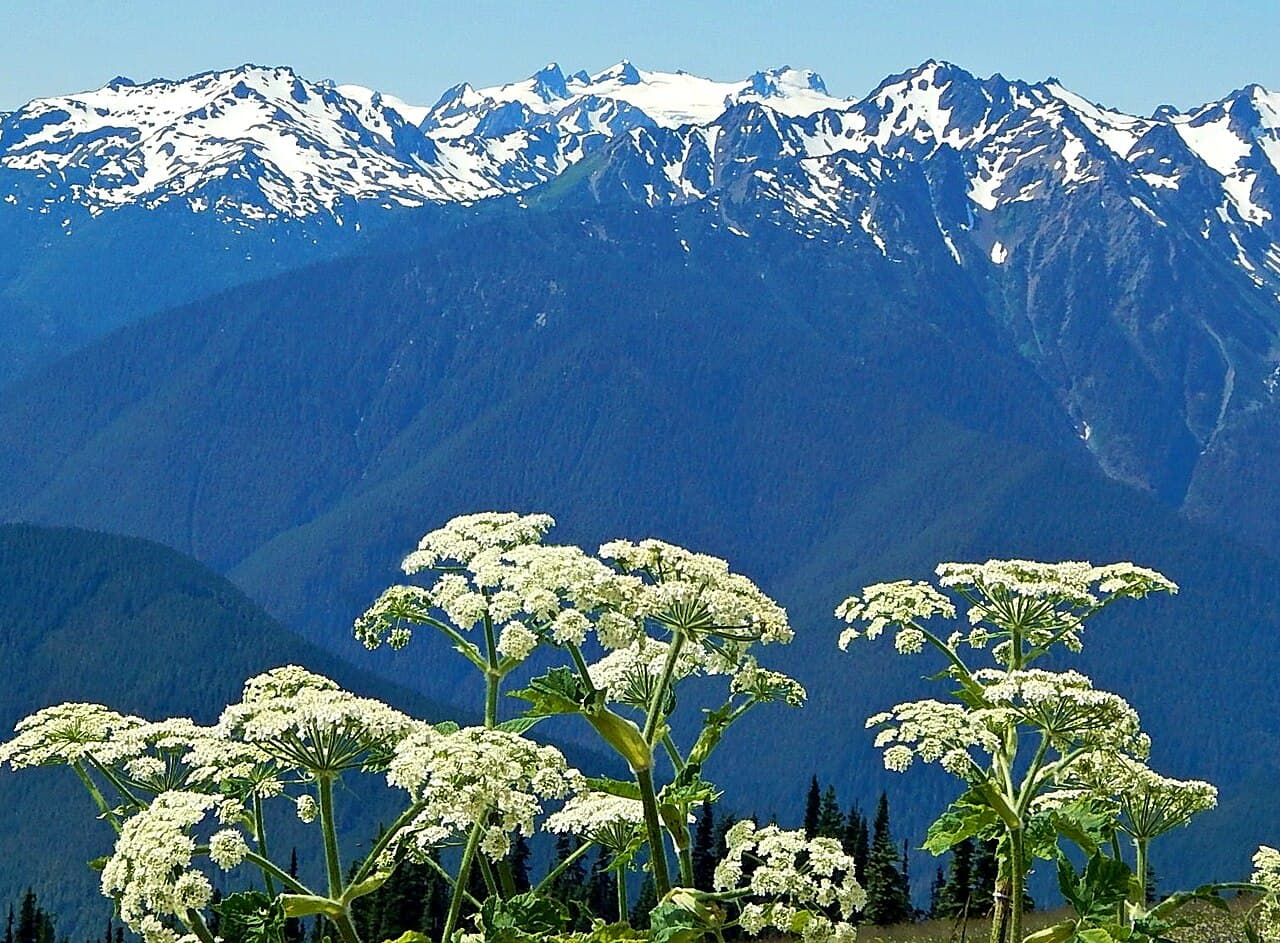
Puget Sound arrives quietly here—pebble beaches instead of postcard piers, old-growth firs instead of skyscrapers. Tacoma rewards a slower gaze: the kind that notices otters surfacing, jellyfish pulsing pink under gallery light, and a volcano's gray silence thirty miles distant.

At a Glance

Climate & Weather
Fall in Tacoma brings cooling air (50s–60s°F), increasing rain chances, and the year's best foliage color in the parks. Pack a waterproof jacket, layers, and sturdy flat-soled shoes—mornings can be crisp with mist off the Sound, afternoons milder.
Getting Around
A rental car is the easiest way to manage this itinerary—Point Defiance and Mount St. Helens are both drive-based, with flat, well-marked parking near major stops. Ride-share is available downtown but less reliable near the park and volcano corridor.
Budget
Plan roughly $70–110 per person per day for food and activities, including sit-down lunches and dinners, zoo/aquarium admission, and modest gas for the Mount St. Helens drive.
Safety
Tacoma's tourist areas are comfortable for relaxed daytime exploration. The one added caution: Mount St. Helens' volcanic terrain is unstable in places and weather shifts fast at elevation, so stay on marked pullouts and paved viewpoints rather than venturing onto ash fields.
Connectivity
Cell coverage is reliable throughout Tacoma proper and along WA-504 toward Mount St. Helens, though pockets near the volcano itself can drop to one bar—download offline maps before that day.
Local Tips
Arrive at Point Defiance before 9am for near-empty paths and the best light on the water; fall's shorter days mean sunset can arrive by 6:30pm, so plan the last outdoor stop accordingly. Weekday visits to Mount St. Helens avoid the thin but real weekend crowds, and calling ahead for dinner reservations is wise even in this relaxed city.

Highlights

  • Sunrise-quiet pebble beaches with Olympic Mountains on the horizon
  • Otters, jellyfish, and old-growth cedar within a single park
  • A volcano's crater rim seen from safe, paved pullouts
  • Fall foliage threading through 760 acres of Douglas fir
  • Unhurried days built around benches, not blisters
  • Fresh Puget Sound seafood without the Seattle crowds or prices

Day-by-Day Plan

Arrival & Orientation

Day 1: Settling In at the Water's Edge

A gentle half-day at Point Defiance easing into the trip with under 1.5 miles of flat walking and low cognitive load.

Wear
Waterproof jacket, comfortable walking shoes, layers for shifting cloud and sun, and a warm scarf for the breeze off the Sound.
Budget
$60–90 per person including zoo/aquarium admission and two relaxed meals
9:30 AM - 11:00 AM
Point Defiance Beach & Waterfront · morning · 90 min · Point Defiance & North Tacoma

Arrive by 9:30am and the pebble shore is nearly yours alone—smooth stones underfoot, the Olympic Mountains rising pale across the water, gulls calling into a still, cool morning. This is the softest possible landing after travel: no lines, no rush, just salt air and a bench whenever you want one.

Point Defiance Beach & Waterfront
Photo by K on Pexels
Shoot west toward the Olympics mid-morning when the light is soft and the water often glassy calm.
Flat, paved and packed-gravel paths lead right to the shoreline with frequent benches along the way.
10 min walkA short, flat stroll uphill from the beach through scattered old firs, gulls trailing overhead.
11:15 AM - 1:15 PM
Point Defiance Zoo & Aquarium · midday · 120 min · Point Defiance & North Tacoma

Inside, the air turns humid and green—ferns unfurling along winding paths, otters barking through their morning routine, jellyfish drifting like slow lanterns behind glass. Aim for the late-morning keeper talks, when animals are most active and the crowds haven't yet thickened.

Point Defiance Zoo & Aquarium
Photo by Mateusz Feliksik on Pexels
The jellyfish pavilion is beautifully backlit in late morning—arrive before the school groups for a clear shot.
Fully paved paths throughout with frequent benches; wheelchair accessible with covered sections for rain.
Optional detour: Point Defiance Park TrailsAfter Point Defiance Zoo & Aquarium and before end of day
A quiet extension into old-growth cedar and fir if energy allows, with cool shade and birdsong. Skip if: Uneven, unpaved terrain with sparse benches makes it less ideal on an arrival day when rest matters more than mileage.
If it rains: The zoo and aquarium galleries stay fully operational indoors during rain—simply extend time there and treat the beach as a brief bookend rather than a lingering stop.

The day begins gently, with a slow walk along Point Defiance's pebble beach as the Olympic Mountains hover pale on the horizon. There's no itinerary pressure here—just salt air, the crunch of stones, and benches placed exactly where you'd want to sit and watch the water.

By midday, the pace shifts indoors to the zoo and aquarium, where humid air and filtered light replace the open beach breeze. Otters, jellyfish, and Pacific Northwest wildlife unfold along flat, paved paths—an easy, absorbing way to spend the warmest hours without demanding much of tired legs.

With the first day's business kept light, the evening is left open for settling into lodging and an early, unhurried dinner nearby—no need to chase sunset activities when arrival itself has been the day's quiet achievement.

Forest & Shoreline

Day 2: Old Growth and Open Water

A relaxed full day layering forest trails with a return to the waterfront, roughly 2 miles of flat-to-gentle walking.

Wear
Waterproof boots or trail shoes, a warm layered jacket, and a light rain shell—fall mornings in the firs run cool and damp.
Budget
$50–80 per person including lunch, dinner, and no additional admission fees
9:00 AM - 10:30 AM
Point Defiance Park Trails · morning · 90 min · Point Defiance & North Tacoma

Arrive by 9am for near-total quiet beneath 760 acres of Douglas fir and cedar—soft ground underfoot, cool air even in fall sun, and shafts of light breaking through the canopy. Fall color threads through the understory here, and the birdsong is thick enough to make conversation feel unnecessary.

Point Defiance Park Trails
Photo by Valiphotos on Pixabay
The main loop's vista point toward the Sound is best photographed mid-morning when mist has cleared but light stays soft.
Terrain is unpaved and somewhat uneven with sparse benches—choose the shorter loop and pace slowly; not ideal for those needing frequent flat rest stops.
15 min walkA gentle downhill walk from forest trail back toward open park and shoreline, the air warming slightly as trees thin.
11:00 AM - 1:30 PM
Point Defiance Park (zoo, aquarium, beaches) · afternoon · 150 min · Point Defiance & North Tacoma

After the forest's hush, the wider park opens back toward water and wildlife—an easy loop connecting beach views with occasional glimpses of zoo life through the trees. This is unhurried territory: find a bench, watch the Narrows Bridge in the distance, and let the afternoon light lengthen slowly given fall's shorter days.

Point Defiance Park (zoo, aquarium, beaches)
Unknown / wikimedia (Public domain)
Late afternoon light around 3–4pm frames the Narrows Bridge beautifully from the pebble beach section.
Return route uses paved zoo paths and flat park roads, wheelchair accessible with frequent benches.
Optional detour: Point Defiance Beach & WaterfrontAfter Point Defiance Park Trails and before Point Defiance Park (zoo, aquarium, beaches)
A quiet pebble-shore pause if the forest walk leaves you wanting more open water and sky before heading into the fuller park loop. Skip if: If yesterday's beach visit already covered this ground, skipping keeps today from repeating a near-identical experience.
If it rains: Should rain move in, shift the morning trail walk to the covered aquarium galleries instead, saving the forest loop for a drier afternoon window or another day.

Morning belongs to the forest—old-growth firs and cedars standing tall over a soft, needle-strewn path, with birdsong the only real sound for the first hour. Fall's cooler air makes this an ideal time to walk slowly, pausing often, watching light move through the canopy.

The afternoon opens back toward water, tracing the wider park's paved loop past occasional wildlife glimpses and long views toward the Narrows Bridge. Benches appear often enough that pace never needs to be a concern—simply follow the light as it lowers earlier than summer would allow.

As the shorter fall daylight fades by early evening, the day winds down with dinner planned nearby, the kind of unhurried close that lets the day's quiet forest and shoreline moments settle before sleep.

Volcanic Wilderness

Day 3: Standing Before the Volcano

A full-day excursion to Mount St. Helens' west side, mostly seated driving with light walking at paved viewpoints, under 1 mile on foot total.

Wear
Warm layers, a windproof jacket, sturdy closed-toe shoes, and a hat—mountain air is notably colder and windier than Tacoma proper.
Budget
$40–70 per person including gas, snacks, and a relaxed dinner back in town
11:00 AM - 2:00 PM
Mount St. Helens (from West side) · midday · 180 min · Mount St. Helens West Side

The drive itself is part of the experience—roughly two hours south from Tacoma, with the landscape shifting from forest to ghostly whitebark snags as you near the blast zone. Arrive by late morning for clearer weekday visibility, when the vast gray amphitheater of the crater dominates the horizon in near silence, wind the only sound crossing the barren slopes.

Mount St. Helens (from West side)
Williams, John H. (John Harvey), b. 1864 / wikimedia (No restrictions)
The high-elevation pullouts along WA-504 offer the clearest crater views—shoot around midday for the best natural light on the gray ash fields, and check Meta Lake viewpoint for a striking water-framed shot of the peak.
Paved pullouts allow crater views without hiking; terrain immediately off the road is uneven and unstable, so stay on marked viewpoints rather than venturing onto ash fields.
If it rains: If clouds roll in and visibility drops, the nearby Mount St. Helens Visitor Center offers heated, indoor exhibits on the 1980 eruption—consider it as a substitute or complement, or plan to return on a clearer day given how weather-dependent crater views are.

The morning is largely spent in transit south along WA-504, the highway curving past increasingly stark terrain as forest gives way to the eruption zone's ghostly snags—an unhurried drive best paired with a midpoint pause for coffee or a stretch before reaching the viewpoints.

By midday, the volcano itself comes into full view from paved, accessible pullouts—the crater's gray silence a striking contrast to the previous days' green forests and blue water, best appreciated slowly and without rushing toward any single vantage point.

The return drive back toward Tacoma allows for an easy, early dinner in town, closing the trip on the same relaxed rhythm it began with—no late nights, just a quiet reflection on how much ground, geologically speaking, was covered in three unhurried days.

Want to tweak this trip?

Our AI planner can customize this itinerary to your exact dates, interests, and travel style.

Customize This Itinerary
Good to Know

Restaurant details (hours, menus, availability) change frequently. Check current hours before visiting, especially in seasonal destinations.

Dietary compatibility tags are general guidance. If you have severe allergies, confirm directly with the restaurant.

Travel tips are general guidance, not professional safety advice. Check government advisories for latest information.

All prices are approximate and may vary seasonally.

We use cookies to improve your experience and analyze site usage. Essential cookies are always active. You can customize your preferences or accept all cookies. Cookie Policy