Devils Tower National Monument, Wyoming
2-Day Itinerary for Solo Traveler
“Stone Sentinel: Two Days of Silence, Light, and the High Plains”

The Tower appears before you're ready for it—rising improbably from the plains like the land itself exhaled and left this behind. Spring here means wildflower-flecked grass, unpredictable skies, and a hush that makes solo travel feel less like solitude and more like communion.
At a Glance
Highlights
- Sunrise light raking across the Tower Trail's columnar walls
- Red Beds Trail's rust-colored switchbacks through ponderosa shade
- Standing at the rim of a 40-foot buffalo jump sinkhole
- Golden hour along the Belle Fourche Scenic Byway
- Quiet museum hours spent with frontier and indigenous artifacts
- Wildflowers threading through sagebrush after spring rain
- Wide-open, screen-free skies perfect for night reflection
What do 2 days in Devils Tower National Monument look like for solo travelers?
6 stops across 2 days, about 7 hours of sightseeing in all. The rest is yours for long lunches and unplanned detours.
| Day | Stop | Area | Suggested time | Typical visit |
|---|---|---|---|---|
| Day 1 | Tower Trail | Devils Tower Monument | 7:30 AM - 8:30 AM | 1 hr |
| Day 1 | Red Beds Trail | Devils Tower Monument | 9:00 AM - 10:30 AM | 1 hr 30 min |
| Day 1 | Devils Tower (Red Beds Trail, Tower Trail) | Devils Tower Monument | 1:00 PM - 2:30 PM | 1 hr 30 min |
| Day 2 | Vore Buffalo Jump | High Plains Historic Sites | 8:00 AM - 8:45 AM | 45 min |
| Day 2 | Hulett Pioneer Museum | High Plains Historic Sites | 10:30 AM - 11:30 AM | 1 hr |
| Day 2 | Belle Fourche Scenic Byway | High Plains Historic Sites | 2:00 PM - 3:30 PM | 1 hr 30 min |
Each day opens as a route in Google Maps; the map file drops every stop into Google My Maps or an offline map app.
Day-by-Day Plan
Day 1: First Light on the Tower
A gentle orientation day centered entirely on the Devils Tower Monument cluster, with roughly 3 miles of easy-to-moderate walking.
Arrive while the air still holds night's chill and the parking lot is nearly empty—by 9am this loop fills with shoulder-to-shoulder foot traffic. The packed dirt path curls beneath columns that look hewn by some ancient hand, wind hissing through sage as the Tower's shadow slowly shortens with the rising sun. For a solo traveler, this is the quiet-reflection stop of the trip.
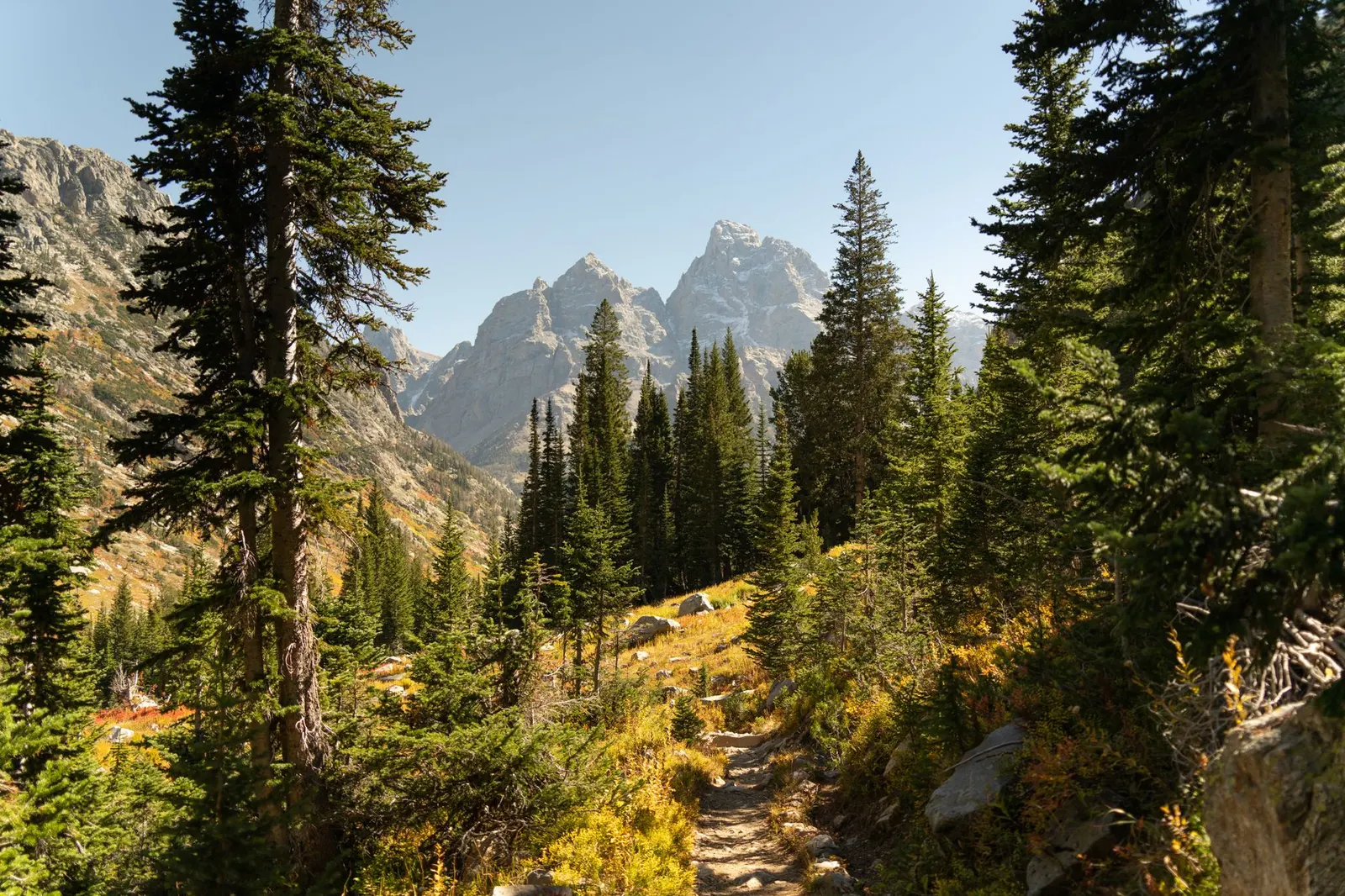
Rust-red rock bands streak underfoot as the trail dips toward the Belle Fourche River, ponderosa pines casting cool, resin-scented shade. This is a slower, more textured walk than Tower Trail—better for noticing small things: a flash of early wildflowers, striations in the stone, birdsong replacing crowd noise. Moderate crowds build after 10am, so this window is ideal.
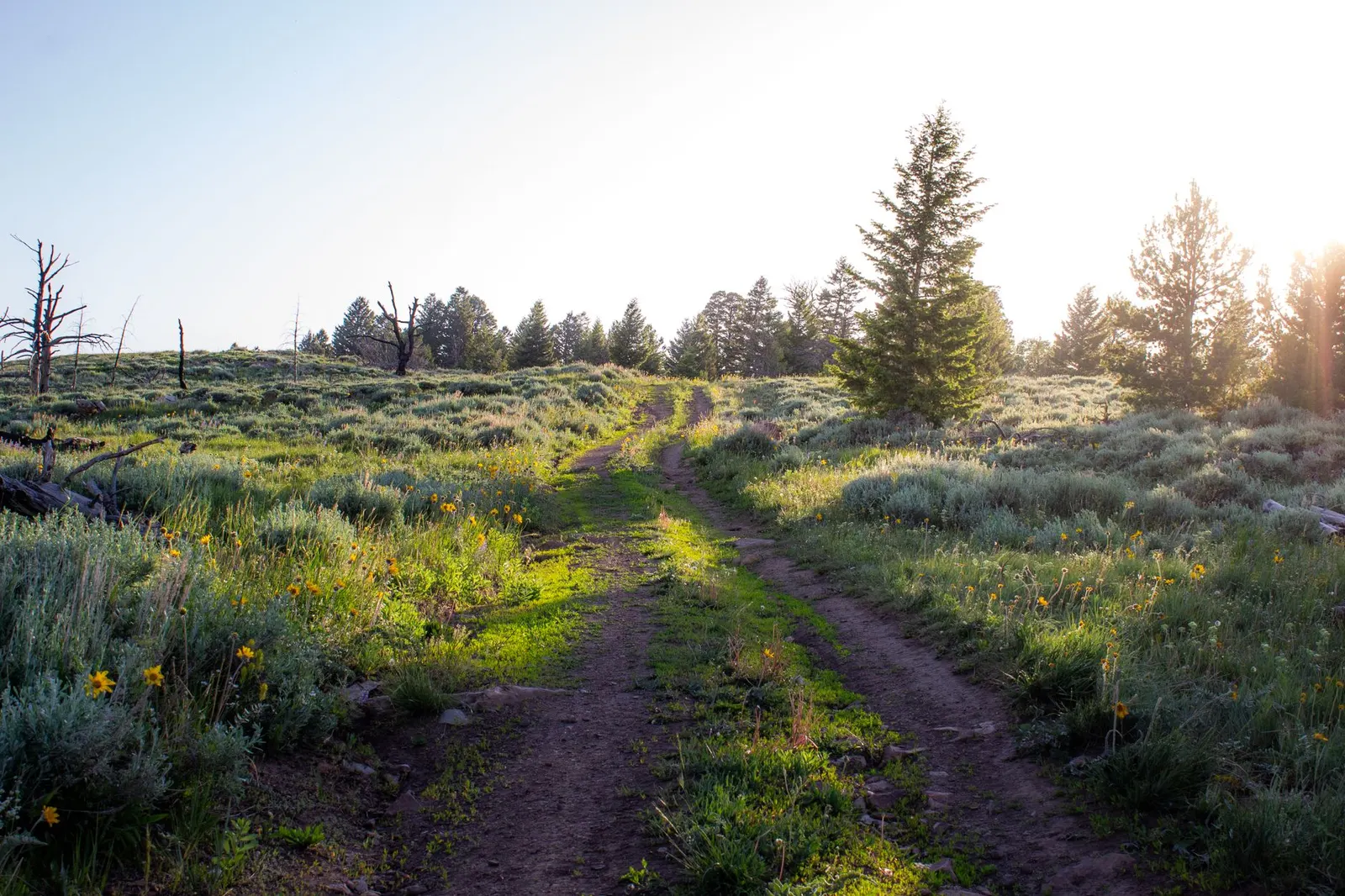
After a midday rest, return for a slower, more contemplative lap—this time with the visitor center exhibits as context and a chance to simply sit and absorb the Tower's scale. Afternoon light flattens the drama somewhat, making this the right time for quiet reflection rather than peak photography. Benches are sparse, so pack a foldable seat or find a flat rock to rest on.
The day opens in near-silence, the Tower Trail's gravel path catching first light while the rest of the monument still sleeps. Walking the full loop solo feels less lonely than grounding—just wind, stone, and the occasional distant birdcall. By the time the loop closes, the parking lot has started filling, a clear sign the solitude window is closing.
After lunch and a slower pace settles in, the Red Beds Trail offers a different texture altogether—shadier, redder, more intimate. The afternoon return to the base of the Tower is less about exercise and more about sitting with the scale of the place, letting it settle before the light shifts toward evening.
As evening approaches, the drive toward Hulett or Sundance unspools across open ranchland, the Tower shrinking in the rearview mirror. Dinner options in town lean toward hearty ranch fare—diners where solo travelers can comfortably take a counter seat and strike up conversation with locals about the day's hike.
Day 2: Windswept History on the High Plains
A history-and-landscape day covering the High Plains Historic Sites cluster, with light walking (under 2 miles) and significant driving between remote sites.
Arrive early and the site is yours alone—just wind sweeping across treeless grassland and the eerie quiet of a 40-foot sinkhole where Plains tribes once orchestrated mass buffalo hunts. The geometric depression seems to absorb sound, and standing at its rim as the sun climbs is one of the trip's most contemplative moments, well-suited to solo reflection.

A shift from open-air silence to close, quiet rooms filled with worn leather, old photographs, and indigenous artifacts. This fully indoor stop is a natural pacing break—especially valuable if spring showers roll in—and offers rich cultural context that deepens the meaning of everything seen the day before at the Tower.
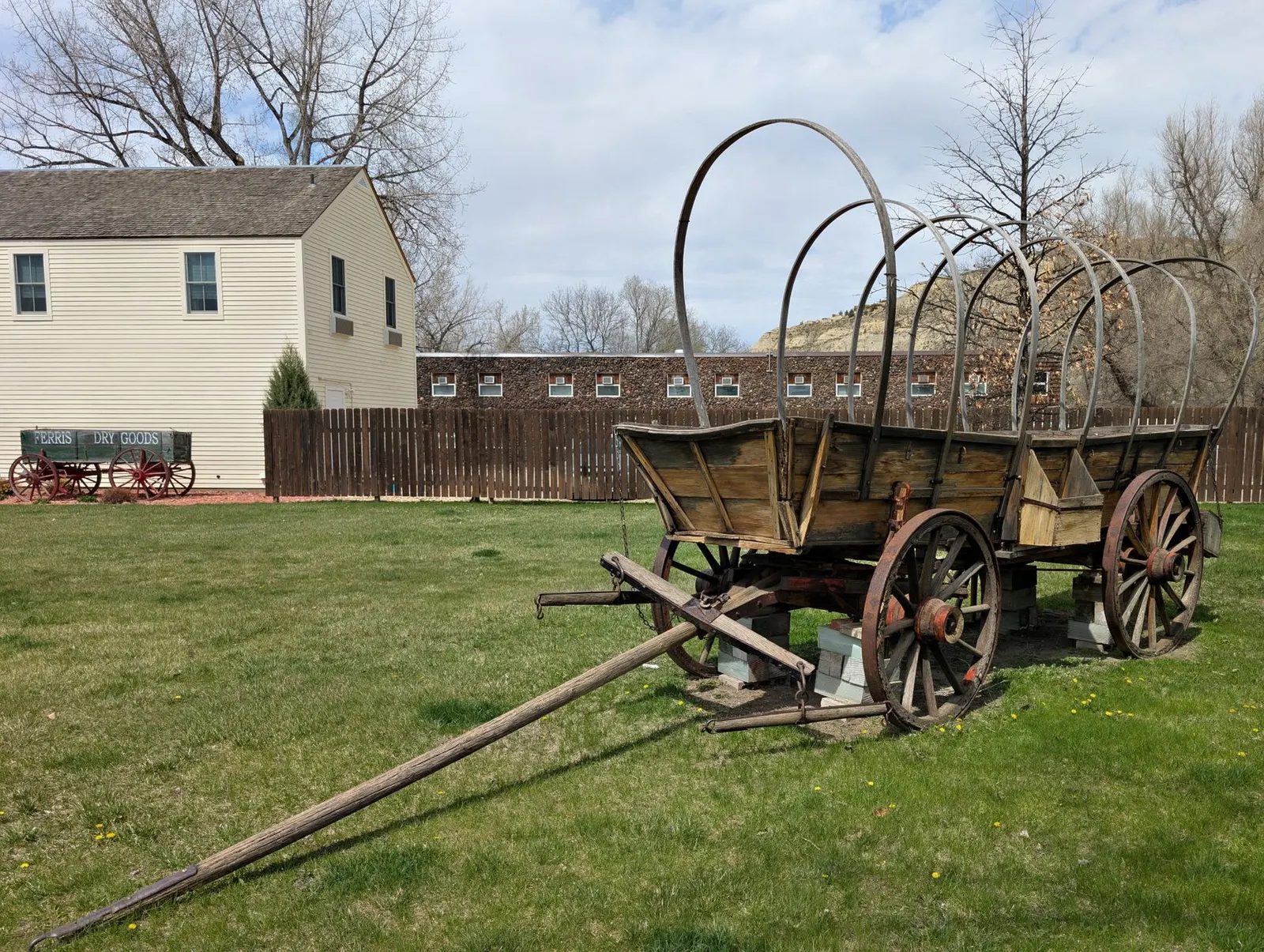
The afternoon slows into a scenic drive along 32 miles of high-plains road, pulling over whenever the Tower reappears on the horizon at a new angle. This is less a hike than a rolling meditation—windows down, sagebrush scent drifting in, the Tower's silhouette shifting with every mile. A good stop for solo travelers craving open space and unstructured time.
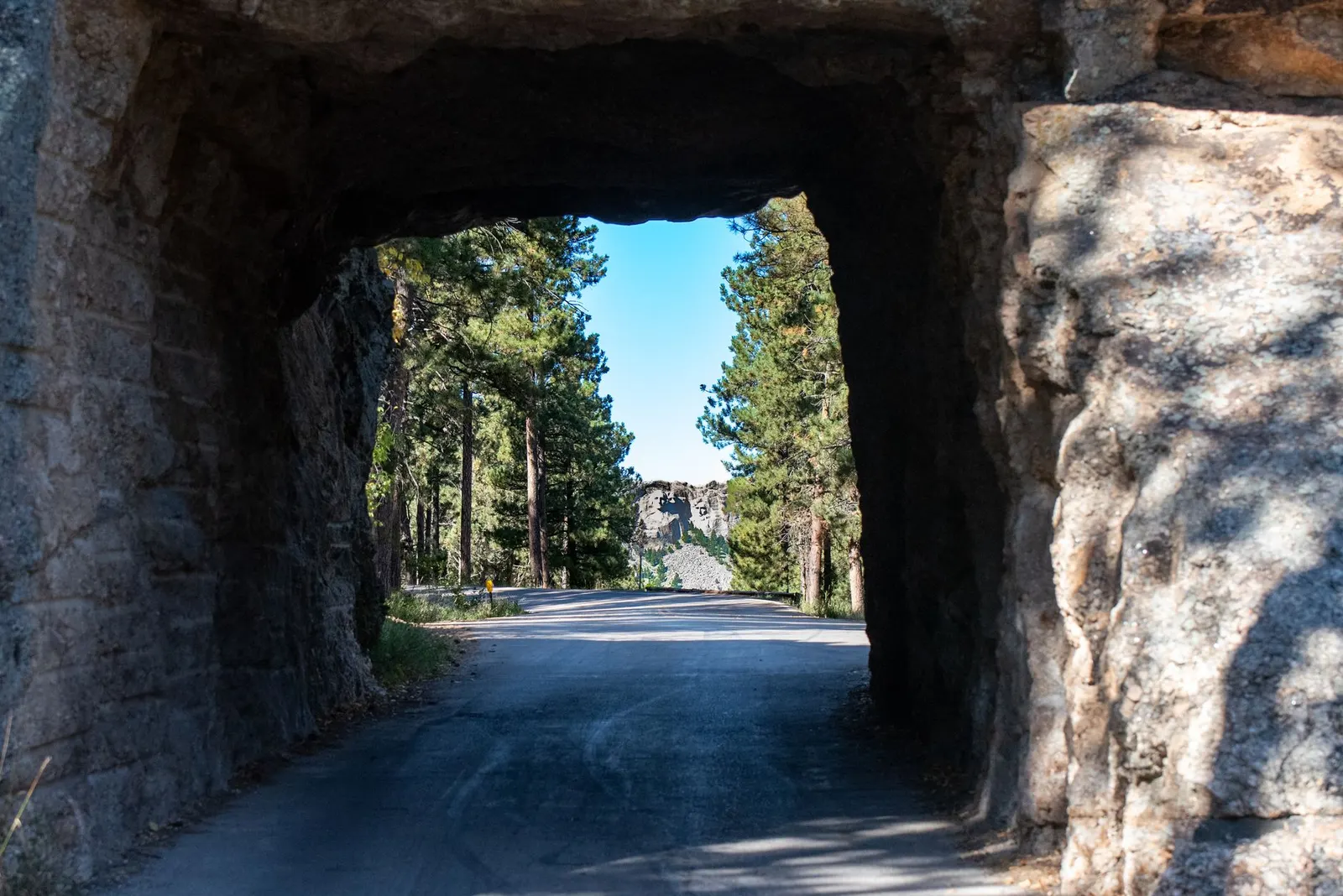
The day begins with a long, quiet drive into open country, the kind of drive that empties the mind before it even arrives. At the Vore Buffalo Jump, the wind is the only sound, and the scale of the sinkhole—both literal and historical—settles in slowly, a reminder of the land's deep human history beneath the modern quiet.
By midday, the pace shifts indoors at the Hulett Pioneer Museum, a welcome change in rhythm and temperature. The afternoon then opens back up along the Belle Fourche Scenic Byway, where driving becomes its own kind of sightseeing—slow, unhurried, punctuated by pullouts where the Tower reveals itself again and again from new angles.
As the light turns gold, the day winds down with dinner in Sundance or Hulett, where diner counters and communal tables make it easy for a solo traveler to swap stories with locals or fellow travelers passing through. The night closes early here, in keeping with the region's relaxed, early-rising rhythm—an easy, unhurried end to two days spent in the shadow of the Tower.
Planning the nights, too?
Compare places to stay around Devils Tower National Monument, or browse tours and tickets to slot between the stops above.
Itinara may earn a commission when you book through these links, at no extra cost to you.
Want to tweak this trip?
Our AI planner can customize this itinerary to your exact dates, interests, and travel style.
Customize This ItineraryRestaurant details (hours, menus, availability) change frequently, and specific venue data was limited for this remote region—plan some meals flexibly around Hulett or Sundance rather than at trailheads themselves.
Dietary compatibility tags are general guidance. If you have severe allergies, confirm directly with the restaurant.
Travel tips are general guidance, not professional safety advice. Check government advisories for latest information.
All prices are approximate and may vary seasonally.
Attractions in This Itinerary
More Itineraries for Devils Tower National Monument
Explore Wyoming