4 DaysTeen Families6 Stops

Wind River Range (East side), Wyoming

4-Day Itinerary for Teen Families

Frozen Silence & Vanishing Rivers: 4 Winter Days on the Wind River's Eastern Edge

Frozen Silence & Vanishing Rivers: 4 Winter Days on the Wind River's Eastern Edge

Ice rims the Popo Agie where it disappears into limestone, and the granite peaks above Green River Lakes stand white and silent against a sky scraped clean by cold wind. This is winter in the Winds — a season of empty overlooks, crunching snowpack, and a kind of stillness that makes teenagers put their phones down without being asked.

At a Glance

Climate & Weather
Winter here means real cold — expect temperatures well below freezing, sometimes dropping toward -19°C, with heavy snow and short daylight (sunset by 5pm). Pack insulated waterproof boots, thermal base layers, a heavy shell jacket, gloves, and a warm hat; dress everyone in layers that can be shed at the trailhead and added back at the overlook.
Getting Around
A car is essential — there's no public transit, and distances between clusters require driving. High-clearance or 4WD vehicles are strongly recommended in winter, and always check Wyoming road conditions before heading toward Green River Lakes, as it can be snowed in or require significant backtracking.
Budget
Budget roughly $60-90 per day per person for food and minor activities (state park day-use fees, gas for backcountry driving) — this is not a destination with expensive attractions, but remote driving adds up in fuel costs.
Safety
High mountain passes and many backcountry roads close entirely November through June, so this itinerary sticks to accessible east-side roads and paved or plowed pullouts. Ice is the primary hazard — traction devices for boots are worth packing, and trails near waterfalls and canyon rims can be slick even where snow looks packed. Always tell someone your plan for the day and carry a charged phone, though service is unreliable once you're off Highway 191.
Connectivity
Cell service is spotty to nonexistent outside of Pinedale and other small towns; treat backcountry areas as fully offline. Download maps and any trail information before leaving town, and let lodging staff know your day plan.
Local Tips
Mornings are coldest but calmest — arrive at overlooks before 9am for both the best light and complete solitude. Restaurants in Pinedale tend to close by 9pm, so plan dinner earlier than you might elsewhere. Winter closes many trails and access roads, so treat any hike beyond a short overlook walk as conditions-dependent and be ready to turn back.

Highlights

  • Watch the Popo Agie River vanish into its icy sinkhole at Sinks Canyon
  • Snow-hushed views of Squaretop Mountain from the Green River Lakes overlook
  • Frost-rimmed cascade at Popo Agie Falls, quieter and wilder in winter
  • Cowboy-town evenings in Pinedale with hearty, unpretentious meals
  • Near-total solitude at viewpoints that are shoulder-to-shoulder in July
  • Golden low-angle winter light on canyon walls, ideal for photography
  • A slower pace built for teens who need space and parents who need scenery

Day-by-Day Plan

Arrival & orientation

Day 1: Settling In: First Light on the Sinkhole

A gentle first day with one easy, high-payoff stop at Sinks Canyon to acclimate to cold and altitude, covering under a mile of walking total.

Wear
Heavy insulated coat, waterproof snow boots, warm hat and gloves, thermal layers underneath — dress like you mean it, even for short walks.
Budget
$40-60 (lunch, gas, minor park fees)
9:30 AM - 11:00 AM
Sinks Canyon SP · morning · 90 min · Sinks Canyon & Popo Agie

After the drive in, this is the easiest possible introduction to the Winds in winter — a short walk to the viewing platform where the Popo Agie River plunges into a limestone sinkhole and simply vanishes underground. In winter the roar is muffled by ice fringing the rocks, and the canyon walls glow rust and cream in low morning sun. Arrive by 9:30am and you'll likely have the platform entirely to yourselves; this is a place that fills with families and tour groups by midday even in shoulder seasons.

Sinks Canyon SP
Eckhardt, William T Hatley, M. Jay Cornerstone Research (Firm) United States. Bureau of Land Management. California Desert District / wikimedia (Public domain)
Shoot from the main viewing platform in mid-morning light, when the sun catches the canyon's rust-colored walls without harsh glare.
Paths are uneven and can be icy in winter; sturdy boots with traction are recommended, and the walk to the platform is short but not wheelchair accessible.
Optional detour: Popo Agie FallsAfter Sinks Canyon SP, if energy and daylight allow
A short add-on trail leads to a dramatic, frost-rimmed cascade that's far quieter in winter than summer crowds would suggest. Skip if: Skip if trail conditions are icy or unmaintained in winter, or if the group is tired from travel — this is easily saved for tomorrow.
If it rains: If weather turns severe, treat it as a signal to head back toward Pinedale early — visit the Sinks Canyon visitor center if open, or simply settle into town for an early, warm dinner and rest.

Ease into the trip with a short, scenic stop rather than a big push — the drive alone into Sinks Canyon offers views of the Wind River Range rising white and enormous over the foothills, and the short walk to the sinkhole viewing platform is enough to stretch legs and adjust to the cold without overwhelming anyone still shaking off travel fatigue.

Keep the afternoon loose and low-key: settle into lodging in Pinedale, let teens explore the town at their own pace (a small, walkable grid of shops and cafes), and treat this as a true rest period before the more active days ahead.

Dinner should be simple and early, in keeping with the mountain town rhythm — most restaurants here wind down service by 9pm, so plan to eat by 6 or 7 and turn in early to be ready for tomorrow's longer day at the falls and canyon rim.

Canyon & waterfall

Day 2: Ice, Roar, and Rust-Colored Walls

A moderately active day covering roughly 2-3 miles combining the sinkhole overlook with the short but rewarding hike to Popo Agie Falls.

Wear
Waterproof insulated boots with traction devices, moisture-wicking base layers, waterproof shell, gloves, and a hat — mist near the falls can freeze on exposed skin.
Budget
$50-70 (lunch, snacks, gas)
8:30 AM - 9:30 AM
Sinks Canyon SP · morning · 60 min · Sinks Canyon & Popo Agie

Return here early — by 8:30am the platform is empty and the cold is sharpest, which somehow makes the sight of vanishing water more striking, like watching a magic trick performed in silence. This second visit is shorter and more contemplative, a chance to walk the riverside trail toward where the water disappears without the crowds of even a normal morning.

Sinks Canyon SP
Eckhardt, William T Hatley, M. Jay Cornerstone Research (Firm) United States. Bureau of Land Management. California Desert District / wikimedia (Public domain)
Try the riverside trail viewpoint this time, closer to water level, for a different angle than yesterday's overlook shot.
Riverside trail sections are uneven and may have ice; not wheelchair accessible.
10 min driveA short, winding drive deeper into the canyon, pines pressing close on both sides and the road often dusted with fresh snow.
9:45 AM - 10:45 AM
Popo Agie Falls · midday · 45 min · Sinks Canyon & Popo Agie

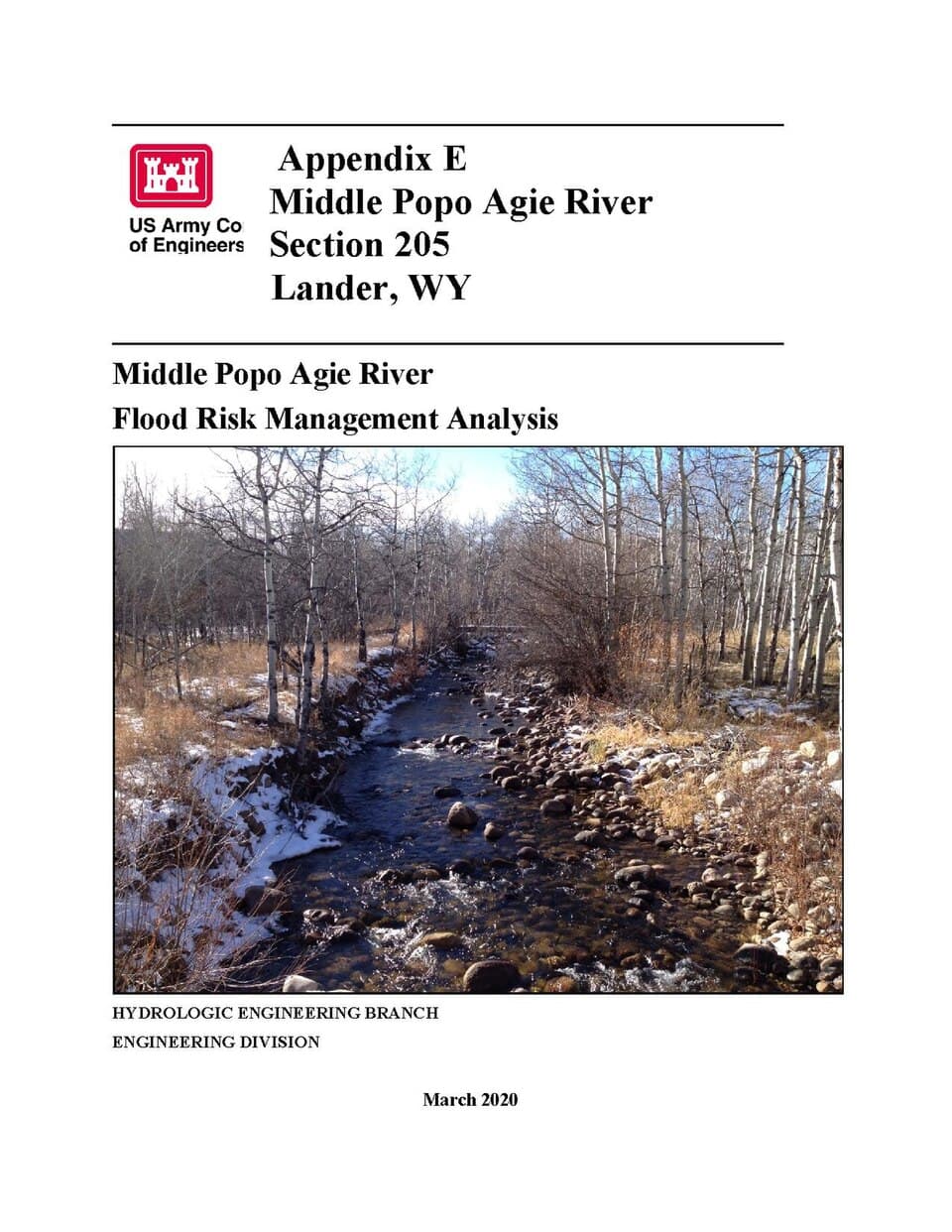
A short trail through pine forest leads to a wild cascade that's more dramatic in winter, half-frozen and thundering against dark granite. This is the adventure moment teens will actually want to photograph — icy spray catching light, the roar filling the canyon, a real sense of scale against the cliff behind it. Expect the trail underfoot to be rough and possibly icy; younger or less sure-footed family members may want to stop at a lower viewpoint rather than push all the way to the base.
Popo Agie Falls
United States. Army. Corps of Engineers / wikimedia (Public domain)
Shoot from the base looking up for scale, or try a side angle at mist level in late morning light for spray catching the sun.
Not recommended for those needing accessible terrain — trail is rough, uneven, and can be icy in winter.
Optional detour: Sinks Canyon SPAfter Popo Agie Falls, before heading back to Pinedale
A third, brief pass by the sinkhole in early afternoon light offers a different photographic mood than the morning visit. Skip if: Skip if the group is cold, tired, or ready to head back — two visits already cover the highlights well.
If it rains: If storms or heavy snow move in, retreat toward Lander for indoor options rather than pushing the trail to the falls — the terrain becomes genuinely hazardous in poor visibility or fresh ice.

Start again at Sinks Canyon while the light is low and the cold keeps other visitors away, then shift into the short forested walk toward Popo Agie Falls — the transition from the sinkhole's eerie quiet to the falls' thunderous roar is a nice contrast that keeps the morning from feeling repetitive.

With the two big natural sights covered by early afternoon, ease the pace: head back toward Pinedale for a late lunch and let the group warm up, dry off, and recover from cold and uneven trail walking before the evening.

Keep dinner unhurried and warm — this is a good night for a hearty, casual meal in town, followed by an early wind-down since tomorrow's drive to Green River Lakes will be long and requires an early start.

Alpine wilderness

Day 3: Into the Silence: Green River Lakes

A long driving day rewarded with a short, high-impact walk to the Green River Lakes overlook, covering roughly 1-2 miles on packed snow or ice.

Wear
Full winter mountaineering-style layers: insulated boots with serious traction, heavyweight parka, thermal base and mid layers, waterproof pants if available, plus hand and foot warmers for the exposed overlook.
Budget
$40-60 (gas, packed lunch, minor snacks in Pinedale before departure)
90 min driveA long, remote drive on roads that may be snow-packed or require 4WD — check conditions before leaving Pinedale, and treat the drive itself as part of the day's adventure, with a possible pullover at any scenic overlook along the way to break up the distance.
12:00 PM - 2:00 PM
Green River Lakes · midday · 120 min · Green River Lakes

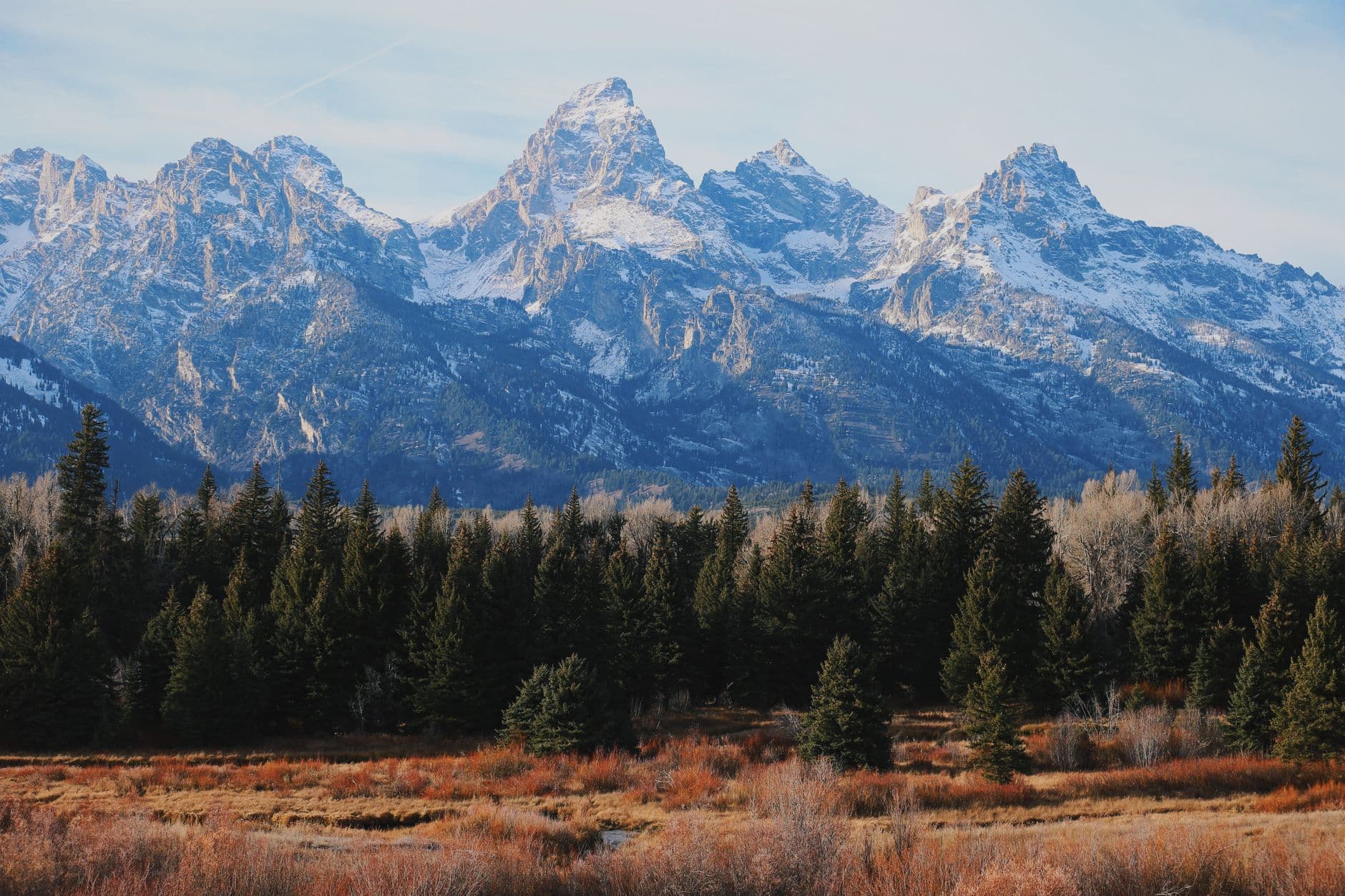
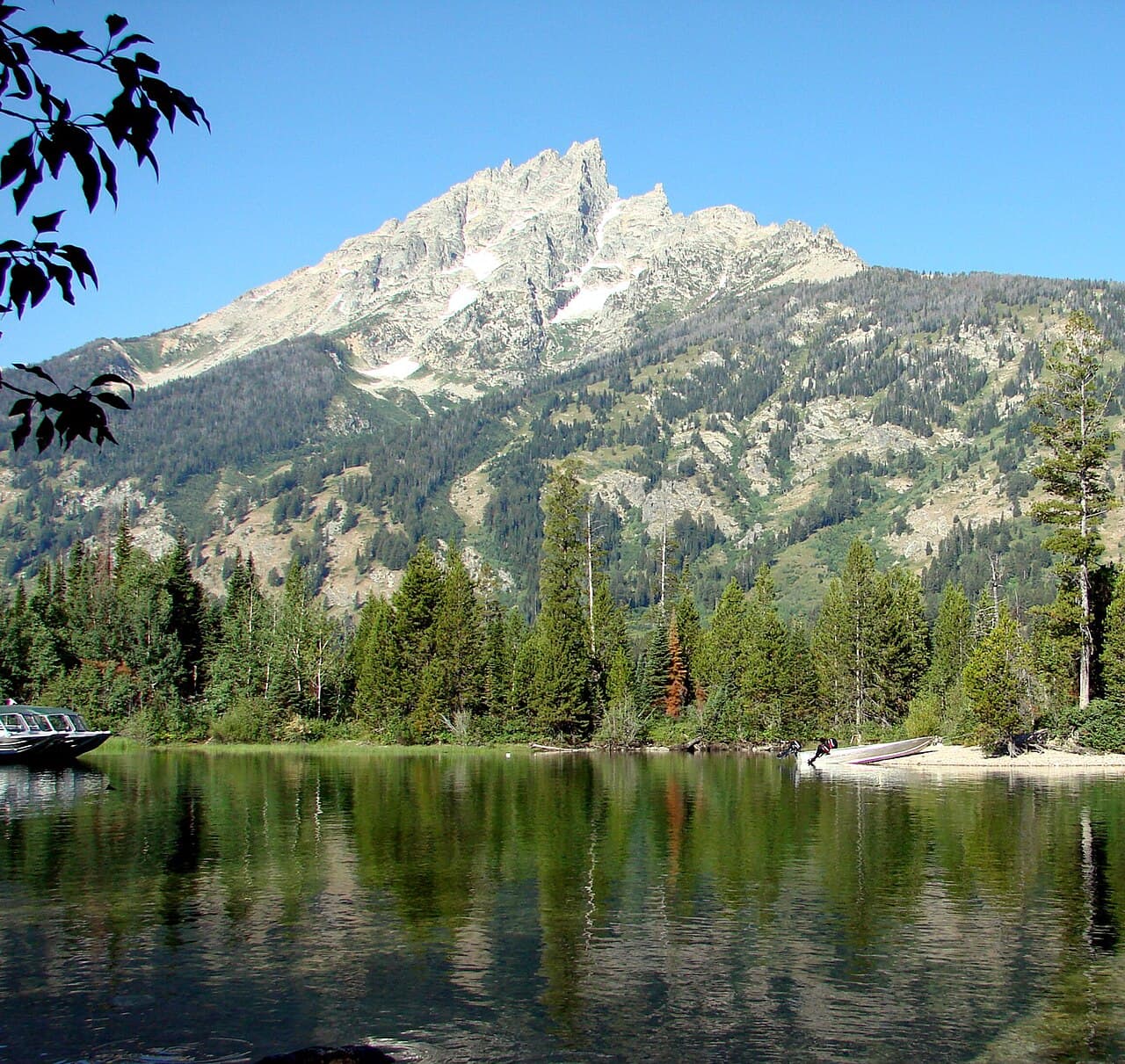
The drive out here is the experience as much as the destination — miles of snow-hushed valley opening onto the jagged wall of the Wind River Range, with Squaretop Mountain rising like a held breath at the head of the lake. In winter the lakes may be partially frozen, the turquoise water darkened to something more mysterious, and the silence is complete apart from wind moving through frosted lodgepole pines. This is not a place to linger for hours in deep winter — a shorter, careful walk to a viewpoint near the lower lake delivers the payoff without exposing the group to extended cold or avalanche-prone terrain.

Green River Lakes
James St. John / wikimedia (CC BY 2.0)
Photograph the lower lake shoreline looking toward Squaretop in early afternoon, when the low winter sun rakes across the peaks without the harsh glare of midday summer light.
Terrain is uneven, unplowed, and not wheelchair accessible; footing can be icy or snow-covered and requires sturdy winter boots with traction.
Optional detour: Green River LakesExtending the visit if weather and daylight allow
A short push further along the shoreline trail offers a different, more dramatic angle on the peaks for families with older, more adventurous teens. Skip if: Skip if daylight is limited (winter sunset comes early) or if anyone in the group is struggling with cold — the return drive should not happen after dark on these roads.
If it rains: There is no reliable indoor backup at Green River Lakes itself; if weather deteriorates significantly, do not attempt the drive at all and instead spend the day in Pinedale, treating it as a flexible rest day and rescheduling this excursion if conditions improve tomorrow.

Start early and check road conditions before committing to the drive — this is the most remote stop of the trip, and mornings offer the calmest weather window for the long approach into the Green River Lakes basin.

The heart of the day is the walk itself: a short, careful approach to the lakeshore where the Wind River Range's most dramatic peaks rise directly from the water, utterly silent in winter and almost entirely free of other visitors — a rare, humbling kind of solitude that's hard to find at more accessible parks.

The return drive eats into the evening, so keep plans simple — arrive back in Pinedale, have an easy, warming dinner, and let everyone recover from a long day of driving and cold-weather walking before the final, lighter day tomorrow.

Wind-down & departure

Day 4: Last Light and Easy Miles

A short, low-key final day revisiting a favorite stop or exploring Pinedale before departure, with minimal walking (under 1 mile).

Wear
Comfortable warm layers for town walking — no need for full winter hiking gear unless revisiting the canyon.
Budget
$30-50 (breakfast, lunch, any last souvenirs)
9:00 AM - 10:00 AM
Sinks Canyon SP · morning · 60 min · Sinks Canyon & Popo Agie

A final, unhurried visit to the sinkhole overlook rounds out the trip nicely — by now the group knows the short walk well, and this last look at the river disappearing into the canyon feels like a proper goodbye to the Winds rather than a rushed final stop. Morning light is again the draw: arrive by 9am for calm, near-empty views before departure logistics take over the day.

Sinks Canyon SP
Eckhardt, William T Hatley, M. Jay Cornerstone Research (Firm) United States. Bureau of Land Management. California Desert District / wikimedia (Public domain)
One last shot from the canyon rim looking downstream, with the Wind River Range still visible in the background under winter light.
Paths remain uneven and possibly icy; suitable for a short, careful walk but not wheelchair accessible.
Optional detour: Popo Agie FallsAfter Sinks Canyon SP, if there's time before departure
A last, brief visit to the falls offers a strong closing image for the trip if the group has energy and the trail is safe. Skip if: Skip if departure timing is tight or if trail conditions have worsened — this stop is optional precisely because the trip's highlights are already covered.
If it rains: If conditions are poor, skip the final canyon visit entirely and spend the morning in Pinedale instead, browsing shops and having a relaxed final breakfast before the drive out.

Keep the final morning gentle and familiar — a short return to Sinks Canyon offers one last dose of that eerie, beautiful vanishing river without demanding much physically from a group that's likely tired from three days of cold-weather exploring.

Shift into departure mode: finish packing, grab any last supplies in Pinedale, and begin the drive out with plenty of daylight buffer, since winter road conditions can slow travel unexpectedly.

With travel underway, keep expectations simple — a final casual meal on the road or in a stop-through town is enough to close out a trip built more on wide-open silence and dramatic light than on packed schedules.

Want to tweak this trip?

Our AI planner can customize this itinerary to your exact dates, interests, and travel style.

Customize This Itinerary
Good to Know

Restaurant details (hours, menus, availability) change frequently, and dining data for this remote area is limited — always check current hours before visiting, especially in winter when many small-town restaurants operate reduced schedules.

Dietary compatibility tags are general guidance. If you have severe allergies, confirm directly with the restaurant.

Travel tips are general guidance, not professional safety advice. Winter road and trail conditions in the Wind River Range change rapidly — check Wyoming DOT and local ranger station updates before any excursion, and check government advisories for the latest information.

All prices are approximate and may vary seasonally.
We use cookies to improve your experience and analyze site usage. Essential cookies are always active. You can customize your preferences or accept all cookies. Cookie Policy