
Beirut is a city of layered history and electric energy, where ancient Mediterranean trade routes meet contemporary urban vigor. Perched on a peninsula where the sea meets the city, this capital of resilience pulses with creativity, art, and cosmopolitan ambition across its diverse neighborhoods. From the limestone cliffs of Pigeon Rocks to the restored grandeur of downtown Solidere, Beirut invites travelers to experience a destination that has endured and reimagined itself across millennia.
Key Attractions
View all attractions →
American University of Beirut
Perched on a verdant hillside overlooking the Mediterranean, AUB's sprawling campus feels like stepping into a piece of colonial-era academia transplanted to the Levantine coast. The university's blend of historic stone buildings, manicured gardens, and modern facilities tells the story of educational persistence through decades of Lebanese turbulence. Visitors can stroll the scenic grounds, glimpse student life, and appreciate architecture that ranges from Victorian-era structures to contemporary academic buildings.
Photo by A.K.Khalifeh — CC BY-SA 3.0
Baalbek Roman Ruins (day trip)
Perched dramatically in the Bekaa Valley, Baalbek showcases some of the most astonishing Roman architecture ever constructed, with colossal columns and meticulously carved details that whisper stories of empire and devotion. The Temple of Jupiter stands as a testament to ancient engineering prowess, its six remaining columns towering majestically above the surrounding landscape, while the circular Temple of Venus nearby offers an intimate glimpse into Roman religious life. Walking through these sprawling ruins, you'll feel transported across two millennia as the Bekaa hills frame these architectural giants in breathtaking vistas.
Byblos (Jbeil – day trip)
One of the world's oldest continuously inhabited cities, Byblos weaves together Phoenician temples, Crusader castles, and Ottoman-era buildings into a living tapestry of Mediterranean history spanning over 5,000 years. Wander through the seaside old souk with its narrow cobblestone streets lined with art galleries, antique shops, and family-run restaurants before exploring the atmospheric ruins that overlook the azure coastline. The site itself tells stories through layers—from the ancient harbor where papyrus was once traded to the Knights Templar fortress that crowns the hilltop.
Photo by Soly Moses

Corniche Beirut (Seafront)
Beirut's iconic Corniche stretches along the Mediterranean coast, offering locals and visitors a cherished escape where the sea breeze carries stories of resilience and renewal. This lively waterfront promenade is lined with casual cafés, street vendors, and fishermen, creating an authentically Lebanese atmosphere that pulses with everyday life and social energy. Whether you're watching families stroll at dusk or joining the evening crowds for fresh seafood and narghile, the Corniche captures the city's spirited connection to the sea.
Photo by upyernoz

Gemmayzeh District
Gemmayzeh is Beirut's most authentic bohemian enclave, where centuries-old stone buildings house artist studios, intimate wine bars, and galleries tucked into centuries-old alleyways. The neighborhood pulses with creative energy—street art covers weathered walls, coffee roasters open onto tiny plazas, and locals gather in hidden courtyards that feel frozen in time. Despite its gritty charm and post-war architecture, Gemmayzeh remains fiercely independent and unmistakably Beiruti, resisting commercialization better than any other district in the city.
Photo by Sluggh Mcgee

Hamra Street
Hamra Street pulses as the beating heart of West Beirut's cultural and social life, lined with bookstores, galleries, cafés, and restaurants that have survived decades of upheaval to reclaim their vibrant spirit. This legendary thoroughfare captures the essence of Lebanese urban culture, where intellectuals debate over Turkish coffee, students browse vintage vinyl records, and families stroll past art installations and street performers. The street's eclectic energy reflects Beirut's resilient character, blending bohemian charm with cosmopolitan sophistication.
Photo by Thomas Leuthard

Jeita Grotto (day trip)
Carved by underground springs over millennia, Jeita Grotto presents two stunning chambers featuring stalactites and stalagmites that seem to glow in carefully placed lighting. The upper grotto showcases dramatic stone formations that stretch toward vaulted ceilings, while an ethereal boat ride through the lower chamber glides past reflective pools that mirror the crystalline formations above. This geological masterpiece sits just 18km north of Beirut and offers a refreshing escape into nature's cathedral.
Photo by Rangoni Gianluca

Mar Mikhael District
Mar Mikhael is Beirut's most vibrant and creative neighborhood, where pre-war charm collides with bohemian energy in narrow lanes lined with art galleries, vintage shops, and eclectic restaurants. The district pulses with street art and underground culture, drawing artists, musicians, and young professionals who've revitalized its historic Ottoman and French-era architecture. Walking here feels like stepping into Beirut's beating heart—a place where resilience and artistic spirit have transformed struggle into inspiration.
Photo by Sluggh Mcgee
National Museum of Lebanon
Housed in a striking Art Deco building in central Beirut, this museum safeguards Lebanon's rich archaeological heritage spanning from prehistoric times through the Ottoman period. Its galleries showcase exquisite Phoenician artifacts, Roman mosaics, and Islamic treasures that tell the story of civilizations that flourished along the Mediterranean coast. The collection offers a poignant window into the cultural layers that have shaped this ancient land.
Photo by Vyacheslav Argenberg — CC BY 4.0
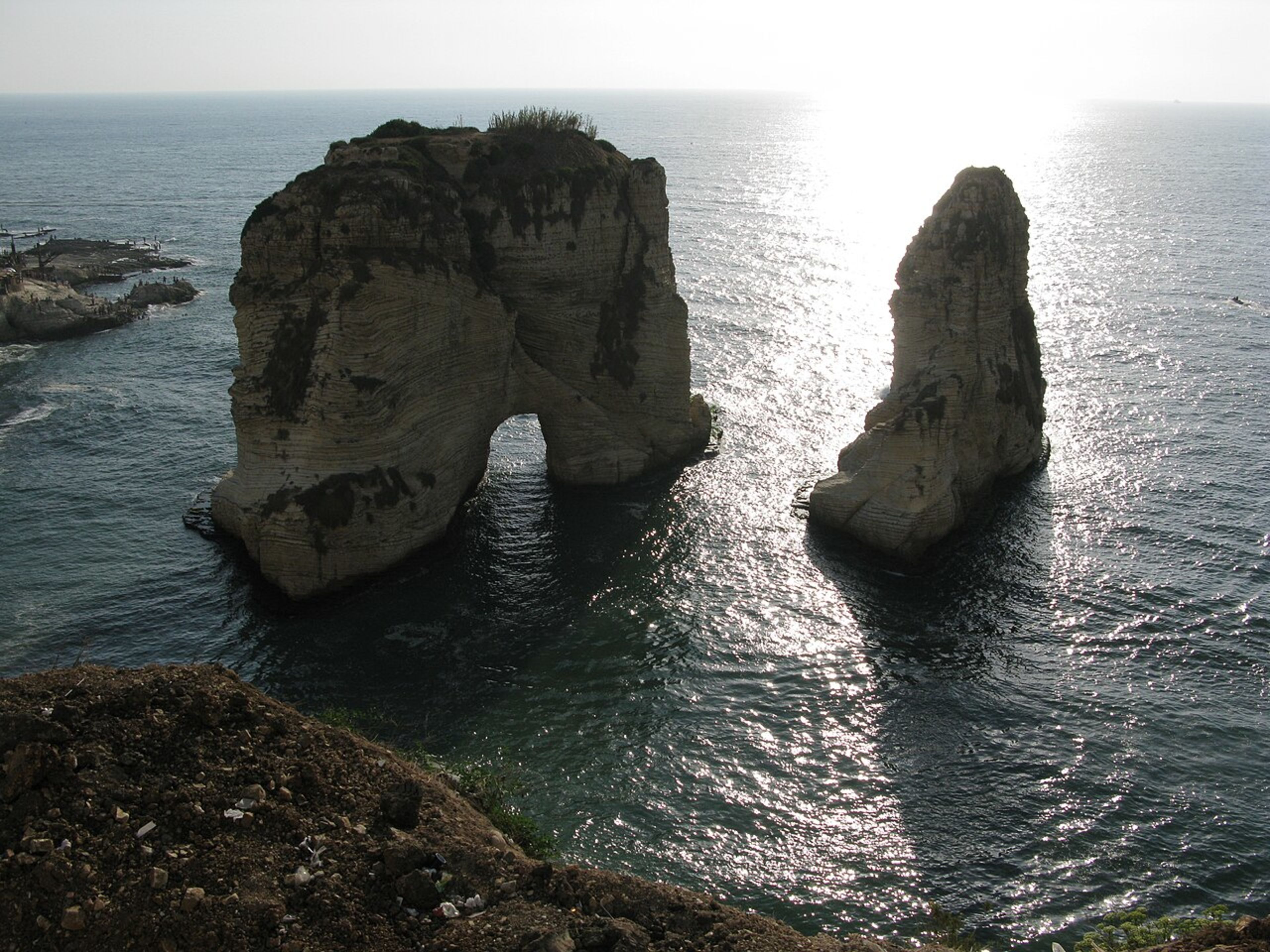
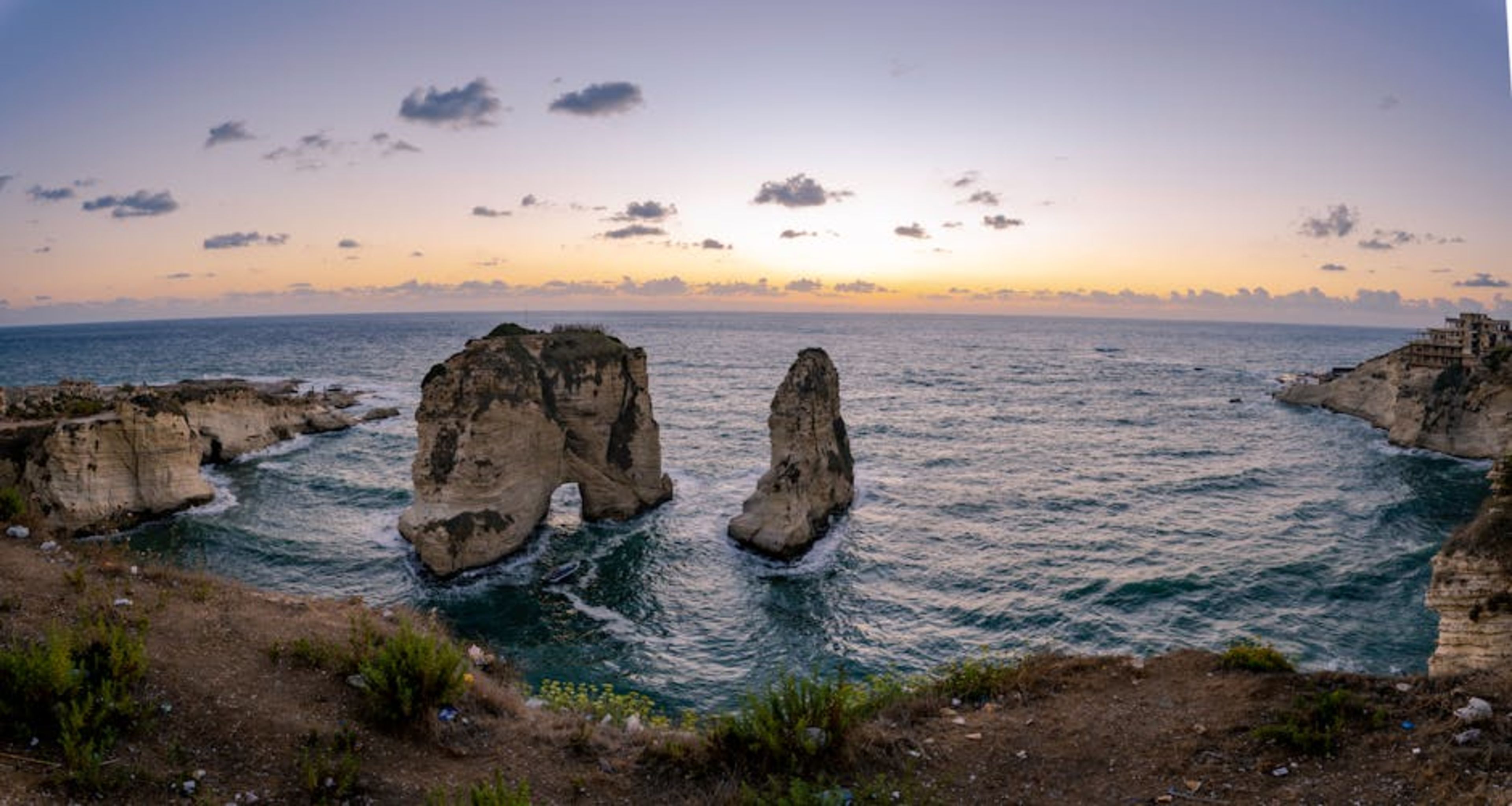
Pigeon Rocks (Raouché)
These two dramatic limestone rock formations rising dramatically from the Mediterranean Sea have become Beirut's most iconic natural symbol, their jagged silhouettes etched against the horizon like nature's cathedral. The rocks earned their name from the pigeons that nest in their caves, though today they're equally famous as the backdrop for countless sunset moments and romantic seaside walks along the nearby corniche. Swimming and boating around the rocks are popular activities, offering visitors a chance to experience this geological wonder from water level.
Photo by Vyacheslav Argenberg — CC BY 4.0

Solidere (Downtown)
Solidere transformed Beirut's war-torn city center into a vibrant district seamlessly blending Ottoman architecture with contemporary design, where meticulously restored heritage buildings now house galleries, boutiques, and cafés. Walking through its pedestrian plazas and narrow alleys feels like moving between centuries, with each corner revealing hidden squares, street art, and the gentle murmur of Arabic conversations. The neighborhood pulses with creative energy while honoring the memories embedded in its reconstructed facades.
Photo by n.karim
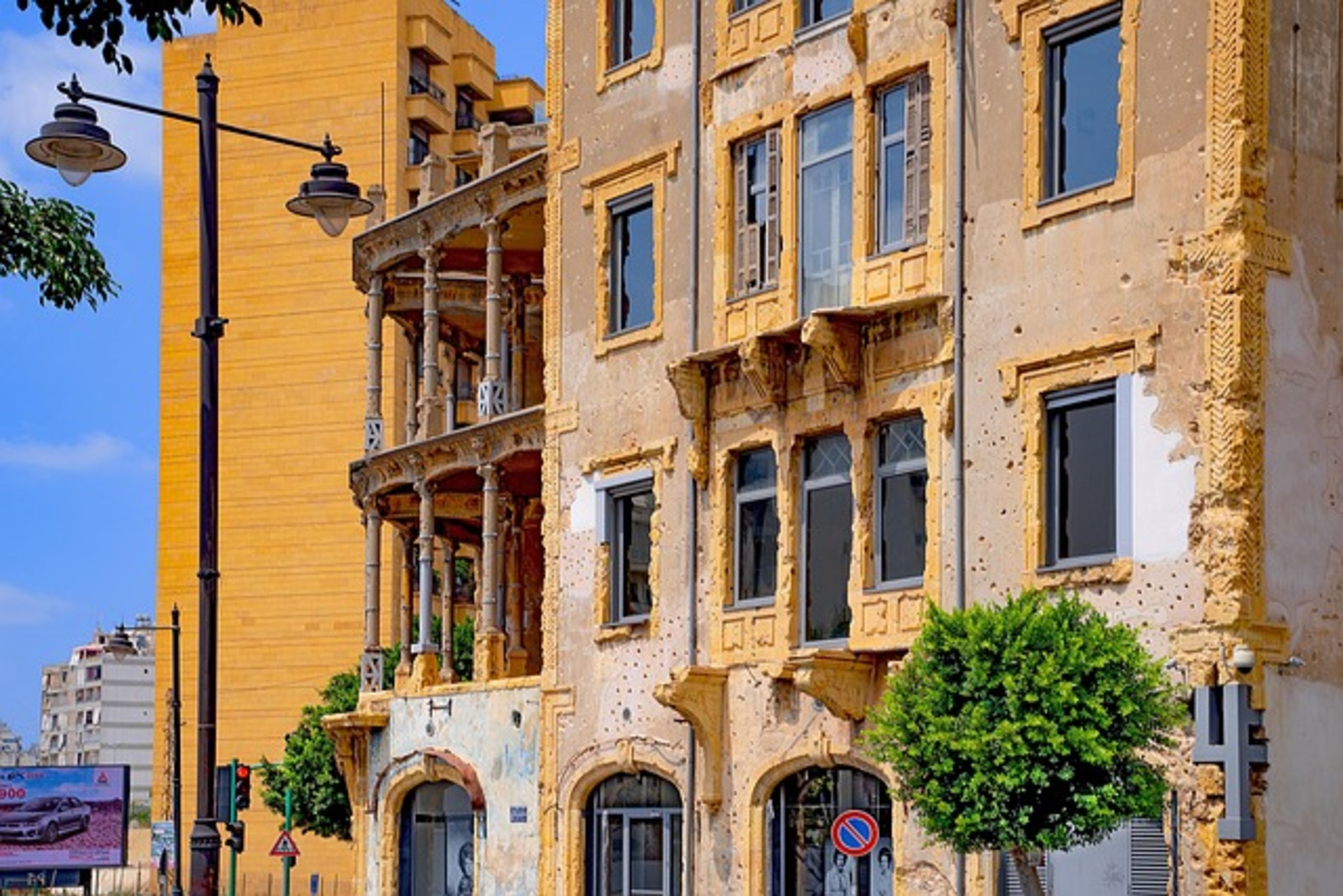
Sursock Museum
Housed in a stunning Belle Époque mansion overlooking the Mediterranean, this art museum showcases an impressive collection spanning from ancient Near Eastern artifacts to contemporary Lebanese works. The museum's recent renovation restored its architectural grandeur while modernizing galleries that tell the story of artistic expression across centuries. Beyond the collections, the building itself—with its ornate details and sweeping sea views—is a masterpiece worth experiencing.
Photo by djedj
Itineraries Here
Planning a Trip to Beirut: FAQs
When is the best time to visit Beirut?
⌄
The best time to visit Beirut is spring.
How many days do you need in Beirut?
⌄
Plan on about 4 days to cover Beirut's highlights at a comfortable pace.
How do you get to Beirut?
⌄
Rafic Hariri International Airport (BEI) is the primary gateway, located approximately 9 kilometers south of central Beirut. The drive into the city typically takes 20–40 minutes depending on traffic. Beirut can also be reached by sea via cruise ports and is accessible overland from Syria and Turkey, though travelers should check current travel advisories and border conditions.
What are the top things to do in Beirut?
⌄
Top attractions in Beirut include American University of Beirut, Baalbek Roman Ruins (day trip), Byblos (Jbeil – day trip), Corniche Beirut (Seafront) and Gemmayzeh District. Itinara lists 12 verified attractions in total.