Beirut, Lebanon
3-Day Itinerary for Solo Traveler
“Limestone and Light: A Solo Wander Through Beirut”

Beirut arrives in layers — the hush of a museum courtyard, the roar of Hamra Street traffic, the sudden hush again when the Mediterranean opens up at the Corniche. This is a city that rewards the solo traveler who wanders slowly, lingers over coffee, and lets conversations happen at bar counters and gallery doorways.
At a Glance
Highlights
- Phoenician jugs and Roman glass under museum light at the National Museum
- Sunset over Pigeon Rocks with the whole Corniche exhaling around you
- Bookshop-hopping and café debates along Hamra Street
- Street art and natural wine in Mar Mikhael after dark
- A full day among Byblos's five-thousand-year-old stones and harbor views
- Jeita Grotto's underground cathedral of stalactites
- Communal lunches where solo diners are the norm, not the exception
Day-by-Day Plan
Day 1: Settling In: Hamra's Bookshops and the Museum Hush
A gentle first day of roughly 3 miles on foot, moving between two low-energy cultural anchors and the intellectual buzz of Hamra Street.
Start soft on day one — this is the quietest the museum will be all week, mornings Tuesday through Thursday especially. Phoenician jugs and Roman glass sit under careful lighting, the air climate-controlled and hushed, giving you room to actually absorb five thousand years of history rather than rush past it. For a solo traveler still adjusting to the city's rhythm, this is a gentle, low-stimulation way to get oriented.
Wander the packed storefronts and French-era facades, letting the overlapping Arabic-French-English conversations wash over you. Midday traffic here is moderate and easy to navigate solo — duck into a bookshop, linger at a café counter, and treat lunch as the day's main event, Beirut-style. This is prime territory for striking up conversation; café regulars and students are used to sharing tables.
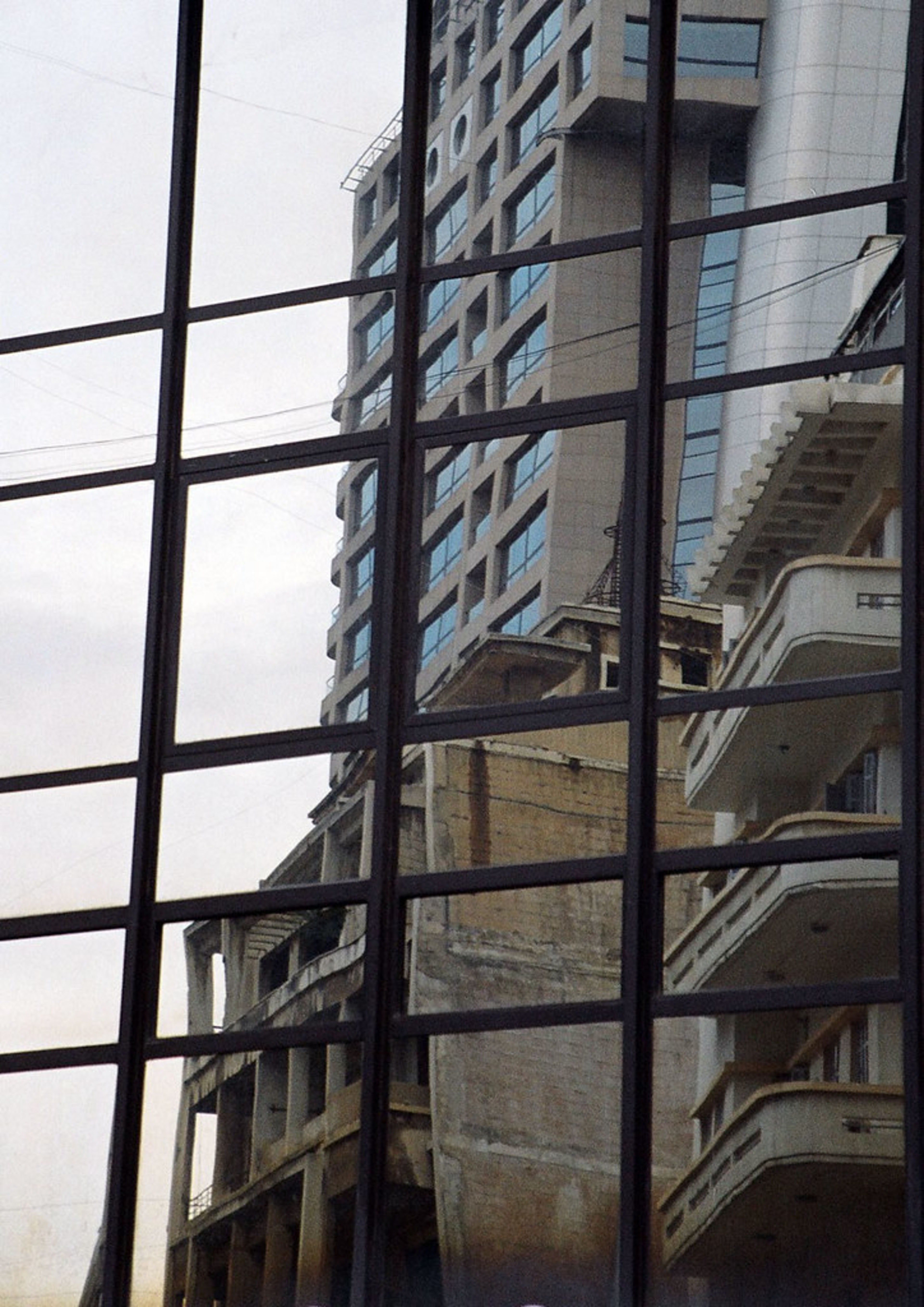
Arrive after 3pm when the afternoon crowds thin and the ornate plasterwork and soaring ceilings feel almost private. The collection swings from ancient artifacts to provocative contemporary installations, a satisfying contrast to the morning's Phoenician antiquity. Note: closed Mondays, so plan accordingly if your dates shift.

Ease into Beirut slowly. The National Museum's quiet, climate-controlled galleries are the gentlest possible introduction to the city's five-thousand-year story, its Phoenician jugs and Roman glass lit with museum precision. Morning here means near-solitude, especially Tuesday through Thursday, and no rush to keep pace with anyone else's schedule.
Hamra Street shifts the mood — from hushed galleries to overlapping conversation, bookshop browsing, and the low hum of café life. Treat lunch as Beirut does: the day's centerpiece, taken slowly. By mid-afternoon, cross to Sursock Museum, timing arrival after 3pm so the ornate rooms feel unhurried and the light through the tall windows turns gold.
Wind down with something sweet and simple back near Hamra — no need to chase a big dinner on night one. Let jet lag settle, let the city's rhythm sink in, and save the late nights for tomorrow.
Day 2: Sea Light: The Corniche, Pigeon Rocks, and Mar Mikhael After Dark
A moderate day of roughly 4 miles combining waterfront walking, campus wandering, and an evening shift into the artistic energy of Mar Mikhael.
Weekday mornings are quietest here, the ivy-covered limestone buildings and cascading gardens humming with a polyglot murmur of Arabic, English, and French. Wander the campus paths toward the sea-facing edges where the Mediterranean appears in blue slivers between buildings — a peaceful, contemplative start before the day's energy builds.

The Corniche in late morning is calm — salt air mixing with coffee and grilled food smells, the murmur of Arabic conversation rolling alongside the waves. This is an easy, unhurried stretch of promenade walking, ideal for a solo traveler to settle into people-watching mode before the long lunch ahead.

Fall's shorter days work in your favor here — arrive by 6pm to catch the two stone sentinels glowing warm against deepening blue water as the light fades fast. Sunset (roughly 6-7pm) is the busiest window, but the energy is celebratory rather than crowded; the cooling evening breeze and the sound of waves against rock make this feel almost ceremonial. Come earlier, around 6-7am the next morning if you want true solitude instead, but this golden-hour version is worth the shared moment.

By evening, Mar Mikhael is in full swing — layered street art and vintage shop windows lit up, the smell of grilled meat from hole-in-the-wall joints mixing with coffee from artist cafés. This is prime solo-traveler territory: bars with counter seating, easy conversation, and a young, international crowd that makes striking up a chat effortless. Wander slowly; this neighborhood rewards aimlessness.

Start at the American University of Beirut while the campus is still hushed, ivy-covered limestone and cascading gardens giving way to glimpses of blue Mediterranean beyond the stone. It's a contemplative, unhurried opener before the day's energy builds along the water.
The Corniche stretches out easy and unhurried at midday, salt air and coffee smells carrying along the promenade as you settle into a long lunch. As afternoon fades, walk south toward Pigeon Rocks, timing your arrival for the fast-dropping fall light — the two stone sentinels glowing warm against the darkening water make for one of Beirut's most memorable half-hours.
Cross the city into Mar Mikhael as the neighborhood comes alive — street art lit under café glow, grilled meat smoke mixing with the murmur of conversation. This is the night to linger at a bar counter, let a conversation start itself, and enjoy Beirut's late-night social rhythm without any pressure to rush home.
Day 3: Beyond the City: Byblos's Ancient Stones and Jeita's Underground Cathedral
A full day trip north of the city, roughly 3-4 miles of walking spread across ancient ruins and a cave system, with driving time between the two sites.
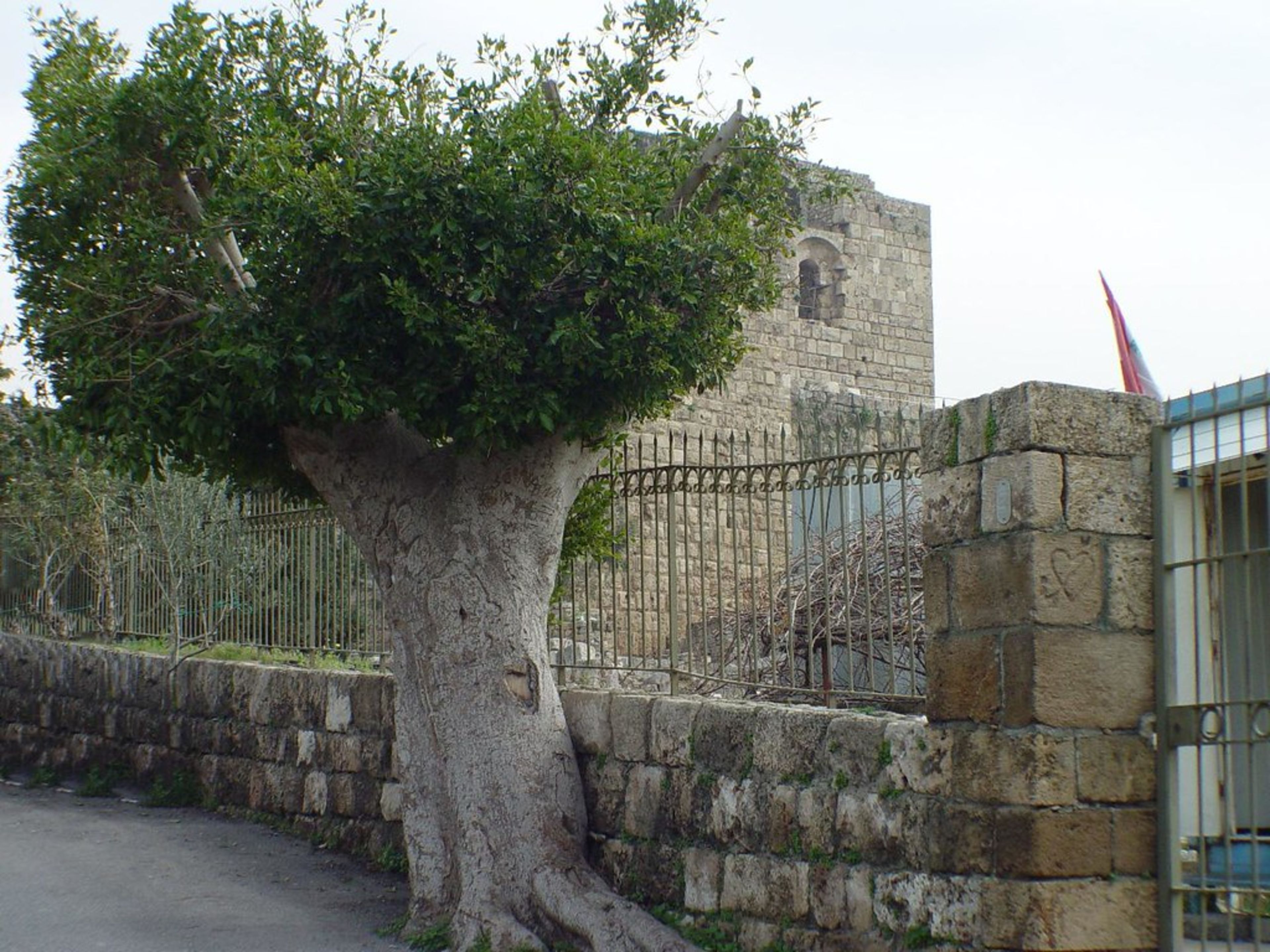
Arrive between 9 and 10am when the ruins are emptiest, before day-trippers arrive around 11. Salt and grilled fish mingle with stone dust as you move through honey-colored limestone facades carved with five thousand years of fingerprints — light dances differently across the stones with each passing hour. For a solo traveler, this is a place to move at your own pace, lingering wherever the history pulls you rather than following anyone else's itinerary.
After Byblos's sun and salt air, the cool damp cave air of Jeita Grotto is a welcome contrast — towering stalactites glowing under theatrical lighting like frozen waterfalls, footsteps echoing subtly off ancient stone. Weekday mornings are quietest, but an early afternoon slot before the 3-5pm crowd works well when arriving straight from Byblos.

Head north early, aiming to reach Byblos by 9am while the ruins are still empty and the light is at its most dramatic. Five thousand years of layered history unfold slowly here — Phoenician foundations, Crusader stones, harbor views — and the unhurried morning quiet makes it feel like a private discovery rather than a tourist stop.
After a relaxed harbor-side lunch, the drive inland toward Jeita Grotto shifts the mood entirely — hills replacing sea views, anticipation building for the cool cave air ahead. Inside, towering stalactites glow under theatrical lighting, the damp stone air a welcome contrast to the midday sun at Byblos.
The drive back to Beirut closes out the day gently, city lights gradually replacing the dark hillsides. With the day trip behind you, an easy dinner back in the city — perhaps revisiting a favorite spot from Hamra or Mar Mikhael — makes for a satisfying, unhurried close to three days of layered discovery.
Want to tweak this trip?
Our AI planner can customize this itinerary to your exact dates, interests, and travel style.
Customize This ItineraryRestaurant details (hours, menus, availability) change frequently. Check current hours before visiting, especially in seasonal destinations.
Dietary compatibility tags are general guidance. If you have severe allergies, confirm directly with the restaurant.
Travel tips are general guidance, not professional safety advice. Check government advisories for latest information.
All prices are approximate and may vary seasonally.