
Cape Town is a city where dramatic mountains meet the ocean, creating a landscape that feels both cosmopolitan and wild. Home to iconic landmarks like Table Mountain and Cape Point, the city pulses with a rich cultural heritage shaped by centuries of history and a thriving creative energy. From vibrant neighborhoods painted in bold colors to world-class beaches and sprawling wine estates in nearby valleys, Cape Town offers an intoxicating blend of natural beauty, urban sophistication, and authentic South African character.
Key Attractions
View all attractions →
Bo-Kaap Neighborhood
Bo-Kaap is a vibrant hillside neighborhood where centuries of Cape Malay heritage comes alive through candy-colored Victorian townhouses, aromatic spice shops, and welcoming local culture. Wander the narrow lanes to discover independent galleries, textile studios, and authentic restaurants serving fragrant curries and traditional dishes passed down through generations. The neighborhood pulses with street art, historical mosques, and the genuine warmth of a community that has preserved its identity while evolving with contemporary creativity.
Photo by Ivan Kahl
Boulders Beach (African Penguins)
Boulders Beach is a sheltered cove where endangered African penguins waddle freely among giant granite boulders, creating an enchanting and surprisingly intimate wildlife experience just minutes from the city. The protected colony has grown from a handful of birds in the 1980s to over 3,000 residents today, making it one of only two mainland penguin colonies in Africa. Crystal-clear turquoise waters lap at the shore while penguins dive, splash, and nest among the rocks in their natural habitat.
Photo by Dietmar Rabich — CC BY-SA 4.0

Camps Bay Beach
Nestled against the dramatic backdrop of the Twelve Apostles mountains, Camps Bay Beach is a glamorous stretch of white sand that feels like a film set come to life. This upscale seaside village combines pristine bathing waters with trendy beachfront restaurants and cafés, making it equally perfect for swimming, sunbathing, or people-watching. The palm-lined promenade exudes a Mediterranean charm that draws both locals and travelers seeking Cape Town's most photogenic coastal escape.
Photo by Nithin bolar k

Cape Winelands (Stellenbosch / Franschhoek)
The Cape Winelands stretch across verdant valleys where centuries-old estates produce world-class wines against a backdrop of dramatic mountains and oak-lined avenues. Stellenbosch and Franschhoek are the heart of this region, each offering distinct character—Stellenbosch blends university town vibrancy with historic Cape Dutch architecture, while Franschhoek exudes French-influenced charm with excellent restaurants and galleries tucked into its main street. Beyond the tasting rooms, the landscape itself rewards exploration, with hiking trails, farm shops, and cellar doors revealing the stories behind each vintage.
Photo by Peter Vercoelen
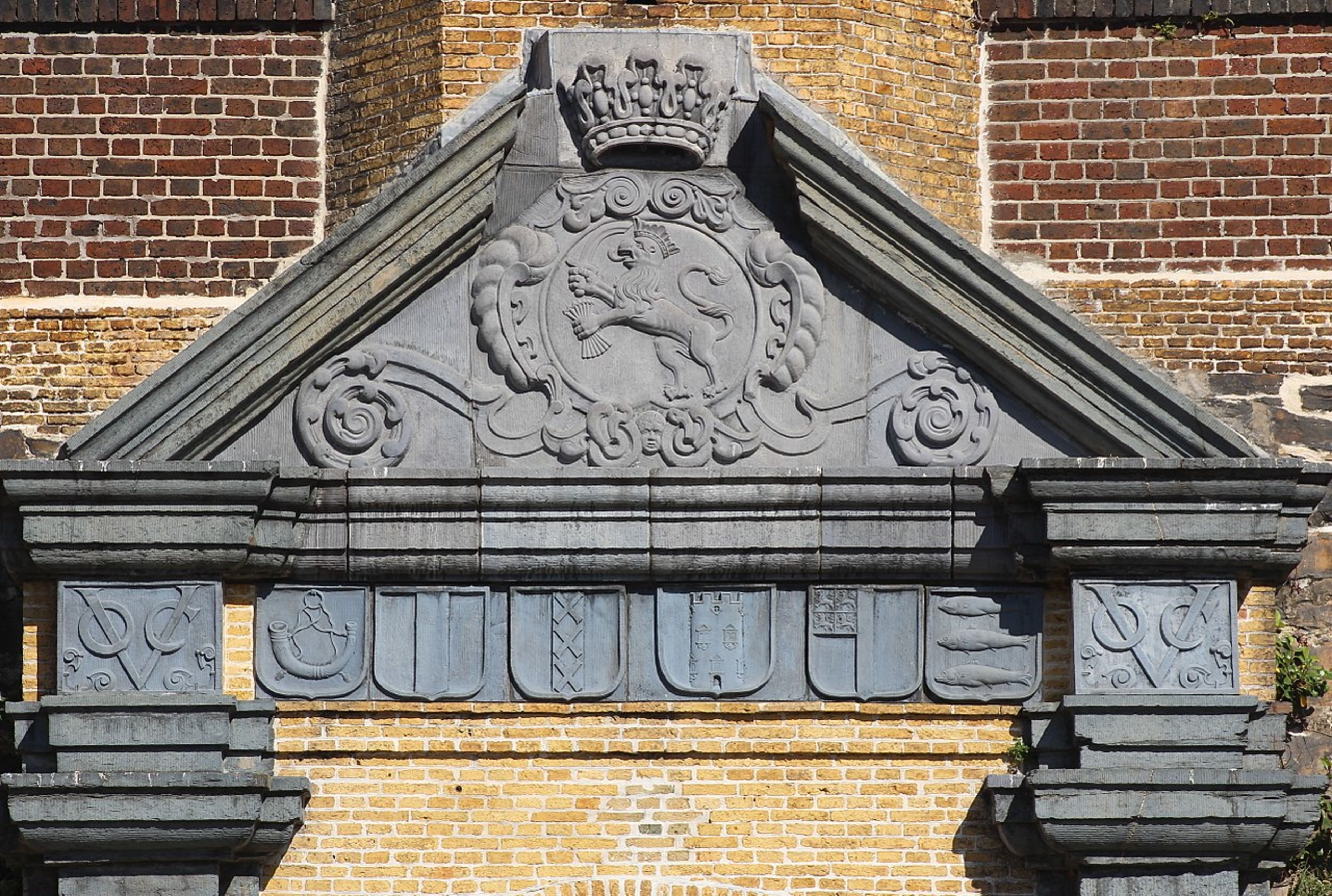
Cape of Good Hope
This dramatic rocky headland marks where the Atlantic and Indian Oceans meet, offering breathtaking coastal views and a sense of standing at one of Earth's most storied maritime boundaries. The landscape is ruggedly beautiful with windswept vegetation and crashing waves that have both inspired and humbled sailors for centuries. Modern facilities include restaurants and gift shops alongside the natural splendor.
Photo by Martinvl

Castle of Good Hope
This imposing five-pointed fortress, built by the Dutch East India Company, anchors Cape Town's waterfront with centuries of colonial history etched into its weathered stonework. Within its thick walls, you'll discover museums, heritage exhibits, and peaceful courtyards that reveal stories of the Cape's complex past. The castle's bastions offer sweeping views of Table Mountain and the harbor, making it as much a vantage point as a historical monument.
Photo by Martinvl

Chapman's Peak Drive
This spectacular 9-kilometer coastal drive clings dramatically to the mountainside between Hout Bay and Noordhoek, offering breathtaking views where towering cliffs meet the Atlantic Ocean below. The road winds through pristine fynbos vegetation with numerous viewpoints where you can pause to absorb the raw beauty of the Cape Peninsula's southwestern edge. Built in 1922 and considered one of the world's most beautiful coastal drives, it delivers genuine moments of awe around almost every bend.
Photo by kallerna
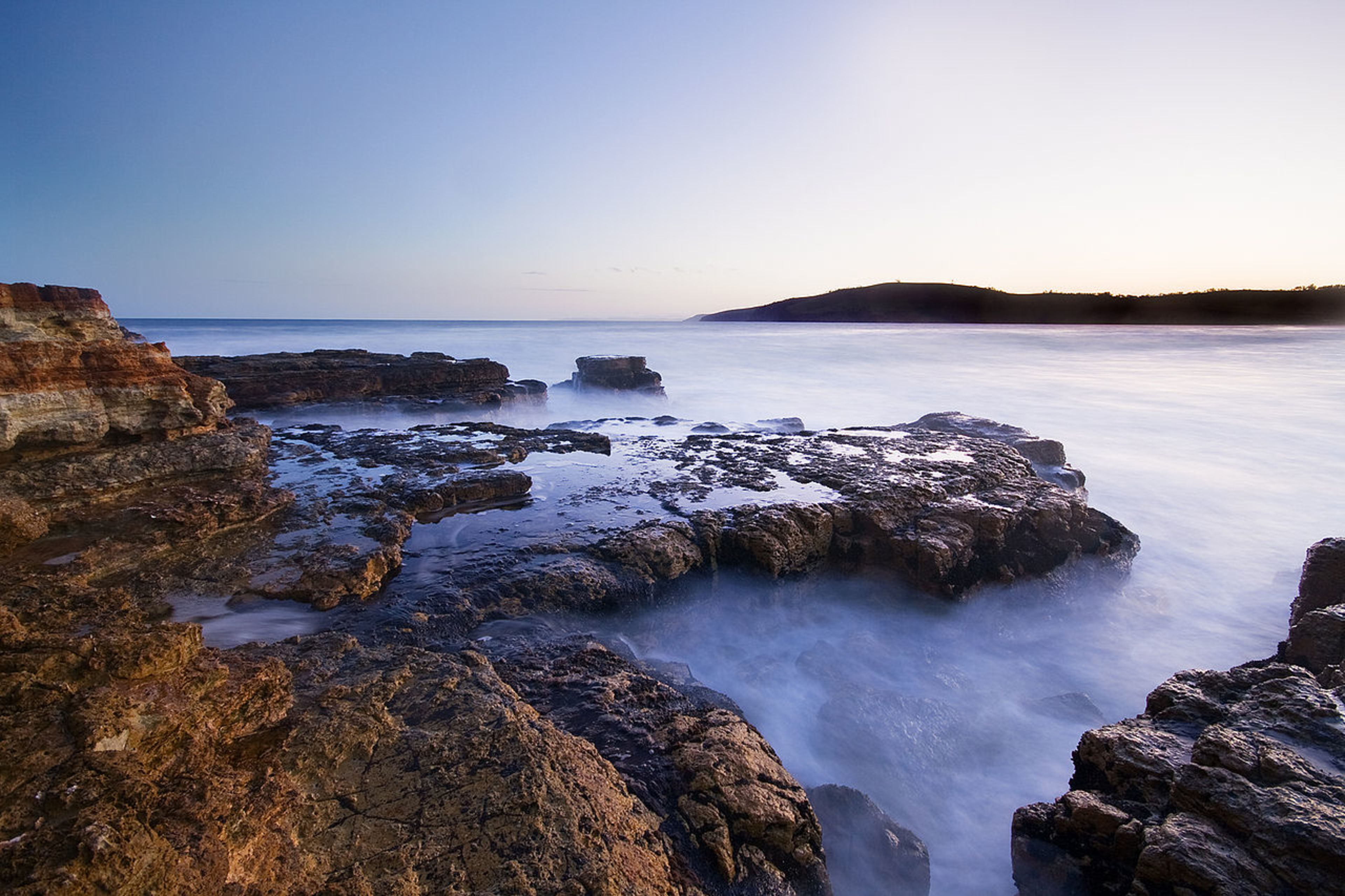
Clifton Beaches
Clifton's four pristine coves are nestled beneath granite peaks and offer surprisingly calm, turquoise waters sheltered from the Atlantic's notorious swell. Each beach level gets progressively more exclusive and secluded as you venture down, with the first and second beaches being most accessible while the fourth feels like discovering a private paradise. The dramatic mountain backdrop, upscale beach clubs, and cosmopolitan crowd create an atmosphere that feels more Mediterranean than African.
Photo by JJ Harrison (https://www.jjharrison.com.au/)

Constantia Wine Estates
Constantia Valley, South Africa's oldest wine region, blankets the eastern slopes of Table Mountain with prestigious vineyards that have been producing world-class wines since the 17th century. Wander between family-owned estates like Groot Constantia and Klein Constantia, each offering cellar tours, tastings, and often memorable views of False Bay stretching below. The valley's unique terroir—shaped by cool Atlantic breezes and mountain-sheltered slopes—creates the perfect conditions for elegant Sauvignon Blancs and refined reds that draw oenophiles from across the globe.
Photo by fabulousfabs
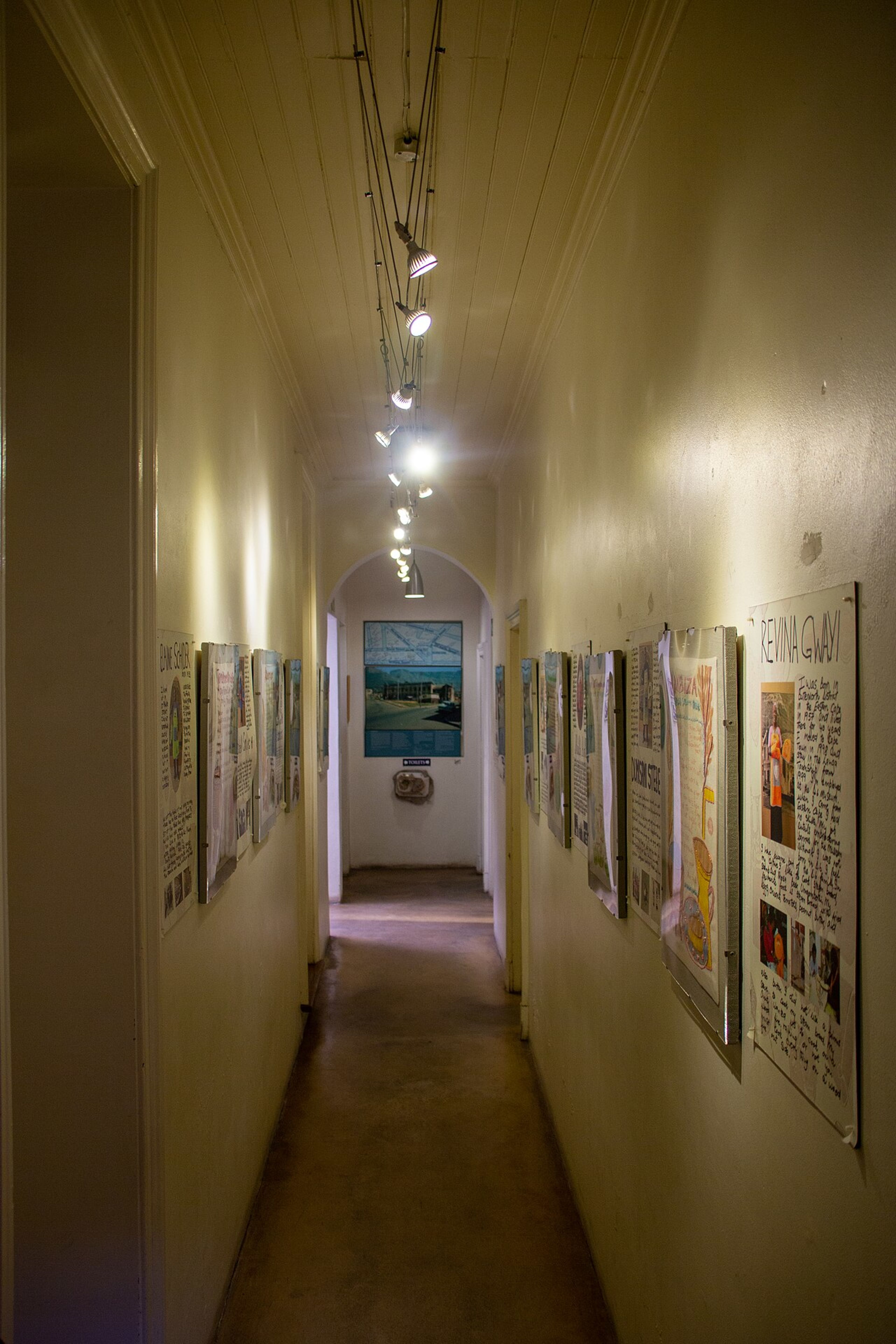
District Six Museum
This poignant museum occupies the heart of what was once a vibrant multi-racial neighborhood forcibly demolished by apartheid authorities in 1966, preserving the memories and voices of thousands displaced families. Through personal testimonies, photographs, and reconstructed domestic spaces, you'll encounter the lived experiences of people whose homes and communities were erased from the map. The museum serves as both a memorial and a powerful statement about resilience, loss, and the importance of remembering difficult histories.
Photo by Photograph by Mike Peel (www.mikepeel.net).

Green Point Urban Park & Stadium
This iconic 2010 FIFA World Cup stadium sits elegantly on Cape Town's waterfront, its distinctive curved design catching Atlantic breezes and city light beautifully. The surrounding urban park offers walking trails, green spaces, and harbor views where locals jog and families picnic alongside the venue's modern architecture. Today it hosts concerts, rugby matches, and community events while remaining a symbol of Cape Town's global moment.
Photo by D-Stanley

Hout Bay Market
Nestled in the working harbor town of Hout Bay, this vibrant weekend market bursts with local crafts, art, jewelry, and fresh produce while the smell of wood smoke and grilled food drifts through the air. Street musicians and performers add to the lively atmosphere as you browse stalls selling everything from hand-painted ceramics to colorful beaded accessories created by local artisans. The market captures the authentic creative spirit of Cape Town's creative community in an unpretentious, genuinely local setting.
Photo by Discott

Kirstenbosch National Botanical Garden
Cradled against the majestic eastern slopes of Table Mountain, Kirstenbosch showcases South Africa's extraordinary botanical diversity across sprawling lawns and cultivated gardens that feel both cultivated and wild. The garden bridges refined horticulture with native fynbos vegetation, creating peaceful wandering routes where you might spot sunbirds darting between proteas or find yourself beneath towering yellowwood trees. Summer sunset picnics on the lawn, accompanied by live jazz performances, add an enchanting social dimension to this naturalistic sanctuary.
Photo by Matti Blume

Lion's Head Hike
This iconic 669-meter peak offers one of Cape Town's most exhilarating hikes, delivering panoramic views of Table Mountain, the Atlantic coastline, and Robben Island in a relatively compact two-hour round trip. The well-maintained trail features thrilling chain-assisted scrambles near the summit that reward your effort with a 360-degree perspective of the Mother City's natural beauty. Unlike its famous neighbor Table Mountain, Lion's Head feels intimate and achievable, making it beloved by locals and visitors alike.
Photo by Discott

Long Street
Long Street is Cape Town's pulsating cultural artery, stretching from the waterfront through the city center with a vibrant mix of Victorian architecture, independent boutiques, street art, and bustling cafés that reflect the city's creative spirit. This historic thoroughfare has evolved from its colonial roots into a bohemian hub where locals and travelers collide over craft beer, vintage fashion finds, and impromptu performances by street musicians. The street captures Cape Town's infectious energy—colorful building facades, hidden courtyards, and friendly chaos create an authentically lived-in atmosphere that guidebooks can't quite capture.
Photo by Matti Blume
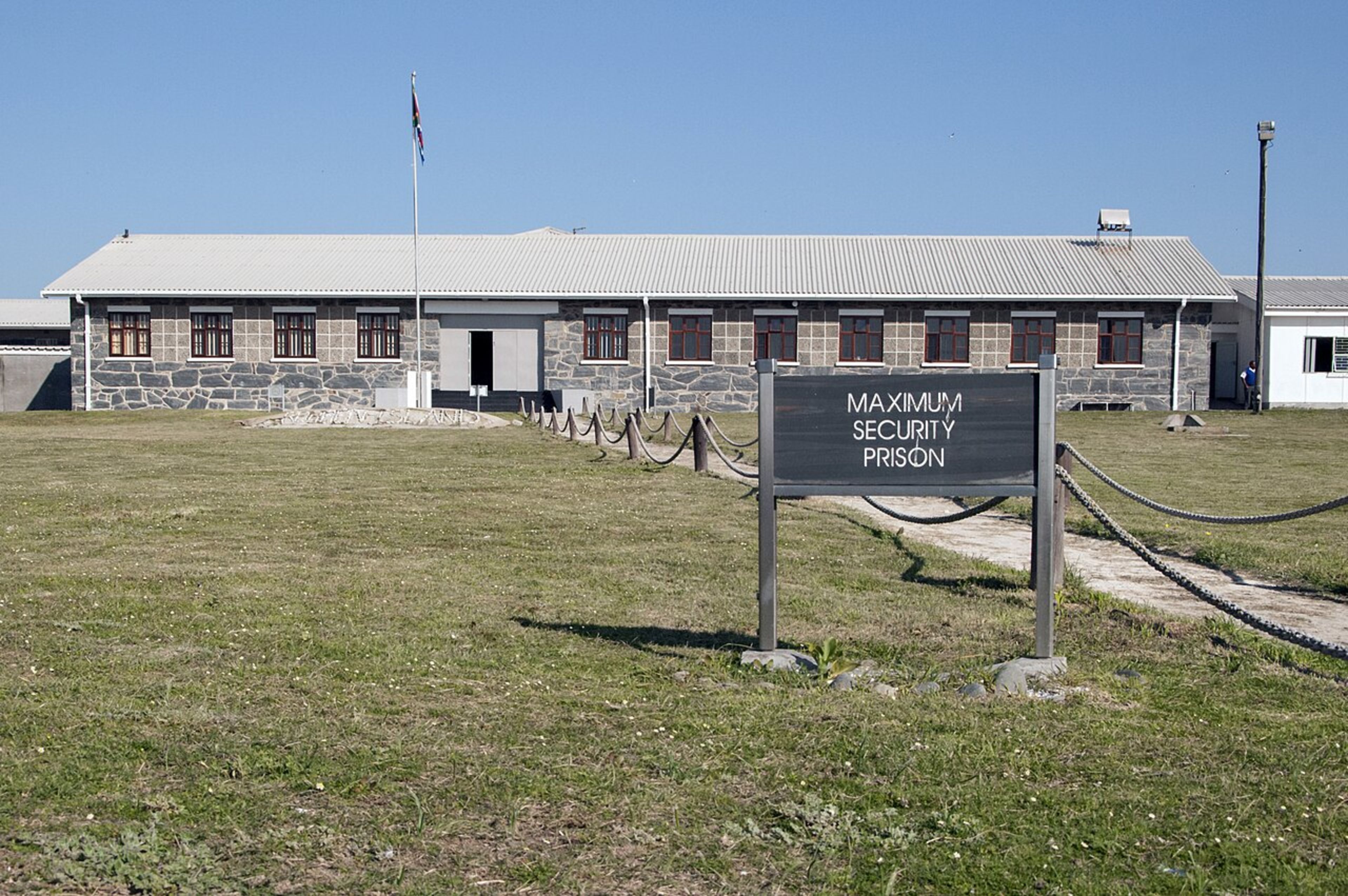
Robben Island Museum
This windswept island, once a place of banishment and suffering, has transformed into a profound testament to resilience and the triumph of the human spirit. A guided tour takes you through the prison where Nelson Mandela spent 18 of his 27 years of imprisonment, his cramped cell preserved exactly as he left it, while stories of other political prisoners echo through the limestone quarry where inmates once toiled under the burning sun. The museum beautifully balances the weight of history with messages of hope, making it one of South Africa's most moving and essential destinations.
Photo by Moheen Reeyad
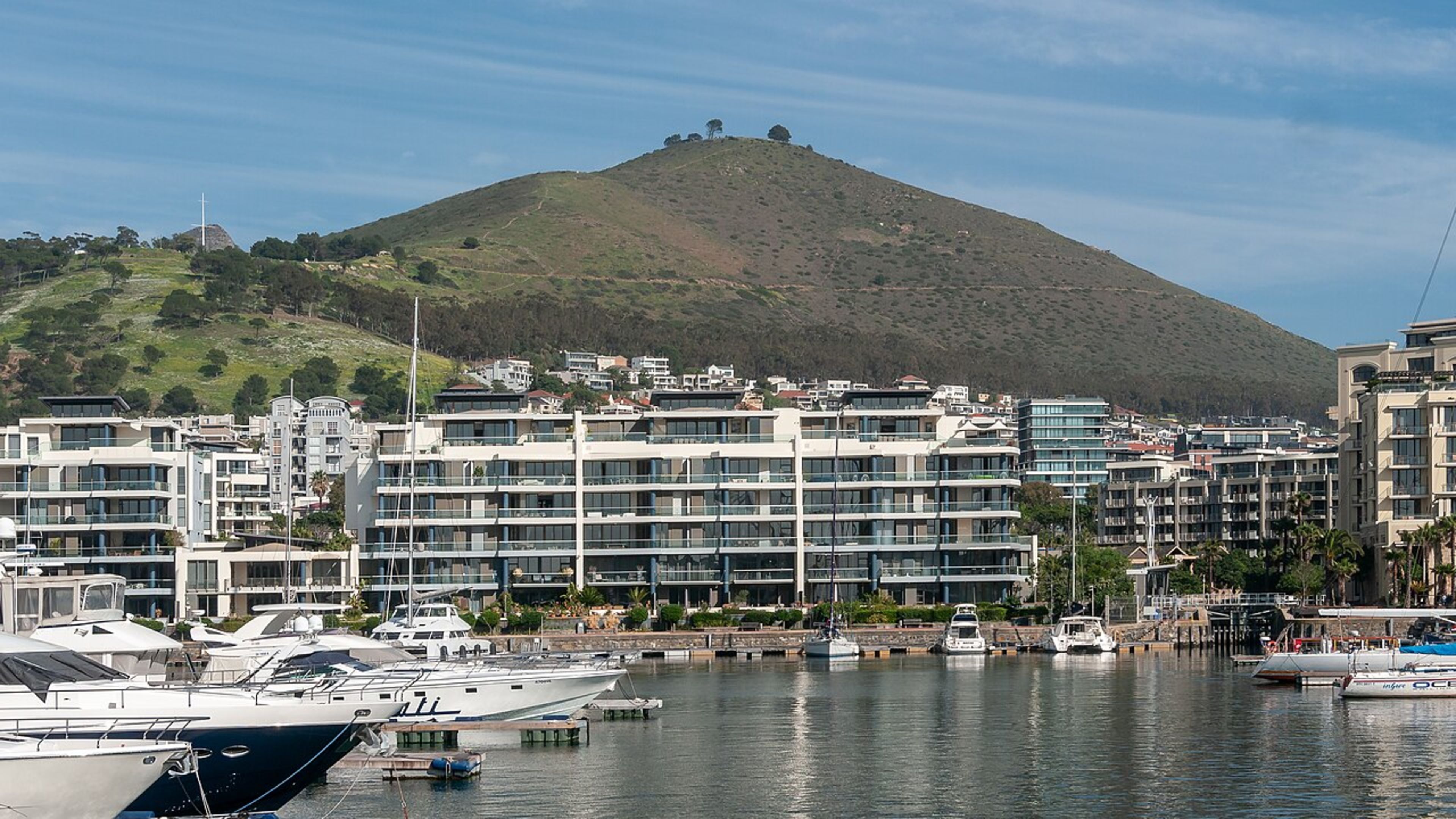
Signal Hill
This elevated lookout point between the city bowl and the Atlantic coast rewards visitors with sweeping vistas of Table Mountain, the harbor, and sprawling Cape Town below. The location buzzes with energy as sunset approaches, when locals and travelers gather to watch the city lights twinkle on and the sky ignite in orange and pink hues. A cannon is fired daily at noon, a quirky tradition that echoes across the city.
Photo by Matti Blume

South African Museum (Iziko)
Housed in the Company's Garden building on the slopes of Table Mountain, this museum traces South Africa's human history from our earliest ancestors through the colonial period with intimate, engaging displays. The San people gallery is particularly moving, featuring rock art reproductions and cultural artifacts that bring ancient traditions to life, while the South African ethnography section showcases the continent's rich cultural diversity. It's a thoughtful counterpoint to the grand natural history focus, offering nuanced storytelling about the people who shaped this land.
Photo by Dietmar Rabich

Table Mountain
This iconic flat-topped mountain dominates Cape Town's skyline and offers breathtaking 360-degree views of the city, surrounding mountains, and both oceans from its 1,086-meter summit. The rotating cable car provides an effortless ascent with interpretive displays about local geology and wildlife, while the summit features nature trails ranging from leisurely strolls to more challenging walks through native fynbos vegetation. On clear days, you can spot the Cape Peninsula, Robben Island, and the distant Hottentots Holland Mountains stretching across the horizon.
Photo by Dietmar Rabich

Two Oceans Aquarium
Situated at the V&A Waterfront where the Atlantic and Indian Oceans meet, this living museum showcases the incredible marine biodiversity of South Africa's coastlines through immersive tanks and thoughtfully designed habitats. You'll encounter everything from delicate seahorses and playful penguins to massive kelp forests and interactive touch pools that bring the ocean's wonders within arm's reach. The aquarium emphasizes conservation and education, making it as inspiring as it is entertaining for visitors of all ages.
Photo by HelenOnline
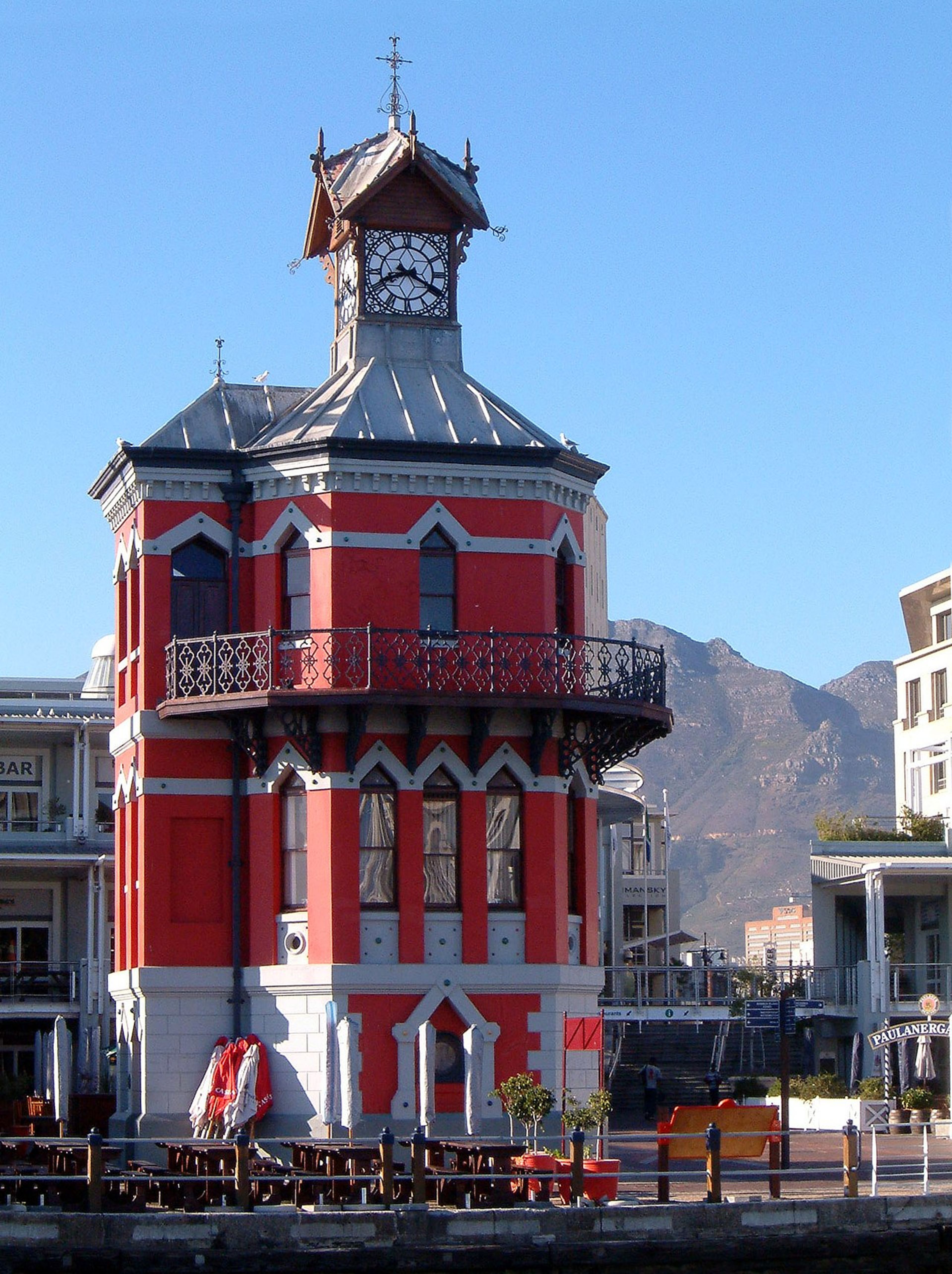
V&A Waterfront
Cape Town's bustling waterfront district seamlessly blends working harbor heritage with modern shopping, dining, and entertainment in a stunningly restored Victorian-era setting. Fresh seafood restaurants line the working docks where fishing boats still operate daily, offering authentic glimpses of the city's maritime culture alongside world-class retail and galleries. The precinct sits dramatically beneath Table Mountain, creating one of the Southern Hemisphere's most vibrant and photogenic public spaces.
Photo by PhilippN
Itineraries Here
Planning a Trip to Cape Town: FAQs
When is the best time to visit Cape Town?
⌄
The best time to visit Cape Town is spring.
How many days do you need in Cape Town?
⌄
Plan on about 5 days to cover Cape Town's highlights at a comfortable pace.
How do you get to Cape Town?
⌄
Cape Town International Airport (CTN) is the main entry point, served by international carriers. The city is roughly 1,400 km (870 miles) southwest of Johannesburg by air, a 2-hour flight. Driving from Johannesburg takes approximately 15+ hours; most visitors fly into Cape Town directly or connect through major South African hubs.
What are the top things to do in Cape Town?
⌄
Top attractions in Cape Town include Bo-Kaap Neighborhood, Boulders Beach (African Penguins), Camps Bay Beach, Cape Winelands (Stellenbosch / Franschhoek) and Cape of Good Hope. Itinara lists 21 verified attractions in total.