
Manila pulses with the energy of 14 million souls, a sprawling metropolis where centuries-old Spanish colonial architecture meets glittering modern skyscrapers along Manila Bay. The city invites exploration through its layered neighborhoods—from the walled Intramuros district with its centuries of history to the vibrant markets and churches that anchor daily life. Here, Filipino warmth and resilience shine through bustling streets, riverside ferries, and cultural institutions that tell the story of a nation forever shaped by its past and future.
Key Attractions
View all attractions →
Binondo (Chinatown)
Binondo is the world's oldest Chinatown, a vibrant maze of narrow streets filled with the aroma of sizzling dim sum, traditional herbal shops, and jade figurines tucked into centuries-old storefronts. Wander past the iconic red lanterns and Buddhist temples where locals and tourists move shoulder-to-shoulder through bustling markets overflowing with fresh seafood, silks, and souvenirs. The neighborhood pulses with authentic Manila energy—a living piece of colonial history where Chinese merchants, Filipino families, and wandering travelers create an intoxicating cultural blend.
Photo by patrickroque01
CCP Complex (Cultural Center of the Philippines)
Nestled along Manila Bay, this sprawling arts complex is the nation's premier venue for theater, dance, and cultural performances with stunning contemporary architecture that has become an iconic symbol of Philippine culture. The grounds feature multiple performance halls, galleries, and exhibition spaces that showcase both traditional and contemporary Filipino art forms. Beyond attending shows, visitors can stroll the peaceful gardens and admire public art installations while enjoying views of the bay.
Divisoria Market
Divisoria is Manila's most energetic wholesale and retail market, where locals flock daily to score unbeatable deals on clothing, accessories, electronics, and household goods crammed into labyrinthine alleyways and multi-story buildings. The sensory overload of haggling vendors, stacked merchandise, and thousands of bargain hunters creates an authentically chaotic shopping experience that feels worlds away from modern malls. This historic bazaar has been the pulse of Filipino commerce since the Spanish colonial era, evolving into a sprawling maze where savvy negotiation skills and quick feet yield genuine treasures.
Ermita District
Ermita is one of Manila's oldest and most historically significant districts, established by Spanish Augustinian friars in the late 16th century as a religious settlement. The neighborhood blends colonial heritage with modern urban development, featuring historic churches, museums, and cultural landmarks alongside contemporary businesses and residences. It remains a vibrant cultural hub serving as home to art galleries, educational institutions, and important Filipino historical sites.

Fort Santiago
This centuries-old Spanish fortress sits majestically within the Intramuros district, its weathered walls telling stories of colonial conquest, revolution, and national struggle. Walking through its gates transports you back in time as you explore dungeons, cannons, and the Rizal Shrine, where Philippine national hero Jose Rizal was imprisoned before his execution. The fort's strategic location overlooking the Pasig River offers glimpses into Manila's layered history through crumbling bastions and atmospheric stone corridors.
Photo by Diego Delso
Intramuros (Walled City)
Step into Manila's colonial past within these 16th-century stone walls, where Spanish architecture whispers stories from centuries gone by. Tree-lined streets reveal hidden churches, museums, and restored mansions that transport you back to the city's golden age. The weathered fortifications and atmospheric plazas create an enchanting time capsule where history feels tangible at every corner.
Photo by Vyacheslav Argenberg

Manila Cathedral
This resilient baroque cathedral has survived earthquakes and wars to remain Manila's spiritual heart, its towering facade and intricate interior reflecting centuries of Filipino devotion. Step inside to discover soaring ceilings, stained glass windows casting colored light across wooden pews, and an atmosphere thick with quiet reverence. The cathedral's peaceful sanctuary offers a contemplative escape from the bustling streets of Intramuros, making it a soul-settling experience rather than just another tourist sight.
Photo by Markadan
National Museum of the Philippines
Housed in the magnificent Beaux-Arts building in Rizal Park, this premier cultural institution showcases the Philippines' artistic and historical treasures spanning centuries. The museum's world-class collection includes Juan Luna's masterpiece 'Spoliarium,' ancient gold artifacts, and ethnographic pieces that tell the story of Filipino heritage and identity. Wandering through its galleries feels like stepping into the nation's soul, with each room revealing layers of artistry, struggle, and triumph.
Pasig River Ferry
This affordable water commute weaves through Manila's urban landscape, offering locals and visitors alike a refreshing escape from gridlocked traffic along the Pasig River. The ferry system connects key districts including Makati, Mandaluyong, and Marikina, transforming your journey into an impromptu sightseeing tour past colorful riverside communities and heritage sites. Watch the city's energy shift as you glide past the historic Intramuros district and modern skyline, experiencing Manila in a way no car ride can match.
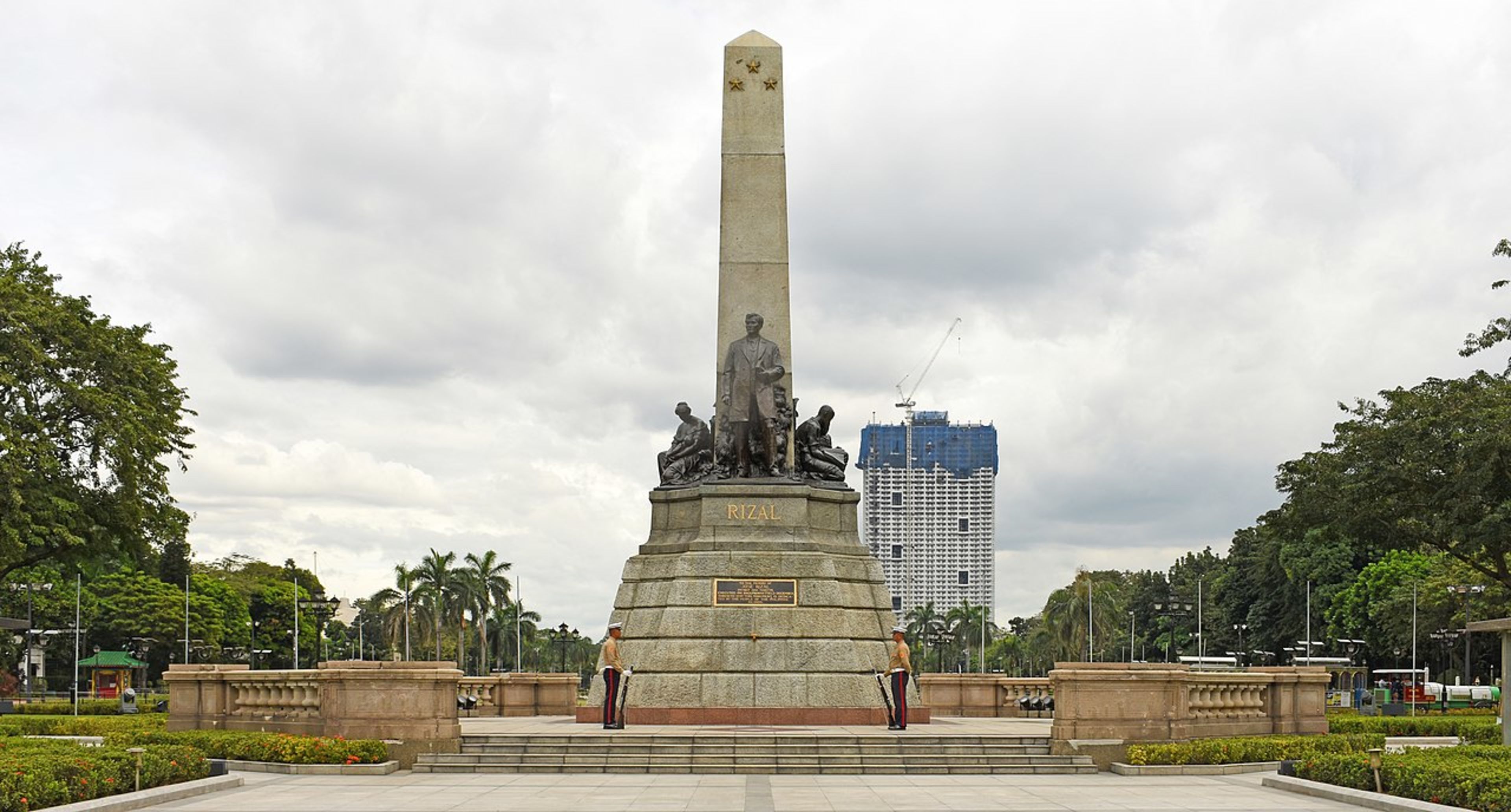
Rizal Park (Luneta)
Named after Philippine national hero José Rizal, this sprawling urban park blends history, nature, and culture into Manila's most iconic green space, featuring the striking Rizal Monument at its heart. Shaded pathways wind past carefully landscaped gardens, open-air museums, and recreational facilities, creating a peaceful retreat where locals and visitors alike escape the city's hustle. The park's serene lagoon and verdant lawns offer perfect spots for leisurely strolls, picnics, or quiet reflection away from urban chaos.
Photo by Adamdaley
SM Mall of Asia
One of Asia's largest shopping malls, SM Mall of Asia stretches across Manila's waterfront with over 600 retail stores, restaurants, and entertainment venues that blend local and international brands. Beyond shopping, the complex offers an IMAX theater, skating rink, and oceanfront promenade where locals and visitors stroll while enjoying bay views and sea breezes. The mall captures the energy of modern Manila with its massive scale and diverse offerings under one iconic roof.

San Agustin Church (UNESCO)
The Philippines' oldest stone church still standing, San Agustin Church showcases remarkable Baroque architecture with thick coral stone walls that have withstood centuries of earthquakes and warfare. Inside, intricate wooden carvings, religious artwork, and ornate altars create an atmosphere of quiet reverence that transports visitors back to the Spanish colonial era. The UNESCO World Heritage site represents an exceptional example of how Spanish architectural traditions merged with local building techniques and materials.
Photo by Diego Delso
Itineraries Here
Planning a Trip to Manila: FAQs
When is the best time to visit Manila?
⌄
The best time to visit Manila is year-round.
How many days do you need in Manila?
⌄
Plan on about 3 days to cover Manila's highlights at a comfortable pace.
How do you get to Manila?
⌄
Manila is served by Ninoy Aquino International Airport (NAIA), the country's main hub for international flights. Most visitors arrive here; the airport sits roughly 7–9 km south of central Manila. From the US, expect 14–20+ hours of travel with connections. Domestic flights and buses connect Manila to other Philippine regions.
What are the top things to do in Manila?
⌄
Top attractions in Manila include Binondo (Chinatown), CCP Complex (Cultural Center of the Philippines), Divisoria Market, Ermita District and Fort Santiago. Itinara lists 12 verified attractions in total.