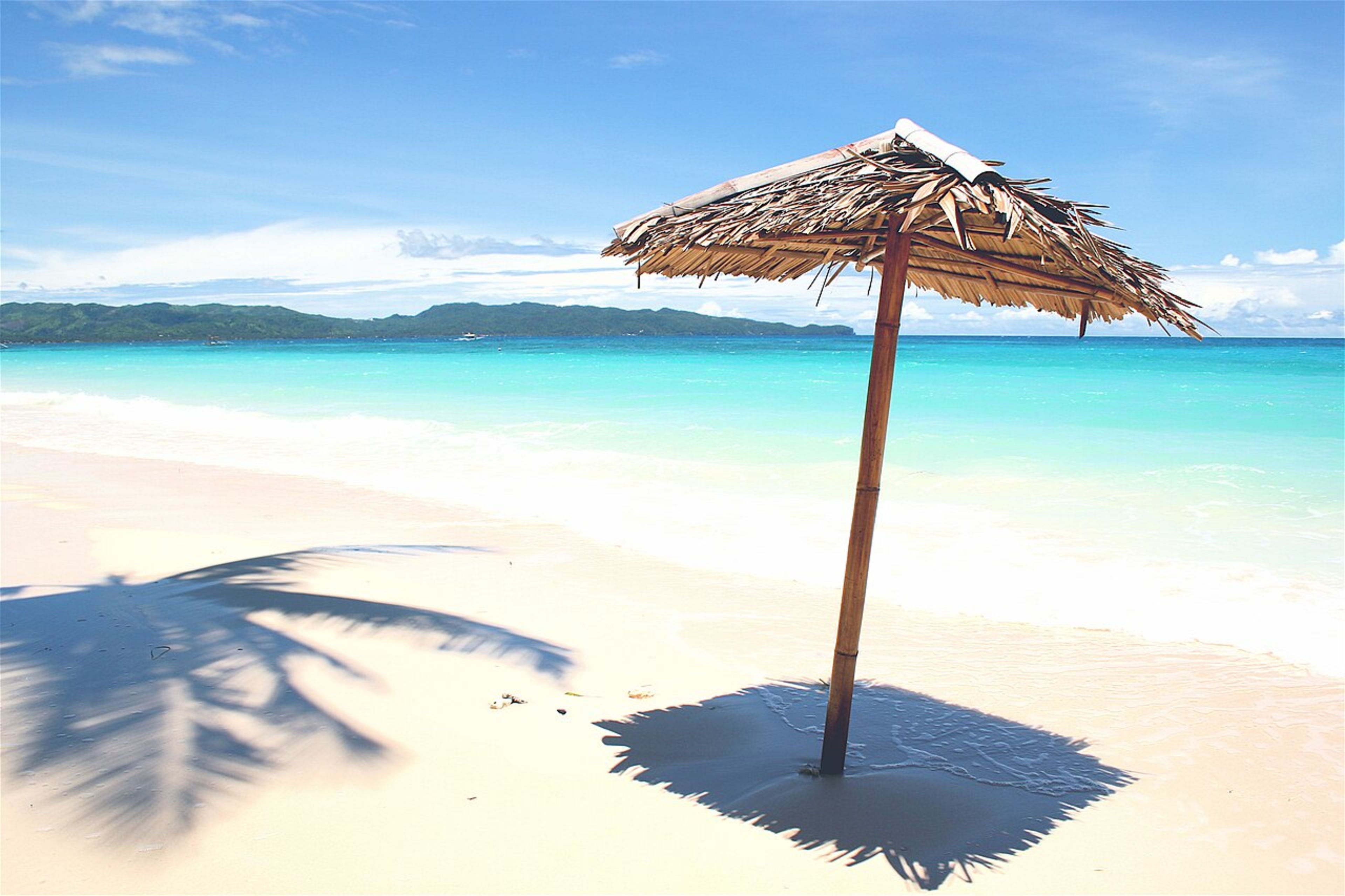
Manila, Philippines
3-Day Itinerary for Solo Traveler
“Stone Walls & River Light: 3 Days Solo in Manila”

Manila reveals itself in layers — coral-stone churches that have outlasted earthquakes, a river ferry that slices through traffic-choked streets, a Chinatown older than most nations. This is a city best met slowly, on foot, with room to linger over garlic rice and a stranger's conversation at a communal table.
At a Glance
Highlights
- Sunrise light on 400-year-old coral stone at San Agustin Church
- Descending into Fort Santiago's dungeons before the tour groups arrive
- A Pasig River ferry ride through Manila's working waterfront
- Pre-dawn navigation of Binondo, the world's oldest Chinatown
- Golden hour over Manila Bay from the CCP Complex seawall
- Communal-table dining where solo travelers are the norm, not the exception
Day-by-Day Plan
Day 1: Stone Walls and Settling In
A light, walkable day inside Intramuros covering roughly 2.5 miles at an easy pace, designed to ease into Manila's rhythm without overwhelming a jet-lagged first day.
Arrive at 7:30am and the coral stone walls glow amber in the low morning light, footsteps echoing alone across 400-year-old floors. This is Asia's oldest stone church, and by 9am tour groups will fill the aisles — but right now it's just you, the carved wooden altars, and the cool hush of a building that has survived seven earthquakes.

Descend into the dungeons where the air turns cool and close, natural light barely reaching the lowest chambers — a visceral sense of the fort's weight as a site of imprisonment and resistance. School groups typically arrive by 10am, so this window keeps the battlements and Rizal Shrine largely to yourself.

Step from Fort Santiago's stone weight into the Cathedral's soaring nave, where stained glass throws colored light across the marble floor and organ notes sometimes drift from a rehearsal. It's earthquake-tested and rebuilt multiple times, yet feels utterly permanent — a good, low-energy contrast after the fort's intensity.

After a long lunch and a rest back at your accommodation, return for a slower wander through Intramuros' narrow streets as the afternoon light softens. This is the golden window for photography — fewer crowds, warmer light on the whitewashed facades — and a good time to strike up conversation with a kalesa driver or fellow wanderer at a sidewalk cafe.
The day begins gently, easing into Manila's colonial core before the heat and crowds build. San Agustin Church at 7:30am offers a rare moment of solitude inside Asia's oldest stone church, its coral walls catching the day's first light. From there, Fort Santiago's cool dungeons and weathered battlements tell a heavier story — one of imprisonment, resistance, and the birth of Philippine nationhood — before the Cathedral's soaring stained-glass interior offers a quieter, more contemplative close to the morning.
After a long lunch break to recover from travel fatigue, the afternoon shifts into unhurried wandering. Intramuros in the late afternoon light is a different city than its morning self — warmer, slower, more forgiving — and this is the time to simply drift through side streets, photograph whitewashed facades, and let curiosity set the pace rather than an itinerary.
Dinner at Ilustrado near the Cathedral closes the day with a relaxed, unhurried meal — bar seating makes it comfortable for solo dining, and the contemporary Filipino menu offers a gentle introduction to the flavors ahead. An early night is well-earned after a long travel day; save the late-night energy for day two.
Day 2: River, Museum, and Chinatown at Dawn
A moderately paced day spanning roughly 3.5 miles across Ermita, the Pasig River, and Binondo, balancing quiet cultural stops with sensory-heavy market immersion.
Arrive right at opening or just after 9am — the museum's crowd data shows a quiet window around 10am on weekdays — and stand before Juan Luna's Spoliarium in near-solitude, the soaring Beaux-Arts ceiling amplifying the hush of the gallery. It's a rich, unhurried counterpoint to yesterday's outdoor history, and free entry makes it an easy, low-pressure stop.
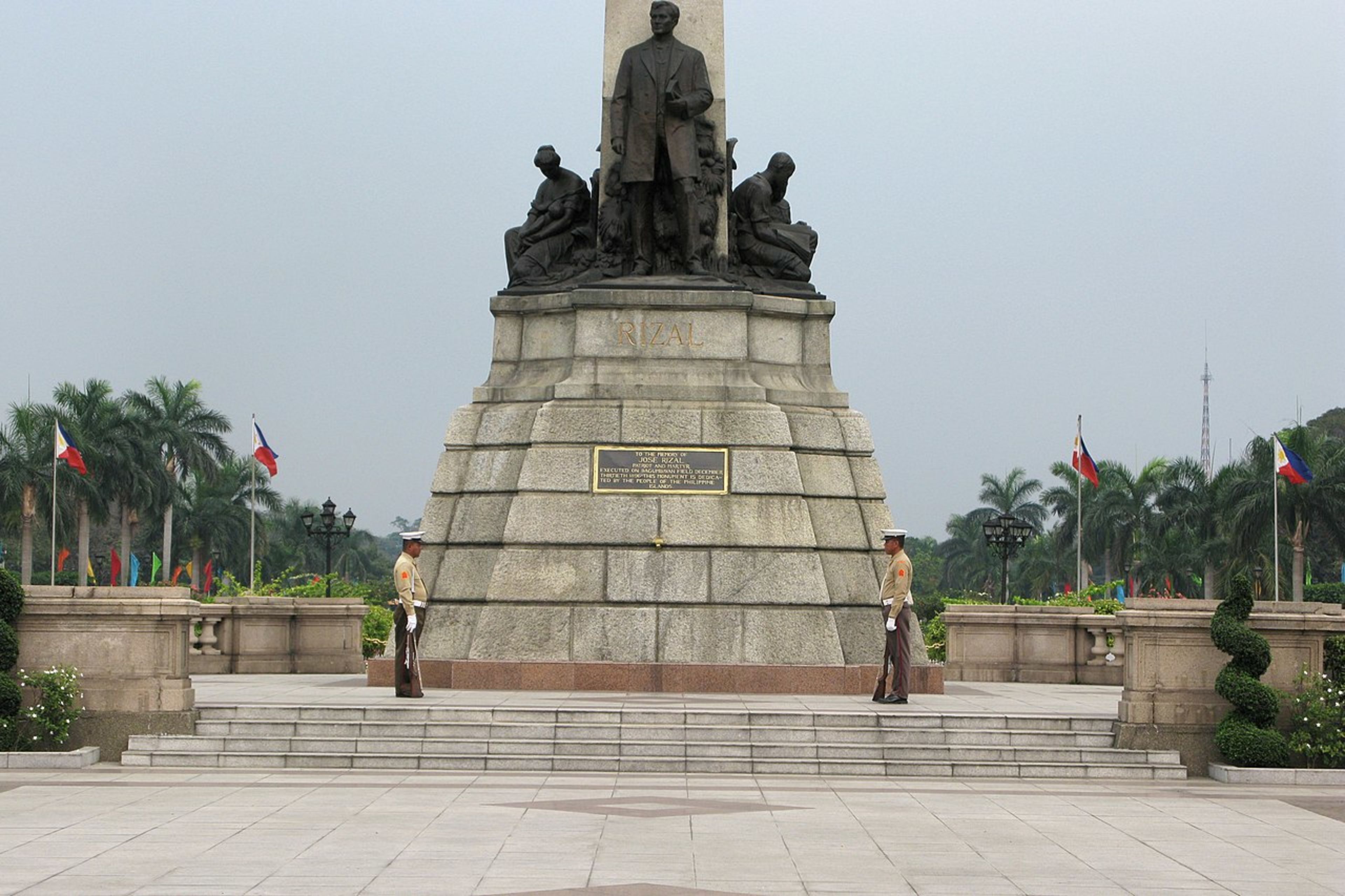
Step outside into Rizal Park's shaded paths, where the neoclassical monument rises against palm trees and the midday heat is softened by dense canopy. A short, easy stroll — good for stretching legs after the museum and people-watching Manila's daily rhythms unfold.
Board the ferry during its quietest window — 2pm to 4pm, well clear of commuter rush — and feel the vessel's steady churn as Manila's skyline slides past from water level. It's a democratic, unpretentious way to see the city, packed with locals rather than tour groups, and a good chance to chat with a fellow passenger about where you're headed next.
Binondo shifts into a moderate, navigable crowd by late afternoon — red lanterns beginning to glow, the smell of wonton broth and five-spice thickening in the humid air. This is the world's oldest Chinatown, still thrumming with family-run shops and street food carts, and evening brings a livelier, more social energy than the frantic midday crush.

The day opens indoors, with the National Museum's grand galleries offering a hushed, air-conditioned start before the city's heat builds. Juan Luna's Spoliarium anchors the visit, and the quiet 10am window means you can stand before it without jostling for space. A short walk into Rizal Park afterward offers fresh air and shade, a gentle transition rather than a full second activity.
The pace shifts dramatically after lunch — from the park's calm to the Pasig River Ferry's steady churn through Manila's working waterfront. It's a slower, more textured way to cross the city, offering water-level views unavailable from any road. From there, Binondo arrives as a sensory jolt: red lanterns, sizzling woks, and centuries of Chinese-Filipino commerce packed into narrow streets.
Dinner in Binondo is casual and unpretentious — Chowking's counter-style setup makes solo dining effortless, and the surrounding market energy means there's always something to watch while you eat. Head back to your accommodation at a reasonable hour, since Day 3 starts early in Divisoria.
Day 3: Market Dawn to Bay Sunset
A full, varied day covering close to 4 miles between Divisoria's early-morning market energy and Pasay's contemporary bay-front culture, closing with sunset over Manila Bay.
Arrive by 6:30am, before the market's full intensity sets in — this is the most manageable, authentic window to see Divisoria's overflowing stalls of textiles, electronics, and street snacks without the crushing 9am crowds. Even at this hour it's a full sensory experience: diesel fumes mixing with frying street food, vendors calling out prices, the humid press of early commerce.
From Divisoria's chaos, Binondo in the early morning offers a calmer, more navigable version of yesterday's evening visit — shopkeepers rolling up metal shutters, the smell of fresh siopao steaming from carts, monks or temple-goers moving quietly past gilt Buddha statues. This is Binondo at its most authentic, before Cantonese haggling reaches full volume.
After the market intensity, SM Mall of Asia's air-conditioned corridors and bay breeze feel like a deliberate reset — weekday mornings and early afternoons stay notably quiet compared to weekend crushes. It's a chance to cool off, grab a proper sit-down lunch, and browse without the sensory overload of the morning's markets.
Arrive in the quieter 4-5:30pm window, before evening performance crowds build, and let the CCP's striking modernist architecture frame the bay as the sky begins to soften. This is Manila's national temple of the arts, and even without a scheduled performance, the building's brutalist lines against Manila Bay's fading light make for a contemplative close to the trip — fall's earlier sunset means the golden hour arrives closer to 5:30pm, so time your arrival accordingly.
The day begins early and intensely — Divisoria Market at 6:30am is Manila at its rawest, a wholesale trading ground overflowing with goods and noise even in its calmest hours. From there, Binondo offers a gentler, more atmospheric version of Chinatown, shopkeepers just opening up and the smell of steamed buns replacing the diesel fumes of the market. This is peak solo-travel territory: alert, engaged, senses fully occupied.
The pace deliberately slows after the morning's intensity — SM Mall of Asia's air-conditioned calm offers recovery time, a proper lunch, and a shift from historic density to Manila's glossy modern face. It's a necessary reset before the day's final stretch, and the bay breeze along the mall's promenade hints at the sunset still to come.
The trip closes at the CCP Complex, its modernist silhouette catching the day's last light over Manila Bay — a fitting contrast to the coral-stone churches and cramped market alleys of the days before. Dinner nearby, whether an upscale final splurge or something more casual, offers a quiet moment to sit with everything Manila has shown you: colonial stone, working river, chaotic market, and glass-and-concrete ambition, all within a handful of days.
Want to tweak this trip?
Our AI planner can customize this itinerary to your exact dates, interests, and travel style.
Customize This ItineraryRestaurant details (hours, menus, availability) change frequently. Check current hours before visiting, especially in seasonal destinations.
Dietary compatibility tags are general guidance. If you have severe allergies, confirm directly with the restaurant.
Travel tips are general guidance, not professional safety advice. Check government advisories for latest information.
All prices are approximate and may vary seasonally.
Attractions in This Itinerary
San Agustin Church (UNESCO)ChurchFort SantiagoRuinsManila CathedralChurchIntramuros (Walled City)NeighborhoodNational Museum of the PhilippinesMuseumRizal Park (Luneta)ParkPasig River FerryHarborBinondo (Chinatown)NeighborhoodDivisoria MarketMarketSM Mall of AsiaMarketCCP Complex (Cultural Center of the Philippines)Theater