
Mexico City pulses with an electric energy that blends ancient heritage with cosmopolitan sophistication. Rising 7,350 feet above sea level in a mountain valley, this sprawling metropolis captivates visitors with its world-class museums, vibrant neighborhoods, and layers of history spanning from pre-Columbian temples to colonial architecture to cutting-edge art galleries. Whether you're wandering the bohemian streets of Coyoacán, marveling at Diego Rivera's murals, or catching a lucha libre match, the capital rewards curiosity at every turn.
Key Attractions
View all attractions →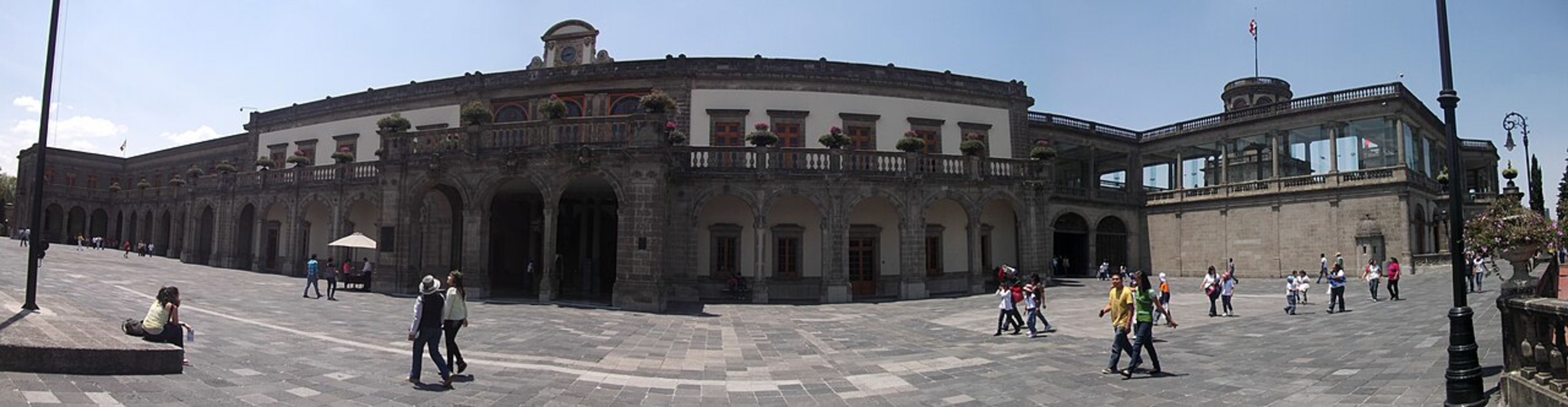
Chapultepec Castle & Park
Perched majestically atop Chapultepec Hill, this 18th-century fortress offers sweeping views of Mexico City while housing the National Museum of History with artifacts spanning from pre-Hispanic times to the Mexican Revolution. The surrounding 1,695-acre park enchants visitors with forest paths, museums, and botanical gardens that feel like an urban escape. Walking these grounds, you'll trace centuries of Mexican heritage from ancient Aztec uses to imperial residences to revolutionary headquarters.
Photo by Rengarajang
Coyoacán Neighborhood
Coyoacán is Mexico City's most atmospheric colonial neighborhood, where cobblestone plazas, centuries-old mansions, and leafy streets transport you back to a slower, more romantic era of the capital. The neighborhood's beating heart is the Plaza de la Conchita and Plaza Hidalgo, lined with cafés where locals have lingered for generations and where the aroma of fresh churros mingles with flower vendors' offerings. Beyond the main squares, hidden patios, artisan galleries, and the homes of famous residents like Frida Kahlo reveal why this village-within-the-city has captivated writers, artists, and dreamers for centuries.
Photo by Jeff Reuben

Lucha Libre Wrestling Shows
The legendary Arena México is where Mexico's most iconic lucha libre wrestlers have battled since 1956, creating an electric atmosphere that pulses with tradition and pageantry. The distinctive silver and blue arena seats over 16,000 passionate fans who witness acrobatic holds, masked heroes, and dramatic storylines that blur the line between sport and theater. This is where lucha libre culture lives and breathes—a pilgrimage site for wrestling enthusiasts and a window into Mexican popular entertainment.
Photo by Eva Rinaldi

MUNAL (National Art Museum)
Housed in the elegant Palacio de San Carlos in Tlatelolco, MUNAL showcases Mexico's artistic heritage from pre-Columbian times through the 20th century across intimate galleries that feel more like stepping into a collector's home than a traditional museum. The collection spans from intricate colonial religious art to powerful muralist works, with special attention to lesser-known Mexican masters alongside celebrated figures. The palace itself, a stunning colonial structure, becomes part of the experience as you wander between exhibition spaces and discover quiet courtyards.
Photo by Nan Palmero from San Antonio, TX, USA
Mercado Jamaica
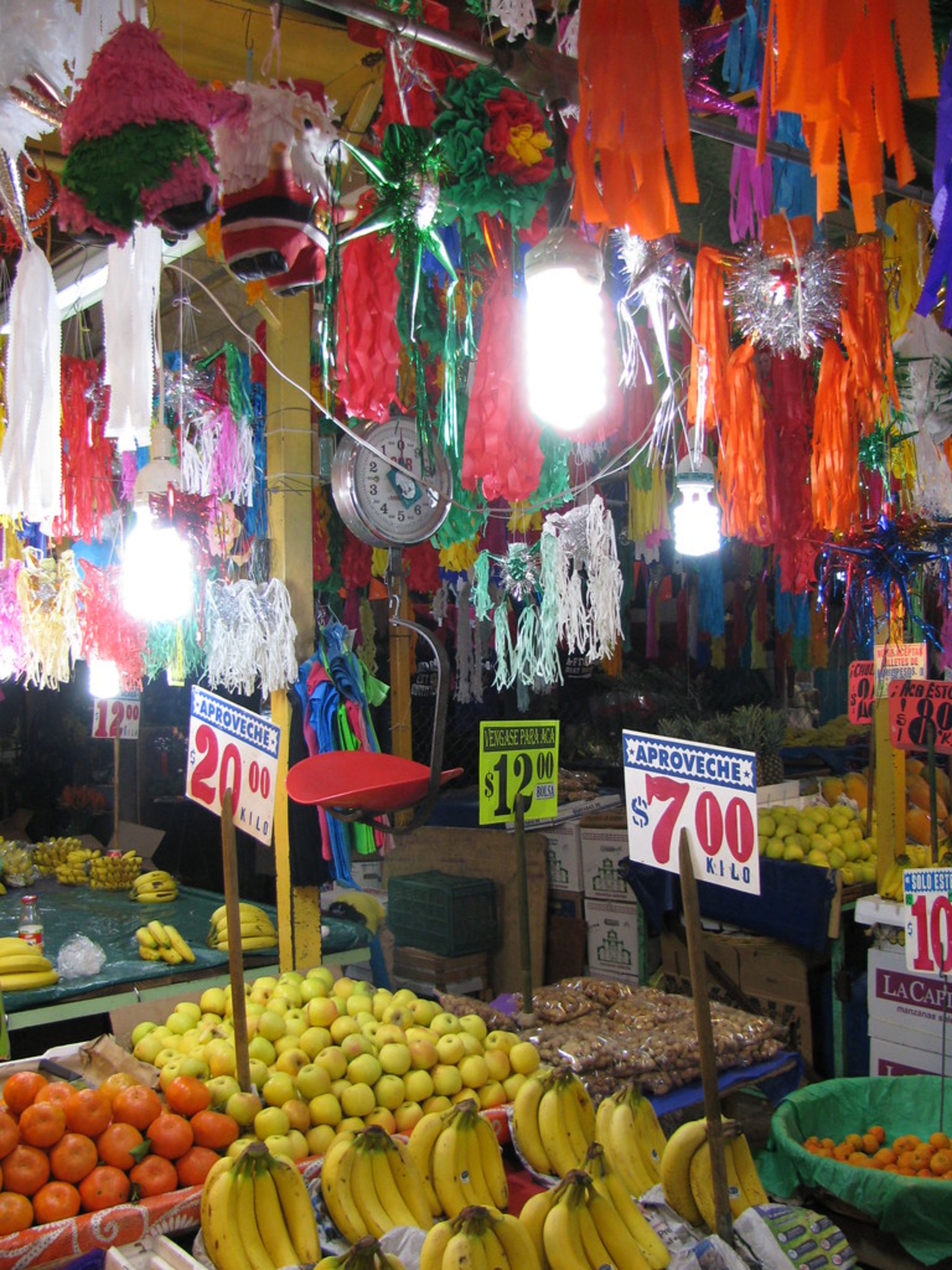
Mexico City's most vibrant flower and produce market sprawls across multiple blocks in the Jamaica neighborhood, where vendors arrange explosions of colorful blooms alongside tropical fruits and fresh vegetables. The sensory overload of fragrant orchids, roses, and marigolds mixed with the calls of merchants creates an authentically chaotic Mexican market atmosphere that few tourists experience. Locals have shopped here for decades, making it a genuine window into daily life rather than a packaged attraction.
Photo by luigig

Mercado Medellín
This bustling traditional market in the Roma neighborhood pulses with the energy of Mexico City's everyday life, where vendors hawk colorful produce, fresh meats, aromatic herbs, and prepared foods from packed wooden stalls. The covered market offers an authentic slice of local culture where longtime customers and food vendors maintain relationships spanning decades, creating a genuine community hub rather than a tourist attraction. Walking through the narrow passages, you'll encounter everything from Mexican chile varieties you've never seen to freshly squeezed juices and quick breakfast stands serving authentic regional dishes.
Photo by Stephanie Lopez
Mercado de la Merced
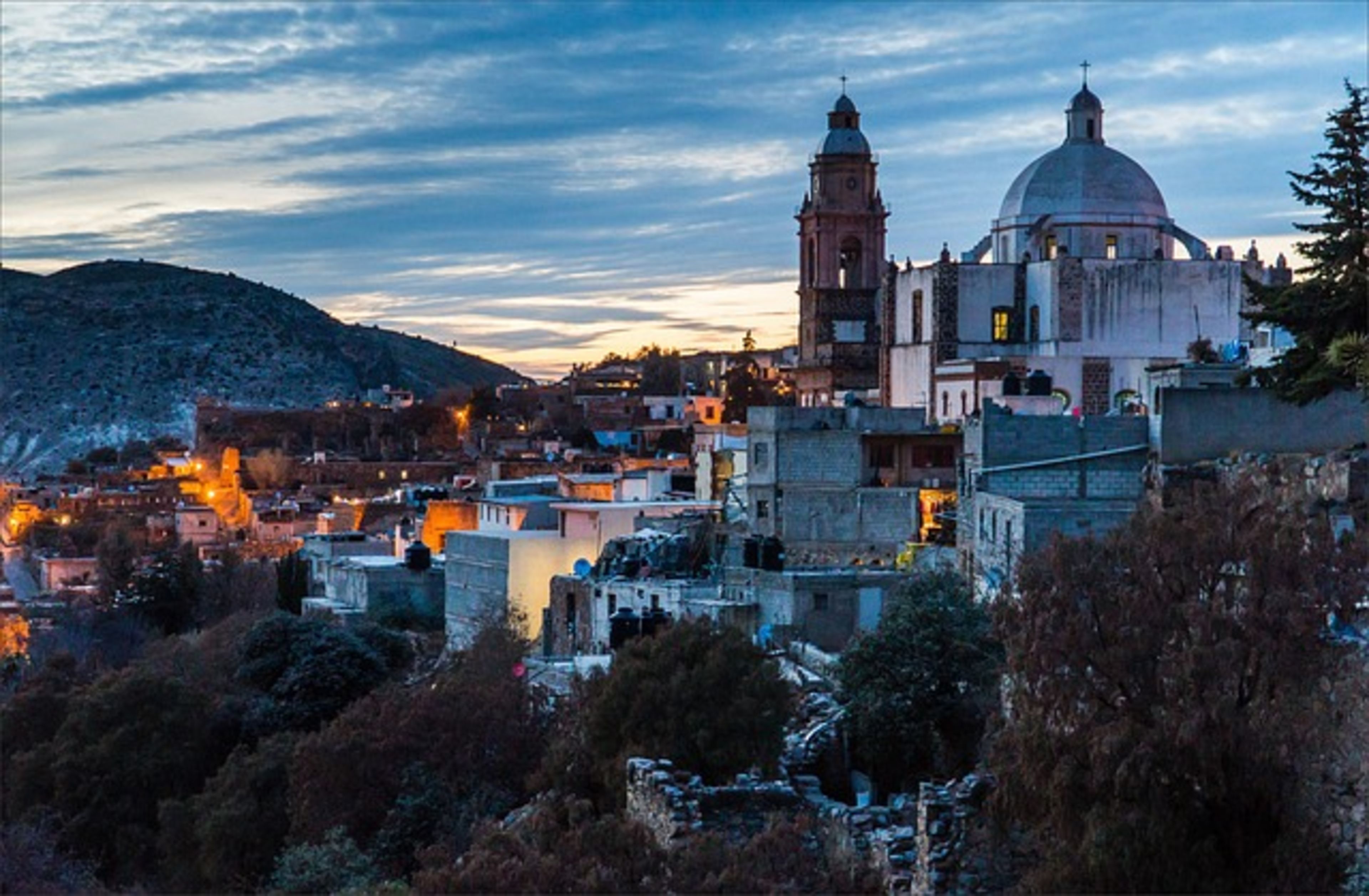
One of Mexico City's most vibrant and largest traditional markets, Mercado de la Merced sprawls across multiple city blocks with an overwhelming abundance of fresh produce, flowers, spices, and regional specialties. The sensory experience is intense—the aroma of tropical fruits mingles with the calls of vendors haggling over prices in rapid Spanish, creating an authentic slice of local commerce that has thrived since the 19th century. This is where Mexico City's restaurants, street vendors, and home cooks source their ingredients daily.
Photo by gavinseim

Metropolitan Cathedral
The Metropolitan Cathedral is a breathtaking blend of Renaissance, Baroque, and Neoclassical architecture that took nearly three centuries to complete, dominating Mexico City's Zócalo with its imposing twin bell towers. Inside, soaring vaulted ceilings, intricate altarpieces, and ornate chapels create an atmosphere of serene reverence that transports visitors back through centuries of Mexican spiritual and artistic tradition. The cathedral's sunken foundation tells the story of Mexico City's unique geography, sinking gradually over the decades into the soft lake bed beneath the city.
Photo by José Luiz — CC BY-SA 4.0
Museo Diego Rivera – Anahuacalli
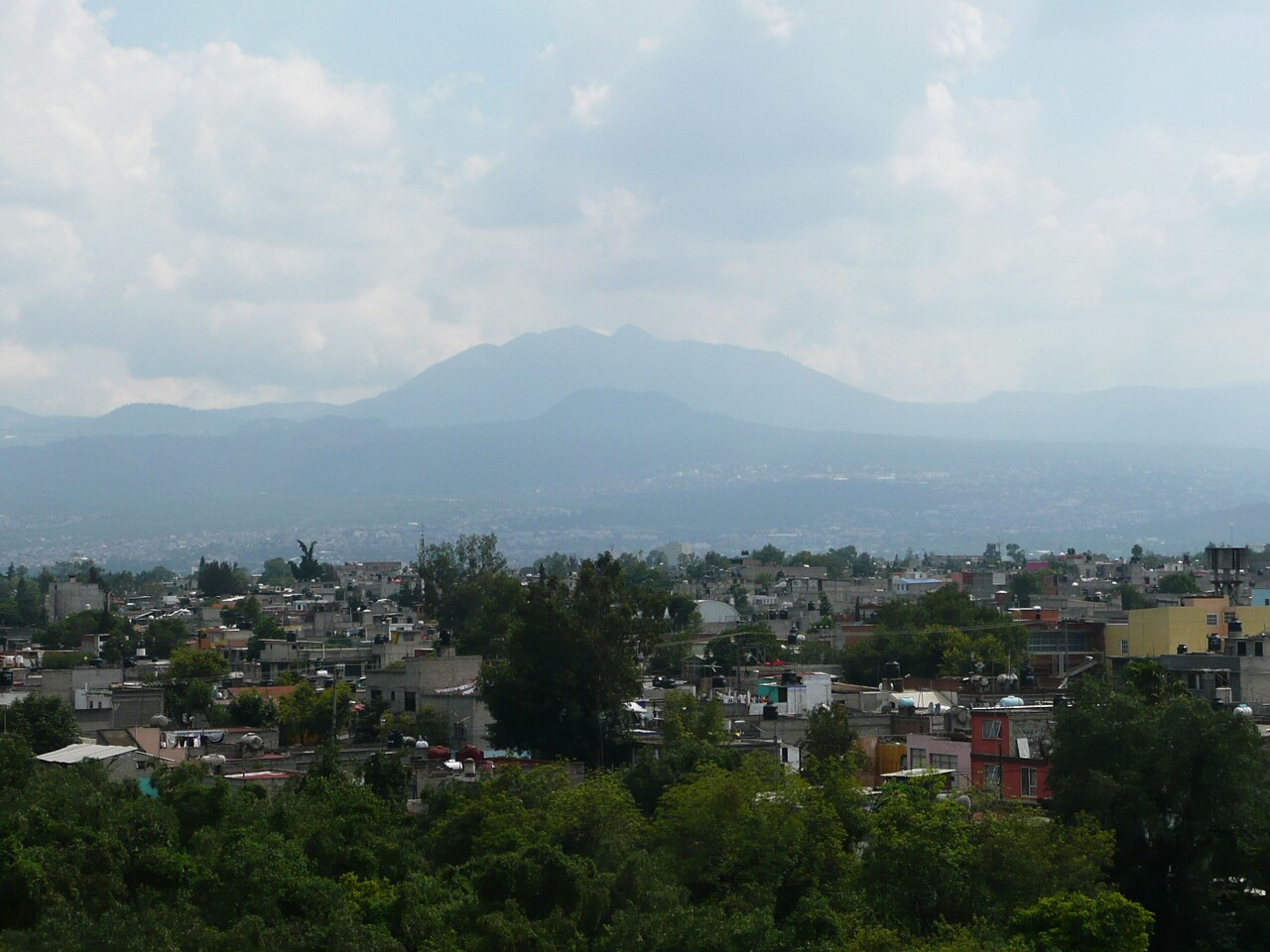
This striking neo-Aztec pyramid museum, designed by Diego Rivera himself, houses the artist's vast personal collection of pre-Hispanic artifacts and his own works in an unexpectedly intimate setting. The austere pyramid architecture reflects Rivera's deep fascination with ancient Mesoamerican civilizations, while the carefully curated galleries reveal his artistic evolution and profound intellectual passions. Walking through these contemplative spaces feels like stepping into the artist's mind, where modern muralism and indigenous heritage intertwine.
Photo by Randal Sheppard

Museo Frida Kahlo (Blue House)
Step into the vibrant cobalt-blue residence where Frida Kahlo lived and created her most iconic self-portraits, surrounded by pre-Hispanic artifacts and a lush garden that inspired her bold artistic vision. This intimate museum preserves her personal spaces—her studio, bedroom, and kitchen—offering a glimpse into the daily life of Mexico's most celebrated artist. The house itself, located in the bohemian Coyoacán neighborhood, is as much a masterpiece as the paintings within its walls.
Photo by Jeff Reuben
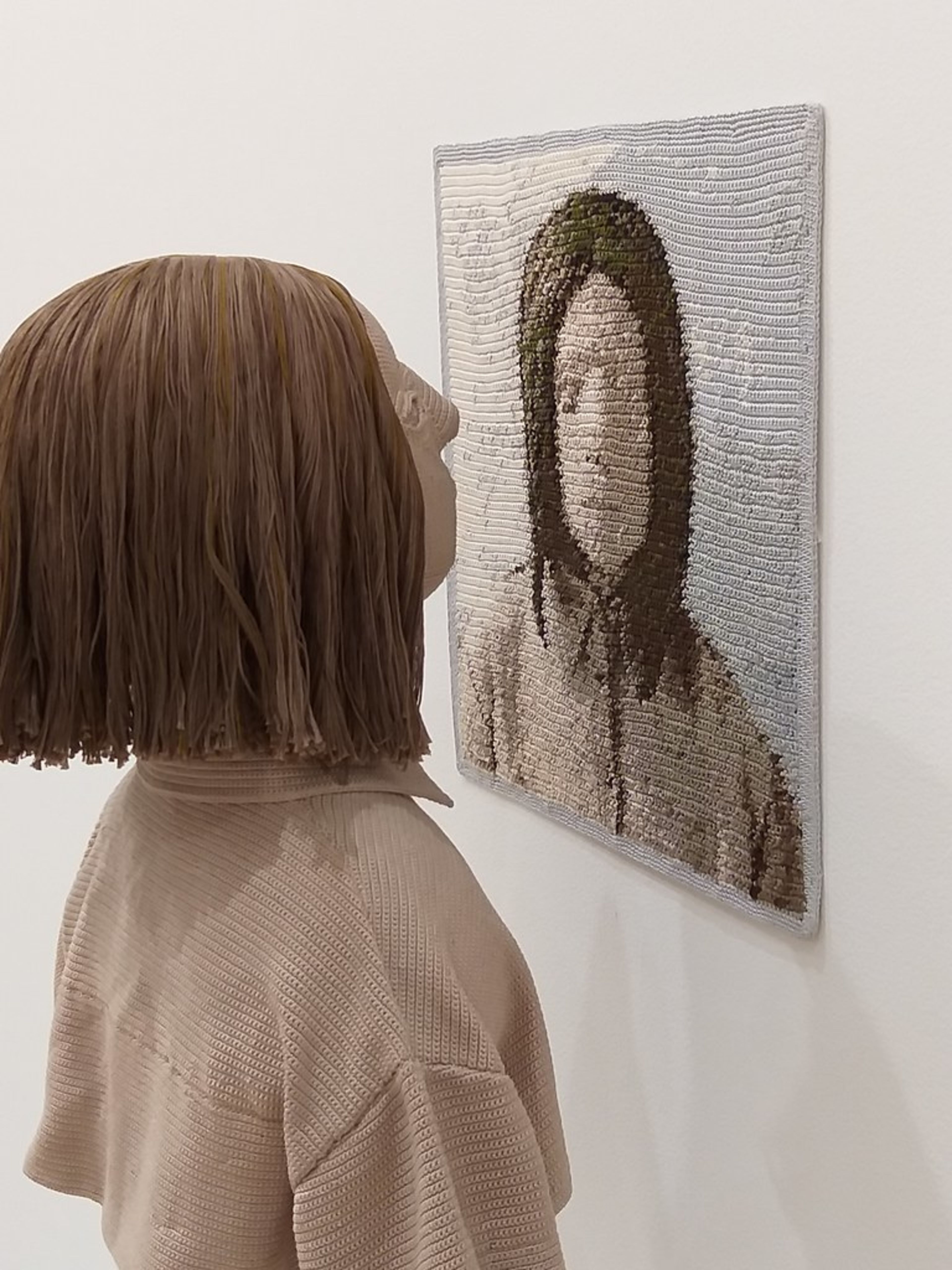
Museo Jumex
This striking contemporary art museum in the upscale Santa Fe neighborhood showcases rotating exhibitions of modern and contemporary work from the renowned Jumex Collection. The sleek glass and steel architecture itself is a masterpiece, and the rooftop terrace offers surprising city views amid lush landscaping. Whether you're an art devotee or simply curious about cutting-edge design, this museum delivers an inspiring afternoon of visual discovery.
Photo by bobistraveling

Museo Soumaya
This stunning private museum housed in an iconic hexagonal building showcases an impressive collection of over 66,000 artworks spanning from ancient to contemporary times, including European masters and Mexican treasures. The unique architecture itself is a work of art, with its gleaming aluminum facade that shifts in appearance throughout the day. Free admission makes this cultural gem an exceptional value for exploring centuries of artistic heritage.
Photo by Diego Delso

National Museum of Anthropology
Home to the magnificent Aztec Sun Stone and countless treasures spanning Mexico's pre-Hispanic civilizations, this museum offers an immersive journey through thousands of years of indigenous cultures. The iconic Tlaloc statue guards the entrance, setting the tone for encounters with elaborate masks, jade carvings, and monumental sculptures that reveal the sophistication of ancient Mesoamerica. Modern galleries complement ancient artifacts with contextual displays that bring these civilizations vividly to life.
Photo by José Luiz
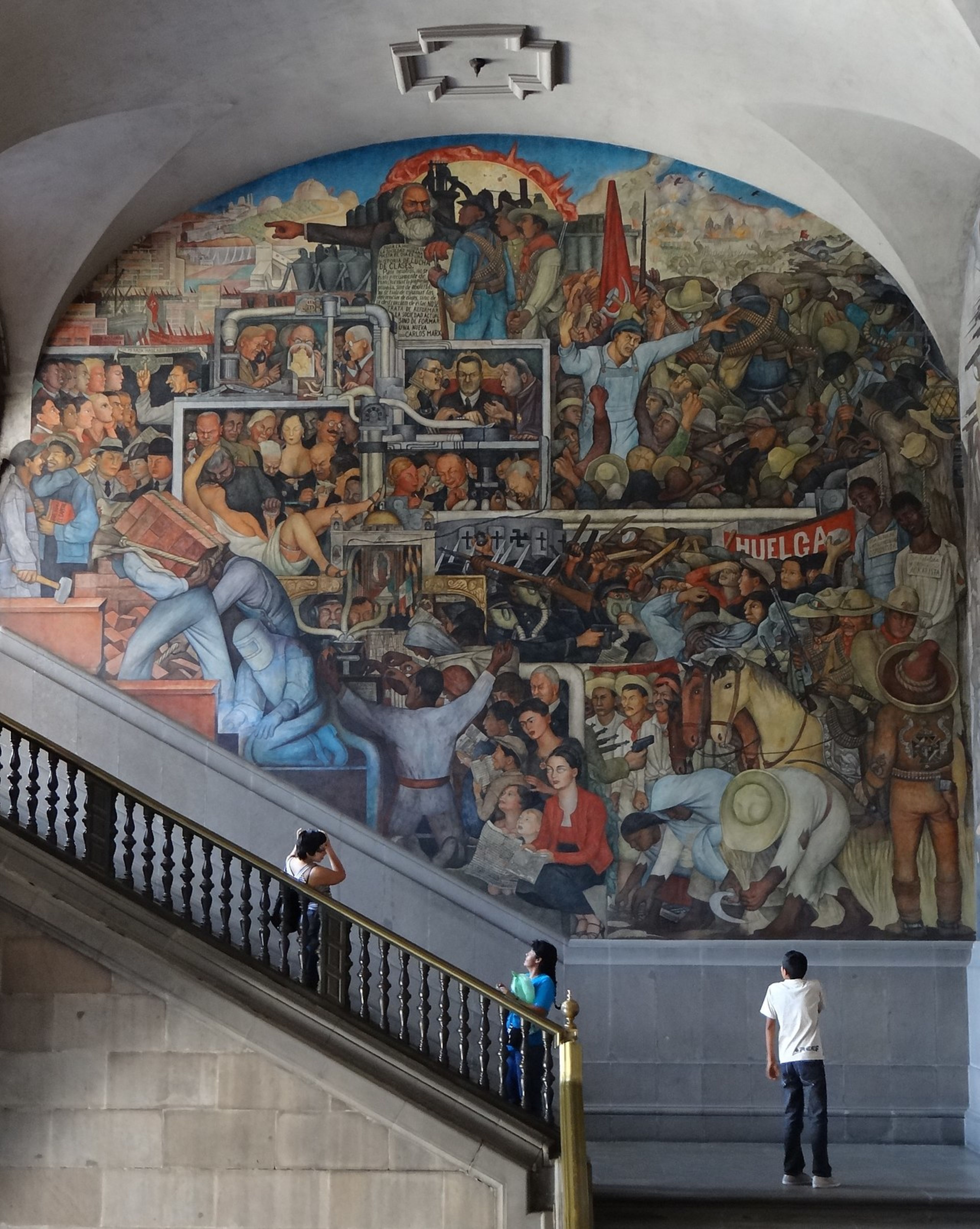
National Palace (Murals by Diego Rivera)
Mexico's most iconic government building houses Diego Rivera's monumental murals depicting the nation's complex history from pre-Hispanic times through revolution, sprawling across three walls of the main staircase with breathtaking detail and symbolism. The palace itself, built on the site of Aztec Emperor Montezuma II's former residence, blends colonial architecture with revolutionary art that transforms the interior into a living timeline of Mexican identity. Visitors can wander the ground-floor galleries and admire the scale and passion of Rivera's brushwork up close, feeling the weight of history in every stroke.
Photo by Cbl62

Palacio de Bellas Artes
This stunning Art Deco palace crowned with a glass dome is Mexico City's most iconic cultural venue, housing world-class ballet, opera, and theatrical performances in an ornate interior that feels like stepping into a jewel box. The building itself is a masterpiece of Mexican architecture, combining neoclassical elements with indigenous motifs and features Diego Rivera's powerful murals that tell stories of Mexican history. Whether you're catching a performance or simply admiring the marble floors and intricate details, this palace elevates any visit to the capital.
Photo by Jeses
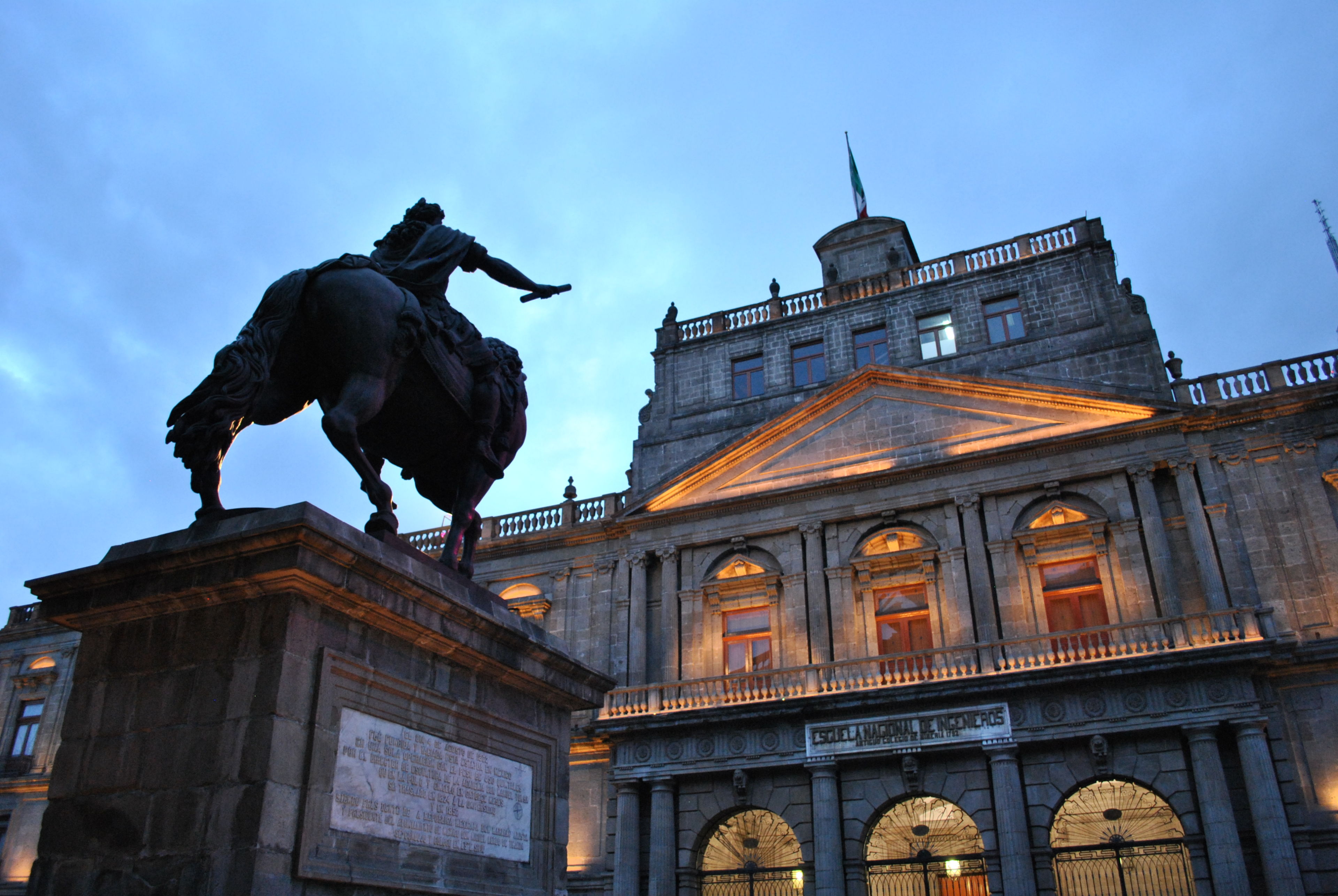
Palacio de Minería
This stunning neoclassical palace, built in the early 19th century, stands as a masterpiece of Mexican architecture with its elegant stone façade and graceful columns that evoke both colonial grandeur and enlightened refinement. Once the heart of Mexico's mining school, its richly decorated interior halls now host cultural exhibitions and academic events that celebrate both scientific heritage and contemporary art. The building's serene courtyards and soaring ceilings transport you to an era when Mexico City was reimagining itself as a center of learning and progress.
Photo by ProtoplasmaKid

Polanco Neighborhood
Polanco is Mexico City's most sophisticated and cosmopolitan neighborhood, where tree-lined avenues reveal world-class restaurants, luxury boutiques, and contemporary art galleries tucked behind elegant facades. This is where you'll find some of the capital's finest dining experiences alongside intimate galleries showcasing Mexican and international artists in converted colonial mansions. Strolling through Polanco feels like wandering through an open-air museum of refined taste, where local professionals, international visitors, and cultural enthusiasts converge.
Photo by Keizers — CC BY-SA 4.0

Roma Norte / Condesa Districts
Roma Norte and Condesa are two of Mexico City's most vibrant neighborhoods, renowned for their tree-lined streets, Parisian-inspired architecture, and bohemian atmosphere filled with galleries, boutiques, and world-class restaurants. These adjacent districts showcase beautifully preserved early 20th-century mansions, plazas, and cultural venues that reflect the city's cosmopolitan character. Together they form the epicenter of Mexico City's contemporary art, fashion, and culinary scene.
Photo by Zehra K.
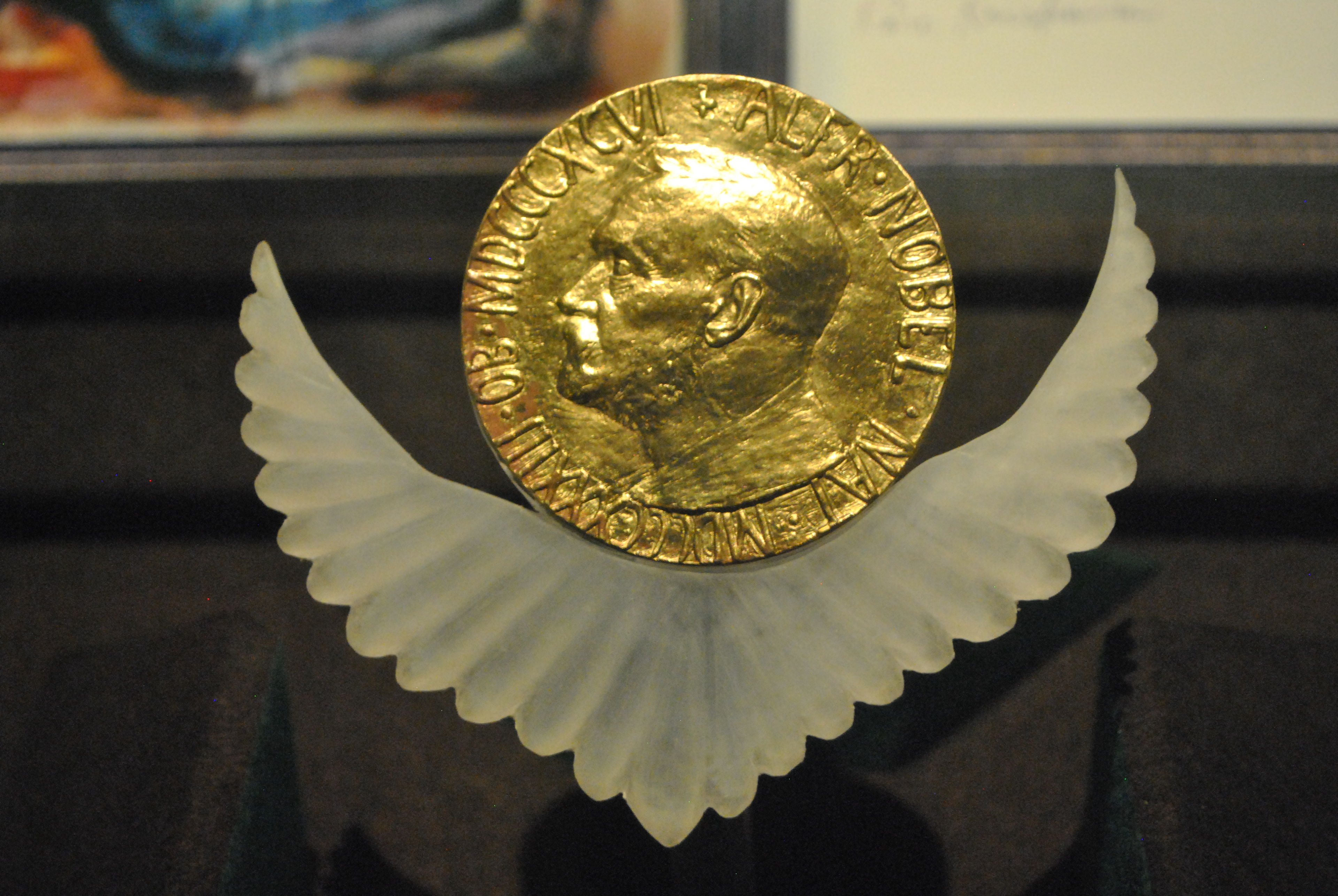
Templo Mayor Museum
This extraordinary museum showcases the excavated remains of the Aztec empire's greatest temple, where visitors walk among actual pyramids and ceremonial structures uncovered in the heart of downtown Mexico City. The on-site artifacts reveal the sophisticated artistic and religious world of the Mexica civilization through meticulously preserved sculptures, jade ornaments, and ritual objects. Standing within the archaeological zone itself while viewing treasures in adjacent galleries creates an immersive connection to Aztec history that few museums can match.
Photo by ProtoplasmaKid
Teotihuacán Pyramids (day trip)
Just 50 kilometers northeast of Mexico City, these colossal pre-Columbian pyramids rise dramatically from the high-altitude valley floor, offering visitors an intimate encounter with one of Mesoamerica's greatest civilizations. The Pyramid of the Sun and Pyramid of the Moon dominate the landscape, their weathered stone faces telling stories of the mysterious culture that built them over two millennia ago. Climbing these ancient structures rewards you with panoramic views that stretch toward snow-capped volcanoes on clear days.
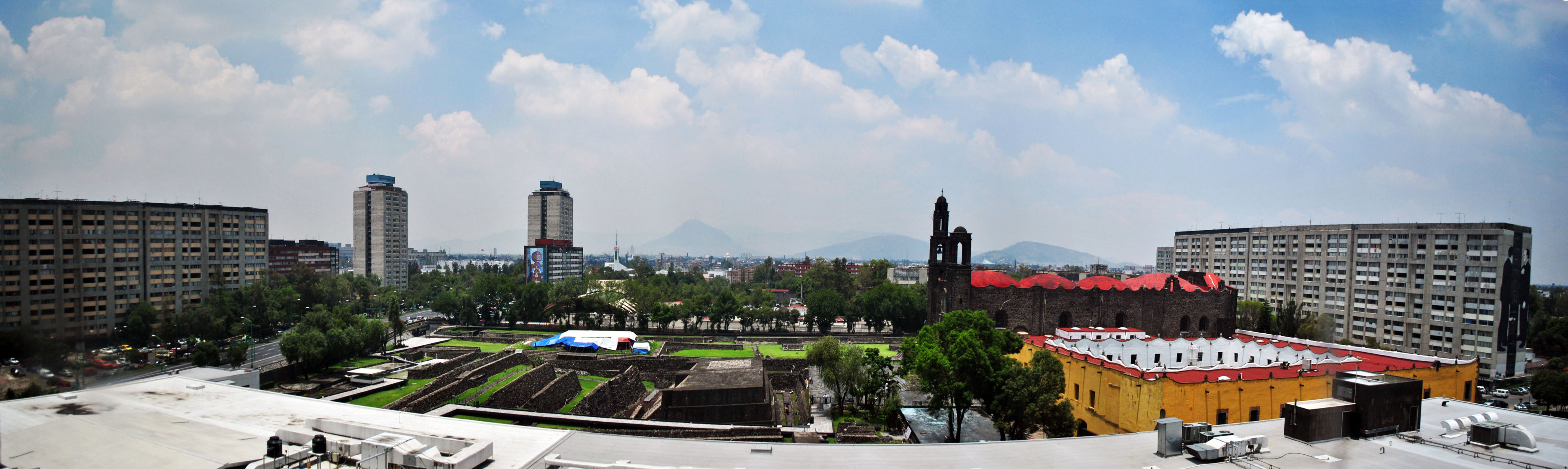
Tlatelolco Plaza (Three Cultures)
This remarkable plaza layered with Aztec ruins, a Spanish colonial church, and modernist government buildings tells Mexico City's complex history through its very architecture. The site was the center of the ancient Aztec city of Tlatelolco and later became a tragic symbol of 1968 when student protests were violently suppressed here. Walking among the three distinct cultural layers feels like moving through centuries, where indigenous foundations literally support colonial structures that stand beside mid-20th century monuments.
Photo by ProtoplasmaKid

Xochimilco (Floating Gardens)
This UNESCO World Heritage site preserves an ancient Aztec agricultural system of artificial islands (chinampas) that float on canals, creating a dreamlike landscape where nature and human ingenuity blend seamlessly. Gliding through the waterways in a colorful trajinera boat, you'll pass beneath weeping willows and spot vendors selling everything from fresh flowers to tamales from smaller boats. The gardens remain a living community where locals farm vegetables and flowers using techniques unchanged for centuries, offering an authentic glimpse into pre-Hispanic engineering.
Photo by NASA/METI/AIST/Japan Space Systems, and U.S./Japan ASTER Science Team — Public domain

Zócalo (Plaza de la Constitución)
One of the world's largest plazas, the Zócalo pulses with the energy of Mexico City's beating heart, ringed by the magnificent Metropolitan Cathedral and the National Palace with its iconic Diego Rivera murals. Whether you're watching the changing of the guard, catching street performers, or simply absorbing the architectural grandeur, this vast open space connects you to centuries of Mexican history in a single, expansive vista. The plaza transforms dramatically throughout the day and across seasons, hosting everything from political gatherings to holiday celebrations.
ProtoplasmaKid, CC BY-SA 4.0, via Wikimedia Commons
Itineraries Here
Planning a Trip to Mexico City: FAQs
When is the best time to visit Mexico City?
⌄
The best time to visit Mexico City is year-round.
How many days do you need in Mexico City?
⌄
Plan on about 5 days to cover Mexico City's highlights at a comfortable pace.
How do you get to Mexico City?
⌄
Mexico City International Airport (MEX) is the primary hub, located approximately 13 kilometers northeast of downtown. It receives direct flights from major U.S. cities and serves as the gateway to central Mexico. The city is accessible by car from nearby regions, though flying remains the most practical option for most visitors.
What are the top things to do in Mexico City?
⌄
Top attractions in Mexico City include Chapultepec Castle & Park, Coyoacán Neighborhood, Lucha Libre Wrestling Shows, MUNAL (National Art Museum) and Mercado Jamaica. Itinara lists 23 verified attractions in total.