Oaxaca is a vibrant tapestry of Indigenous cultures woven into the landscape of southern Mexico, where Zapotec and Mixtec traditions animate daily life, markets, and festivals with centuries of meaning. The state's remarkable diversity—16 officially recognized Indigenous peoples—creates a destination where artisanal craftsmanship, ancestral food ways, and living cultural practices feel interwoven rather than curated for visitors. Surrounded by the Sierra Madre mountains and blessed with Pacific coastline, Oaxaca offers both mountain villages and beach escapes, all infused with a distinctive creative energy and deep connection to place.
Key Attractions
View all attractions →
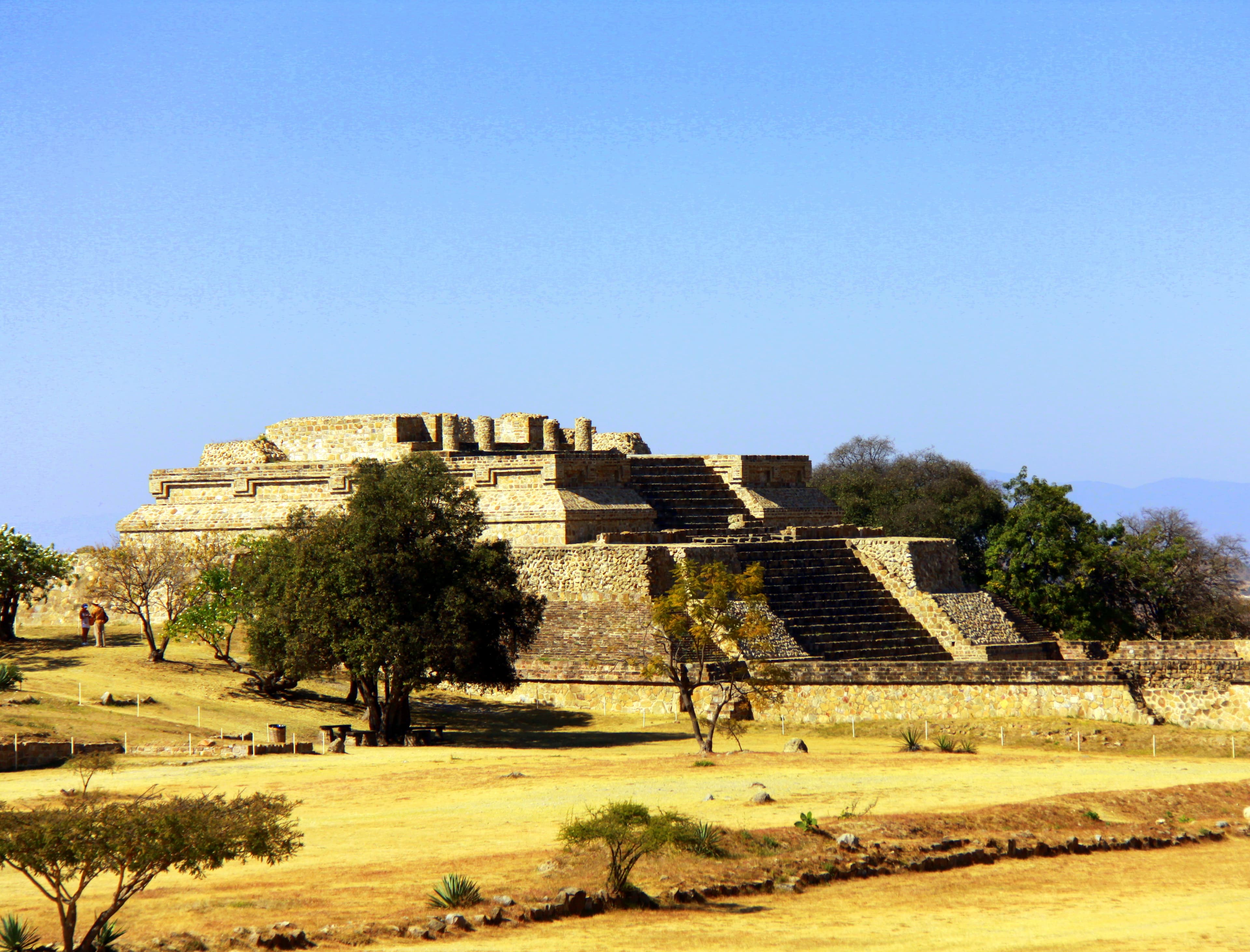
Atzompa
This hilltop Zapotec site affords panoramic views of the Oaxaca Valley while revealing the remains of pyramids, residences, and administrative structures from the Classic period.
AlejandroLinaresGarcia, CC BY-SA 4.0, via Wikimedia Commons

Central de Abastos
Oaxaca's sprawling main market thrums with the chaos and color of indigenous vendors selling everything from mole pastes and chocolate to textiles and fresh produce in a sensory overload that defines the city's character.
ProtoplasmaKid, CC BY-SA 4.0, via Wikimedia Commons
Hierve el Agua
Mineral-rich water cascades down otherworldly travertine formations creating petrified waterfalls and natural pools where visitors can bathe while gazing across the valley below.
AlejandroLinaresGarcia, CC BY-SA 4.0, via Wikimedia Commons
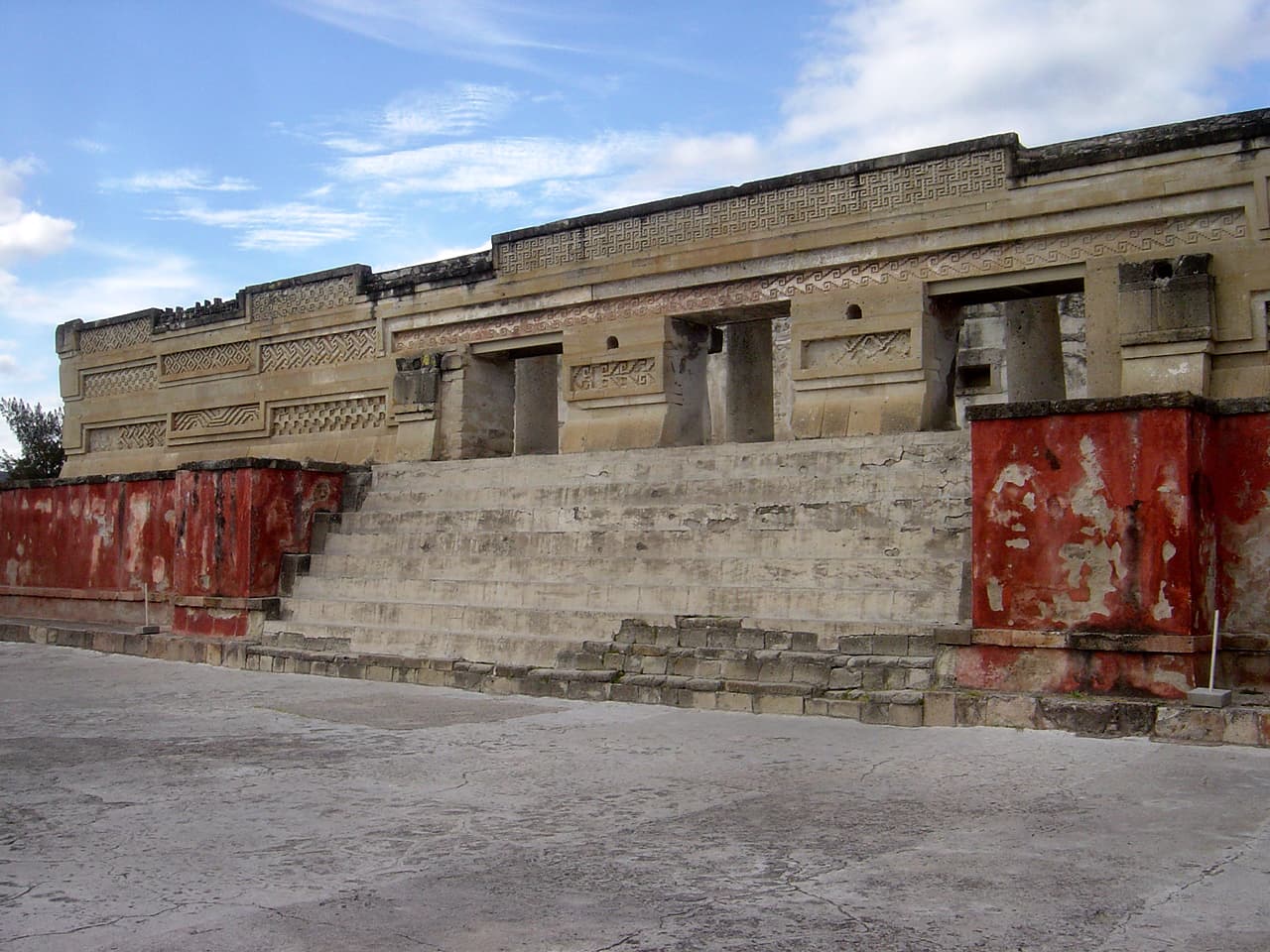
Mitla
These pre-Hispanic Zapotec ruins showcase stunning geometric mosaics and palatial architecture that reveal the sophistication of one of Mesoamerica's most refined civilizations.
Uploaded into English Wikipedia by en:User:Bobak Ha'Eri, CC BY 2.0, via Wikimedia Commons
Monte Albán
This ancient Zapotec capital perched on a flattened mountaintop offers sweeping views across the Oaxaca Valley and reveals millennia of pre-Hispanic civilization through its pyramids, palaces, and observatories.
nsaum75 !Dígame¡, CC BY-SA 3.0, via Wikimedia Commons
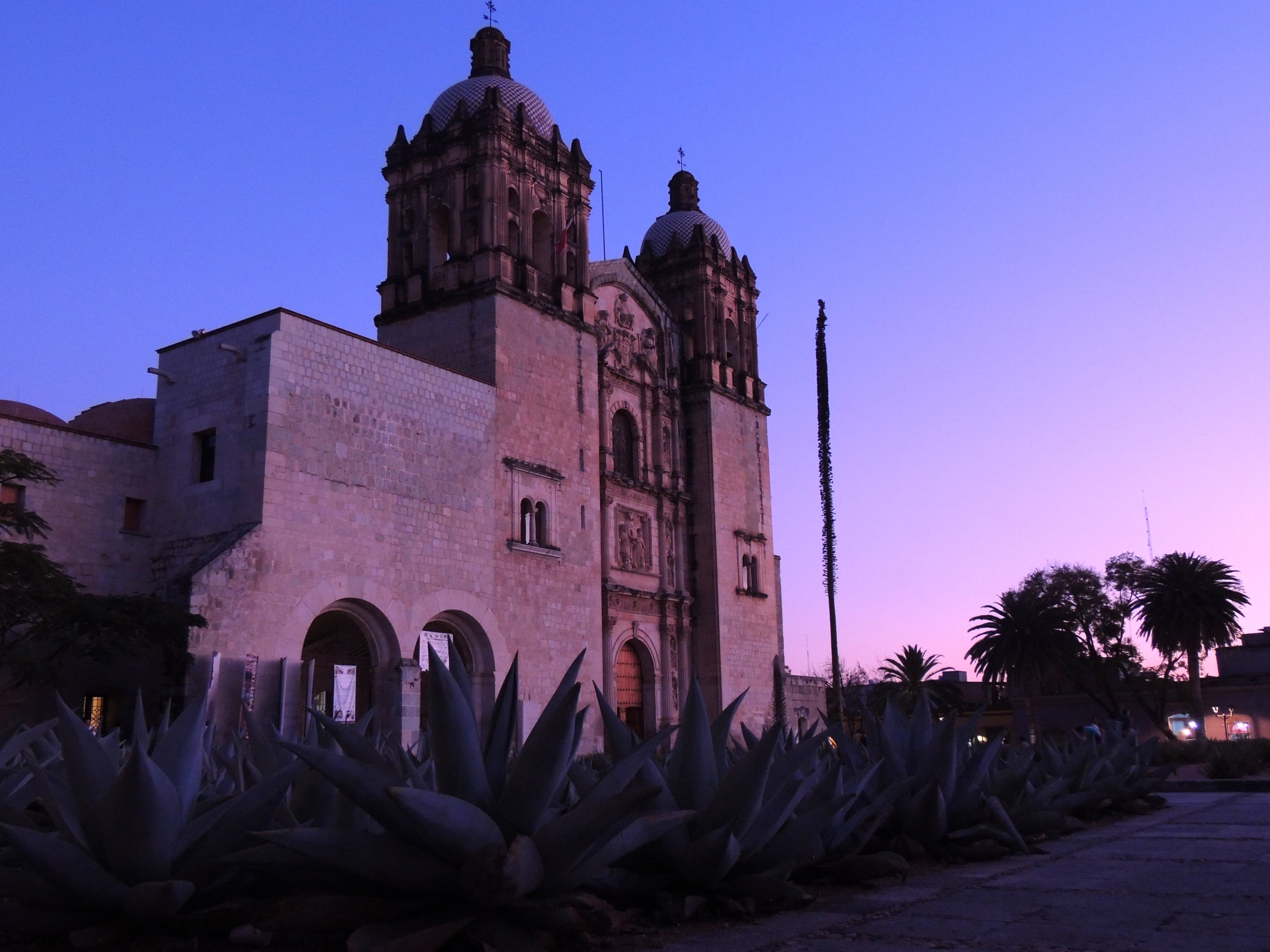
Templo de Santo Domingo de Guzmán
This ornate 16th-century baroque church blazes with gold leaf and intricate carvings inside, while its churrigueresque façade represents the apex of colonial religious architecture in Oaxaca.
Öskr Rck, CC BY-SA 3.0, via Wikimedia Commons
Tule Tree (Árbol del Tule)
One of the world's oldest and largest trees by volume, this 2,000-year-old ahuehuete cypress in nearby Santa María del Tule stands as a living monument to nature's grandeur.
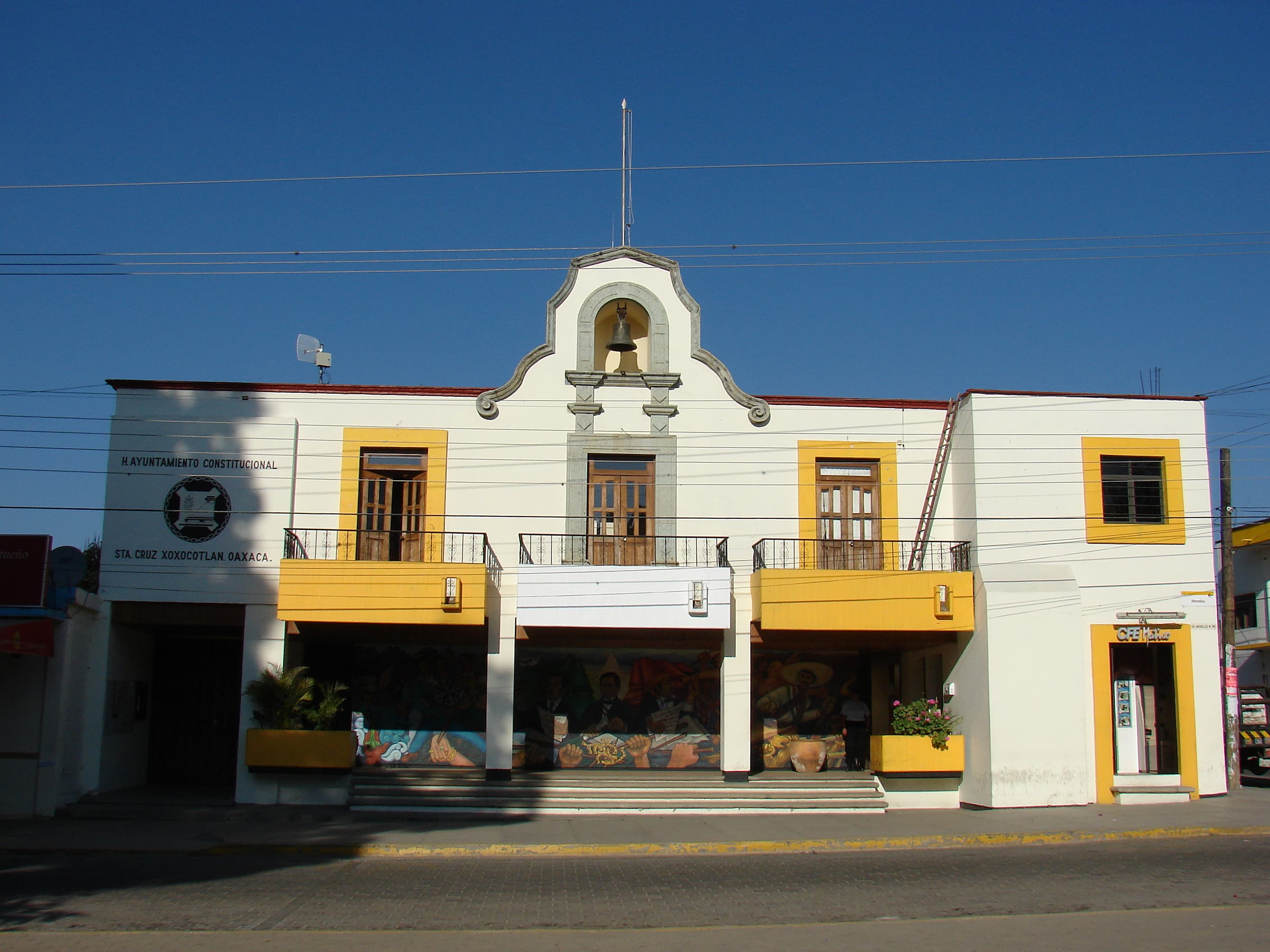
Xoxocotlán
This hillside neighborhood 15 minutes from downtown pulses with authentic local life, colorful murals, family-run restaurants, and steep cobblestone streets that reveal Oaxaca beyond tourist zones.
El Ágora, Public domain, via Wikimedia Commons
Yagul
Perched on a rocky outcrop above the Tlacolula Valley, these smaller but exquisite Zapotec ruins feature a ball court and palace complex with intricate geometric stonework.
Itineraries Here
Planning a Trip to Oaxaca: FAQs
When is the best time to visit Oaxaca?
⌄
The best time to visit Oaxaca is fall.
How many days do you need in Oaxaca?
⌄
Plan on about 5 days to cover Oaxaca's highlights at a comfortable pace.
How do you get to Oaxaca?
⌄
Oaxaca International Airport (XOX) serves the capital city of Oaxaca de Juárez, with connections from Mexico City (approximately 1 hour flight) and U.S. hubs. Driving from Mexico City takes roughly 5–6 hours; the Pacific coastal towns are accessible by car or bus from the capital. Most U.S. visitors fly into Mexico City first, then connect to Oaxaca.
What are the top things to do in Oaxaca?
⌄
Top attractions in Oaxaca include Atzompa, Central de Abastos, Hierve el Agua, Mitla and Monte Albán. Itinara lists 9 verified attractions in total.