3 DaysSolo Traveler9 Stops

Oaxaca, Mexico

3-Day Itinerary for Solo Traveler

Gold Leaf, Ancient Stone, and Mineral Pools: 3 Days in Oaxaca

Gold Leaf, Ancient Stone, and Mineral Pools: 3 Days in Oaxaca

Copal smoke drifts through Santo Domingo's gold-leafed nave while three blocks away, Central de Abastos hums with the clatter of mole grinders and the calls of vendors who've worked the same stall for decades. Oaxaca rewards travelers who slow down — who linger at a mezcal bar's communal table, climb a 2,500-year-old pyramid before the tour buses arrive, or float in cliffside mineral pools as the valley below fades into dusk.

At a Glance

Climate & Weather
Fall in Oaxaca's highlands means mild days (low 70s°F) and cool nights (50s°F) — pack a light jacket or shawl for evenings and a lightweight rain layer, since September–October afternoons can still bring brief showers. Mornings are crisp and clear, ideal for outdoor archaeological sites before clouds build.
Getting Around
Centro Histórico is entirely walkable. For Monte Albán, Atzompa, and the Tlacolula Valley sites (Hierve el Agua, Mitla, Yagul), hire a colectivo, join a shared shuttle tour, or arrange a driver — solo travelers often find shared tours a good way to meet people and split costs.
Budget
Budget roughly $35–55 USD/day for food and activities as a solo traveler: market meals and comedores run $3–8, sit-down dinners $10–20, archaeological site entry $5–10 each, and shared shuttle tours $15–25.
Safety
Oaxaca's Centro and main archaeological sites are well-traveled and comfortable for solo travelers, day or early evening. Use licensed taxis or ride apps after dark, keep valuables minimal in markets, and let someone know your plan on excursion days to Tlacolula Valley or Monte Albán since cell service can be spotty en route.
Connectivity
WiFi is reliable in Centro cafés, hotels, and restaurants. Cell signal thins out significantly past Tlacolula toward Hierve el Agua — download offline maps before heading out.
Local Tips
Markets are liveliest and coolest before 9am — go early both for photography and to beat the heat. Many small businesses close for a midday lull between 2–4pm, so plan major meals or downtime around that rhythm. If traveling near Día de Muertos (late Oct/early Nov), expect processions and altars woven into daily life — pause respectfully rather than treating them as photo ops.

Highlights

  • Dawn light hitting Monte Albán's Main Plaza before the crowds arrive
  • Gold-leafed retablo glowing inside Templo de Santo Domingo
  • Bathing in Hierve el Agua's petrified mineral cascades
  • Sampling mole and chapulines at Central de Abastos with a local guide's rhythm
  • Wandering Xoxocotlán's mural-covered alleys at golden hour
  • Solo-friendly communal tables and mezcal bars for easy conversation
  • Mitla's hypnotic geometric stone mosaics in near-solitude

Day-by-Day Plan

Arrival & orientation

Day 1: Gold Leaf and Market Chaos: Settling Into Centro

A gentle, walkable introduction to Centro's sensory heart — roughly 2 miles on foot — easing into Oaxaca's rhythm without overloading day one.

Wear
Comfortable walking shoes, a light layer for cool morning air, a scarf or shawl for the church's cooler interior, and a small day bag for market shopping.
Budget
$25–40 USD (market snacks, church donation, casual dinner, one mezcal)
7:30 AM - 9:30 AM
Central de Abastos · morning · 120 min · Historic Center

Arrive by 7:30am and the market belongs mostly to vendors setting up — chili-smoke curling into the morning air, mole pastes glistening in earthenware bowls, and the rhythmic calls of Zapotec and Spanish layering over each other. By 9am the aisles thicken with shoppers and the energy shifts from intimate to intense; go early if you want breathing room to browse textiles and chat with vendors. Solo travelers often find this the easiest place to strike up conversation — ask a vendor about their mole recipe and you'll likely get a taste and a story.

Central de Abastos
ProtoplasmaKid, CC BY-SA 4.0, via Wikimedia Commons
Head to the flower and produce section near the main entrance around 7–8am for the richest color saturation, and ask permission before photographing vendors directly.
Narrow, crowded aisles and uneven flooring make this a tough visit for mobility-limited travelers; not recommended for wheelchair users.
20 min walkA 20-minute stroll north through Centro's grid, market bags swinging, storefronts slowly waking up for the day.
10:00 AM - 10:45 AM
Templo de Santo Domingo de Guzmán · midday · 45 min · Historic Center

Step from market chaos into hushed gold — the retablo seems to swallow the light, every carved saint softened by centuries of candle smoke. Come before 11am to beat the midday crowds and feel the cool stone underfoot in relative quiet. It's a natural decompression point after the market's sensory onslaught, low-effort but visually stunning.
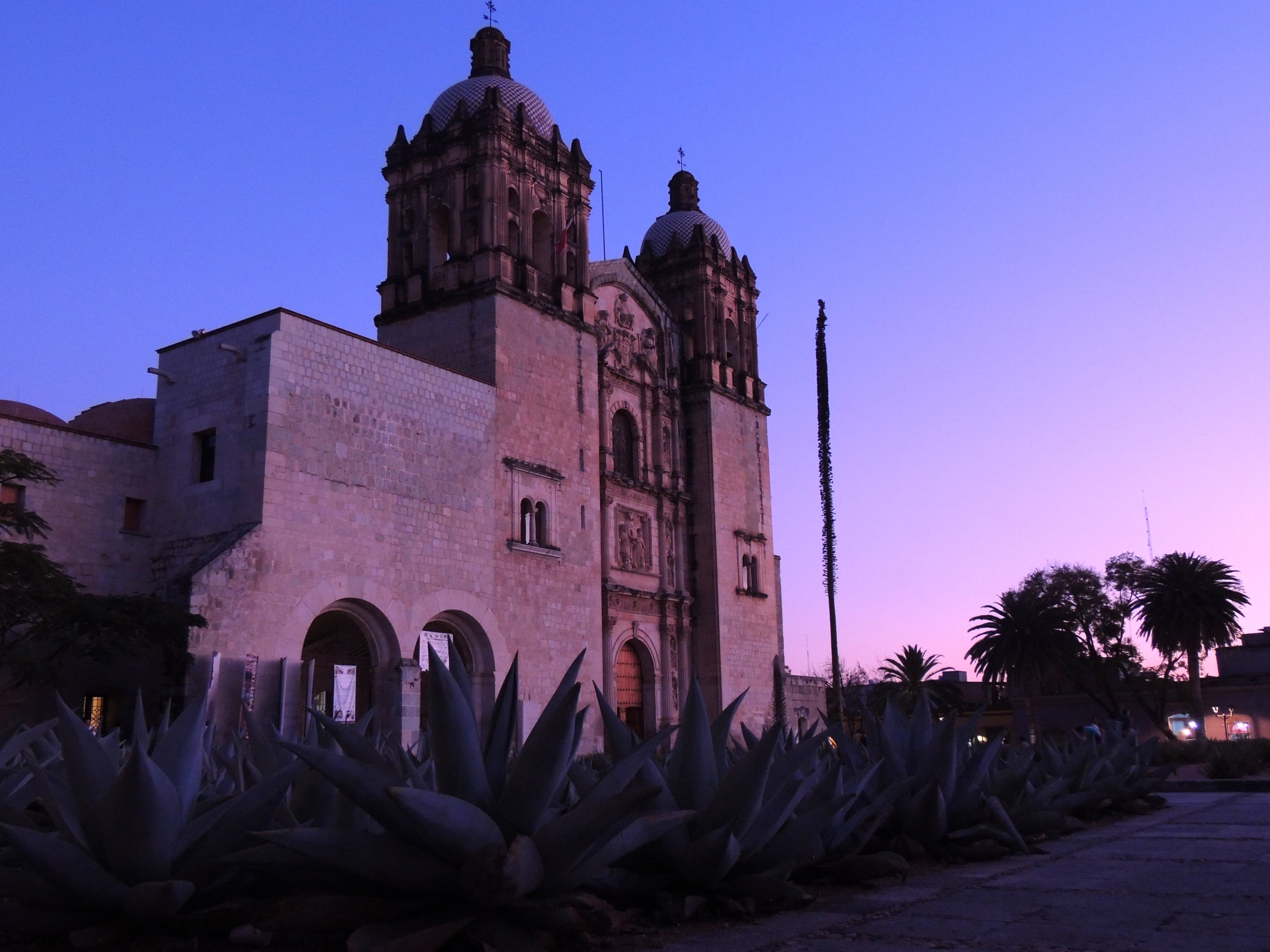
Templo de Santo Domingo de Guzmán
Öskr Rck, CC BY-SA 3.0, via Wikimedia Commons
The ornate wooden retablo framed by nave columns photographs best late morning when light filters through the upper windows.
Fully wheelchair accessible with flat paths and frequent benches — one of the more comfortable stops for all mobility levels.
15 min driveA short taxi ride south out of Centro, the colonial grid giving way to looser, hillier streets.
4:00 PM - 6:00 PM
Xoxocotlán · afternoon · 120 min · Historic Center

After an afternoon rest (siesta-style, matching local rhythm), head out as the light turns gold and Xoxocotlán's mural-covered alleys come alive — charcoal smoke from kitchen doorways, whitewashed walls exploding with color, the smell of fresh tortillas drifting downhill. It's quieter and more local than Centro, a good contrast for a solo traveler wanting texture beyond the tourist core, though the steep cobblestones ask for sturdy shoes and steady footing.
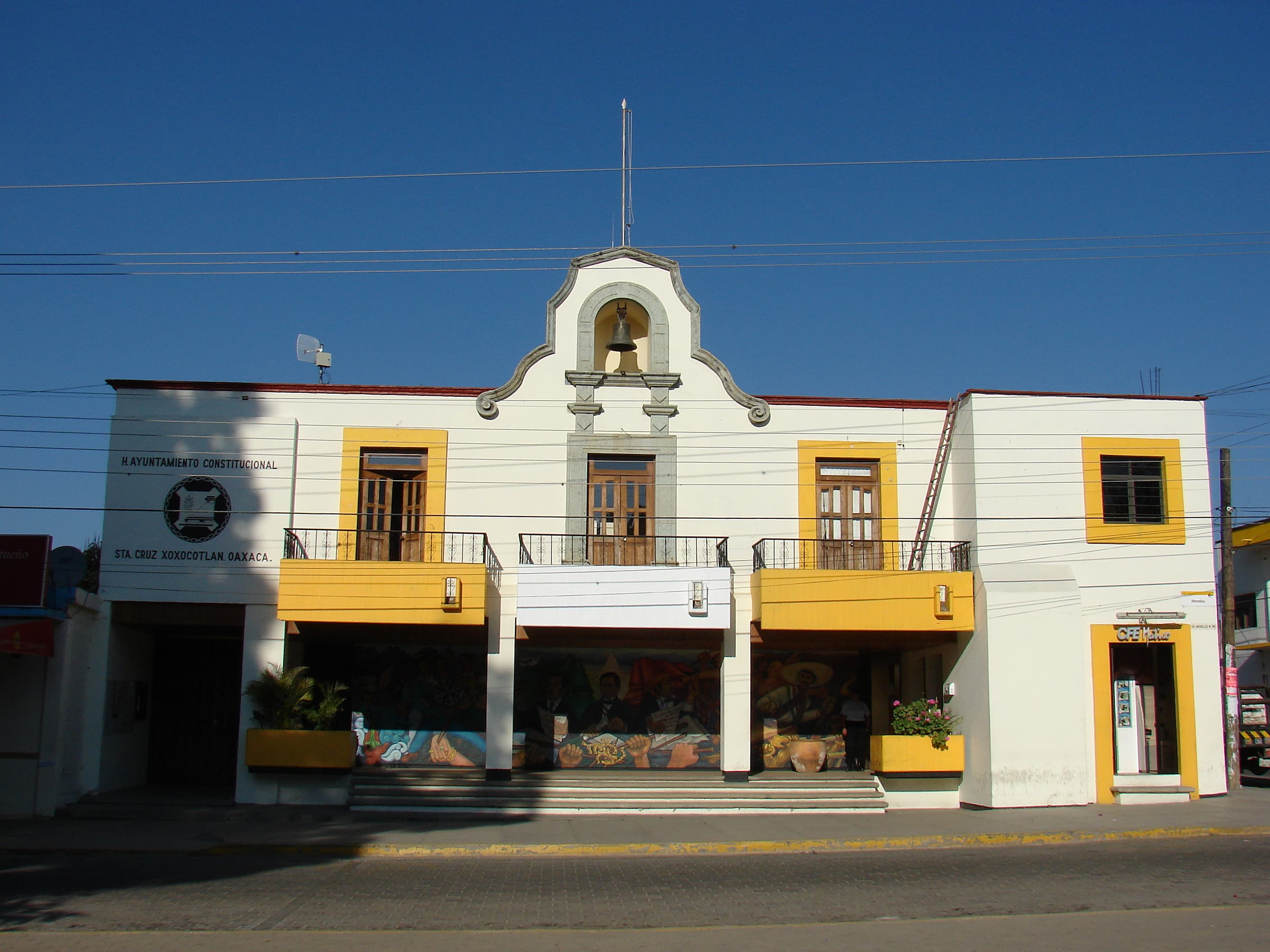
Xoxocotlán
El Ágora, Public domain, via Wikimedia Commons
Narrow alley intersections catch the best mural light in late afternoon, around 4:30–5:30pm.
Steep, uneven cobblestone terrain — not accessible for wheelchairs; those with mobility concerns should stick to lower sections.
Lunch
Doña Glo $$
regional · Near Central de Abastos / Templo de Santo Domingo
A relaxed, communal-table spot near the market and church corridor — easy for solo diners to settle in among locals.
Café Brújula $
coffee · Near Central de Abastos
Bright, casual café good for a mid-morning coffee break with bar seating — comfortable solo pace.
Dinner
Buffet Sta. Anita $
regional · Near Xoxocotlán
Simple, hearty regional buffet near Xoxocotlán — low-key and unpretentious after a day of walking.
Optional detour: Catedral Restaurante BarAfter Templo de Santo Domingo and before Xoxocotlán
A comfortable bar-seating spot for a light midday meal or drink if you want to extend the rest before heading to Xoxocotlán. Skip if: Skip if you'd rather save appetite and energy for dinner near Xoxocotlán.
If it rains: If afternoon showers roll in, skip Xoxocotlán's cobblestones (they turn slippery) and instead spend extra time inside Templo de Santo Domingo, whose interior is fully protected, or duck into a covered café near Centro to wait out the rain.

The day begins in the thick of it — Central de Abastos before 8am, when vendors are still arranging mole pastes and marigolds and the market hasn't yet reached its midday crush. It's sensory and a little overwhelming in the best way: color, smell, and sound layered on top of each other, softened by the fact that solo travelers can move at their own pace, lingering wherever curiosity pulls them.

After the market's intensity, Templo de Santo Domingo offers a cool, golden hush — a deliberate pace shift into quiet reverence. A midday rest matches the local rhythm (many shops close between 2–4pm anyway), before heading out again as afternoon light turns rich and low over Xoxocotlán's painted alleys.

Dinner is unhurried and local — a plate of regional cooking at a buffet-style spot near Xoxocotlán, or if you looped back to Centro, a mezcal at a bar with communal seating, where striking up conversation with fellow travelers or locals comes easy. Early to bed tonight; tomorrow starts before sunrise.

Ancient ruins & panoramic views

Day 2: Stone Empires at Dawn: Monte Albán and the Valley

A ruins-focused day across the Hilltop & Valley cluster, moderate walking (roughly 3 miles total) with sustained sun exposure and some uneven terrain.

Wear
Sturdy walking shoes, a hat and sunscreen for exposed hilltop sun, layers for cool morning air that warms quickly, and a refillable water bottle.
Budget
$30–50 USD (site entries, shared shuttle/taxi, lunch, tree-side snack)
25 min driveA winding 25-minute drive uphill from Centro, the city shrinking below as switchbacks climb toward the plateau.
7:00 AM - 9:00 AM
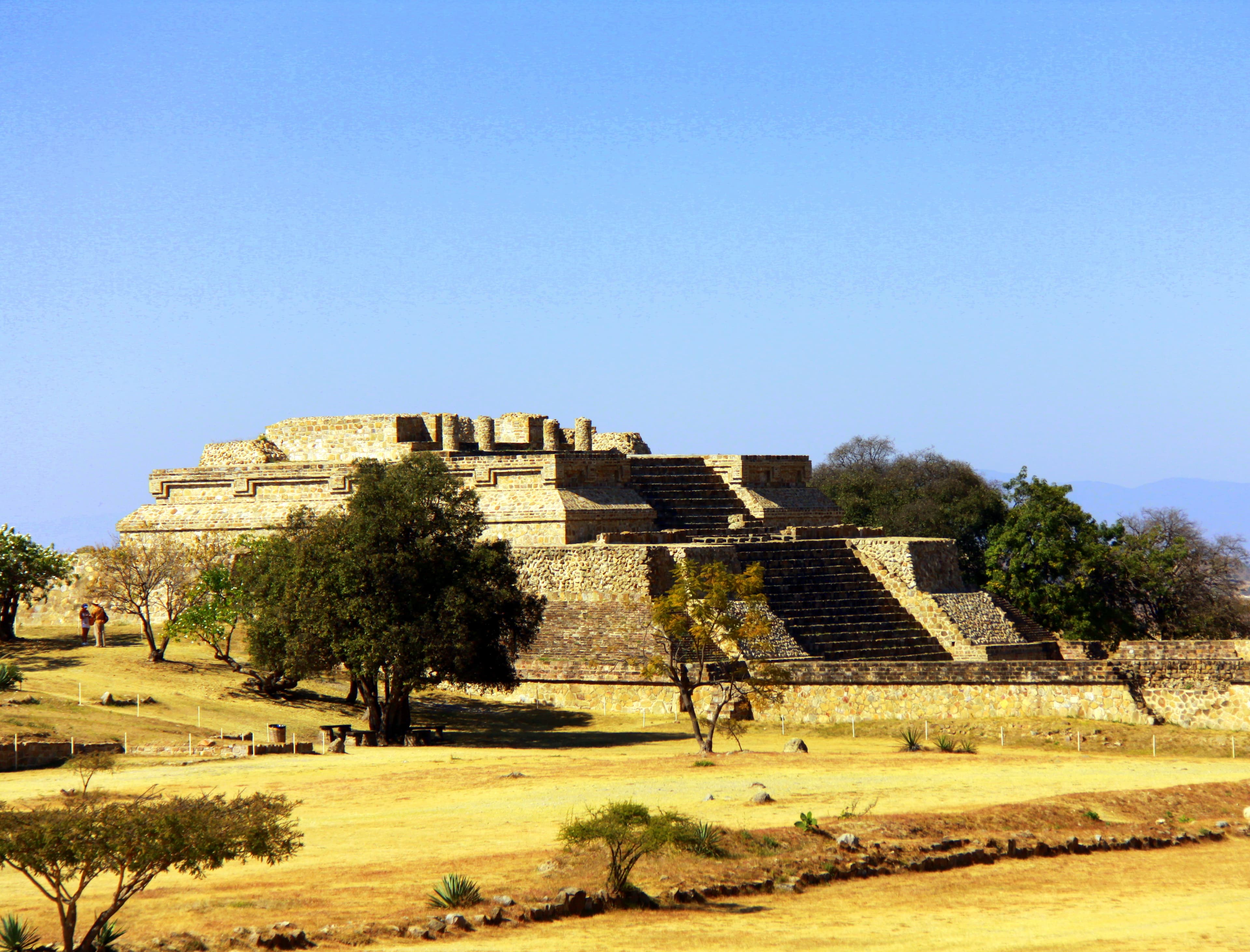
Monte Albán · morning · 120 min · Hilltop & Valley Ruins

Arrive by 7am and the plaza is nearly yours — dust rising underfoot, wind humming across open stone, mountain ranges layered to the horizon in soft dawn light. By 9am tour buses arrive and the hush breaks into chatter; the early window is worth the wake-up call, especially for solo travelers who want unhurried time to sit at the edge of the North Platform and take in the scale of it. This is Oaxaca's most contemplative stop — 2,500 years of Zapotec history pressed into stone.

Monte Albán
nsaum75 !Dígame¡‎, CC BY-SA 3.0, via Wikimedia Commons
Shoot the Main Plaza facing west in early morning light, or return mentally to the North Platform overlook for the clearest valley views before haze builds.
Uneven stone paths and stairs throughout — not wheelchair accessible; those with mobility concerns should plan for a shorter, careful visit.
15 min driveA quick 15-minute drive along a quiet mountain road, valley views opening up through the windows.
9:30 AM - 11:00 AM
Atzompa · midday · 90 min · Hilltop & Valley Ruins

A short hop from Monte Albán, Atzompa feels quieter and less visited — crumbling staircases, thin mountain air, and a 360-degree view stretching toward colonial rooftops far below. It pairs naturally with Monte Albán without repeating the exact same experience, offering a smaller-scale, more solitary climb. Mornings here are notably calmer than late afternoon, ideal for unhurried photography.
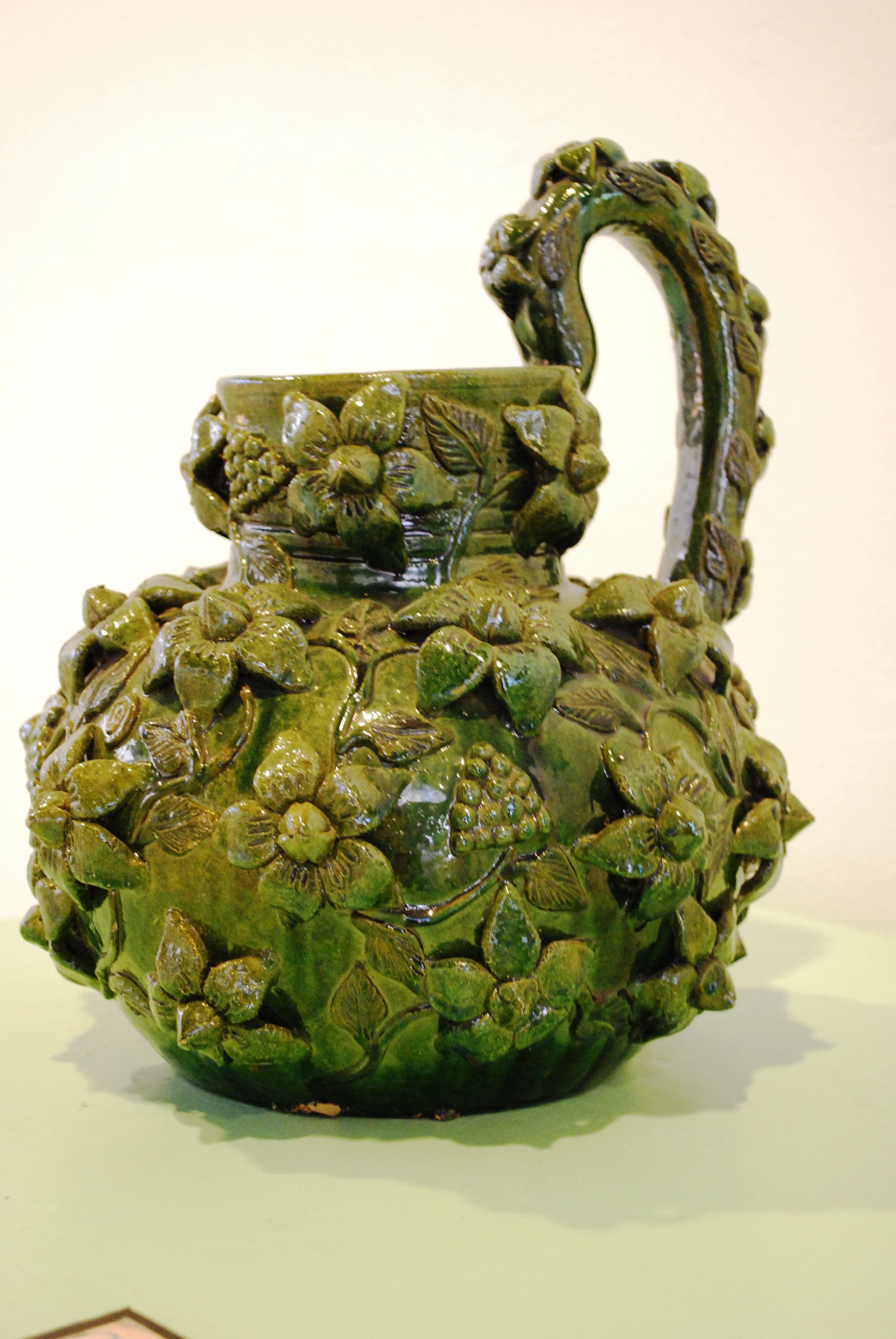
Atzompa
AlejandroLinaresGarcia, CC BY-SA 4.0, via Wikimedia Commons
The main pyramid's uppermost platform facing the valley gives the widest, most dramatic shot — best before midday glare sets in.
Not recommended for wheelchair users; steep, uneven terrain throughout.
20 min driveA short drive down from the hills into the valley town of Santa María del Tule, the road flattening as elevation drops.
1:00 PM - 1:45 PM
Tule Tree (Árbol del Tule) · afternoon · 45 min · Hilltop & Valley Ruins

After two ruin visits, the pace softens completely at this 2,000-year-old tree — bark rough beneath your palm, dappled light filtering through the canopy, pilgrims' voices echoing gently off the adjacent church. It's a low-energy contrast that lets legs recover before the drive onward, and the flat, bench-lined churchyard makes it an easy, restorative stop.

Full-trunk views from the churchyard's south side capture the tree's entire girth and canopy — midday light works fine here since the canopy provides natural shade.
Fully accessible — flat paths, frequent benches, and nearby restrooms make this the easiest stop of the day.
Lunch
El Tule $$
regional · Near Tule Tree
Relaxed regional spot near the Tule Tree, good for resting legs over a full plate after the morning's climbing.
Comedor Santa Elvira $
regional · Near Tule Tree
Simple, unfussy comedor-style seating — easy for solo travelers to grab a quick, authentic meal.
Dinner
María Bonita $$
mexican · Near Templo de Santo Domingo / Centro
A comfortable Centro spot back in town for an evening meal after a long day in the sun.
Optional detour: Nitto's CaféAfter Tule Tree and before returning to Centro
A relaxed café stop for coffee or a cold drink before the drive back into town — good for solo travelers wanting a breather. Skip if: Skip if you're eager to get back to Centro and rest before dinner.
If it rains: If heavy rain moves in, both Monte Albán and Atzompa become slippery and low-visibility — reschedule the ruins for a clearer morning if possible, or shift the day indoors to explore more of Centro's churches and market covered sections instead.

Dawn breaks over Monte Albán's Main Plaza while it's still nearly empty — an intentional early start that rewards solo travelers with space to sit quietly among 2,500-year-old stone, watching mountain light shift across the valley. From there, a short drive leads to Atzompa, a smaller, calmer sibling site that adds a second angle on Zapotec architecture without repeating the same crowd or scale.

The energy downshifts deliberately at the Tule Tree — an easy, contemplative stop after two archaeological climbs, with benches to rest tired legs and shade from a canopy that's been growing since before recorded Zapotec history. Lunch nearby stretches out at an unhurried pace, matching the valley's slower clock.

Back in Centro by early evening, dinner at a comfortable Mexican spot rounds out a physically full day. Given the morning's early wake-up, tonight favors an early night — tomorrow's Tlacolula Valley excursion is the longest day of the trip.

Remote ruins & natural wonder

Day 3: Mineral Pools and Mosaic Stone: The Tlacolula Valley

A full-day excursion east into the Tlacolula Valley combining archaeological sites and Hierve el Agua's mineral pools — roughly 2 miles of walking across uneven terrain, moderate energy demand.

Wear
Swimwear and a quick-dry towel for the pools, hiking-friendly sandals or shoes, a hat, sunscreen, and a light jacket for the cooler drive home at dusk.
Budget
$35–55 USD (shared shuttle or driver, site entries, lunch, café stop)
50 min driveJust under an hour east from Centro along the valley highway, agave fields and small pueblos rolling past the window — worth a coffee to go before setting out.
8:30 AM - 10:30 AM
Mitla · morning · 120 min · Tlacolula Valley

Arrive before 9am and Mitla's geometric fret mosaics feel almost private — pale stone carved into hypnotic patterns that seem to shift as you walk past, the mountain air still cool and thin. By midday, crowds thicken and the magic of near-solitude fades. This is one of Oaxaca's most striking sites for solo travelers who want quiet time to study detail up close without jostling for space.
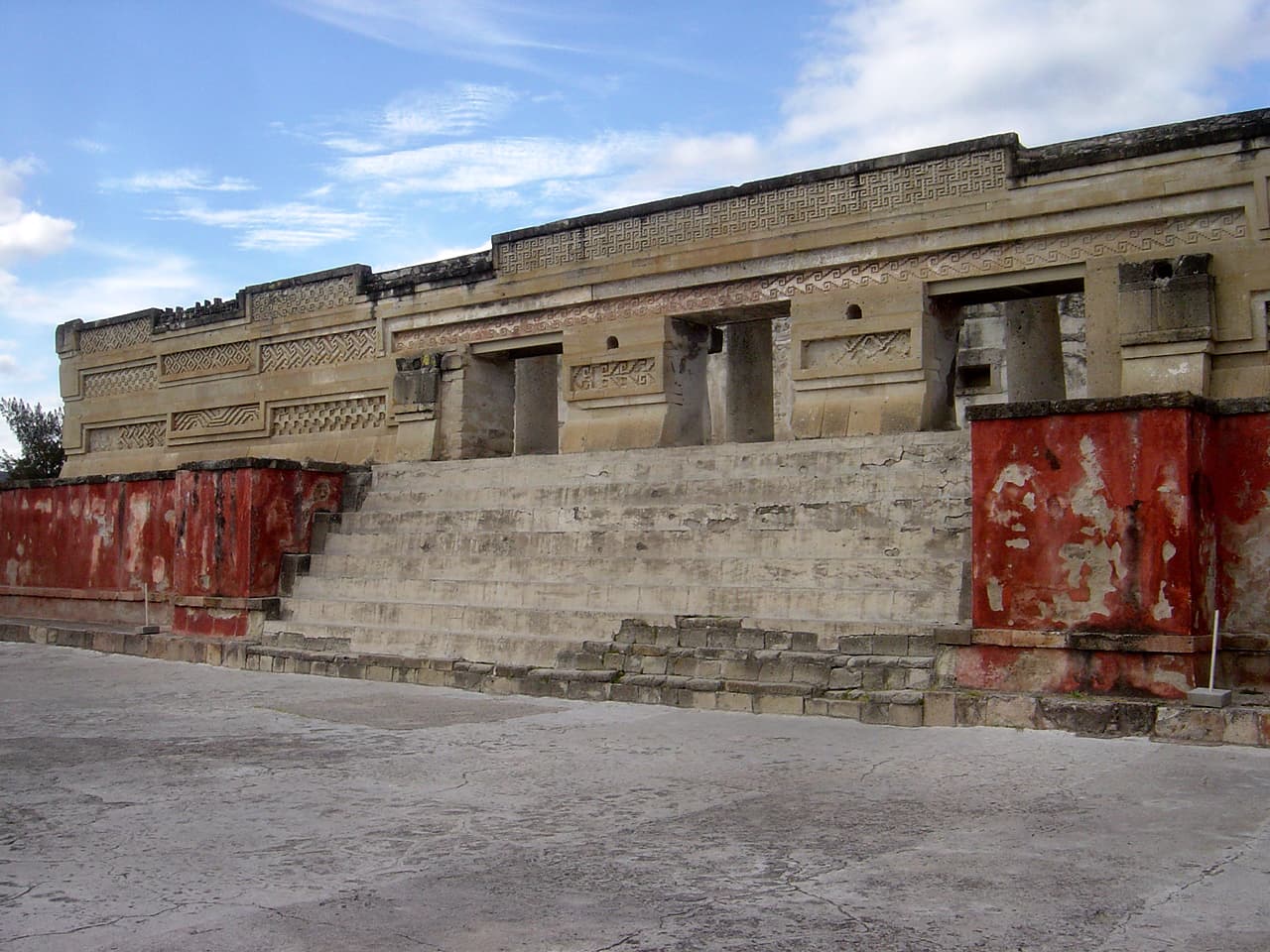
Mitla
Uploaded into English Wikipedia by en:User:Bobak Ha'Eri, CC BY 2.0, via Wikimedia Commons
The Palace of the Columns façade is best photographed backlit in mid-morning light, when the geometric frets cast sharp shadows.
Uneven stone pathways throughout; not accessible for wheelchairs, though guided support can help mobility-limited visitors navigate key sections.
15 min driveA quick 15-minute backtrack along the valley road, small roadside stands selling mezcal and quesillo flashing by.
11:15 AM - 12:45 PM
Yagul · midday · 90 min · Tlacolula Valley

Yagul stays quiet nearly year-round, and this stretch of the day is no exception — rough stone underfoot, the Oaxacan wind carrying a sense of ceremonial hush, and views stretching endlessly across the Tlacolula Valley. It's a smaller, more solitary counterpoint to Mitla, ideal for solo travelers who want to scramble among ruins without a crowd.

The ball court from an elevated vantage point captures its complete geometric form — best in soft midday light before the sun gets too harsh.
Uneven terrain limits time for those with mobility concerns; plan for 30–45 minutes rather than the full visit if accessibility is a priority.
35 min driveA scenic 35-minute climb higher into the hills, switchbacks tightening as the valley view opens wider with each turn.
2:00 PM - 5:00 PM
Hierve el Agua · afternoon · 180 min · Tlacolula Valley

The valley opens dramatically at Hierve el Agua — warm mineral water wrapping around your skin as you float, looking out over petrified white cliffs that cascade like frozen waterfalls toward the valley floor far below. Afternoon brings the biggest crowds (10am–2pm is peak), so arriving after 2pm means calmer pools and softer light for the walk along the cliff edge. It's the day's centerpiece — equal parts relaxation and awe, and a natural place to strike up conversation with fellow travelers cooling off in the same pool.
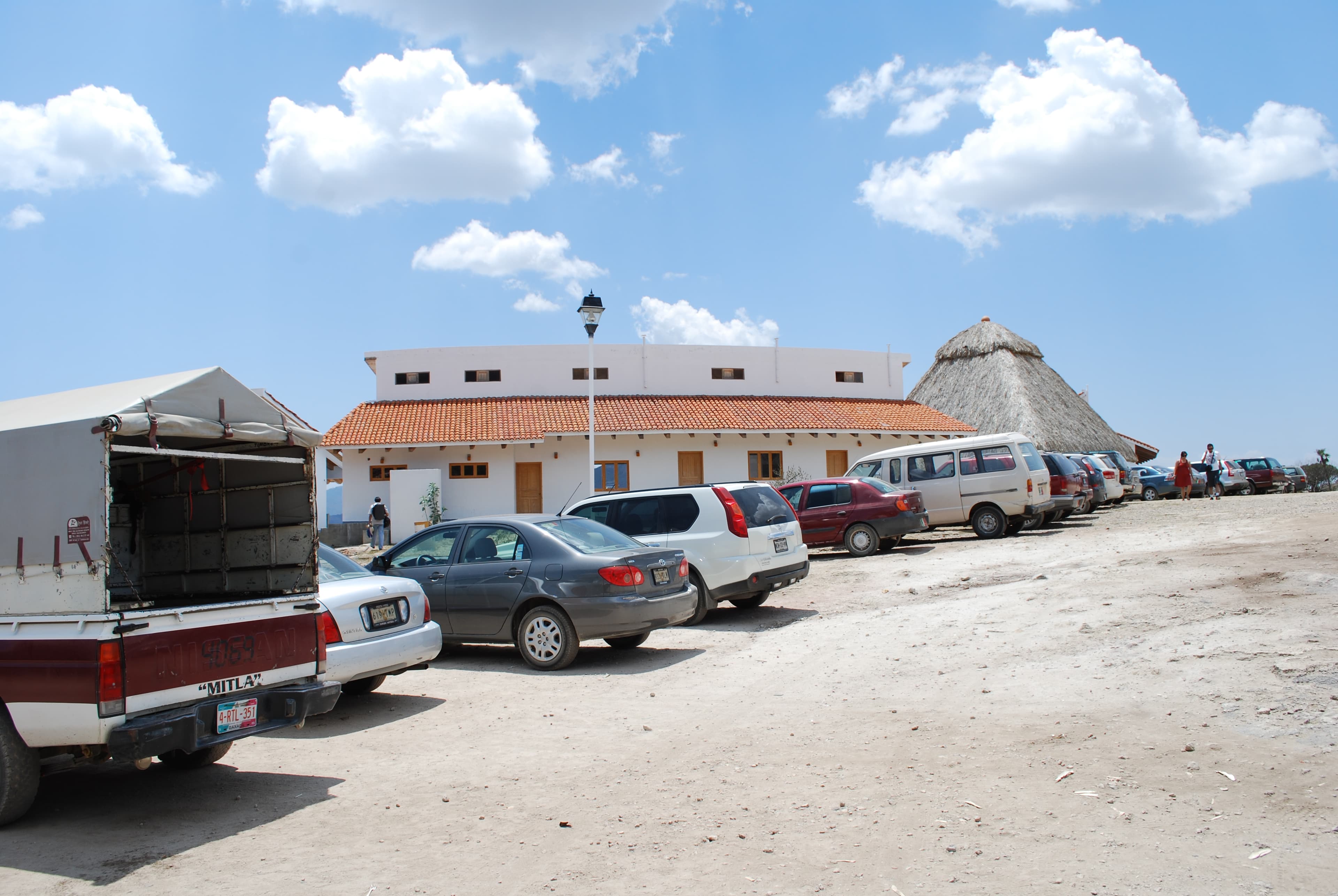
Hierve el Agua
AlejandroLinaresGarcia, CC BY-SA 4.0, via Wikimedia Commons
The upper cliff edge looking across the cascada formations is best around 4:30–5pm, as the light turns warm and crowds thin.
Uneven, unpaved paths with no wheelchair access; upper pools may be unreachable for those with mobility limitations — the lower amphitheater pools are the more accessible option.
Lunch
Doña Chica $$
mexican · Near Mitla
A relaxed sit-down option near Mitla, good for refueling before Yagul and Hierve el Agua.
Origen Maiz $
cafe · Near Mitla
Casual café near Mitla, easy for a lighter bite or coffee before continuing the day.
Dinner
Koffie $
cafe · Near Hierve el Agua
A relaxed café stop near Hierve el Agua for a warm drink or light bite as the sun sets before the drive back to Centro.
Optional detour: TitosAfter Yagul and before Hierve el Agua
A convenient roadside stop for a quick snack or drink between the ruins and the pools. Skip if: Skip if you're on a tight schedule to reach Hierve el Agua before the afternoon crowds thin out around 2pm.
If it rains: Heavy rain makes the rocky paths at Mitla, Yagul, and Hierve el Agua slippery and reduces visibility significantly — if storms threaten, swap this day for indoor Centro exploration (museums, market's covered sections) and reschedule the valley excursion for a clearer day if your itinerary allows flexibility.

The day starts with a longer drive east into the Tlacolula Valley, arriving at Mitla before 9am to catch its geometric stone mosaics in near-solitude — an ideal pace for solo travelers who want to linger over detail. From there, a short hop to Yagul offers an even quieter, more solitary ruin experience, wind and valley views replacing any sense of crowd.

The mood shifts entirely at Hierve el Agua, where the day's rhythm slows into floating, warm mineral water, and long views over petrified cliffs. Arriving after 2pm avoids the peak midday crush, leaving the afternoon for an unhurried soak and a golden-hour walk along the cliff edge.

A warm drink at a relaxed café near the pools eases the transition before the drive back to Centro, valley lights beginning to flicker below as dusk falls. It's a fitting final evening — equal parts natural wonder and quiet reflection, capping three days that moved from market chaos to ancient stone to mineral water at the edge of the world.

Want to tweak this trip?

Our AI planner can customize this itinerary to your exact dates, interests, and travel style.

Customize This Itinerary
Good to Know

Restaurant details (hours, menus, availability) change frequently. Check current hours before visiting, especially in seasonal destinations.

Dietary compatibility tags are general guidance. If you have severe allergies, confirm directly with the restaurant.

Travel tips are general guidance, not professional safety advice. Check government advisories for latest information.

All prices are approximate and may vary seasonally.

We use cookies to improve your experience and analyze site usage. Essential cookies are always active. You can customize your preferences or accept all cookies. Cookie Policy