
Salvador pulses with the soul of Brazil's African heritage and colonial past, where pastel-colored buildings cascade down hillsides toward azure waters and the rhythm of drums echoes through narrow cobblestone streets. As the country's first capital and a UNESCO-protected historic jewel, this northeastern city layers centuries of Portuguese architecture, indigenous influence, and Afro-Brazilian spirituality into every corner. Whether watching the sunset from a beach that fronts the Atlantic or wandering through markets heavy with tropical fruit and local crafts, Salvador offers an immersive dive into a culture that shaped modern Brazil.
Key Attractions
View all attractions →
Bonfim Church
Perched on a peninsula jutting into the Bay of All Saints, the Basilica of Senhor do Bonfim is Salvador's most iconic white-washed temple, drawing pilgrims and travelers alike to its humble yet spiritually charged interior. The church's simple exterior belies an intimate devotional atmosphere where colorful thank-you ribbons adorn the walls and visitors tie fitas (blessed ribbons) around their wrists as acts of faith. Beyond the sanctuary lies a small museum of miraculous offerings—wooden limbs, photographs, and handwritten prayers—that speak to centuries of hope and healing sought within these walls.
Photo by Matti Blume

Elevador Lacerda
This iconic hydraulic elevator connects Salvador's lower city (Cidade Baixa) with the upper city (Cidade Alta), rising 72 meters above the Baía de Todos os Santos with breathtaking panoramic views. Built in 1873, it's one of the oldest elevators of its kind in the world and remains a beloved symbol of the city, blending Belle Époque engineering with tropical splendor. The rides themselves are brief but magical, offering glimpses of colonial architecture, bustling markets, and sparkling bay waters.
Photo by Paul R. Burley — CC BY-SA 4.0
Forte de São Marcelo (Island Fort)
This striking starfort sits proudly on an island in Salvador's Baía de Todos os Santos, its salmon-pink walls and geometric design reflecting centuries of Portuguese colonial engineering. Built in 1623 to protect the city's harbor, the fort offers intimate views of the bay and the colorful city skyline from its ramparts and gun emplacements. Inside, you'll discover cannons, period artifacts, and atmospheric tunnels that whisper stories of naval battles and strategic defense.
Itapuã Beach
Itapuã Beach is a picturesque crescent of golden sand nestled at the eastern tip of Salvador's peninsula, where calm waters and natural rock formations create an intimate seaside escape. Local fishermen still work these waters as they have for generations, adding authentic charm to the coastline and creating an excellent spot for fresh seafood at beachfront restaurants. The nearby Farol da Barra lighthouse stands as a historic guardian just across the headland, making this beach a perfect blend of natural beauty and cultural significance.
Photo by soel84
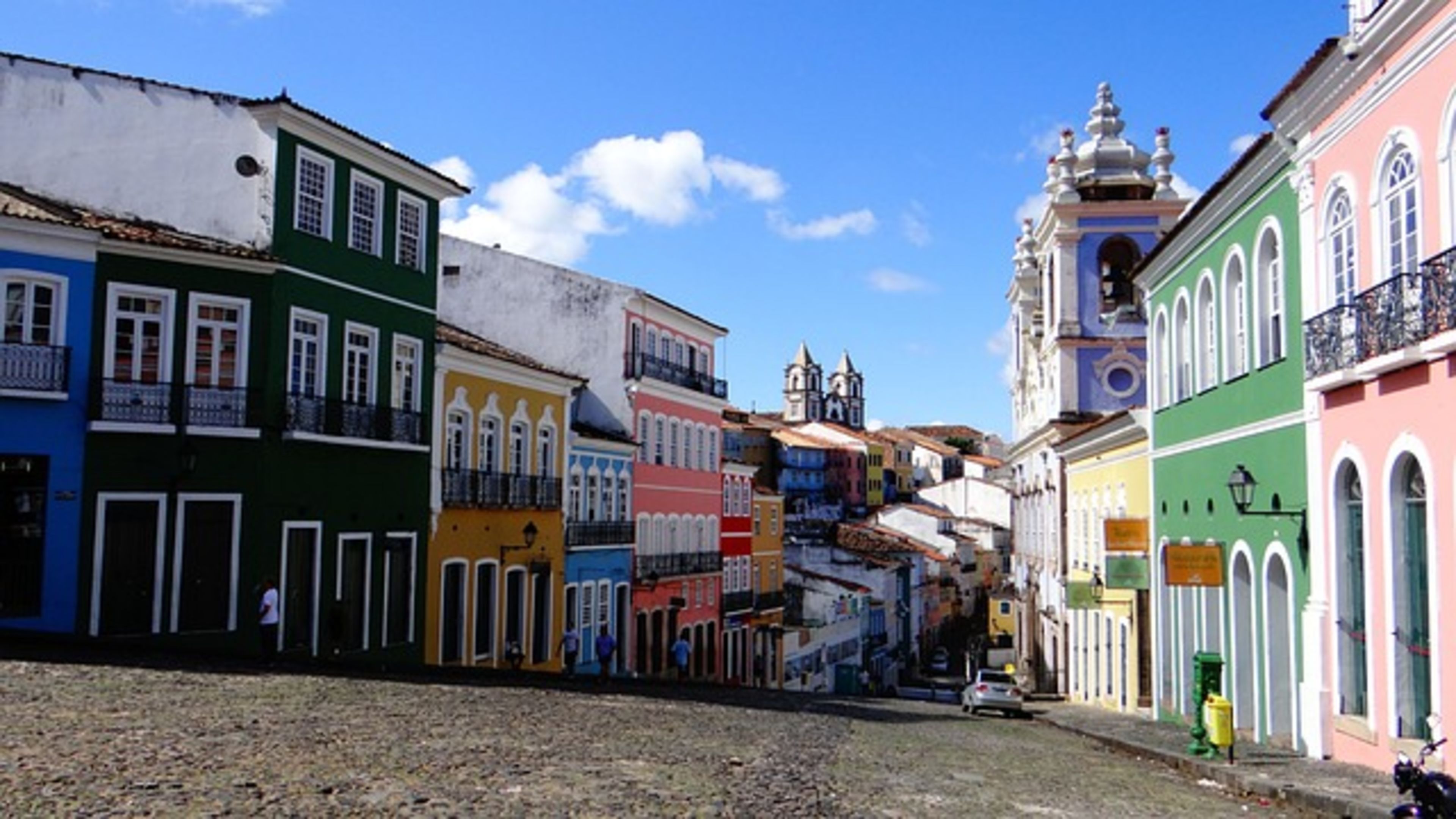
Mercado Modelo
This iconic waterfront market has been Salvador's beating heart since 1912, bursting with the colors, sounds, and spices of Bahian culture spread across two vibrant floors. Wander past stalls overflowing with local crafts, textiles, and souvenirs on the upper level, then descend to find fresh produce, seafood, and traditional foods that fuel the city's soul. The building itself—a beautifully restored Art Deco structure—frames views of the Baía de Todos os Santos and connects seamlessly to the charming Cidade Baixa neighborhood below.
Photo by soel84
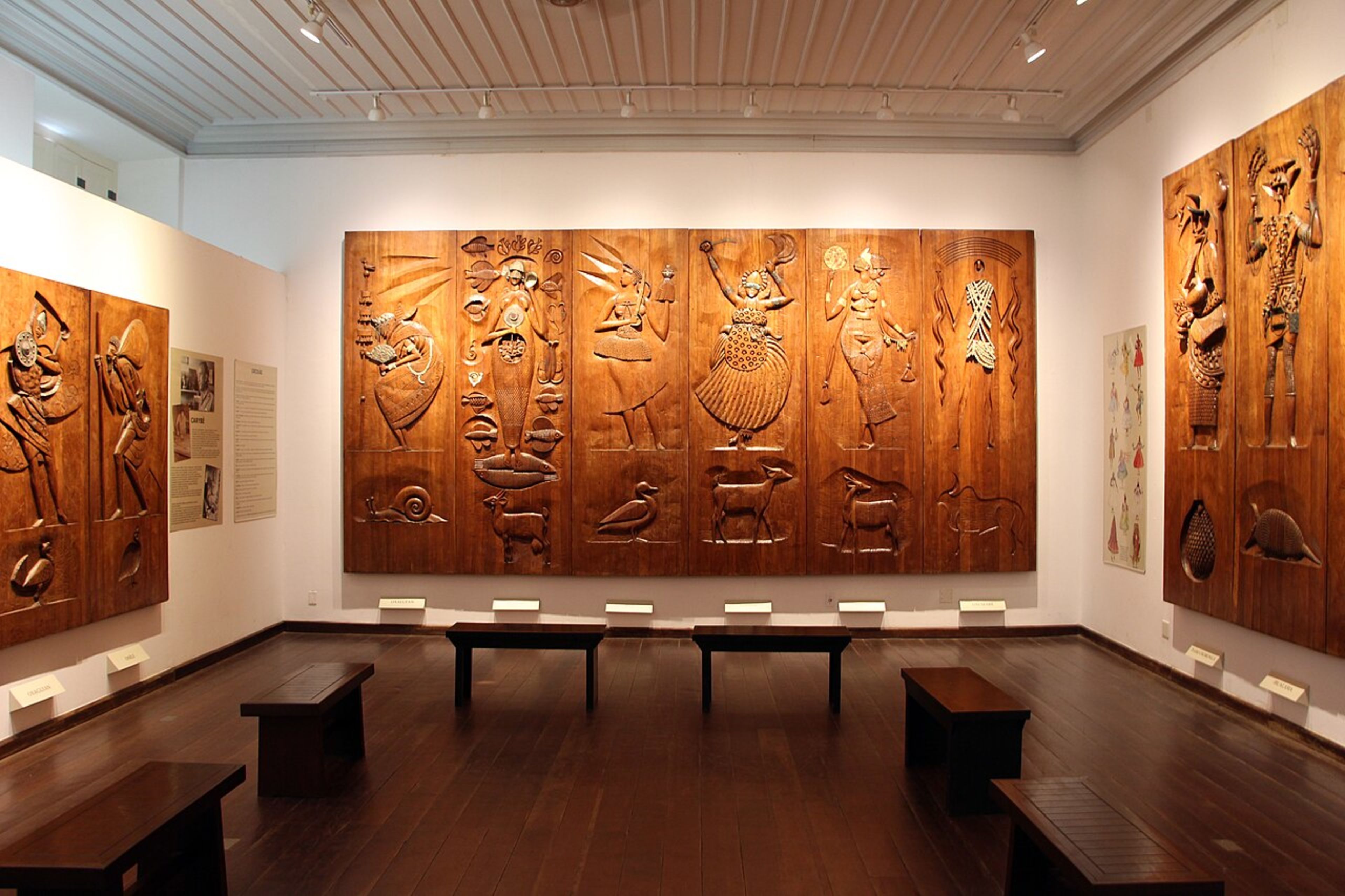
Museu Afro-Brasileiro
Housed in a beautifully restored 18th-century colonial mansion on the Pelourinho steps, this intimate museum honors the profound contributions and resilience of Afro-Brazilian culture through sacred objects, historical artifacts, and contemporary art. The collection vividly traces the journey from the slave trade through cultural resistance, with particularly moving displays of candomblé religious pieces and powerful photography documenting Brazil's Black heritage. You'll find yourself moved by the personal stories embedded in each exhibit, told with dignity and depth that challenges and enriches your understanding of Brazil.
Photo by Sailko — CC BY 3.0

Pelourinho Historic District (UNESCO)
This vibrant colonial quarter tumbles down a hillside in brilliant shades of blue, yellow, and pink, its pastel facades telling stories of Salvador's complex past as a slave trading hub and cultural epicenter. Wandering through narrow lanes lined with 17th and 18th-century buildings, you'll encounter street musicians, artisan shops, and the intoxicating blend of African and Portuguese heritage that pulses through this UNESCO World Heritage site. The district breathes with Afro-Brazilian culture—from capoeira demonstrations to the rhythms of samba echoing off ancient stone walls.
Photo by Mário Andrioli

Pelourinho UNESCO Historic District
This vibrant colonial quarter cascades down the hillside in layers of pastel-colored buildings, where centuries-old Portuguese architecture frames hidden plazas and narrow alleyways filled with artisan shops, galleries, and street musicians. The district pulses with Afro-Brazilian culture, from capoeira demonstrations in the squares to the rhythmic sounds of samba and reggae echoing through the streets. Every corner tells a story of Salvador's complex past, from its role as Brazil's first capital to its profound connection to African heritage and resistance.
Photo by SLPix

Porto da Barra Beach
Nestled at the mouth of Salvador's Baía de Todos os Santos, Porto da Barra is the city's most emblematic beach, framed by the iconic lighthouse and colonial fortification that give it historic character. The sheltered bay creates calm, turquoise waters perfect for swimming, while the nearby Farol da Barra offers stunning views and serves as a cultural landmark standing sentinel over centuries of maritime history. Palm-lined promenades connect to colorful beachfront kiosks serving fresh seafood and ice-cold drinks, making this a vibrant hub where locals and visitors blend seamlessly.
Photo by KlausAires

Rio Vermelho Neighborhood
Rio Vermelho is a charming bohemian pocket of Salvador where colorful colonial buildings cascade toward the sea, locals gather in intimate squares for fresh seafood, and the pulse of Bahian culture beats through narrow alleyways lined with art galleries and vintage shops. Once a fishing village and artistic haven for writers and musicians, this neighborhood preserves an authentic, lived-in character that feels refreshingly untouched by mass tourism. The waterfront comes alive at sunset when fishermen return with their catch and vendors set up makeshift grills serving grilled fish and regional delicacies.
Photo by IKAROW

Solar do Unhão (MAM Bahia)
This stunning 17th-century mansion overlooking the Bay of All Saints houses Bahia's most important art museum, blending colonial architecture with contemporary galleries. The whitewashed walls and azulejo tiles frame works by Brazilian modernists while the terrace café offers enchanting views where the sea breeze carries stories of Salvador's maritime past. The museum's intimate spaces reward slow exploration, revealing both the building's aristocratic heritage and its transformation into a vibrant cultural space.
Photo by Paul R. Burley — CC BY-SA 4.0
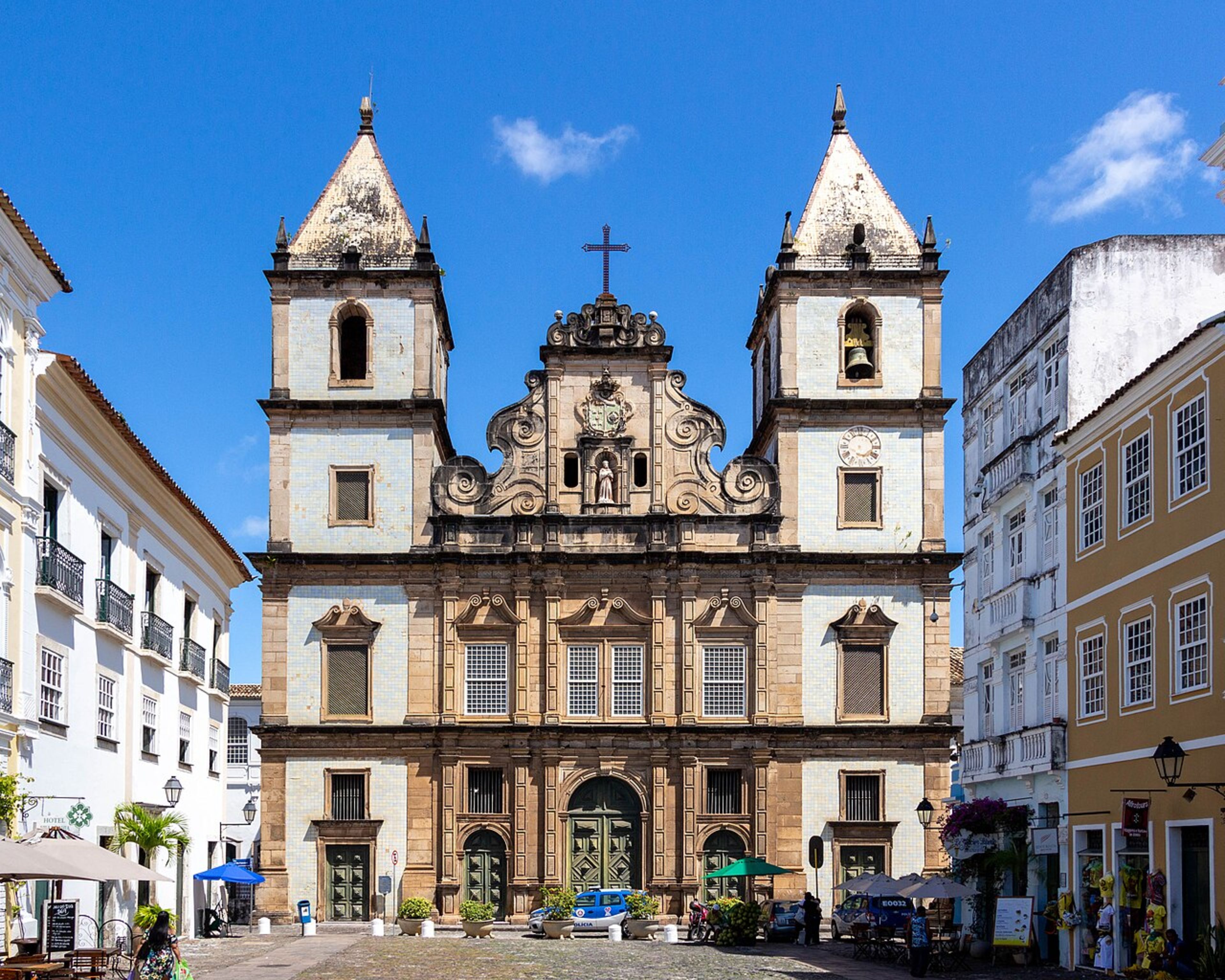
São Francisco Church & Convent
This 18th-century masterpiece showcases Salvador's most exuberant baroque architecture, with its interior walls entirely covered in gilded wood carvings and religious iconography that seem to shimmer in candlelight. The attached convent reveals layers of colonial history through its cloistered gardens and intimate chapels, offering a contemplative escape from the bustling Pelourinho district outside. The sheer opulence and craftsmanship create an almost overwhelming sensory experience that captures the spiritual ambitions of Brazil's colonial elite.
Photo by Wellington Da Costa Gomez — CC BY-SA 4.0
Terreiros de Candomblé (Religious Sites)
These sacred Afro-Brazilian religious communities represent centuries of spiritual tradition, blending Yoruba, Bantu, and Catholic influences into unique ceremonies and spaces. Visitors are welcomed respectfully into intimate worship spaces where drums echo with ancestral rhythms and altars honor orixás (divine spirits) through vibrant offerings and devotional art. Each terreiro maintains its own character and protocols, making genuine encounters with practitioners far more meaningful than any public performance.
Itineraries Here
Planning a Trip to Salvador: FAQs
When is the best time to visit Salvador?
⌄
The best time to visit Salvador is year-round.
How many days do you need in Salvador?
⌄
Plan on about 4 days to cover Salvador's highlights at a comfortable pace.
How do you get to Salvador?
⌄
Salvador is served by Deputado Luis Eduardo Magalhães International Airport, the primary air hub for the Northeast Region. The city is roughly 1,500 kilometers north of Rio de Janeiro and 2,100 kilometers from São Paulo; most visitors arrive by air. Local transportation includes buses, taxis, and ride-sharing apps to navigate the hilly terrain.
What are the top things to do in Salvador?
⌄
Top attractions in Salvador include Bonfim Church, Elevador Lacerda, Forte de São Marcelo (Island Fort), Itapuã Beach and Mercado Modelo. Itinara lists 13 verified attractions in total.