
Rio de Janeiro sprawls across sun-soaked shores and dramatic granite peaks, where the iconic silhouette of Christ the Redeemer watches over a city pulsing with life, rhythm, and boundless energy. From the legendary beaches of Copacabana and Ipanema to the bohemian charm of historic neighborhoods like Santa Teresa, Rio offers a intoxicating blend of natural beauty, world-class culture, and infectious joy. Whether you're hiking misty mountain trails, wandering tile-covered streets, or simply floating in crystalline waters, the city's magnetic spirit feels both timeless and thoroughly alive.
Key Attractions
View all attractions →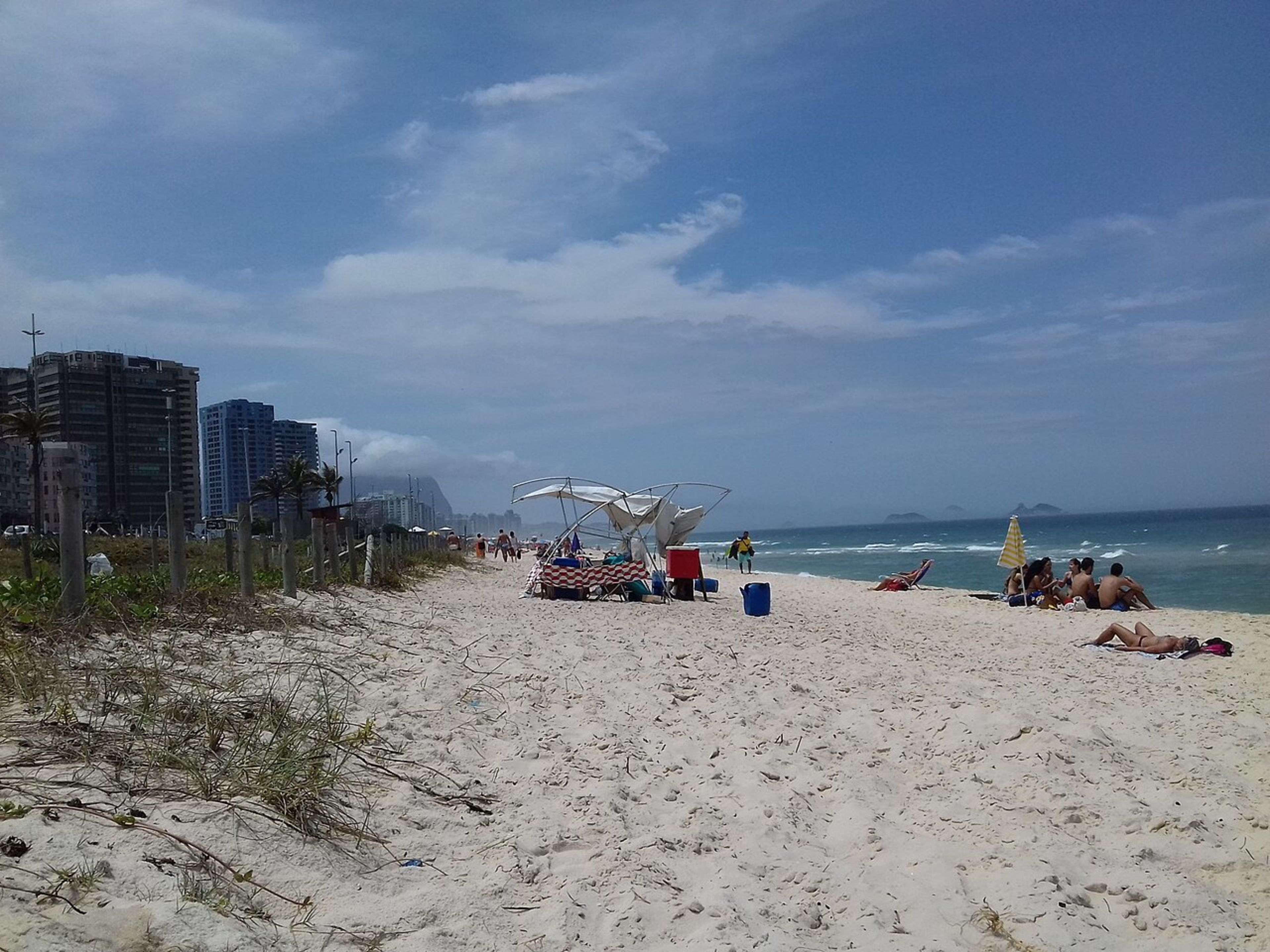
Barra da Tijuca Beach
Stretching nearly 20 kilometers along Rio's west side, Barra da Tijuca is a vibrant beach neighborhood where modern development meets natural beauty, with consistent waves that attract surfers and swimmers alike. The beach offers a refreshing escape from the city's crowded south zone, backed by trendy beachfront restaurants, bars, and a lively boardwalk atmosphere that energizes especially during sunset hours. Protected by the Restinga da Marambaia nature reserve nearby, this expanse of sand and sea feels distinctly Rio while maintaining its own laid-back, contemporary character.
Photo by Wusel007 — CC BY-SA 4.0

Botanical Garden (Jardim Botânico)
Sprawling across 140 hectares in the Lagoa neighborhood, Rio's Botanical Garden offers a lush escape where towering palms line avenues like a green cathedral, and rare orchids bloom in serene greenhouses. Wander past tranquil ponds reflecting Corcovado's distant silhouette while discovering over 6,500 plant species from the Atlantic Forest and beyond. The garden strikes a perfect balance between manicured beauty and wild, untamed nature that feels worlds away from the city's bustle.
Photo by Rodrigo.Argenton

Christ the Redeemer (Corcovado)
Perched 2,300 feet above Rio de Janeiro, this iconic Art Deco statue opens its welcoming arms across one of the world's most breathtaking skylines, offering an almost spiritual connection between earth and sky. The journey itself—whether by cog train winding through misty Atlantic Forest or by van ascending the winding mountain road—builds anticipation for the moment when the city's vast beauty unfolds beneath your feet. On clear days, you'll grasp why cariocas consider this view a fundamental part of their soul.
Photo by over_kind_man

Copacabana Beach
This iconic 4-kilometer crescent of golden sand has captivated visitors since the early 20th century with its vibrant energy and stunning backdrop of granite peaks. The famous black-and-white mosaic promenade buzzes with sun-seekers, vendors, and capoeira performers, creating an irresistible pulse of Rio's beach culture. Whether you're swimming in Atlantic waters or people-watching from a beachside kiosk, Copacabana delivers the quintessential Rio experience.
Photo by Ermell
Escadaria Selarón (Selaron Steps)
This vibrant public staircase in the bohemian Lapa neighborhood is a living art installation covered entirely in colorful Portuguese and Brazilian tiles, each one personally placed by late artist Jorge Selarón over three decades. The steps cascade down the hillside like a mosaic rainbow, transforming a simple passage into one of Rio's most Instagram-worthy destinations where every angle reveals new intricate patterns and cultural symbolism. Walking here feels less like sightseeing and more like stepping into someone's deeply personal labor of love.

Favela Walking Tours
Guided walks through Rio's historic favelas offer an authentic encounter with vibrant communities often misrepresented in media, where colorful homes cascade down hillsides alongside street art, local shops, and genuine hospitality. Your guides—residents themselves—share personal stories of resilience, culture, and daily life while introducing you to local artisans, street musicians, and family-run businesses that form the heart of these neighborhoods. You'll discover how these communities are far more than their stereotypes, revealing instead rich traditions, remarkable talent, and the entrepreneurial spirit that defines Rio's soul.
Photo by heibe

Ilha Grande (day/overnight trip)
Ilha Grande is a car-free island paradise off Rio's coast where emerald forests meet pristine beaches and hidden waterfalls await around every jungle trail. The island offers a perfect escape from Rio's urban energy, with charming coastal villages like Abraão serving as gateways to adventure, whether you're hiking to remote beaches or snorkeling in crystal-clear waters. Local restaurants serve fresh seafood while rustic pousadas provide authentic Brazilian hospitality in an wonderfully unpretentious setting.
Photo by ALLAN FRANCA CARMO

Ipanema Beach
Ipanema Beach stretches along Rio's most coveted coastline, where the energy shifts from vibrant volleyball games and capoeira performances on the sand to the pulsing rhythm of beachside bars and cafés where locals claim their favorite spots. The iconic mosaic promenade and distinctive rocky outcrops create natural gathering points where cariocas gather for sunset, making this less a quiet beach escape and more a living theater of Rio's beach culture. Crystal-clear waters meet a consistent swell that attracts both swimmers and surfers, while the surrounding neighborhood pulses with galleries, boutiques, and restaurants that extend the beach experience well into the evening.
Photo by over_kind_man
Lapa Arches
These iconic yellow Portuguese aqueduct arches rise majestically over the bohemian Lapa district, a 18th-century structure that's become the soul of Rio's nightlife and cultural scene. Built to carry water from the Carioca River, the arches now frame vibrant street life below with live music venues, bars, and the infectious energy of locals and travelers mingling until dawn. The monument's weathered beauty perfectly captures the romantic, gritty essence of Rio's most artistic neighborhood.
Photo by Photograph by Mike Peel (www.mikepeel.net). — CC BY-SA 4.0
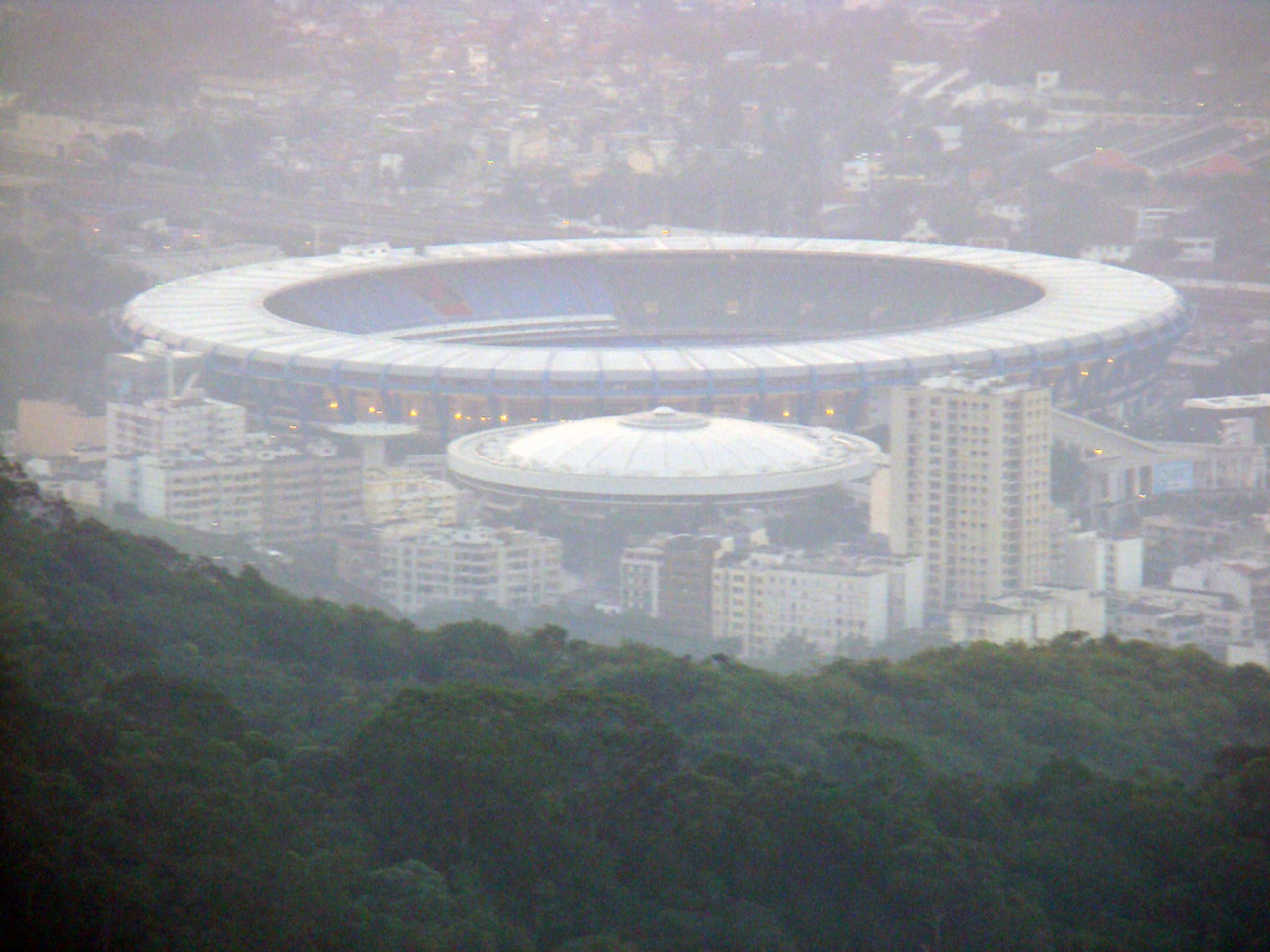
Maracanã Stadium
This iconic 78,000-seat arena has hosted two World Cup finals and remains the heartbeat of Brazilian football, where the roar of the crowd echoes through decades of legendary matches. Walking through its corridors, you'll feel the weight of history in every corner—from the hallways where Pelé once walked to the pitch where immortal moments were forged. The stadium's recent renovation has restored its grandeur while preserving the raw, passionate spirit that defines it.
Photo by Rodrigo_Soldon

Museu Nacional de Belas Artes
Housed in a stunning 1938 Beaux-Arts palace in downtown Rio, this prestigious art museum showcases Brazil's most important collection of painting and sculpture spanning from the colonial period to contemporary works. The serene galleries transport you through centuries of Brazilian artistic expression, from religious colonial masterpieces to modernist movements that shaped the nation's cultural identity. You'll find yourself wandering through intimate rooms where light pours across canvases by luminaries like Portinari and Athayde, creating moments of genuine connection with Brazil's artistic soul.
Photo by Boaventuravinicius

Museu de Arte Moderna (MAM)
Housed in a striking modernist building designed by Affonso Reidy, MAM showcases an impressive collection of Brazilian and international contemporary art spanning paintings, sculptures, and installations. The museum's rooftop garden offers sweeping views of Guanabara Bay and the surrounding landscape, creating a serene counterpoint to the thoughtful exhibitions inside. With rotating displays focused on both established and emerging artists, the space feels alive with creative energy rather than stuffy or pretentious.
Photo by Imagens AMB

Museum of Tomorrow (Museu do Amanhã)
Located at Rio's revitalized Porto Maravilha waterfront, this striking white architectural marvel explores humanity's future through interactive exhibits on science, technology, and sustainability. The museum's futuristic design by Spanish architect Santiago Calatrava mirrors the forward-thinking content inside, making it as much about the building itself as the ideas within. You'll encounter thought-provoking installations about climate change, artificial intelligence, and global citizenship that spark genuine reflection rather than passive observation.
Photo by Bruno Tamm Rabello

National Museum (MAST)
Housed in the historic São Cristóvão Palace in northern Rio, this sprawling museum guides you through Brazil's natural history and cultural heritage with extensive fossil collections, indigenous artifacts, and meteorite displays that capture millions of years of Earth's story. The palace itself, set within lush gardens, is as much an attraction as its contents, offering a serene escape from the city's bustle while revealing the country's rich past. Expect detailed Egyptian mummies, Brazilian paleontology finds, and rotating exhibitions that bridge science and art in surprisingly engaging ways.
Photo by Roy Serafin

Parque Lage
Nestled at the foot of Corcovado mountain, this enchanting 52-hectare park blends European-style manicured gardens with native Atlantic Forest, creating an oasis of calm in the heart of the city. The centerpiece neoclassical mansion now houses an art school and café, while peacocks roam freely among crystalline pools, cascading fountains, and meticulously pruned topiaries. Wander shaded pathways lined with ancient trees and discover hidden grottos, creating moments of unexpected tranquility.
Photo by Rjcastillo — CC BY-SA 4.0

Pedra da Gávea Hike
This iconic 844-meter granite monolith rising above Rio's Southern Zone offers one of the city's most rewarding hikes, culminating in sweeping views across Guanabara Bay and the Atlantic coastline. The trail winds through lush Atlantic Forest before emerging onto exposed rocky faces where cables and chains aid climbers through the most thrilling sections. From the summit, the entire Zona Sul spreads beneath your feet in a panorama that justifies every breathless step.
Photo by AlexBDP
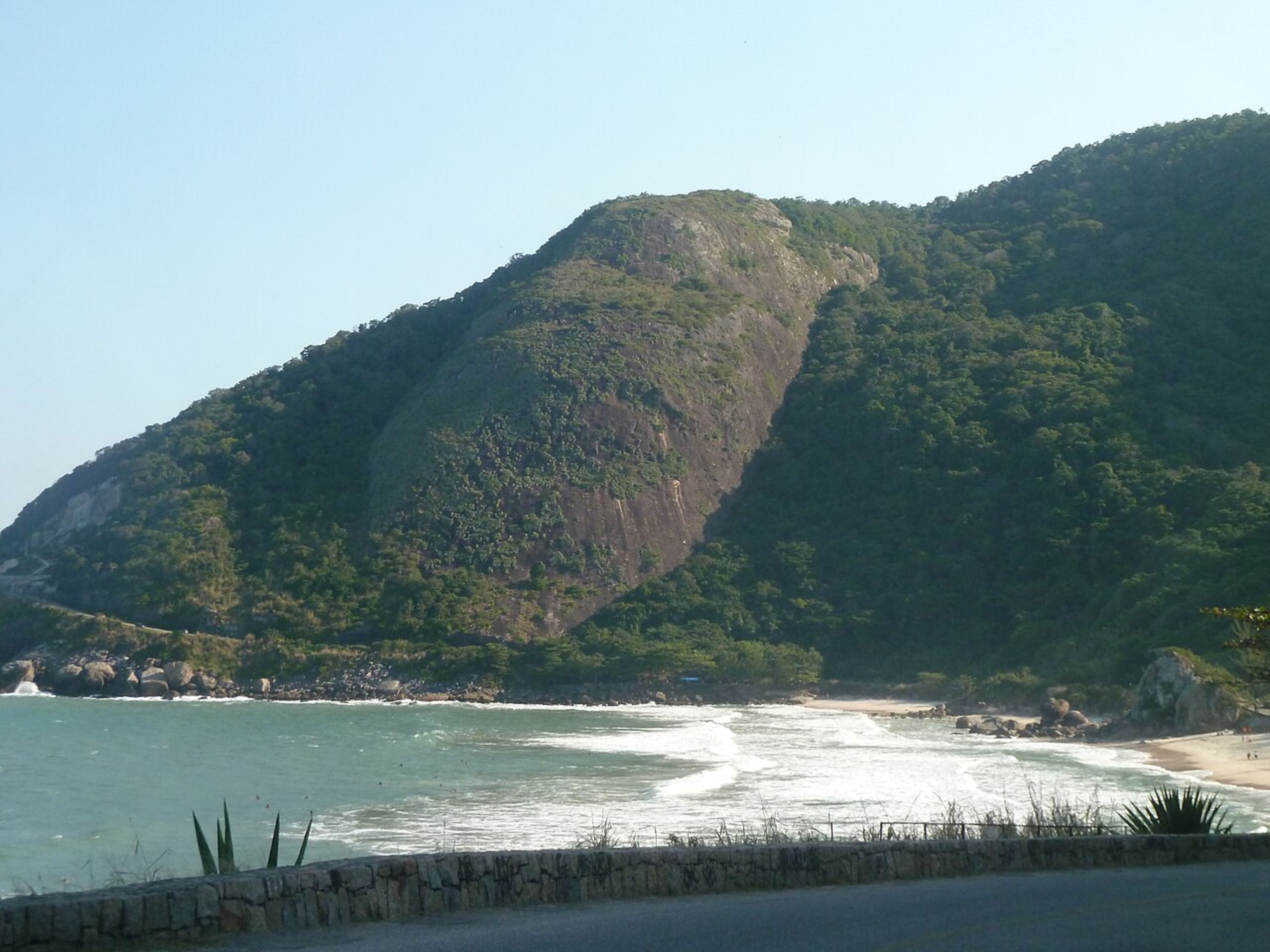
Prainha Beach
Tucked away on Rio's western coast, Prainha is a intimate crescent of golden sand framed by dramatic granite cliffs and lush Atlantic Forest vegetation, offering a refreshingly quieter escape from the city's busier beaches. The powerful waves and strong currents make it a favorite spot for experienced surfers, while the rugged natural beauty appeals to those seeking an off-the-beaten-path Rio experience. Crystal-clear waters on calm days reveal vibrant marine life, creating an underwater playground for snorkelers and divers.
Photo by Freundzehn

Rio Carnival (seasonal)
Rio's legendary Carnival transforms the city into a pulsating celebration of music, dance, and spectacle, with samba schools parading in elaborate costumes and floats at the Sambadrome. The energy spills beyond official venues into street parties called blocos, where thousands of locals and visitors dance through neighborhoods in spontaneous revelry that captures the soul of Brazilian culture. It's a sensory explosion where centuries of African, Portuguese, and indigenous traditions merge into unforgettable nights of pure joy.
Photo by Rodrigo_Soldon
Sambódromo (Carnival Venue)
This iconic 700-meter-long parade ground transforms into Rio's pulsing heart during Carnival, where samba schools compete in an electrifying spectacle of music, dance, and elaborate costumes that lasts through the night. Designed by architect Oscar Niemeyer, the Sambódromo's modernist structure creates an intimate yet grand amphitheater where over 60,000 spectators witness one of the world's most vibrant cultural celebrations. Beyond Carnival season, guided tours reveal the behind-the-scenes craftsmanship and history that makes this venue legendary among celebration enthusiasts worldwide.

Santa Teresa Neighborhood
Santa Teresa is Rio's most charming historic district, where 18th-century colonial architecture mingles with vibrant street art, hidden galleries, and bohemian cafés tucked into every corner. The neighborhood's steep, winding streets reveal surprise vistas of Guanabara Bay and the city below, while tram cars clatter past centuries-old buildings that now house artists' studios and intimate restaurants. This is where Rio's cultural heart beats strongest—a place where locals actually live, work, and create rather than simply perform for tourists.
Photo by No machine-readable author provided. Ruela~commonswiki assumed (based on copyright claims).

Sugarloaf Mountain
This iconic 396-meter granite peak rises dramatically from a peninsula at Guanabara Bay's mouth, offering 360-degree panoramas of Rio's beaches, mountains, and Christ the Redeemer statue. The historic cable car journey itself is an experience, with the first stage landing at Morro da Urca (220m) before ascending to the summit. From the top, you'll understand why Cariocas consider this viewpoint essential—the vista captures the soul of Rio in a single glance.
Photo by Breogan67

Tijuca National Park
Nestled in Rio's urban landscape, this lush Atlantic rainforest reserve offers a verdant escape with cascading waterfalls, scenic viewpoints, and the iconic Christ the Redeemer statue at its highest point. The park's network of trails winds through dense jungle, past hidden swimming holes and misty mountaintops that reveal panoramic views of the city and Guanabara Bay. With over 2,000 species of plants and diverse wildlife, Tijuca feels like stepping into an untouched wilderness just minutes from Rio's bustling streets.
Photo by 12019

Vista Chinesa (Viewpoint)
Perched high in the Tijuca Forest, this historic Chinese-inspired pavilion offers one of Rio's most breathtaking panoramic vistas, sweeping across the city, Guanabara Bay, and distant mountains. Built in the early 1900s as a whimsical addition to the forest, the ornate stone structure frames perfectly postcard-worthy views that capture Rio's dramatic geography. The peaceful hilltop setting provides a serene escape from the bustling city below, rewarded by 360-degree scenery that justifies the climb.
Photo by Levy Marchetto