
Sucre, Bolivia's constitutional capital, enchants visitors with its remarkably well-preserved colonial architecture and deeply rooted indigenous heritage. Perched at nearly 9,150 feet above sea level, this pastel-hued city pulses with intellectual and cultural energy, offering an authentic Andean experience far removed from the tourist crowds of La Paz. Wandering its steep, elegant streets reveals layers of history—from independence struggles to pre-Columbian roots—while the surrounding region showcases natural wonders that few travelers encounter.
Key Attractions
View all attractions →Bolivian Indigenous Art Museum
Housed in a beautifully restored colonial mansion in Sucre's historic center, this museum showcases an exceptional collection of textiles, ceramics, and ritual objects spanning centuries of Andean indigenous cultures. The intimate galleries create a personal connection with each piece, from intricate weavings that tell stories of highland communities to ceremonial masks that reveal spiritual traditions still alive today. Walking through these rooms feels like entering the living history of Bolivia's indigenous peoples rather than simply observing artifacts behind glass.
Casa de la Libertad (Independence Museum)
Housed in a beautifully restored 18th-century colonial mansion, this museum preserves the room where Bolivia's declaration of independence was signed on August 6, 1825, making it a sacred pilgrimage site for Bolivian history enthusiasts. The carefully curated galleries display period furniture, original documents, and portraits that transport visitors back to the pivotal moment when Upper Peru became the Republic of Bolivia. Walking through these intimate spaces, you'll feel the weight of revolutionary ideals that still echo through Bolivia's identity today.
Photo by Henry Ponce Barco
Cretaceous Park (Dinosaur Footprints)
Perched dramatically on a 70-degree angled limestone wall above Sucre, this geological wonder displays over 5,000 dinosaur footprints pressed into ancient rock face—the largest collection of its kind in the world. The site traces the movement of various creatures from the Cretaceous period across what was once a vast lake, creating an extraordinary window into prehistoric life 68 million years ago. Walking among these massive imprints while gazing over the city below offers an almost spiritual connection to Earth's deep past.

Metropolitan Cathedral of Sucre
This stunning white-washed colonial cathedral dominates Sucre's main plaza with its graceful bell towers and ornate interior, representing four centuries of Andean religious heritage. The cathedral's barrel-vaulted ceiling and golden altar create an intimate atmosphere despite its grand proportions, while the sacred art collection reflects the city's role as a cultural crossroads. Stepping inside feels like entering a living museum where local devotion and architectural splendor blend seamlessly.
Adam Jones, Ph.D., CC BY-SA 2.0, via Wikimedia Commons
Musée de la Recoleta
Housed in a beautifully preserved 16th-century Franciscan convent with whitewashed walls and peaceful courtyards, this museum showcases religious art, pre-Columbian artifacts, and ethnographic collections that tell the story of Sucre's cultural heritage. The intimate galleries wind through original monastic cells and cloisters, creating an immersive experience where art and architecture blend seamlessly. You'll discover everything from colonial paintings to indigenous textiles, all within the serene atmosphere of the mountain-perched monastery.
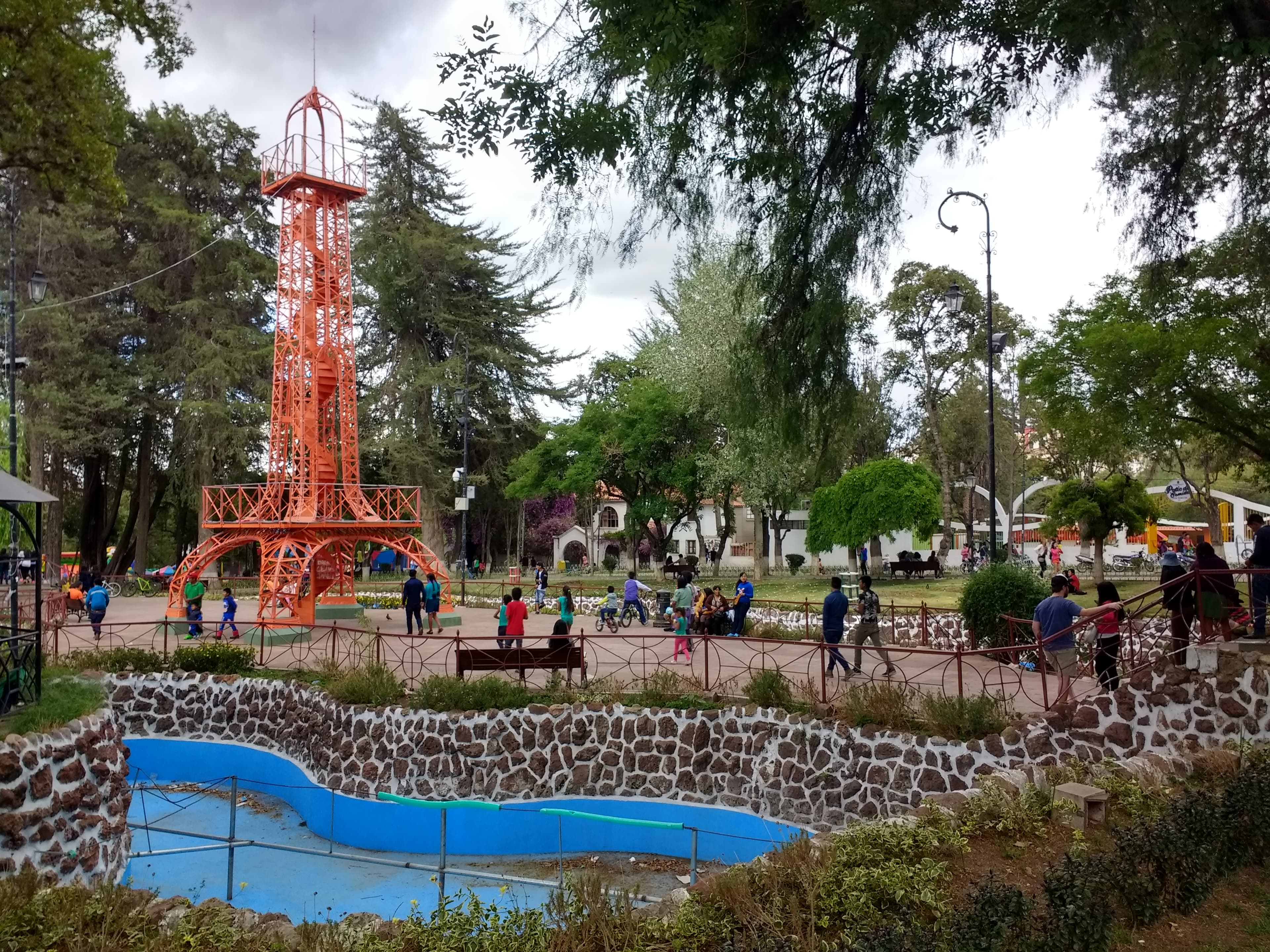
Parque Simón Bolívar
This verdant urban oasis sits at the heart of Sucre, offering locals and visitors a peaceful escape with shaded walkways, flowering gardens, and monuments honoring Bolivia's independence hero. The park's centerpiece features a striking statue of Simón Bolívar surrounded by manicured lawns and native Andean plantings that blend colonial charm with modern landscaping. It's a genuine gathering spot where you'll see families picnicking, students studying under trees, and couples enjoying quiet moments away from the city bustle.
Mx._Granger, CC0, via Wikimedia Commons

Textile Museum
Housed in a beautifully restored colonial mansion in Sucre's historic center, this intimate museum showcases extraordinary indigenous textiles from across Bolivia's highland regions, including rare pre-Columbian pieces and contemporary weaving traditions. The carefully curated collection tells stories of Andean communities through intricate patterns, natural dyes, and techniques passed down through generations. Each textile becomes a window into the spiritual beliefs and daily lives of Bolivia's diverse indigenous peoples.
Photo by Yolanda
Itineraries Here
Planning a Trip to Sucre: FAQs
When is the best time to visit Sucre?
⌄
The best time to visit Sucre is year-round.
How many days do you need in Sucre?
⌄
Plan on about 3 days to cover Sucre's highlights at a comfortable pace.
How do you get to Sucre?
⌄
Sucre is served by Juana Azurduy de Padilla International Airport, with connections primarily through La Paz or Santa Cruz. Ground transport from La Paz takes approximately 10-12 hours by bus or 1.5 hours by domestic flight. The city is also accessible by road from surrounding regions, though mountain terrain means travel times can vary.
What are the top things to do in Sucre?
⌄
Top attractions in Sucre include Bolivian Indigenous Art Museum, Casa de la Libertad (Independence Museum), Cretaceous Park (Dinosaur Footprints), Metropolitan Cathedral of Sucre and Musée de la Recoleta. Itinara lists 7 verified attractions in total.