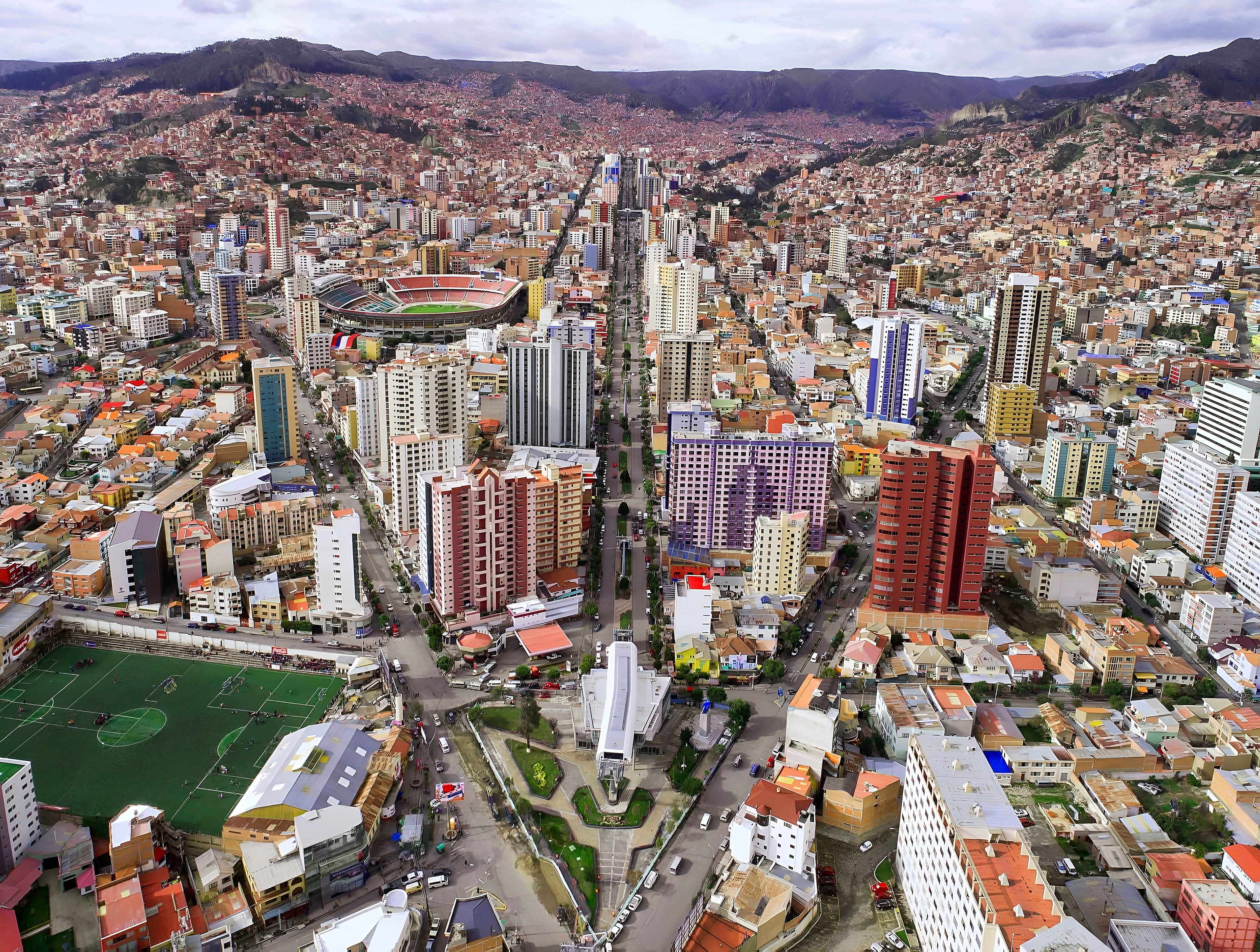
La Paz is Bolivia's pulsing governmental heart, a city that defies convention by sprawling across a dramatic canyon carved by the Choqueyapu River—a bowl-like landscape ringed by Altiplano peaks that make arrival feel like entering a hidden world. Perched at vertiginous altitude amid indigenous culture, colonial architecture, and markets thick with ritual and mystery, La Paz rewards curious travelers with encounters that blend the spiritual and the everyday in ways few cities manage. The city's modern cable car system now weaves through neighborhoods stacked impossibly on hillsides, offering both practical transit and unmatched vistas of urban geography few tourists expect to find in South America.
Key Attractions
View all attractions →Bolivian National Art Museum
Housed in a striking neoclassical mansion in central La Paz, this museum showcases Bolivia's artistic heritage from pre-Columbian times through contemporary works. The intimate collection features colonial religious art, indigenous textiles, and modern Bolivian paintings that reveal the country's rich cultural layers and artistic evolution.
Death Road Cycling (North Yungas Road)
This notorious 64-kilometer downhill mountain bike route plunges from the high Bolivian Altiplano at 4,650 meters into the cloud forests of the Yungas region, dropping nearly 3,600 meters in elevation. Once considered one of the world's most dangerous roads due to its narrow cliff-hugging paths and frequent accidents, the route has been somewhat safer since a new highway opened, though it remains an adrenaline-pumping adventure through stunning cloud forest landscapes. Riders experience dramatic weather changes and breathtaking views as they descend from barren highlands into lush, misty terrain.
Lake Titicaca (Copacabana – day/overnight)
Lake Titicaca stretches across the Bolivia-Peru border at 12,507 feet above sea level, creating a serene alpine escape where Andean traditions still shape daily life in charming Copacabana. The town itself offers a perfect base for exploring sacred islands like Isla del Sol and Isla de la Luna, where pre-Incan ruins and spiritual energy draw visitors seeking connection to this ancient landscape. Early mornings on the water reveal mist-shrouded mountains and indigenous fishing communities that have called these shores home for millennia.

Mi Teleférico (Cable Car System)
This innovative red-line cable car system transformed La Paz's urban transport while offering breathtaking vistas of the Andes and the sprawling city nestled in a dramatic mountain valley. Ride suspended above the bustling streets to experience the city's geography and energy from a thrilling new perspective. The network has expanded to multiple colored lines, each revealing different neighborhoods and mountain panoramas as you float between the clouds.
Camila Villarroel Montaño, CC BY-SA 4.0, via Wikimedia Commons
Museum of the Indigenous Cultures
This intimate museum in the heart of La Paz celebrates the rich heritage of Bolivia's indigenous peoples through thoughtfully curated textiles, ceramics, and ceremonial objects spanning centuries. The collection offers a genuine window into Aymara and Quechua cultures, with displays that feel personal rather than sterile, letting you connect with the stories behind each artifact. The museum's location in a restored colonial building adds authentic charm to your encounter with Bolivia's indigenous past.
Plaza Murillo
Named after independence hero Pedro Domingo Murillo, this historic square serves as La Paz's political and cultural heart, surrounded by the grand Cathedral Basilica and imposing government palaces. The plaza's tree-lined pathways and central monuments create an atmospheric gathering space where locals and visitors alike pause to absorb the weight of Bolivian history. Street musicians, vendors, and the constant flow of people make it feel authentically alive despite its formal governmental setting.
Tihuanaku Ruins (day trip)
Perched on the windswept Bolivian altiplano near Lake Titicaca, these haunting pre-Incan ruins reveal sophisticated stone masonry and mysterious ceremonial complexes from one of South America's oldest civilizations. The iconic Gateway of the Sun and intricate stone carvings hint at rituals and astronomical knowledge lost to time, offering a profound sense of connection to ancient Andean culture. Walking among these weathered monuments at extreme altitude feels like stepping into the region's distant past.
Uyuni Salt Flats (overnight trip)
The world's largest salt flat stretches across 10,582 square kilometers of blinding white expanse where earth and sky blur into infinity, creating one of nature's most surreal and disorienting experiences. An overnight expedition takes you deep into this alien landscape to witness an otherworldly sunset and sunrise, often accompanied by flamingos and the Andes as your only companions. The wet season transforms the flat into a massive mirror reflecting the sky, while the dry season reveals the distinctive hexagonal salt polygons that pattern the ground.
Valle de la Luna (Moon Valley)
This otherworldly badlands formation outside La Paz features towering clay spires, deep ravines, and ochre-colored ridges that glow amber and crimson under the sun, creating an almost alien landscape. The dramatically eroded geological formations have been shaped over millennia into a labyrinth of narrow passages and dramatic cliff faces that feel like walking through a natural sculpture garden. Local Aymara communities have long known this sacred place, and visiting at sunset rewards you with ethereal lighting that justifies the name.
Witches' Market (Mercado de las Brujas)
Itineraries Here
Planning a Trip to La Paz: FAQs
When is the best time to visit La Paz?
⌄
The best time to visit La Paz is fall|spring.
How many days do you need in La Paz?
⌄
Plan on about 4 days to cover La Paz's highlights at a comfortable pace.
How do you get to La Paz?
⌄
La Paz is served by El Alto International Airport (about 25 km above the city), roughly a 45-minute drive downhill to central La Paz. Major South American hubs in Lima, Santiago, and Buenos Aires offer regular connections; overland travel from Peru's Lake Titicaca region or from Argentina is also viable for those with time.
What are the top things to do in La Paz?
⌄
Top attractions in La Paz include Bolivian National Art Museum, Death Road Cycling (North Yungas Road), Lake Titicaca (Copacabana – day/overnight), Mi Teleférico (Cable Car System) and Museum of the Indigenous Cultures. Itinara lists 10 verified attractions in total.