3 DaysSolo Traveler10 Stops

La Paz, Bolivia

3-Day Itinerary for Solo Traveler

Thin Air, Deep Roots: 3 Days Alone in La Paz

Thin Air, Deep Roots: 3 Days Alone in La Paz

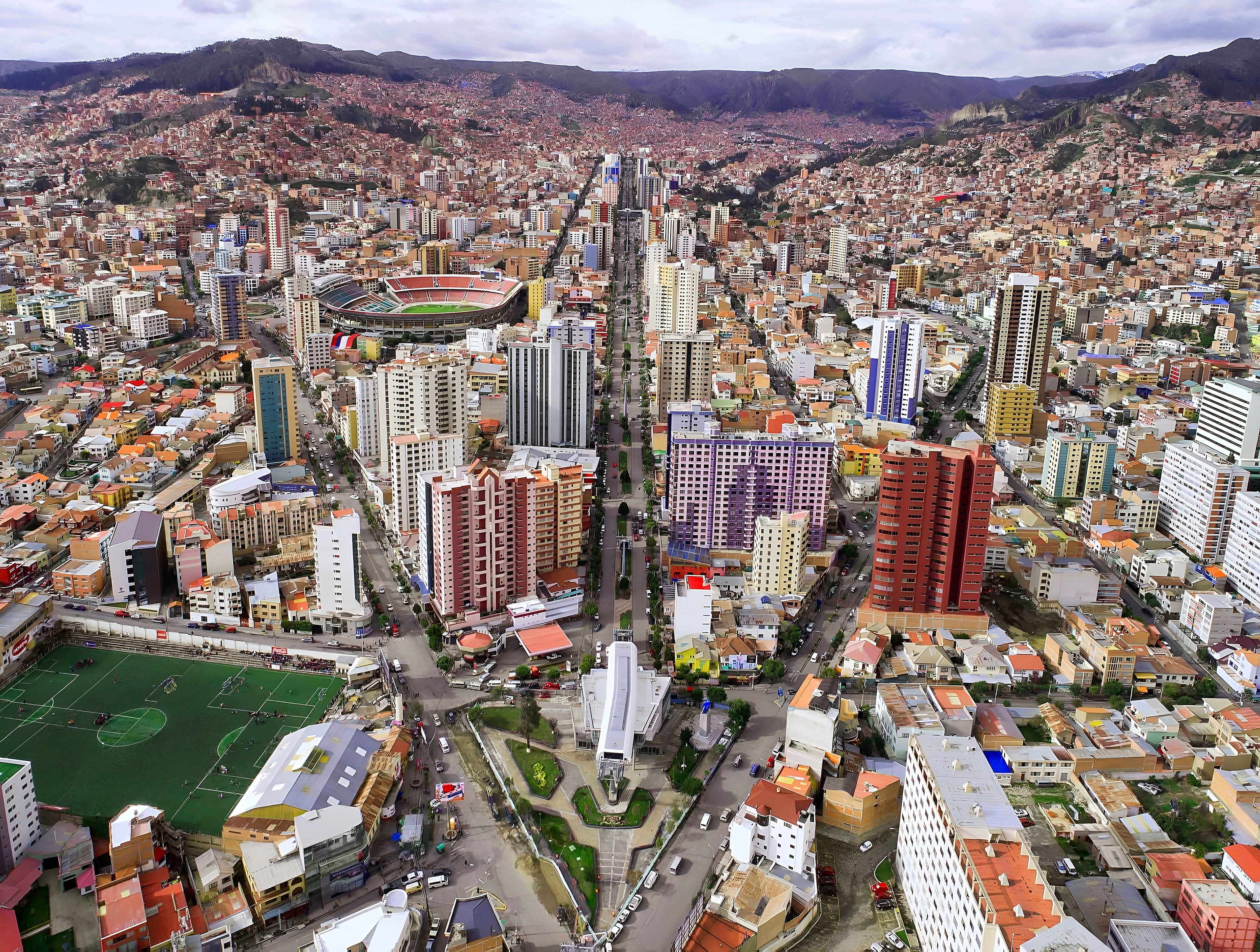
The air here is thin enough to make your heart knock against your ribs on the first flight of stairs, and the city itself seems to defy gravity, stacked into a canyon like something poured rather than built. This is a place that rewards slowness — sipping coca tea while your lungs adjust, watching cable cars glide silently over rooftops, letting the Witches' Market's incense settle into your clothes.

At a Glance

Climate & Weather
Fall (April–May, or the shoulder into the dry season) brings cooling temperatures, clear high-altitude skies, and thinning crowds; expect daytime highs around 15–18°C (59–64°F) and nights dropping near freezing. Pack thermal layers, a windproof jacket, strong sunscreen (UV is fierce at 3,600m), and a warm hat for evenings.
Getting Around
Mi Teleférico's cable car network is the most scenic and efficient way to move between elevations, complementing walkable clusters in the historic center; taxis and rideshare apps cover the rest cheaply and safely.
Budget
Budget roughly $35–55 USD per day for food and activities as a solo traveler — museum entries and cable car rides are inexpensive, and even leisurely lunches rarely exceed $10–15.
Safety
Central tourist zones like Centro and Sopocachi are safe for solo exploration in daylight; use registered taxis or rideshare apps after dark rather than walking alone through unfamiliar streets. The altitude is the real hazard here — take the first day slow, avoid alcohol on arrival, and carry water everywhere.
Connectivity
4G coverage is solid throughout central La Paz and most cable car routes; SIM cards from Entel or Tigo are cheap and easy to grab at the airport or downtown kiosks. Most cafés and hostels offer free WiFi.
Local Tips
Mornings before 9am are gold for solo travelers — markets are calmer, light is softer, and you'll dodge both altitude fatigue and afternoon crowds; coca tea (mate de coca) at your accommodation is the local, time-tested antidote to altitude headaches; hostels in San Miguel and Sopocachi often run communal dinners or pisco tastings, an easy way to meet other travelers without forcing it.

Highlights

  • Incense-thick alleys of the Witches' Market at opening hour
  • Golden-hour cable car ride over La Paz's stacked neighborhoods
  • Sunrise solitude at the eroded spires of Valle de la Luna
  • Plaza Murillo's church bells at dawn, before the government crowds arrive
  • Andean art and indigenous textiles in hushed, sunlit museum halls
  • Altitude-paced days built for acclimatization, not exhaustion

Day-by-Day Plan

Acclimatization & Old Town

Day 1: Arrival, Altitude, and the Witches' Alleys

A gentle half-day of walking (under 2 miles) through Centro's colonial core, paced deliberately slow to let your body adjust to elevation.

Wear
Layers — a thermal base, a warm mid-layer, and a windproof outer shell; comfortable walking shoes and a hat for intense midday sun.
Budget
$25-35 USD
9:00 AM - 10:30 AM
Witches' Market (Mercado de las Brujas) · morning · 90 min · Centro & Linares — Political grandeur meets mystical commerce

Copal incense curls up from clay burners as you step into these narrow colonial alleys, vendors murmuring softly in Aymara over stalls of dried llama fetuses, amber crystals, and coca leaves bundled like tiny offerings. Arrive by 9am on a weekday and you'll have space to actually look — linger over the smell of earth and resin, ask questions if a vendor catches your eye, and let your pace match the unhurried rhythm of this place rather than fighting it. Solo travelers often find this one of the easiest spots to strike up a quiet conversation, since vendors are used to curious lone wanderers.

Shoot early — the low morning light slants through the alley gaps and catches the texture of dried herbs and charms without harsh shadows.
Cobblestone alleys are uneven; go slow given the altitude, and pause often rather than pushing through breathlessness.
10 min walkA gentle downhill stroll through narrowing colonial streets, incense smell fading into cooler stone-scented air.
10:45 AM - 11:45 AM
Plaza Murillo · midday · 60 min · Centro & Linares — Political grandeur meets mystical commerce

The square opens up bright and echoing, worn stone underfoot holding centuries of footsteps, church bells occasionally cutting through the murmur of flower vendors setting up their stands. By late morning it's filling with government workers and pigeons in equal measure — find a bench, breathe deliberately (the altitude here is unforgiving on quick movements), and simply watch the theater of daily Bolivian civic life unfold around you.

The cathedral facade catches soft light late morning before the midday sun turns harsh and flat.
Flat, open plaza — easiest walking of the day, good for catching your breath.
5 min walkJust steps off the plaza — a quiet colonial doorway easy to miss if you're not looking for it.
12:15 PM - 1:30 PM
Bolivian National Art Museum · afternoon · 75 min · Centro & Linares — Political grandeur meets mystical commerce

Polished wooden floors creak softly underfoot as light pours through tall windows onto ochre walls hung with Bolivia's finest colonial and indigenous-influenced canvases. This is a low-energy, indoor stop by design — perfect after a morning of altitude-taxing walking, letting your body rest while your eyes do the wandering. Tuesday through Thursday late morning keeps it near-empty, ideal for a solo, unhurried browse.

Interior photography is often restricted — instead, capture the building's colonial facade from across the street.
Indoor, climate-controlled, with benches throughout — a good rest point if altitude fatigue is setting in.
Lunch
Tomate Café $$
Regional/Sandwich/Juices · Near Bolivian National Art Museum
Bright, casual spot with fresh juices that help with hydration at altitude — solo-friendly counter seating.
Restaurante La Paz $$
Spanish · Near Plaza Murillo
A leisurely, sit-down option if you want a proper midday meal in the unhurried local rhythm.
Dinner
La Terraza Coffee $
Cafe/Coffee · Near Plaza Murillo
Light, easy option for a low-key first night — good lighting and a relaxed vibe for solo dining.
Optional detour: Museum of the Indigenous CulturesAfter Bolivian National Art Museum and before dinner
Intricate Aymara textiles offer a deeper, more intimate cultural counterpoint to the fine art museum's grandeur. Skip if: If altitude fatigue is hitting hard, a second museum in one day risks overload — better saved for a calmer moment.
If it rains: Both museums in this cluster are indoor and rain-proof; if weather turns, extend time at the Bolivian National Art Museum or add the Museum of the Indigenous Cultures as a covered alternative.

The day begins slow and deliberate — your body is still adjusting to nearly 3,600 meters of elevation, so the Witches' Market becomes less a checklist stop and more a sensory immersion, incense and coca leaves grounding you in place while your lungs catch up. Arriving early means quiet alleys and unhurried vendors, a gentle welcome to a city that rewards patience.

From the market's mystical hush, the pace shifts to Plaza Murillo's open civic energy — bells, pigeons, flower stalls — before settling into the cool, still interior of the National Art Museum, a deliberately low-exertion stop that lets your body rest while your mind wanders through Bolivian artistic history.

With the sun dropping fast (fall's shorter days catching you off guard), an early, easy dinner at a relaxed café near the plaza rounds out day one — nothing heavy, nothing late, just a quiet settling-in before an early night to let the altitude do its work while you sleep.

Culture & Craft

Day 2: Deeper Into Centro's Layers

A culturally rich, moderately paced day (roughly 2.5 miles walking) exploring textiles, markets, and colonial architecture within the same central cluster.

Wear
Layered clothing for temperature swings between shaded alleys and sun-exposed squares; sturdy shoes for cobblestones.
Budget
$30-40 USD
9:30 AM - 10:45 AM
Museum of the Indigenous Cultures · morning · 75 min · Centro & Linares — Political grandeur meets mystical commerce

Aymara weaving patterns unfold like stories on the walls, each thread carrying ancestral ritual and memory; the adobe walls smell faintly of age and dyed wool, and the quiet here feels earned rather than imposed. Arrive by 9:30am on a weekday for near-total solitude — this is one of the best spots for slow, reflective solo travel, letting each textile hold your attention as long as it wants to.

Ask staff about photography policy for textiles — natural light near the entrance windows is often best for detail shots.
Indoor with some uneven flooring in older sections; take stairs slowly given altitude.
8 min walkA short uphill climb back through colonial streets — take it slow, the altitude makes even gentle inclines work harder.
11:15 AM - 12:15 PM
Witches' Market (Mercado de las Brujas) · midday · 60 min · Centro & Linares — Political grandeur meets mystical commerce

A return visit at a different hour reveals a different market — midday brings more vendors, more chatter, and a livelier bartering energy than yesterday's hushed morning. If you skipped buying anything the first time, this is the moment to pick up a small charm or dried herbs as a tactile souvenir, and to practice a bit of friendly haggling, a low-stakes way for solo travelers to engage locals.

Midday light is harsher here — focus close-up shots on textures (dried herbs, woven baskets) rather than wide alley shots.
Busier and more crowded at this hour; keep bags close and be mindful of narrow foot traffic.
10 min walkWeaving back through the same colonial lanes, now cast in longer shadows as the afternoon light shifts.
4:00 PM - 5:00 PM
Plaza Murillo · afternoon · 60 min · Centro & Linares — Political grandeur meets mystical commerce

Returning in late afternoon shows the plaza's quieter side — government staff have dispersed, flower vendors are winding down, and the light softens into that golden, low-angle glow fall days deliver early. It's a good spot to sit, journal, or simply people-watch as the city exhales into evening, church bells occasionally marking the hour.

5:00-6:00 PM gives soft, warm light on the cathedral facade — arrive right at the start of this window before it fades with fall's early sunset.
Flat and open — an easy, restful stop after a day of walking.
Lunch
Pollos Cochabamba $
Chicken · Near Witches' Market
Casual, no-frills local joint near the market cluster — good for a quick, hearty midday meal without ceremony.
Cafe Royal $$
Cafe/Coffee · Near Museum of the Indigenous Cultures
Relaxed café atmosphere good for solo diners wanting a slower midday pause with people-watching.
Dinner
BigBos $$
Burger · Near Plaza Murillo
Casual, bar-adjacent seating good for solo diners — an easy, low-key dinner near the plaza.
Tucumanas El Prado $
Regional · Near Plaza Murillo
Local specialty spot worth trying for an authentic, unfussy taste of regional street food classics.
Optional detour: Bolivian National Art MuseumAfter Witches' Market and before Plaza Murillo (afternoon)
A second, shorter visit could deepen appreciation if you rushed through it on Day 1. Skip if: Two museum-adjacent cultural stops back-to-back risks fatigue — better to let today breathe with markets and open squares instead.
If it rains: If rain arrives, retreat into the Bolivian National Art Museum or the Museum of the Indigenous Cultures — both offer full afternoons of covered, low-exertion cultural immersion.

Day two opens with a slower, more intimate cultural stop — the Museum of the Indigenous Cultures, where woven textiles hold centuries of Aymara tradition in hushed, adobe-walled rooms perfect for unhurried solo reflection before the city fully wakes.

From textiles to trade, the day shifts back into the Witches' Market's livelier midday energy, then eases into a return visit to Plaza Murillo as the light turns golden and the pace of government life winds down — a full-circle day within the same historic cluster.

Dinner stays close and casual, whether at a relaxed burger spot or a stall serving tucumanas, both offering the kind of unpretentious, solo-friendly seating where conversation with strangers happens easily if you're open to it — an early night again recommended as your body continues acclimatizing.

Elevation & Landscape

Day 3: Sky Rails and Alien Ground

A moderately active, view-driven day (around 3 miles walking including uneven terrain) riding the cable car system out to the otherworldly Valle de la Luna.

Wear
Sun protection is critical here — hat, sunglasses, high-SPF sunscreen, plus a warm layer for the cable car's open-air chill and cooling evening temperatures.
Budget
$20-30 USD
9:30 AM - 10:30 AM
Mi Teleférico (Cable Car System) · morning · 60 min · Mi Teleférico & Valle de la Luna — Vertigo and alien landscape

Stepping into the cabin, La Paz reveals itself as pure vertical improbability — neighborhoods stacked and tumbling down canyon walls, the whole sprawl suddenly readable from above in a way no street-level walk could offer. Ride mid-morning to avoid the 7-9am commuter crush, letting the cable hum and gentle sway become almost meditative as the city murmurs distantly below — a quietly thrilling, low-exertion experience well-suited to solo travelers still finding their altitude legs.

Mi Teleférico (Cable Car System)
Camila Villarroel Montaño, CC BY-SA 4.0, via Wikimedia Commons
Sit or stand on the side facing the canyon's widest sprawl for the most dramatic wide shots of stacked neighborhoods.
Minimal walking required — cabins are accessible and the ride itself is seated or standing with rails.
35 min driveA taxi or shared minibus winds through the southern outskirts of the city, buildings thinning into dry, dust-colored hills.
11:15 AM - 1:00 PM
Valle de la Luna (Moon Valley) · midday · 105 min · Mi Teleférico & Valle de la Luna — Vertigo and alien landscape

Clay spires and wind-carved canyons stretch out in improbable Martian hues, the sun relentless with zero shade, wind hissing through the eroded formations and kicking up fine mineral dust. Arriving before the 4-5:30pm golden-hour crowds means near-solitude among these otherworldly shapes — bring water, reapply sunscreen, and take the marked walking trail slowly, both for the terrain and the altitude's lingering effects on breath and pace.

Midday sun is harsh but the formations photograph dramatically in black and white; for color richness, an early morning visit around 7-9am is unmatched if your schedule allows a swap.
Uneven, rocky trail with some elevation changes — sturdy shoes essential, and pace yourself given the altitude and sun exposure.
Lunch
Restaurant Mayas $$
Local · Near Mi Teleférico
Convenient, local sit-down option near the cable car route — a good refuel before or after Valle de la Luna's exposed heat.
Pizzeria Picaso $$
Pizza · Near Mi Teleférico
Casual, familiar comfort food if you want something simple after a dusty, sun-exposed morning at the valley.
Dinner
Pollos Ximena $
Chicken · Near Mi Teleférico
Unfussy, local favorite near the cable car station — easy solo seating and a hearty way to close out the trip.
Pollos La Chinita $
Chicken · Near Mi Teleférico
Another solid, casual local option if Ximena is crowded — good for a relaxed final night.
Optional detour: Mi Teleférico (Cable Car System)After Valle de la Luna and before dinner
A second, golden-hour cable car ride back (4-5:30pm window) offers stunning sunset light over the canyon city — a memorable, low-effort finale. Skip if: If energy is flagging after the sun-exposed valley visit, skip the return scenic ride and head straight to an early, restful dinner instead.
If it rains: Valle de la Luna's trail becomes slippery and less enjoyable in rain; if weather turns, consider substituting an extended, unhurried cable car exploration of multiple lines as a covered, low-exertion alternative for city views.

The final day trades colonial alleys for open sky, boarding the Mi Teleférico mid-morning as the cabin lifts you above La Paz's impossible vertical sprawl — a gentle, low-exertion way to see the city's geography laid bare before the more physically active stop ahead.

A short drive south delivers you into Valle de la Luna's alien terrain, all wind-carved clay spires and relentless sun; arriving before the golden-hour crowds means space to wander the marked trail slowly, camera ready, pacing your breath against both the heat and the altitude.

With fall's early sunset closing the day quickly, an easy, casual dinner near the cable car station — simple, local, unhurried — offers a fitting last note: no rush, no ceremony, just the quiet satisfaction of three days spent letting La Paz's altitude and rhythm set the pace rather than fighting against it.

Want to tweak this trip?

Our AI planner can customize this itinerary to your exact dates, interests, and travel style.

Customize This Itinerary
Good to Know

Restaurant details (hours, menus, availability) change frequently. Check current hours before visiting, especially in seasonal destinations.

Dietary compatibility tags are general guidance. If you have severe allergies, confirm directly with the restaurant.

Travel tips are general guidance, not professional safety advice. Check government advisories for latest information.

All prices are approximate and may vary seasonally.

We use cookies to improve your experience and analyze site usage. Essential cookies are always active. You can customize your preferences or accept all cookies. Cookie Policy