Mount Kilimanjaro, Tanzania
3-Day Itinerary for Solo Traveler
“Foothills & First Light: 3 Days Around Kilimanjaro”
The clock tower in Moshi keeps time for a town that doesn't rush, even as it stares up at Africa's tallest mountain every single day. This is the itinerary for travelers who want to feel Kilimanjaro's gravity without committing to a summit — market smells, coffee smoke, volcanic soil underfoot, and a peak that appears and vanishes behind clouds like it's testing your patience.
At a Glance
Highlights
- Sunrise views of Kilimanjaro's snowcap before the clouds swallow it
- Moshi's clock tower market at its loudest, most alive hour
- Hands-on coffee processing on a working Chagga plantation
- Fireside stories and volcanic soil in a Chagga mountain village
- Solo-friendly communal dining where conversation happens easily
- Fall's thinning crowds mean quieter trails and market stalls
Day-by-Day Plan
Day 1: Settling Into Moshi's Rhythm
A gentle first day easing into Moshi's market energy and clock-tower pulse, with minimal walking (under 2 miles) and low cognitive load to offset travel fatigue.
The clock tower's chimes cut through overlapping vendor calls as the market stirs into its late-morning rhythm — avocados, roasted maize, and the low thrum of bartering fill the air. By this hour the 6-9am rush has thinned, giving you room to wander stalls at an easy pace, greet vendors, and get your bearings without being swept along by crowds. Solo travelers find this an easy place to strike up conversation — vendors are used to chatting with newcomers, and there's no pressure to buy.
The market and surrounding streets quiet down considerably in the 2-5pm window, making this the ideal time to slow-walk the side streets beyond the main square — tailor shops, small hardware stalls, and neighbors calling greetings across the road. It's a good stretch for people-watching and letting jet lag settle without demanding much of you physically or mentally.
Moshi wakes up loud and unhurried at once — the clock tower chimes over a market already in motion, but by mid-morning the frantic 6am rush has eased into something more conversational. This is the day to move slowly, let the mountain town's energy wash over you, and resist the urge to overplan. Solo travelers will find vendors eager to chat, and there's no better way to shake off jet lag than wandering with no fixed itinerary.
As the market thins out in the early afternoon heat, the pace shifts from bustling to contemplative. Side streets away from the main square reveal a quieter Moshi — tailor shops, murmured greetings, kids walking home from school. This is intentionally light: a chance to acclimate physically and mentally before the more active days ahead.
As dusk settles, Moshi's evening rhythm turns moderately busy again between 6 and 8pm, with the clock tower silhouetted against a darkening sky and Kilimanjaro's outline sometimes visible if the clouds cooperate. Keep the evening low-key — an early night sets you up well for tomorrow's more active foothill exploration.
Day 2: Coffee, Soil, and Chagga Stories
A half-day coffee plantation tour followed by an afternoon Chagga cultural visit, covering roughly 3-4 miles of gentle walking through agricultural foothill terrain.
Arrive by 8:30am and you'll beat the midday crowds that build up later in the season — though fall's thinning visitor numbers mean this is rarely packed regardless. Walk the rows of coffee shrubs with a farmer-guide, hands sorting ripe cherries, the smell of roasting beans drifting from a nearby fire pit. It's hands-on: you'll likely get to pulp, dry, and even hand-grind a batch yourself, a tactile experience solo travelers often say becomes the most memorable hour of their trip.
The afternoon window (1-5pm) tends to be quieter than the busy 8-10am morning tour slot, giving a more relaxed, personal visit. Smoke curls from cooking fires as a grandmother's hands move through traditional weaving, children's voices echo across the square, and the volcanic soil is dark and rich beneath your feet. Guides share Chagga history and mountain folklore in a setting built for conversation — an easy, welcoming stop for solo travelers looking to connect rather than just observe.
The foothills feel like a different world from Moshi's market bustle — greener, steeper, quieter. Coffee plantation tours here are tactile and unhurried, letting you get your hands into the soil and the roasting fire alike. Fall's cooling temperatures make the morning walk through the rows genuinely pleasant rather than sweaty, and the thinning crowds mean more one-on-one time with your guide.
The shift from plantation to village brings a change in pace and tone — from agricultural process to lived-in community. Smoke, soil, weaving hands, and children's laughter replace the more solitary rhythm of the coffee rows. It's a good contrast for the day: active-but-social morning, warm-and-conversational afternoon.
By the time you're driving back toward Moshi, the light is dropping fast — fall's shorter days mean sunset arrives earlier than you might expect, so plan the return trip before dusk fully sets in. Settle into the evening quietly; foothill days are more physically demanding than they first appear.
Day 3: Kilimanjaro's Edge, Without the Climb
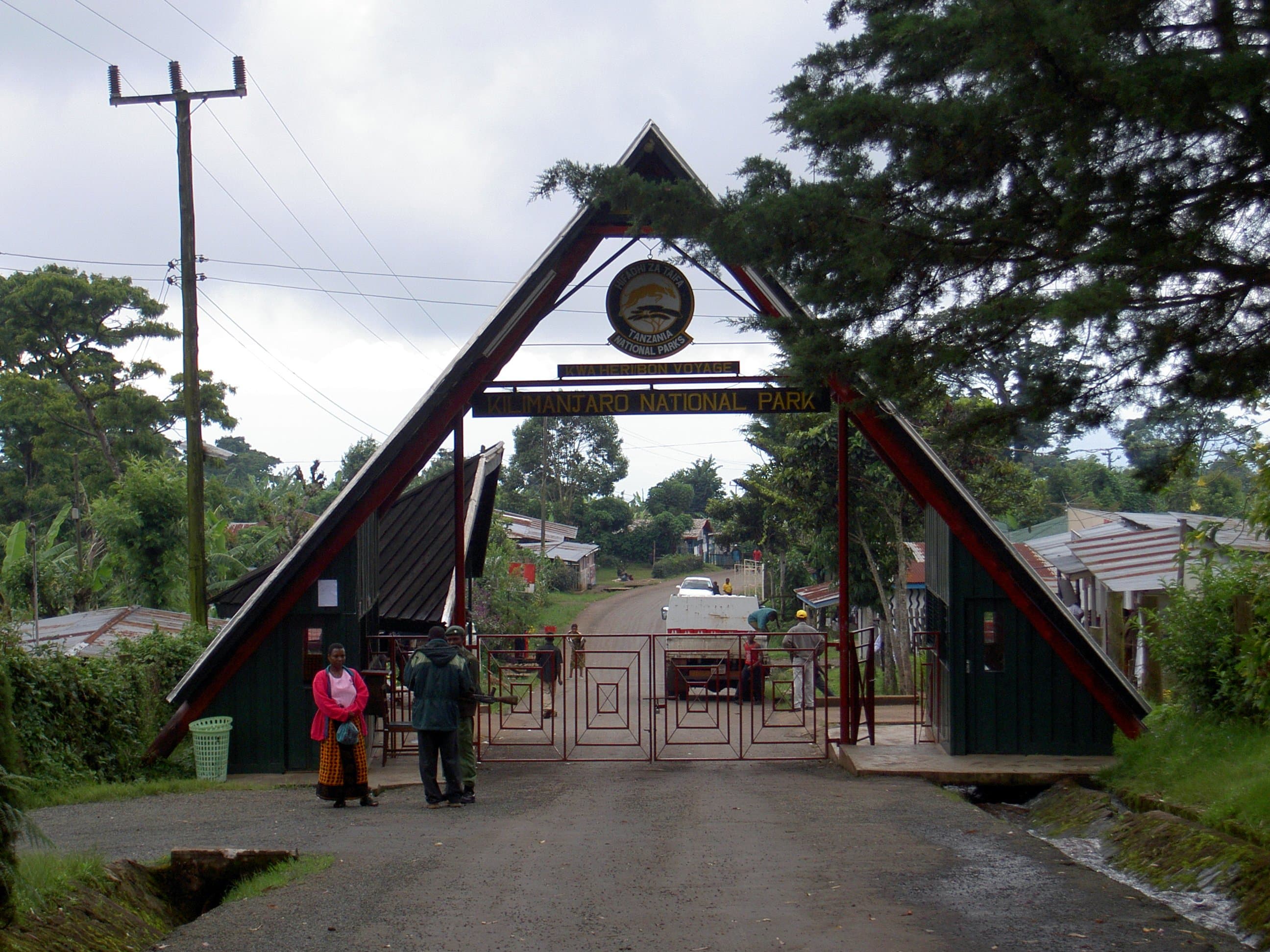
A lighter final day with an early foothill viewpoint visit near the national park boundary and a relaxed return to Moshi, covering roughly 2-3 miles of walking.
Arrive by 7:00am and the transition from tropical moisture to crisp alpine air happens almost the moment you step out of the vehicle — bird song gives way to wind, and if the clouds haven't rolled in yet, Kilimanjaro's glacier cap glares white against a still-soft morning sky. This visit stays at the park's lower boundary rather than the climbing trails themselves, ideal for solo travelers who want mountain proximity without gear or permits. Off-season crowds here are minimal, often fewer than a handful of other visitors at this hour.
Back in Moshi, the market's midday lull offers a calm, unhurried final wander — a chance to pick up any last souvenirs or simply sit near the clock tower and watch the town's steady rhythm one more time before departure. It's a gentle bookend to the trip, low physical demand and high on reflective atmosphere.
The earliest start of the trip pays off here — cool air, clear light, and the chance to see Kilimanjaro's summit before clouds inevitably gather later in the day. It's a fitting way to close out the trip: close enough to feel the mountain's scale, without needing crampons or permits to do it.
The drive back to Moshi feels different now — familiar streets, the clock tower a known landmark rather than a new curiosity. This is the day's natural wind-down, low-key and reflective, giving space to process three days spent circling one of the world's most singular mountains.
With travel logistics likely occupying the later hours — packing, final confirmations, an early departure tomorrow — keep the evening simple and unhurried. Fall's shorter days mean darkness falls early, a natural cue to settle in, rest, and let the trip's sensory details (coffee smoke, volcanic soil, market chatter, mountain glare) settle before departure.
Want to tweak this trip?
Our AI planner can customize this itinerary to your exact dates, interests, and travel style.
Customize This ItineraryRestaurant and dining details change frequently, and specific verified venue data was limited for this itinerary — confirm current options with your guesthouse or local guide before each meal.
Dietary compatibility tags are general guidance. If you have severe allergies, confirm directly with tour operators or lodging staff regarding food preparation.
Travel tips are general guidance, not professional safety advice. Check current government advisories and consult a licensed guide operator before any mountain activity.
All prices are approximate and may vary seasonally.
