Mount Kilimanjaro, Tanzania
4-Day Itinerary for Young Families
“Foothills, Not Summits: A Family Week Below Kilimanjaro”
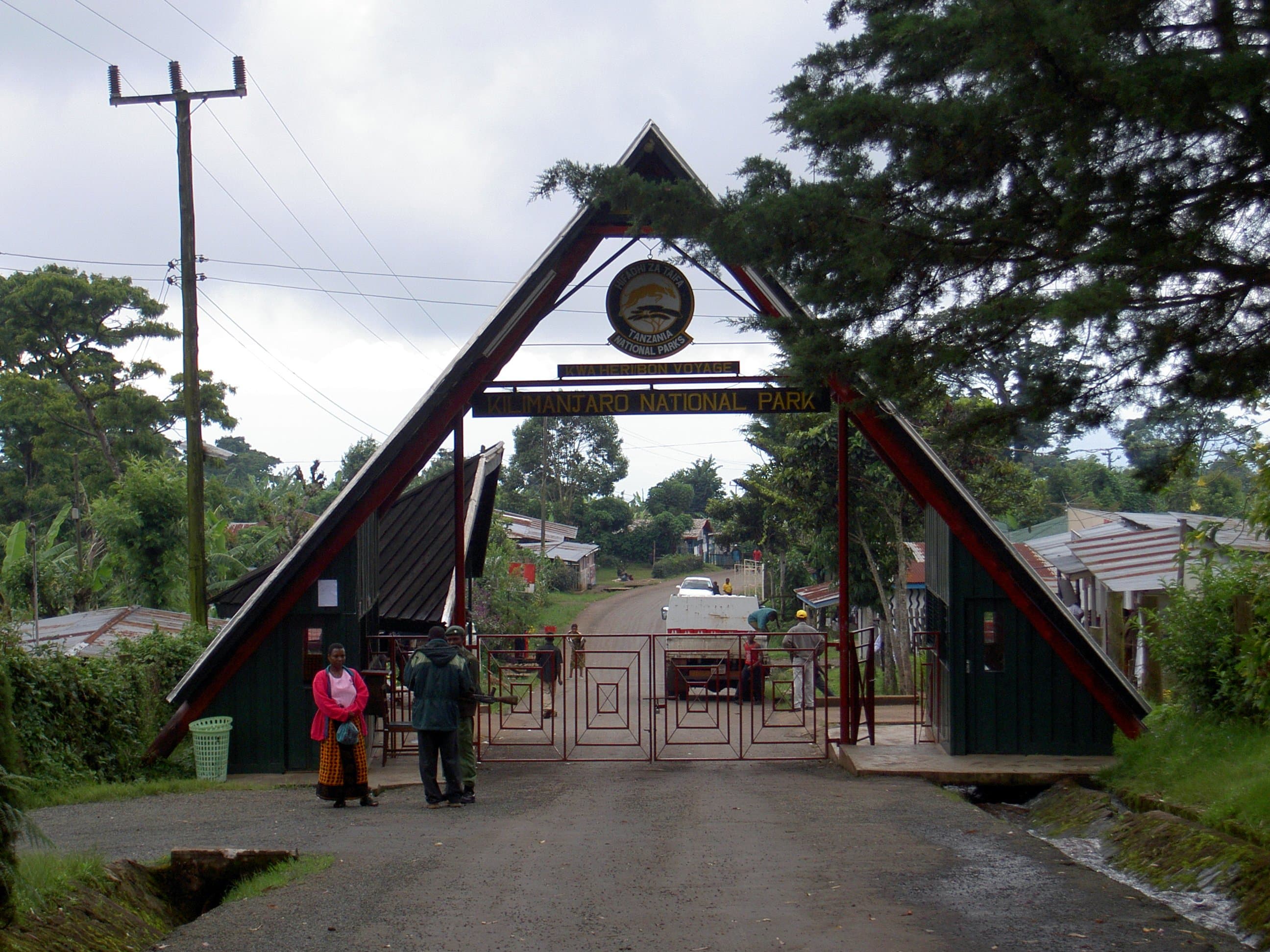
Kilimanjaro's snowy crown gets all the postcards, but the real welcome happens lower down — in Moshi's market chatter, on red-dirt paths between banana groves, and in Chagga kitchens where smoke curls from cooking fires older than the coffee trees around them. This itinerary keeps little legs happy and naps intact while still letting the whole family feel the mountain's gravity from a respectful, stroller-friendly distance.
At a Glance
Highlights
- Clock tower mornings in Moshi's market
- Avocado-scented wandering through town stalls
- Chagga village visits with grandmothers weaving
- Coffee farm walks shaded by banana leaves
- Kilimanjaro's snowcap glimpsed from safe, flat ground
- Firelight storytelling in mountain villages
- Relaxed pacing built around nap time
Day-by-Day Plan
Day 1: Settling In: Clock Towers and Avocado Air
A gentle half-day easing into Moshi's rhythms with under a mile of easy walking and plenty of shade breaks.
Arrive early enough and Moshi feels almost hushed — just the clock tower's chimes, a few vendors stacking avocados into pyramids, and the smell of roasting maize drifting from a corner stall. Kids can count the different fruits at the market stalls or watch tailors work old-fashioned sewing machines under awnings; it's sensory without being overwhelming, and there's always a shaded bench nearby for a stroller pause. By 9am the market fills in fast, so this early window is the sweet spot for families.
The first morning is intentionally unhurried: a slow walk into Moshi town while the market is just waking up, clock tower chimes marking time overhead, and the scent of avocados and fresh bread threading through the air. This is jet-lag-friendly pacing — no big asks, just letting the family's eyes and ears adjust to a new rhythm.
Head back to the hotel for the nap window between 2-3pm; older kids can rest or do quiet play while younger ones nap, and parents get a breather before an easy, low-key evening.
Dinner stays simple and early, wrapping up well before 6:30pm — a good night to let the day's newness settle before venturing further into the foothills tomorrow.
Day 2: Coffee Trees and Small Hands
A half-day exploring a coffee plantation at toddler pace, with shaded paths and hands-on moments, totaling under a mile of walking.
Banana leaves arch overhead like green umbrellas, and the plantation smells of damp earth and faint roasted coffee even before beans are near a fire. Guides here are used to families — kids can pick a ripe coffee cherry, feel its papery skin, and watch (from a safe distance) as beans are pounded by hand. It's tactile, unhurried, and short enough that little legs won't tire before curiosity does.
Late morning brings the family into banana-shaded coffee rows, where the pace is slow enough for small hands to touch cherry-red coffee fruit and watch beans being sorted the traditional way. It's a gentle sensory lesson dressed up as an adventure.
Head back toward Moshi in time for the 2-3pm nap window — the drive itself, with cooler mountain air through open windows, often does half the job of settling little ones down.
An early, easy dinner near the hotel closes the day, giving everyone a chance to talk about coffee cherries and banana leaves before lights-out.
Day 3: Firesmoke and Family Welcome
A relaxed cultural half-day in a Chagga village, with under a mile of flat walking and built-in rest breaks.
Smoke curls lazily from cooking fires as the village square hums with children's voices — a rhythm kids will recognize instantly, even from across a language gap. A grandmother's hands move deftly through a weaving pattern, and most guides invite young visitors to try grinding maize or weaving a simple strand themselves. The volcanic soil underfoot is soft and dark, and there's usually a shaded gathering spot to rest if little legs need a break.
The village square becomes the morning's classroom: fire smoke, laughter, and a grandmother's steady hands at a loom. Kids are welcomed into small tasks — grinding, weaving, maybe a simple game — that make the cultural exchange feel like play rather than a lecture.
The drive back down gives everyone a chance to doze through the nap window, mountain slopes sliding past the windows in soft afternoon light.
Dinner stays low-key and early again, giving the family space to talk through the morning's new sights — cooking fires, woven patterns, the mountain glimpsed from the road — before an unhurried bedtime.
Day 4: Last Light in Moshi
A short, easy final morning back in Moshi town before departure, with minimal walking and flexible pacing.
A final loop through Moshi's market square feels different now — familiar sounds, a favorite fruit stall to revisit, maybe a small souvenir for the kids to carry home. Arriving by 8am keeps the crowds light and the pace slow, perfect for a last unhurried look at the town that welcomed the family in on Day 1.
The last morning is deliberately quiet — a slow, familiar walk through Moshi's market, picking up a final treat or small gift, and letting the mountain town's energy settle into memory rather than rushing toward one more big activity.
Afternoon is left open for packing, a final rest, and transfer logistics — no new stops, just space to breathe before departure.
Any evening flight or onward travel departs with the family already wound down from a gentle final day, no late activities competing with the 6:30pm dinner cutoff.
Want to tweak this trip?
Our AI planner can customize this itinerary to your exact dates, interests, and travel style.
Customize This ItineraryRestaurant details (hours, menus, availability) change frequently. Check current hours before visiting, especially in seasonal destinations.
Dietary compatibility tags are general guidance. If you have severe allergies, confirm directly with the restaurant.
Travel tips are general guidance, not professional safety advice. Check government advisories for latest information.
All prices are approximate and may vary seasonally.
