2 DaysSolo Traveler7 Stops

Denali NP (Eielson Visitor Center, Denali Wilderness), Alaska

2-Day Itinerary for Solo Traveler

β€œTundra Light and Wild Horizons: Two Days at Denali's Edge”
Tundra Light and Wild Horizons: Two Days at Denali's Edge

The road into Denali doesn't announce itself with grandeur right away β€” it builds, mile by mile, from spruce shadow to open tundra until suddenly the whole sky tips open and there's Denali, impossibly huge, impossibly close. Spring here means mud-slicked trails, wildflowers pushing through old snow, and a hush over the park before summer's crowds arrive. Come with layers, patience, and binoculars β€” the wilderness does not perform on schedule.

At a Glance

Climate & Weather
Spring in Denali (May into early June) brings mild but unpredictable temperatures, typically ranging from the high 30sΒ°F at night to the upper 50sΒ°F by afternoon, with sudden rain, wind, and even late snow possible. Wildflowers begin to bloom on the tundra and daylight stretches long. Pack waterproof layers, a insulated mid-layer, sturdy waterproof boots, and gloves β€” conditions can shift within an hour.
Getting Around
Private vehicles are restricted beyond Mile 15 of the Park Road, so the shuttle bus system is your main mode of travel to Eielson (Mile 66) and beyond. Buses run on a flexible hop-on/hop-off model in shoulder season with reduced frequency β€” check current schedules at the Wilderness Access Center. Expect a bumpy, scenic, multi-hour ride with wildlife stops along the way.
Budget
Budget roughly $60–$100 per day for a solo traveler, covering shuttle fares, modest lodge meals, snacks, and incidental gear rental β€” park entrance and shuttle tickets are the main planned costs, with dining options limited and priced for a captive audience.
Safety
Solo travelers should register trip plans with a ranger station before any off-trail hiking, carry bear spray and know how to use it, and maintain at least 300 yards from bears and 25 yards from other wildlife. Cell service is virtually nonexistent past the entrance, so download offline maps and tell someone your shuttle schedule. Weather can turn severe fast β€” always carry rain gear even on clear mornings.
Connectivity
Cell coverage is essentially nonexistent beyond the park entrance and spotty even at Denali Village. Visitor centers may have limited WiFi. Download maps, shuttle schedules, and any entertainment offline before departing civilization.
Local Tips
Book shuttle tickets as early as possible β€” shoulder season has fewer departures, and early-morning buses fill first with photographers and wildlife watchers chasing better light and quieter trails. Layer clothing you can add or shed quickly, since temperatures swing dramatically between sunny ridgelines and shaded river valleys. Strike up conversation on the shuttle β€” fellow solo travelers and rangers are often the best source of real-time wildlife sightings.

Highlights

  • Dawn shuttle departure into the heart of the park road before the crowds wake
  • Turquoise glacial melt roaring through Savage River valley
  • Grizzlies and caribou spotted from the Eielson Visitor Center deck
  • Standing at the edge of the Muldrow Glacier's ancient ice
  • Golden-hour light raking across Sable Pass tundra
  • Solo-friendly shuttle camaraderie β€” strangers united by a shared hope for bear sightings
  • Unbroken views of North America's tallest peak, weather permitting

Day-by-Day Plan

Orientation and Riverside Wilderness

Day 1: Arrival and the River's Welcome

A gentler first day easing into the park's rhythm with a moderate riverside walk and early visitor-center orientation, covering roughly 2–3 miles of mostly flat terrain.

Wear
Waterproof hiking boots, moisture-wicking base layer, insulated mid-layer, packable rain shell, warm hat and gloves for morning chill.
Budget
$70 (shuttle pass, light lodge meal, snacks, minor gear rental)
7:30 AM - 8:15 AM
Savage River Β· morning Β· 45 min Β· Savage River Valley

Arrive on the first shuttle run and the valley is still mostly yours β€” icy meltwater roars turquoise over smooth stones, and the only other sound is wind combing through tundra grass. This gentle loop is an easy way to shake off travel fatigue while still feeling fully immersed in the wild, and the early light turns the glacial water an almost unreal shade of blue-green.

Savage River
Charles Roscoe Savage / wikimedia (Public domain)
Shoot from the north bank pullout around 7:45 AM when low sun rakes across the water for maximum color saturation.
Trail is uneven gravel with no paved sections; sturdy footwear essential, limited bench seating.
90 min transit β€” Shuttle bus winding along the park road, stopping whenever wildlife appears β€” expect the driver to cut the engine for a distant caribou.
10:00 AM - 12:00 PM
Eielson Visitor Center (bears, caribou) Β· midday Β· 120 min Β· Eielson Visitor Center Corridor

By the time the shuttle winds its way to Mile 66, the visitor center hums with quiet anticipation β€” binoculars raised at the windows, rangers pointing out distant specks on the hillside that might be grizzlies. The observation deck delivers an unobstructed view of Denali when skies cooperate, and the interior exhibits offer a good orientation to the ecosystem before venturing further into the wilderness corridor.

Eielson Visitor Center (bears, caribou)
Ali Kazal / pexels (Pexels License)
The east-facing exterior overlook catches dawn light across the tundra; by late morning, shoot from the observation deck for the widest Denali framing.
Fully wheelchair accessible interior with frequent benches; outdoor deck has limited accessible routes.
5 min walk β€” Short walk from the visitor center deck along a flat gravel path toward the ridge overlook.
1:00 PM - 2:30 PM
Eielson Visitor Center Wildlife Viewing Β· afternoon Β· 90 min Β· Denali Wilderness & Muldrow Glacier

After lunch, step just beyond the visitor center to the ridge overlook where the crowds thin and the valley opens into something closer to silence. This is prime solo-traveler territory β€” strike up conversation with fellow wildlife watchers scanning the same slopes, swap sighting notes, and let the scale of the Alaska Range recalibrate your sense of distance.
Eielson Visitor Center Wildlife Viewing
Photo by Frans van Heerden on Pexels
Golden hour light (6–8 PM in spring) is ideal, but midday visits still offer strong contrast between snow-capped peaks and green tundra.
Flat path with frequent benches; fully wheelchair accessible.
Optional detour: Caribou Migration Route Trail β€” After Eielson Visitor Center Wildlife Viewing and before returning via shuttle
Offers a chance to spot migrating caribou herds against dramatic tundra backdrops, a rare and primal spectacle. Skip if: Migration activity is typically lighter in spring than late summer, and the exposed terrain demands extra time and rain gear that may not pay off.
If it rains: If rain or fog rolls in, retreat to the Eielson Visitor Center interior β€” the large windows keep the landscape in view while exhibits on glacier geology and wildlife ecology fill the time productively. Wildlife often becomes more active in light rain, so don't fully write off the day.

The first shuttle out feels almost conspiratorial β€” a handful of early risers sharing coffee thermoses and quiet excitement as the bus rumbles toward Savage River. The valley greets you with roaring glacial melt and crisp subarctic air, the kind of cold that sharpens attention rather than numbing it. This is an easy, grounding way to begin, letting the body adjust to altitude and the mind adjust to scale before the deeper wilderness asks more of you.

Midday brings the shuttle into Eielson's orbit, where the visitor center buzzes with hushed excitement over distant wildlife sightings. After a light lunch, the short walk to the ridge overlook rewards patience β€” fewer people, more silence, and a real chance at conversation with fellow solo travelers equally transfixed by the horizon. The afternoon light softens the peaks into something almost painterly.

As the shuttle carries you back toward the park entrance, the tundra catches the long spring evening light, turning gold and rust. Dinner options near the entrance corridor are modest, so plan to eat at whatever lodge or village establishment is available, keeping expectations simple β€” this is a landscape that feeds the senses more than the stomach. Rest early; tomorrow's day reaches deeper into the wilderness.

Glacial Wilderness and Wildlife Pursuit

Day 2: Into the Glacier's Shadow

A fuller wilderness day venturing into the Denali Wilderness and Muldrow Glacier zone with glacier viewing, bear-watching, and an extended shuttle tour, covering up to 4–5 miles of varied terrain.

Wear
Full waterproof layering system, insulated gloves, warm hat, sturdy broken-in hiking boots, sunglasses for glacier glare, and a daypack with extra layers for rapid weather shifts.
Budget
$90 (extended shuttle fare, trail snacks, modest lodge dinner)
7:00 AM - 10:00 AM
Denali (Muldrow Glacier) Β· morning Β· 180 min Β· Denali Wilderness & Muldrow Glacier

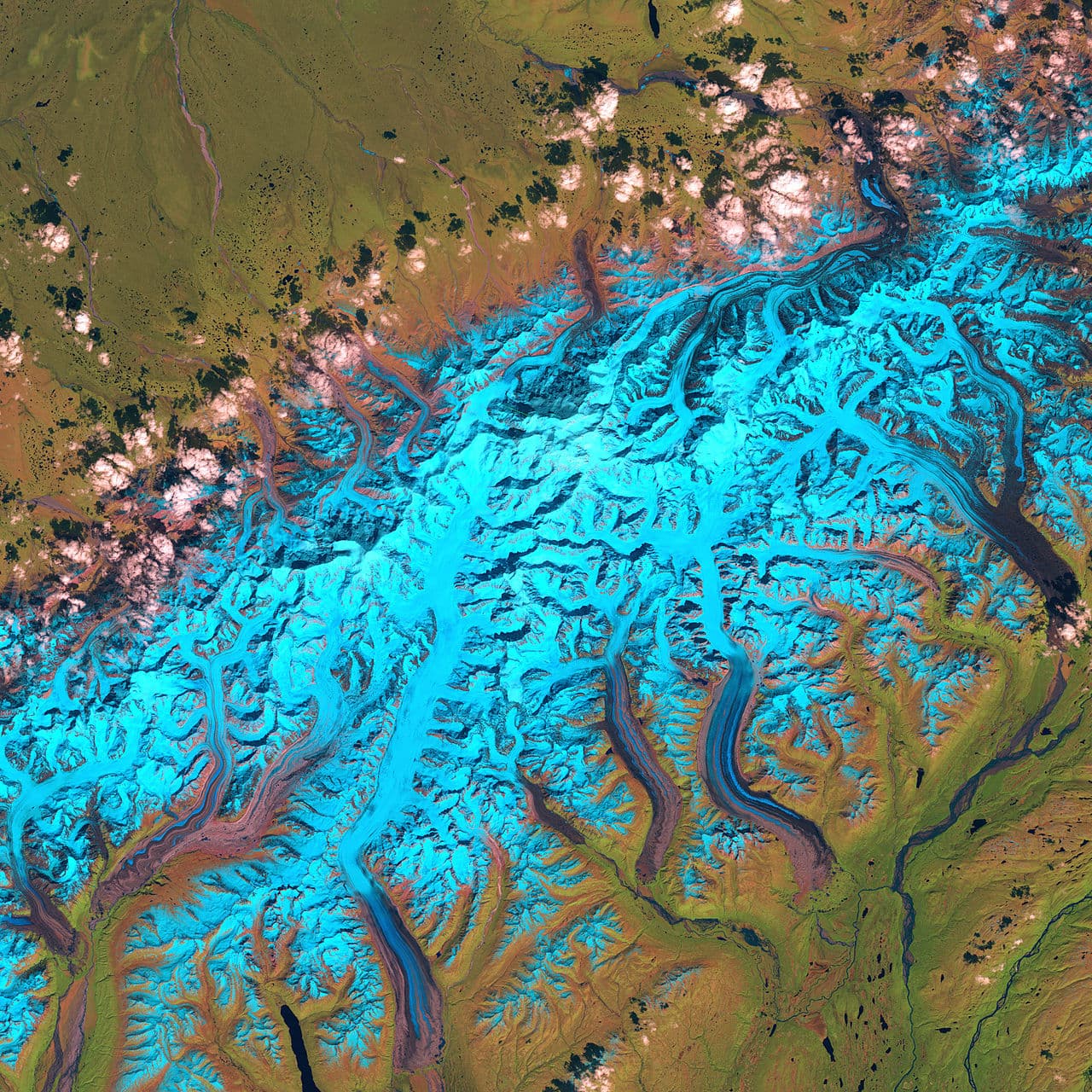
Arrive before 8 AM and the glacier field feels like a private audience with deep time β€” brilliant white ice stretching toward the summit, meltwater threading beneath your boots, the air carrying that sharp mineral scent unique to ancient ice. Morning is the clearest window before afternoon clouds typically roll in, so this is the moment to linger over crevasse fields and let the scale sink in.

Denali (Muldrow Glacier)
Glenn Research Center / wikimedia (Public domain)
Shoot crevasse fields in the foreground with Denali's peak framing the background β€” best light is within the first two hours after sunrise.
Uneven glacial terrain with sparse benches; not wheelchair accessible. Viewing from the Eielson deck is the accessible alternative.
40 min transit β€” Shuttle bus descending from the glacier overlook, winding past braided river crossings with the driver calling out wildlife on both sides.
11:00 AM - 1:00 PM
Sable Pass Bear Viewing Β· midday Β· 120 min Β· Denali Wilderness & Muldrow Glacier

The shuttle rolls into Sable Pass where the whole bus seems to hold its breath in unison at the first hint of movement in the meadow. This is one of the best-documented grizzly corridors on the park road, and even without a sighting, the golden tundra and stream confluence make for a worthwhile pause β€” a good spot to chat with fellow passengers about what they've spotted so far.

Sable Pass Bear Viewing
Photo by АлСксандр Максин on Pexels
The main pullout facing the meadow and stream confluence offers the best composition; overcast midday light actually helps reveal bear movement against the tundra.
Flat path at the pullout, though terrain beyond is uneven; limited bench seating.
10 min walk β€” A short uphill walk from the Sable Pass pullout onto the open tundra trailhead, wind picking up as you climb.
2:00 PM - 4:00 PM
Caribou Migration Route Trail Β· afternoon Β· 120 min Β· Denali Wilderness & Muldrow Glacier

By afternoon the tundra opens into golden-brown plains where, with luck, the rhythmic thunder of caribou hooves rolls across the plateau. Even without a full herd sighting, the trail's exposure and scale deliver a visceral sense of the primal migratory rituals this park protects β€” a quieter, more reflective counterpoint to the morning's glacier drama.
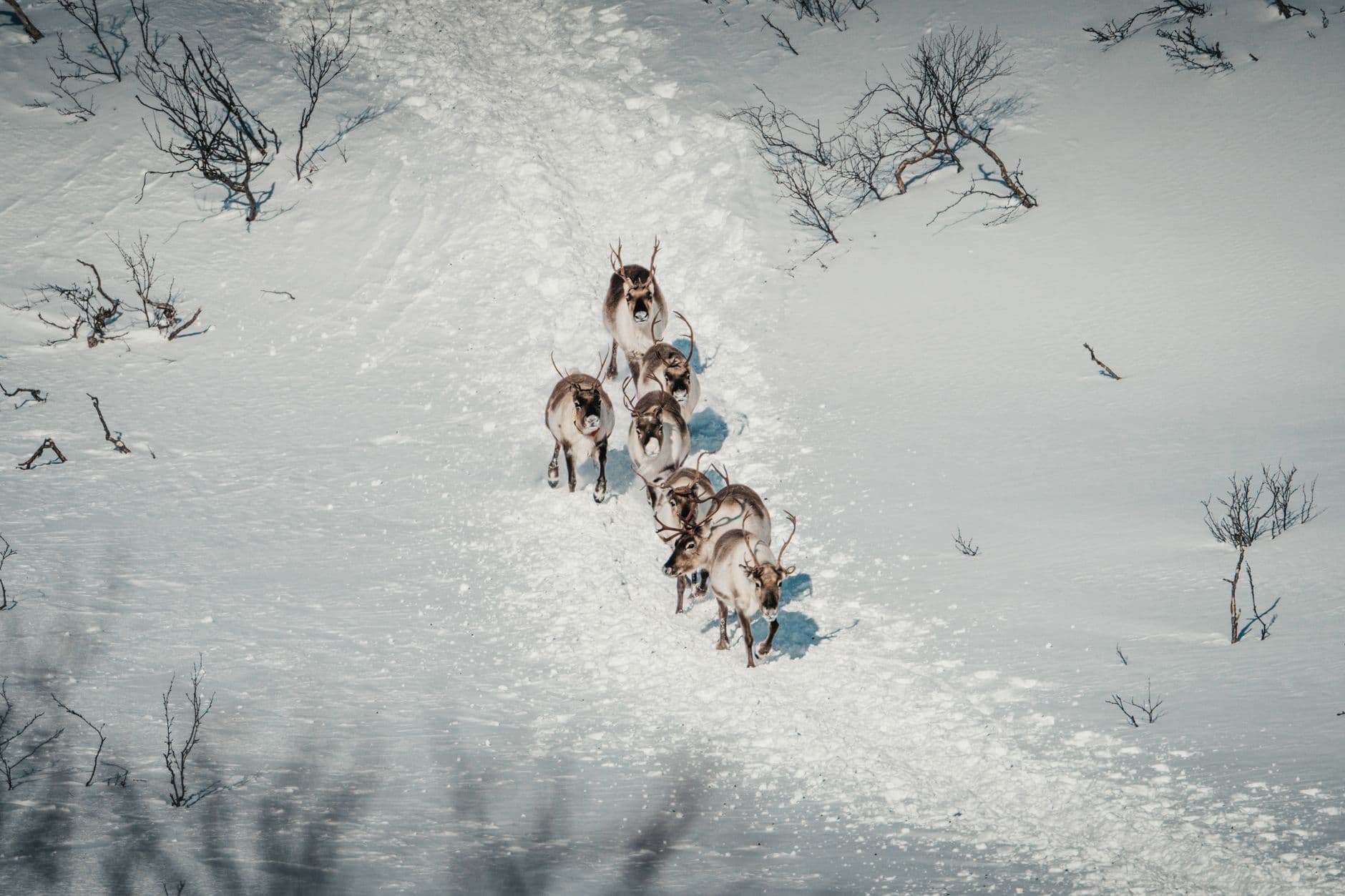
Caribou Migration Route Trail
Photo by Raul Ling on Pexels
Shoot from the tundra ridge overlooking the migration route for expansive herd views with mountain backdrop; best light is mid-to-late afternoon.
Uneven tundra terrain, not wheelchair accessible; sparse benches. Rain gear essential as the trail is fully exposed.
30 min transit β€” Shuttle bus retracing the park road toward Eielson, golden light stretching long shadows across the tundra.
5:00 PM - 6:30 PM
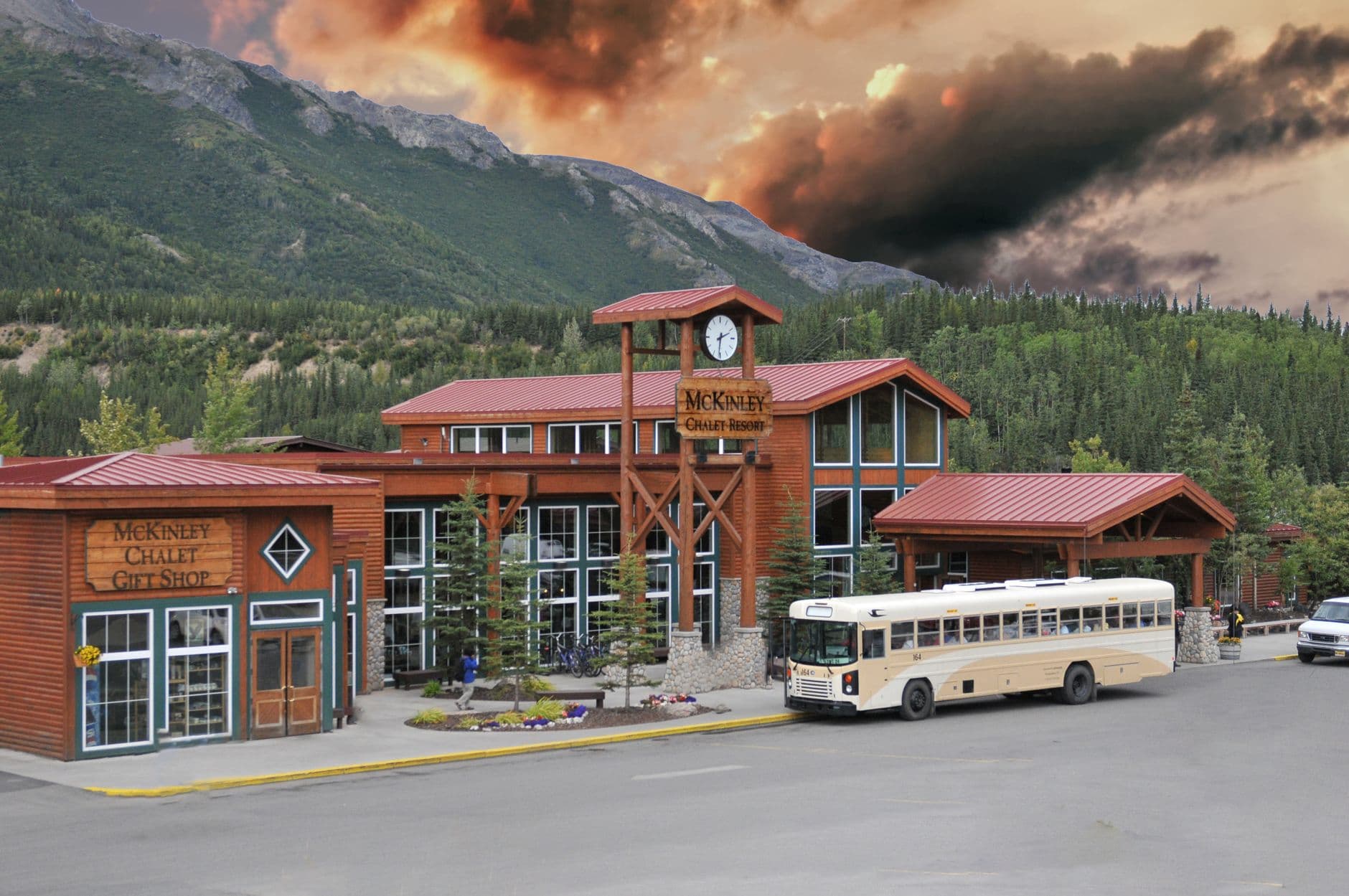
Eielson Visitor Center (bears, caribou) Β· evening Β· 90 min Β· Eielson Visitor Center Corridor

Return to Eielson as the evening light softens and the day-trippers thin out, leaving the deck quieter and more contemplative. This is a good closing stop β€” a last chance to scan the hillsides for movement, warm up indoors if the wind has picked up, and reflect on two days spent at the edge of true wilderness before the shuttle carries you back toward the entrance.

Eielson Visitor Center (bears, caribou)
Ali Kazal / pexels (Pexels License)
Evening light around 6 PM rakes low across the valley β€” position at the observation deck for the richest color on Denali's face if skies are clear.
Fully wheelchair accessible interior with frequent benches; outdoor deck limited.
Optional detour: Denali Park Road Shuttle Wildlife Tour β€” Could replace the individual Sable Pass and Caribou Migration stops as a single extended full-day option
An 8-hour comprehensive tour covering the full park road corridor maximizes wildlife sighting odds and includes multiple iconic viewpoints in one continuous journey. Skip if: The extended duration can be fatiguing for a solo traveler pacing a two-day trip, and splitting the day into discrete stops allows more flexibility and rest breaks.
If it rains: If visibility drops or storms roll in, prioritize returning to Eielson Visitor Center for indoor interpretive programs on glacier geology and wildlife ecology β€” glacier viewing in particular should be rescheduled if visibility falls below 50 feet, as the Muldrow Glacier area has no indoor shelter nearby.

Early departure is essential today β€” the glacier field rewards those who arrive before clouds thicken, and the first hours offer a rare clarity over the crevasse fields and distant summit. The cold here has weight to it, a mineral sharpness that makes every breath feel deliberate. This is Denali at its most elemental, ice and rock and wind, with barely another soul in sight.

The shuttle's rhythm shifts the day's mood from awe to anticipation as it winds toward Sable Pass, where every passenger scans the meadow in hopeful silence. From there, the walk onto the Caribou Migration Route Trail opens a more exposed, reflective chapter β€” golden tundra stretching toward the horizon, the possibility of thundering hooves always just over the next rise.

The day closes back at Eielson, where the crowds have mostly dispersed and the light turns the visitor center's windows gold. A quiet dinner near the park entrance or village corridor is the practical choice tonight, given limited dining options this deep in the wilderness β€” pack a snack as backup if shuttle timing runs late. Let the two days settle: this was wilderness on its own terms, and the quiet exhaustion is well earned.

Want to tweak this trip?

Our AI planner can customize this itinerary to your exact dates, interests, and travel style.

Customize This Itinerary
Good to Know

Dining options within the park are extremely limited and seasonal; always check current operating hours and availability before planning meals around specific venues.

Dietary compatibility tags are general guidance. If you have severe allergies, confirm directly with any dining establishment before ordering.

Travel tips are general guidance, not professional safety advice. Always check current NPS advisories, weather forecasts, and wildlife activity reports before entering the park.

All prices are approximate and may vary seasonally; shuttle fares and park fees are subject to change without notice.
We use cookies to improve your experience and analyze site usage. Essential cookies are always active. You can customize your preferences or accept all cookies. Cookie Policy