3 DaysSolo Traveler9 Stops

Denali NP (Eielson Visitor Center, Denali Wilderness), Alaska

3-Day Itinerary for Solo Traveler

β€œTundra, Ice, and Distant Thunder: 3 Days Solo in Denali”
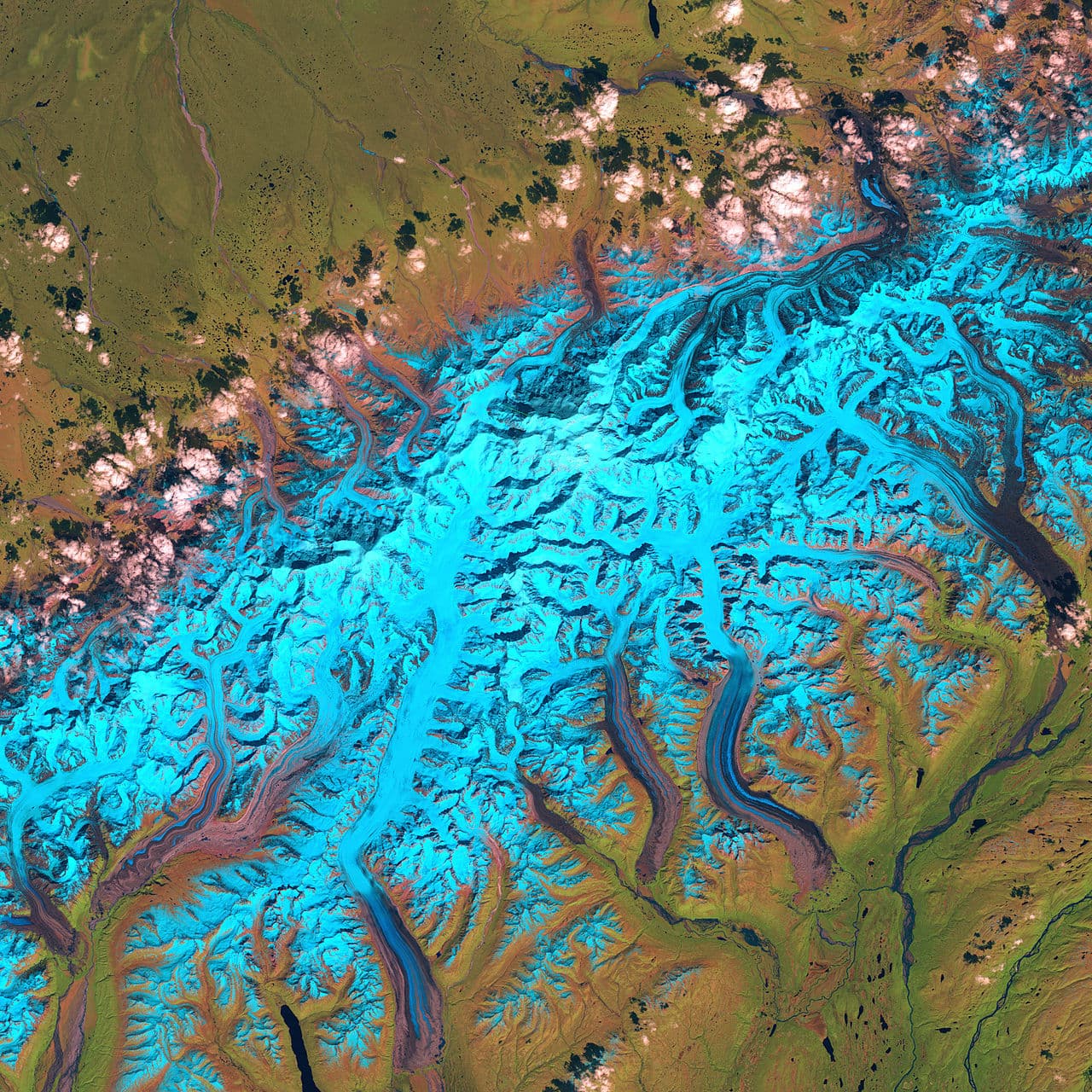
Tundra, Ice, and Distant Thunder: 3 Days Solo in Denali

Denali doesn't perform for you β€” the mountain reveals itself on its own schedule, often just a shoulder of ice above the clouds, and the tundra holds its wildlife close until a flicker of movement rewards the patient. Three days here, traveling solo in spring's thin crowds and wildflower light, means long shuttle rides, binoculars pressed to glass, and the rare privilege of silence this big.

At a Glance

Climate & Weather
Spring in Denali means mild but unpredictable temperatures, often ranging from the high 30s to low 50sΒ°F, with sudden rain, wind, and even late snow possible. Pack waterproof layers, an insulated midlayer, gloves, and sturdy waterproof boots β€” conditions can shift from sun to sleet within an hour.
Getting Around
Private vehicles are restricted beyond Mile 15 of the Park Road, so the shuttle bus system is your lifeline into the Eielson and Muldrow areas. Buses run on flexible hop-on/hop-off schedules in spring with lighter frequency than summer β€” check the visitor center for the day's timetable and board early for seating near the windows.
Budget
Budget roughly $60–$100 per day for a solo traveler, covering shuttle fare, modest lodge meals, snacks, and the occasional gear rental β€” park dining is simple and prices reflect its remoteness.
Safety
Traveling solo here means extra vigilance: carry bear spray on any trail walk, make noise in brush, and never approach wildlife regardless of how calm it looks. Tell someone your shuttle schedule and expected return time, and always carry a headlamp, snacks, and extra layers in case of delays β€” cell service is nonexistent past the entrance.
Connectivity
Expect zero cell signal once past the park entrance; the Eielson Visitor Center has no public WiFi either. Download maps, podcasts, and any offline essentials before you leave Healy or the entrance area.
Local Tips
Spring shuttles run less frequently than summer, so grab the earliest departure you can β€” it also means near-empty viewpoints and more alert wildlife before midday warmth sends animals to shade. Pack a thermos and your own trail snacks since dining options past the entrance are sparse, and strike up conversation with fellow early-shuttle riders β€” shared bear sightings are Denali's version of a cocktail hour.

Highlights

  • Dawn shuttle departures with the valley still fogged and empty
  • Turquoise glacial melt roaring through Savage River's gravel bars
  • Grizzlies and caribou spotted from the Eielson Visitor Center deck
  • Standing at the edge of Muldrow Glacier's ancient blue ice
  • Sable Pass bear-watching in golden late-day light
  • Spring wildflowers pushing up through thawing tundra
  • Shoulder-season quiet β€” no summer crowds jostling for the rail

Day-by-Day Plan

Orientation and gentle immersion

Day 1: Arrival and the Valley's First Hush

A lighter first day easing into the park's rhythm with accessible, flat terrain and under 2 miles of walking.

Wear
Waterproof jacket, warm layers, sturdy walking shoes β€” nothing technical needed today.
Budget
$40–$60 (shuttle pass, light lodge meals, snacks)
8:00 AM - 9:15 AM
Savage River Β· morning Β· 60 min Β· Savage River Valley

Arrive on the first shuttle out and the valley is still quiet enough to hear the river before you see it β€” glacial melt the color of pale jade crashing over smooth gravel. This is an easy introduction to Denali's scale: wide tundra, distant peaks, and a short, forgiving walk along the bank that lets jet-lagged legs and a travel-worn mind settle in before the bigger days ahead.

Savage River
Charles Roscoe Savage / wikimedia (Public domain)
Shoot from the north bank pullout mid-morning when light hits the turquoise water directly β€” overcast spring skies actually saturate the color nicely.
Trail has uneven gravel sections; sturdy footwear recommended, not wheelchair accessible.
105 min transit β€” Park shuttle grinding uphill along switchbacks, gravel crunching beneath tires, conversation rising among fellow riders craning for the first grizzly sighting
11:00 AM - 1:00 PM
Eielson Visitor Center (bears, caribou) Β· midday Β· 120 min Β· Eielson Visitor Center Corridor

The shuttle climbs steadily toward Mile 66, and the visitor center opens up like a reward β€” floor-to-ceiling windows framing Denali when the clouds cooperate, and a warm, low-key gathering space where solo travelers naturally strike up conversation over shared binoculars. Spend unhurried time here; ranger talks often happen midday, and the exhibits give useful context for the wildlife you've already started scanning for.

Eielson Visitor Center (bears, caribou)
Ali Kazal / pexels (Pexels License)
The east-facing exterior overlook catches soft late-morning light across the tundra β€” worth stepping outside even in light drizzle.
Fully wheelchair accessible interior with frequent benches; outdoor deck has some uneven footing.
10 min walk β€” Short uphill walk behind the center, boots crunching on gravel, the building's warmth fading behind you into open wind
1:30 PM - 2:45 PM
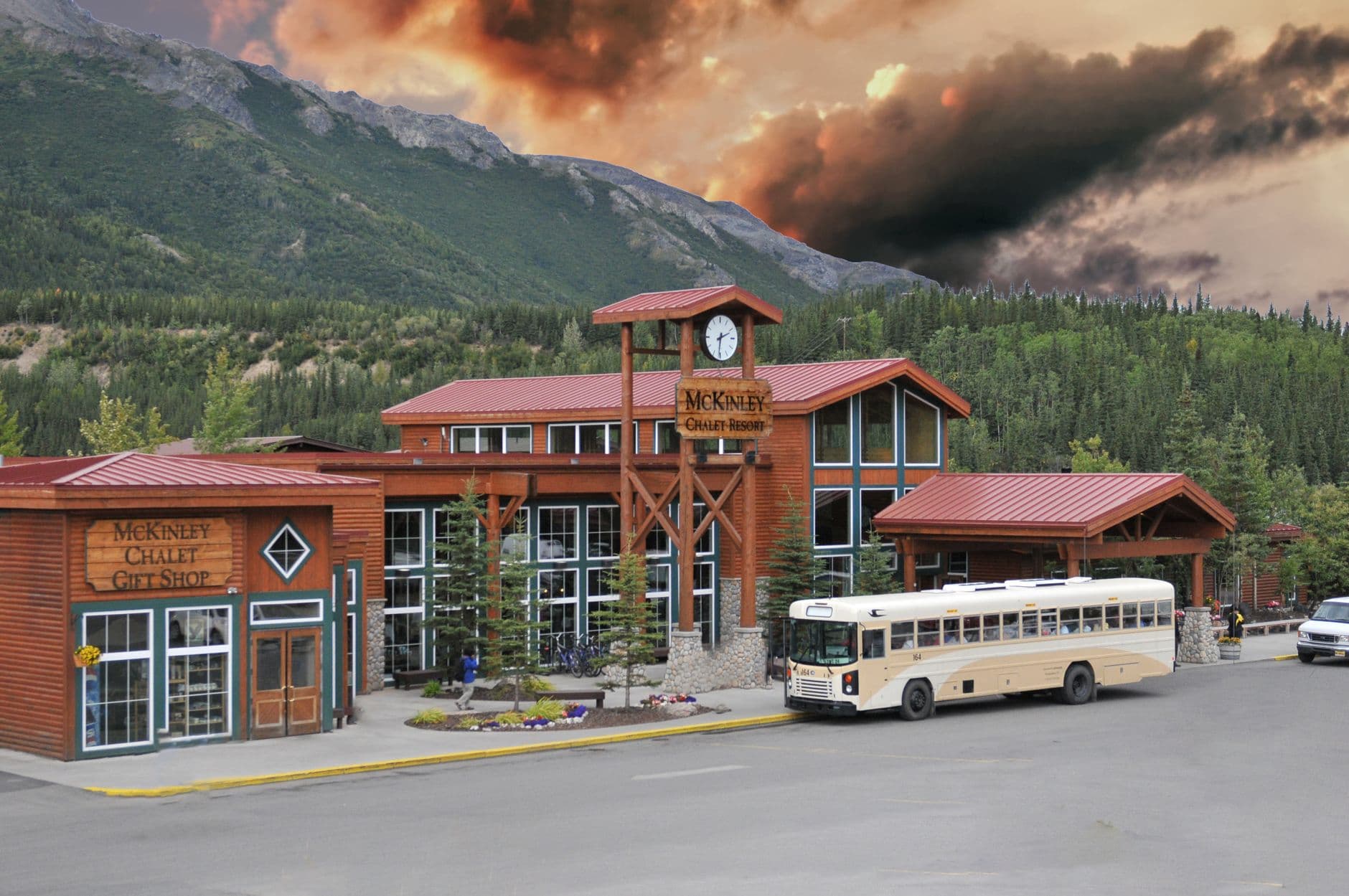
Eielson Visitor Center Wildlife Viewing Β· afternoon Β· 75 min Β· Denali Wilderness & Muldrow Glacier

Step just beyond the visitor center proper to the ridge overlook, where the valley opens into a genuine wilderness panorama β€” this is where the quiet of spring shoulder season pays off, with room to stand alone at the rail and actually hear the wind instead of other visitors' chatter. Keep eyes on the lower slopes; grizzlies are often more active in the cooler afternoon hours of spring than during summer's heat.
Eielson Visitor Center Wildlife Viewing
Photo by Frans van Heerden on Pexels
Late afternoon side-light rakes across the tundra ridge β€” look for texture in the still-thawing ground and any lingering snow patches.
Flat path with benches, though wind exposure increases toward the ridge.
If it rains: If rain or fog rolls in, retreat into the Eielson Visitor Center β€” its interior exhibits and large windows keep the day productive even with zero outdoor visibility, and wildlife often becomes more active in light rain anyway.

The first morning is about easing in β€” a short shuttle to Savage River, the hiss of glacial water over stone, and the particular stillness of a spring morning where tundra grasses are just beginning to green. Nothing here demands much of you except attention.

By early afternoon the shuttle carries you deeper into the park toward Eielson, where the scale of things shifts β€” Denali itself, when visible, dominates the sky in a way photos never quite capture. The visitor center's warmth and the ridge walk beyond it offer a gentle but genuine first taste of the wilderness ahead.

Head back toward your lodging on an evening shuttle, tired in the good way β€” legs loose, eyes still scanning hillsides out of habit. Pack layers for tomorrow, since the Muldrow Glacier day asks more of both body and attention span.

Glacier and high wilderness

Day 2: Ice, Wind, and the Mountain's Shoulder

A full, moderately strenuous day exploring Denali's glaciated high country, roughly 4-5 miles of walking across uneven terrain.

Wear
Insulated waterproof jacket, gloves, wool hat, waterproof hiking boots, and layers you can shed β€” wind chill near the glacier is significant even in mild spring air.
Budget
$50–$80 (shuttle fare, lodge dinner, gear rental if needed)
6:30 AM - 10:00 AM
Denali Park Road Shuttle Wildlife Tour Β· morning Β· 210 min Β· Denali Wilderness & Muldrow Glacier

Catch the earliest possible departure β€” by 6:30am the road is nearly empty, the tundra still holding night's chill, and wildlife far more visible before midday warmth sends animals into cover. This partial tour threads through Polychrome Pass and toward the high country, windows down, the whole bus falling into hushed anticipation every time someone spots movement on a distant slope.

Denali Park Road Shuttle Wildlife Tour
Photo by Preston Zeller on Pexels
Polychrome Pass overlook is best photographed in the low morning light, when the colored rock bands and tundra wildflowers both glow.
Shuttle seating is accessible, but views depend on window position; request front seats when boarding if mobility is a concern.
15 min walk β€” A short transition on foot from the shuttle stop, gravel crunching underfoot, the temperature dropping noticeably as the glacier's cold breath reaches you
10:15 AM - 1:15 PM
Denali (Muldrow Glacier) Β· midday Β· 180 min Β· Denali Wilderness & Muldrow Glacier

Stepping onto terrain near the glacier's edge is genuinely humbling β€” ancient blue-white ice stretching toward peaks that seem to rearrange scale itself, meltwater threading beneath your boots, the air sharp and mineral. Morning is the clearest window for visibility before afternoon weather rolls in, so this is deliberately scheduled early; take your time here, since photography rewards patience in changing light.

Denali (Muldrow Glacier)
Glenn Research Center / wikimedia (Public domain)
Shoot crevasse fields with Denali's peak in the background during the first hour of arrival, before cloud buildup typically begins.
Uneven glacial terrain, not accessible for limited mobility; viewing from a distance is possible for those unable to approach closely.
20 min transit β€” Short shuttle hop back toward the trailhead, the bus mostly quiet, everyone still processing the glacier
2:00 PM - 4:00 PM
Caribou Migration Route Trail Β· afternoon Β· 120 min Β· Denali Wilderness & Muldrow Glacier

After the intensity of the glacier, the tundra trail offers a different rhythm β€” golden-brown ground stretching toward the horizon, the possibility (never a guarantee) of distant caribou moving in loose formation. Spring sightings are less dense than the late-summer migration peak, but the solitude more than compensates, and the open sightlines make this an easy stretch to walk slowly and just watch.
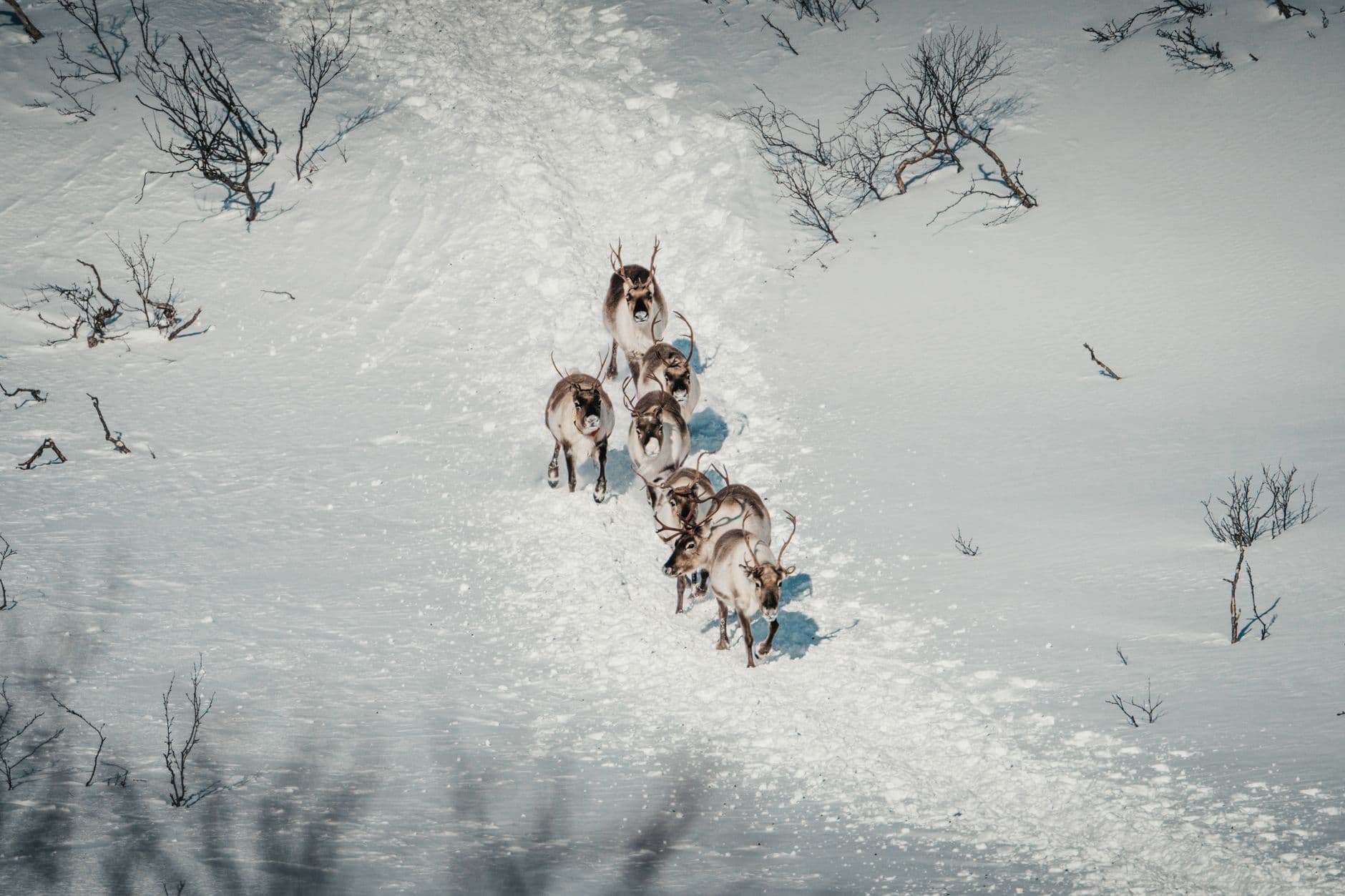
Caribou Migration Route Trail
Photo by Raul Ling on Pexels
The tundra ridge overlooking the route catches dramatic sidelight in later afternoon β€” look for herds silhouetted against the sky if you're lucky.
Uneven tundra terrain; not suited to limited mobility, though the Eielson Visitor Center nearby offers an alternative indoor wildlife-viewing experience.
Optional detour: Sable Pass Bear Viewing β€” After Caribou Migration Route Trail and before returning via shuttle
Late afternoon is prime bear activity time here, and the meadow-stream confluence is one of the park's most reliable wildlife viewpoints. Skip if: Skip if energy is flagging after the glacier and tundra trail β€” this adds another hour-plus of standing and scanning, which may be too much on a full day.
If it rains: If fog drops visibility below safe glacier-viewing conditions, return to the Eielson Visitor Center for indoor exhibits on glacier geology and wait out the weather β€” afternoon storms are common here, so plan to be flexible with timing.

The day begins in near-darkness blue light, the shuttle rumbling out before most other travelers are awake. This early start is deliberate β€” wildlife is most active now, and the glacier's visibility is sharpest before afternoon clouds gather over the range.

After the glacier's cold grandeur, the pace shifts to something quieter on the Caribou Migration Route Trail β€” open tundra, wide sky, and the simple pleasure of walking without urgency. If legs and daylight allow, Sable Pass offers one more chance at a bear sighting before the shuttle ride back.

Return to your lodging well into the evening, muscles pleasantly tired from the day's uneven terrain and long hours outdoors. A hearty, simple dinner and an early night make sense β€” tomorrow's pace eases back down.

Reflection and bear country

Day 3: Last Light Over the Tundra

A moderate closing day blending wildlife viewing with a slower farewell to the park, roughly 3 miles of walking.

Wear
Layered waterproof clothing, warm hat, binoculars at the ready β€” spring afternoons can turn from clear to misty quickly.
Budget
$40–$70 (shuttle fare, lodge lunch, souvenirs)
7:00 AM - 9:00 AM
Sable Pass Bear Viewing Β· morning Β· 120 min Β· Denali Wilderness & Muldrow Glacier

An early shuttle delivers you to Sable Pass while the light is still soft and golden, and the meadow-stream confluence below is often busiest with wildlife at this hour β€” grizzlies fishing, the collective held breath of anyone lucky enough to be watching. Arriving by 7am means you'll likely have the pullout nearly to yourself; by mid-morning the shuttle traffic picks up considerably.

Sable Pass Bear Viewing
Photo by АлСксандр Максин on Pexels
The main pullout facing the meadow is best in early morning light, when long shadows add depth to the tundra foreground.
Flat path at the main pullout, though benches are sparse; stay near the designated viewing area for safety.
40 min transit β€” Shuttle winding back along the Park Road, the bus a little livelier now with mid-morning arrivals trading stories of the day's sightings
9:45 AM - 11:45 AM
Eielson Visitor Center (bears, caribou) Β· midday Β· 120 min Β· Eielson Visitor Center Corridor

Return to the visitor center for a final, unhurried visit β€” this time with the accumulated context of two full days in the park, the exhibits and the view out the window landing differently now. It's also simply a good place to warm up, refuel, and talk with other solo travelers comparing wildlife sightings before everyone disperses back down the road.

Eielson Visitor Center (bears, caribou)
Ali Kazal / pexels (Pexels License)
Interior window seating offers a relaxed final photo opportunity β€” wildlife in the foreground with the lodge's warm interior framing the shot.
Fully wheelchair accessible interior with frequent seating.
90 min transit β€” Longer shuttle descent back toward the entrance, the mountains receding slowly in the rearview, a good stretch for quiet reflection
1:00 PM - 2:00 PM
Savage River Β· afternoon Β· 60 min Β· Savage River Valley

Closing the trip back where it began feels right β€” the same turquoise river, now familiar, wildflowers further along in their spring bloom than on day one. This is an easy, reflective last stop before heading back toward the park entrance, legs grateful for flat, forgiving ground after two days of harder terrain.

Savage River
Charles Roscoe Savage / wikimedia (Public domain)
Midday light flattens the turquoise color somewhat β€” if time allows, the river's edge at a slightly overcast hour still photographs beautifully.
Uneven gravel trail sections; not wheelchair accessible.
Optional detour: Eielson Visitor Center Wildlife Viewing β€” After Eielson Visitor Center (bears, caribou) and before Savage River
One more short ridge walk offers a final wide-angle farewell view of the valley and a last chance at a distant wildlife sighting. Skip if: Skip if the shuttle schedule is tight β€” missing the connecting bus back toward the entrance could cost significant time given spring's reduced frequency.
If it rains: If rain sets in, treat the final Eielson Visitor Center stop as the day's anchor β€” its warm interior and interpretive exhibits make for a satisfying closing experience even without clear outdoor views.

The final full day begins early again, chasing the golden hour at Sable Pass where bears are most likely to be active and the shuttle pullout is blissfully uncrowded. It's a fitting bookend to the wildlife-watching that's defined the whole trip.

The pace eases through midday at the Eielson Visitor Center, then softens further with a return to Savage River's familiar turquoise water β€” a gentle, low-exertion close to three days that asked a lot of legs and attention both.

With the shuttle delivering you back toward the park entrance by late afternoon, the evening is open for a quiet dinner and reflection β€” pack up gear, review the photos, and let the quiet of Denali's spring light settle in before departure.

Want to tweak this trip?

Our AI planner can customize this itinerary to your exact dates, interests, and travel style.

Customize This Itinerary
Good to Know

Restaurant and dining details change frequently, especially in seasonal park settings. Confirm current hours and availability before visiting.

Dietary compatibility tags are general guidance. If you have severe allergies, confirm directly with any dining venue.

Travel tips are general guidance, not professional safety advice. Check current NPS advisories and wildlife activity reports before your trip.

All prices are approximate and may vary seasonally.
We use cookies to improve your experience and analyze site usage. Essential cookies are always active. You can customize your preferences or accept all cookies. Cookie Policy