3 DaysSolo Traveler6 Stops

Fairbanks area, Alaska

3-Day Itinerary for Solo Traveler

Steam, Stone, and Silence: 3 Days Alone in Fairbanks Winter

Steam, Stone, and Silence: 3 Days Alone in Fairbanks Winter

Winter here doesn't ease in — it settles over the taiga like a held breath, turning steam into sculpture and darkness into a canvas for green fire overhead. This is a trip for travelers who want solitude that feels earned: frozen boardwalks, thermal water against Arctic air, and skies that reward patience after 9pm.

At a Glance

Climate & Weather
December-level cold snaps down to -18°C/-1°F are common; expect short daylight (roughly 9am-3pm), heavy snowpack, and dry, biting air. Pack an insulated parka, thermal base layers, a face mask or balaclava, waterproof insulated boots, and hand/toe warmers — layering is non-negotiable.
Getting Around
A rental car with studded winter tires is essential; Chena Hot Springs Road is a scenic but remote 1-hour drive northeast with no services for stretches, so fuel up before departing. Downtown Fairbanks and North Pole are easily reached by car in 20-30 minutes; distances between clusters are too far to walk in winter conditions.
Budget
Budget roughly $90-130/day for a solo traveler covering meals, hot springs day pass, and incidentals; the Angel Rocks hike and Creamer's Field are free.
Safety
Solo travelers should tell someone their route before heading to Chena Hot Springs Road, keep a charged phone and car charger, and treat any vehicle trouble as urgent — exposure risk is real. Wildlife (moose) can appear on rural roads at dusk; give them wide berth. Trails like Angel Rocks turn treacherous when icy — check conditions and turn back if wind or visibility worsens.
Connectivity
Cell coverage is reliable in Fairbanks and North Pole but grows patchy along Chena Hot Springs Road, especially near the trailheads — download offline maps beforehand. Most lodges and cafes offer WiFi.
Local Tips
Arrive at outdoor attractions early — not for crowds (there are few in winter) but because daylight is precious and fades by mid-afternoon. Ask lodge staff about aurora forecasts; many will do a wake-up call if the lights appear overnight. Solo diners are common here — bar seating at lodge restaurants is a normal, comfortable way to eat and chat with locals.

Highlights

  • Reindeer and tinsel under a subarctic sky at Santa Claus House
  • Silent dawn birdwatching (in season) or frost-hushed trails at Creamer's Field
  • Steam rising off Chena Hot Springs into -10°F air
  • Aurora ribbons reflected in outdoor thermal pools
  • Granite scramble at Angel Rocks with 360° views of the interior
  • Solo-friendly lodge dining where strangers end up sharing stories

Day-by-Day Plan

Arrival & Orientation

Day 1: Tinsel, Frost, and the Slow Edge of Town

A gentle half-day easing into Fairbanks' frontier rhythm with light walking (under 2 miles) and low physical demand.

Wear
Insulated parka, thermal layers, wool socks, waterproof boots, face mask — even short outdoor stretches in North Pole and Creamer's Field will feel bracing.
Budget
$60-85 (meals, gift shop browsing, coffee)
10:00 AM - 11:30 AM
North Pole (Santa Claus House) · morning · 90 min · Downtown Fairbanks & North Pole Circuit

Snow-dusted reindeer stand patient in yard lights that never really turn off this time of year, and inside, the smell of pine and hot cocoa wraps around you like a held-open door. It's a strange, sincere little world — Christmas frozen in permanent bloom — and for a solo traveler it's an easy, low-pressure first stop to shake off travel fatigue. Arrive by 10am on a weekday and you'll likely have the gift shop nearly to yourself.

North Pole (Santa Claus House)
Hartman, Zoe. [from old catalog] / wikimedia (Public domain)
Shoot the exterior sign mid-morning when the low winter sun rakes gold light across the building facade.
Fully wheelchair accessible with flat paths and frequent benches.
25 min driveA quiet backroad drive north, frost ferns creeping across the windshield edges despite the defroster
12:15 PM - 1:45 PM
Creamer's Field Migratory Waterfowl Refuge · midday · 90 min · Downtown Fairbanks & North Pole Circuit

In winter the marsh goes quiet and white — no honking waterfowl, just snow-muffled birch forest and the crunch of your own boots on packed trails. It's less about spectacle now and more about solitude: wide open sky, distant tree lines, the particular hush that only subarctic winter produces. Solo travelers often find this the most meditative stop of the whole trip.
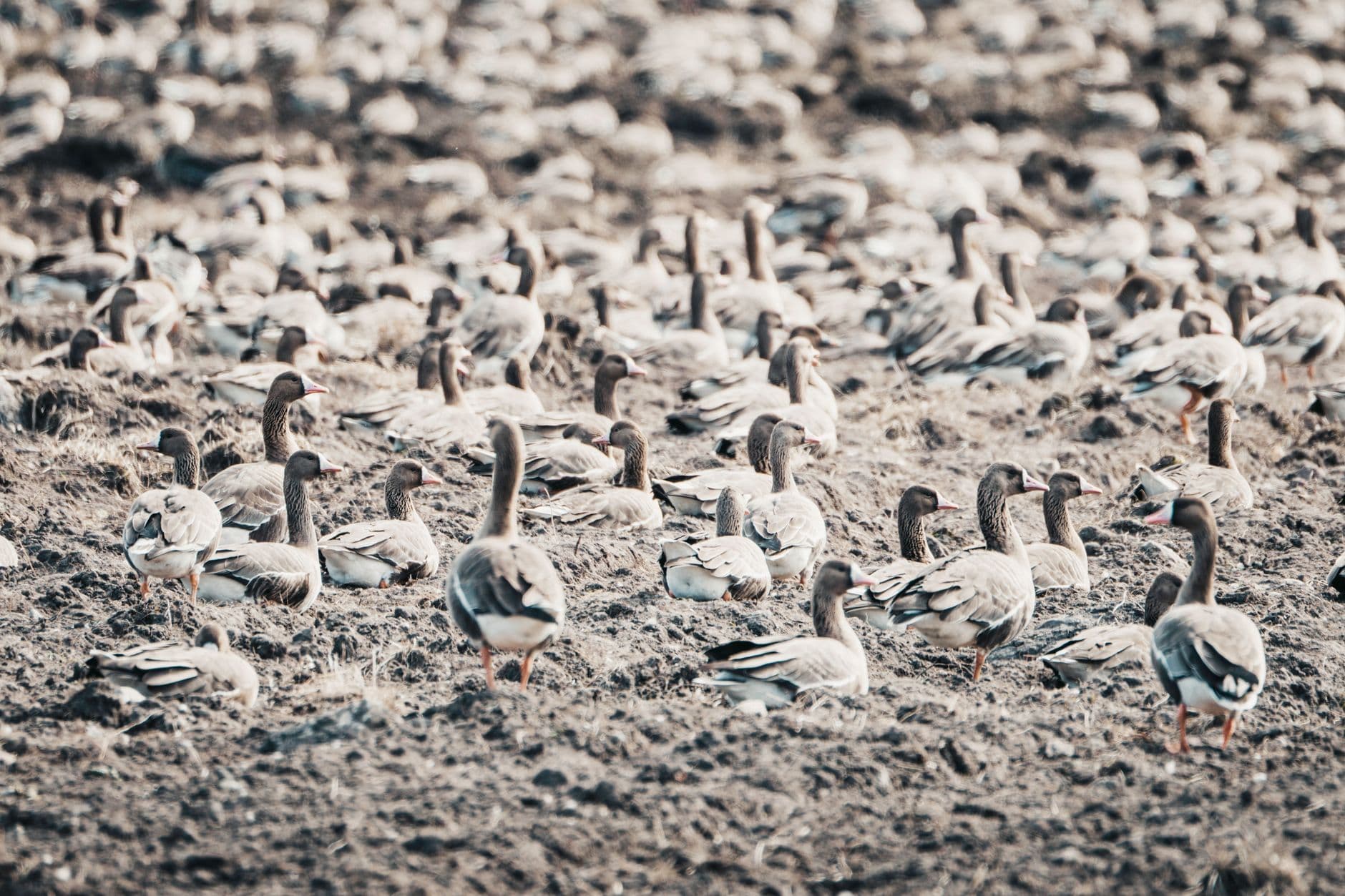
Creamer's Field Migratory Waterfowl Refuge
Photo by Raul Ling on Pexels
Late-morning light is flat but even — good for capturing the farm structures silhouetted against a pale winter sky.
Main loop is flat and wheelchair accessible, though snowpack may require assistance in icy patches.
Lunch
Forget Me Not Espresso $
Cafe/Coffee · Near Creamer's Field
Warm, unfussy coffeehouse near the refuge — good for solo travelers wanting a quiet bowl of soup and a window seat.
Gyros & More $
Greek · Near Creamer's Field
Casual counter-service spot, easy solo seating, hearty portions to warm up after the cold.
Dinner
Kanpai $$
Sushi · Near Creamer's Field
A cozy contrast to Alaskan comfort food — sushi bar seating makes it easy and natural to strike up conversation with locals.
If it rains: Both stops are largely indoor or short-exposure outdoor visits; heavy snow simply adds atmosphere. If roads are hazardous, stay downtown and explore galleries and cafes instead.

Ease into the trip at Santa Claus House, where reindeer graze in the snow and the whole building seems to hum with cheerful, off-season Christmas spirit. It's unserious and warm — a good soft landing for jet lag and cold-weather adjustment, with plenty of indoor space to browse without rushing.

From North Pole, drive northwest to Creamer's Field, where the boisterous summer bird chorus gives way to total winter stillness. Walk the flat main loop slowly, breath visible in the air, snow squeaking underfoot — this is where the trip starts to feel remote and personal.

Head back into town for dinner at Kanpai, where the sushi bar seating makes solo dining easy and conversational. It's a mellow first night — save the big excursions for tomorrow when daylight (such as it is) will be spent entirely at Chena Hot Springs.

Geothermal Immersion

Day 2: Steam Against the Cold: Chena Hot Springs

A full day centered on the Chena Hot Springs Wilderness Retreat cluster, with light walking (under 1 mile) and low-to-moderate energy demand, built around soaking and relaxation.

Wear
Swimsuit under layers, insulated boots easy to remove, thick socks, parka, and a dry bag for wet items — hair can freeze in seconds after leaving the water, so bring a warm hat for post-soak.
Budget
$95-140 (day pass, meals, optional geothermal tour)
60 min driveA long, scenic drive northeast along Chena Hot Springs Road, spruce forest closing in tighter with every mile — no services along the way, so fuel and snacks should be sorted beforehand
11:00 AM - 2:00 PM
Chena Hot Springs · morning · 180 min · Chena Hot Springs Wilderness Retreat

Mineral-warm water wraps around you while sulfurous steam curls up into brutally cold air — the sensory contrast is the whole point. Solo travelers tend to linger here for hours, drifting between the outdoor pool and the geothermal facility tour, and the communal soaking area makes it easy to chat with fellow travelers doing the same aurora-chasing loop. Arrive before noon on a weekday and the outdoor pool may be nearly empty.

Chena Hot Springs
Durtsche, Bruce M Hobgood, Winston Burris, Jan United States. Bureau of Land Management. Alaska State Office / wikimedia (Public domain)
Midday sun is low and soft this time of year — steam catches the light beautifully around 1pm, and if you can stay past dusk, aurora reflections on the water are the real prize.
Pools and facilities are wheelchair accessible with flat paths and frequent benches.
15 min driveA short hop further up the road, trees thinning as the terrain climbs toward exposed rock
2:30 PM - 4:30 PM
Angel Rocks (hiking) · afternoon · 120 min · Chena Hot Springs Wilderness Retreat

This is the trip's one intense stretch — a steep scramble up exposed granite with wind roaring past your ears and views that fall away into an endless quilt of dark spruce and frozen lakes. In winter, snowpack changes the character of the trail entirely; go only if conditions are clear and stable, and turn back at the first sign of ice sheeting or wind pickup. Solo hikers should tell lodge staff their expected return time before setting out.

Angel Rocks (hiking)
U.S. National Park Service, restoration/cleanup by National Park Maps (https://npmaps.com) / wikimedia (Public domain)
Late afternoon light around 3:30-4pm rakes low across the granite outcrops — dramatic but be off the summit before dusk fully sets in given the short winter daylight window.
Not accessible — steep, uneven, and exposed terrain; not recommended in icy conditions.
Lunch
Chena Hot Springs Restaurant $$
Regional · At Chena Hot Springs
Hearty, warming plates right at the springs — bar seating makes solo dining comfortable, and it's the easiest option before or after a soak.
Dinner
Aurora Cafe $
Coffee shop, sandwiches · At Chena Hot Springs
Simple, unpretentious sandwiches and coffee — a good low-key wind-down spot after the hike, with a communal feel typical of remote lodges.
Optional detour: Angel Rocks (hiking)After Chena Hot Springs soak and before evening aurora watch
For solo travelers craving one physically demanding day, this scramble delivers the best panoramic payoff in the region. Skip if: Skip entirely if snow/ice conditions are unstable or daylight is too short to safely summit and descend — the soak alone makes for a full, satisfying day.
If it rains: If weather turns severe, skip Angel Rocks and extend time at Chena Hot Springs — indoor pools and the geothermal facility tour make it a fully weatherproof alternative, and the resort is built for exactly this scenario.

Spend the late morning and early afternoon fully immersed at Chena Hot Springs — literally. The outdoor pool, ringed by snow and steam, is the kind of place solo travelers can happily lose three hours, drifting between soaking, the geothermal tour, and a slow lunch at the on-site restaurant.

If the sky is clear and the trail conditions cooperate, shift into a different gear entirely at Angel Rocks — a steep, exposed scramble that trades warmth for adrenaline and one of the best panoramic views in the interior. Keep a firm eye on the clock; winter light disappears fast, and this is not a trail to be caught on after dusk.

Back at the springs, warm up again over a simple dinner at Aurora Cafe, then bundle up and wait. Many nights reward patience with the aurora directly overhead — lodge staff often post real-time forecasts, and soaking under green ribbons of light is, for many solo travelers, the single most memorable moment of the whole trip.

Reflection & Departure

Day 3: Last Light, Slow Return

A lighter final day retracing the Downtown Fairbanks & North Pole Circuit cluster with minimal walking (under 2 miles) before departure.

Wear
Same cold-weather layering as Day 1 — parka, thermal base layers, waterproof boots — but pack lighter given travel logistics.
Budget
$50-75 (meals, coffee, small souvenirs)
9:30 AM - 11:00 AM
Creamer's Field Migratory Waterfowl Refuge · morning · 90 min · Downtown Fairbanks & North Pole Circuit

A return visit here in different morning light feels worth it — the marsh is a different place at 9:30am than it was at midday two days ago, with frost heavier and the light lower and more golden. It's an easy, contemplative bookend before the trip winds down, ideal for a solo traveler wanting quiet reflection rather than a big final push.

Creamer's Field Migratory Waterfowl Refuge
Photo by Raul Ling on Pexels
Morning light around 9:30-10am is soft and directional — good for capturing frost detail on marsh grasses and distant treelines.
Flat, wheelchair-accessible main loop with frequent benches.
Breakfast
Chicken Town $
Chicken · Near Creamer's Field
Casual, fast, and satisfying — a good grab-and-go breakfast option near the refuge before a final walk.
Lunch
Gyros & More $
Greek · Near Creamer's Field
A comforting, familiar final meal with easy solo counter seating before heading to the airport.
Optional detour: North Pole (Santa Claus House)Before departure, if time allows after Creamer's Field
A quick last stop for souvenirs or gifts if it was enjoyed on Day 1 and there's time before a flight. Skip if: Skip if pressed for time — it's a repeat of Day 1's experience and won't add new sensory value.
If it rains: If conditions are harsh, shorten the refuge visit to the accessible boardwalk section near the parking area and spend remaining time downtown at cafes and shops before departure.

Close the loop with one more unhurried visit to Creamer's Field, this time in gentler morning light. The frost-heavy grasses and total quiet make for a fitting last outdoor moment — no rush, no big agenda, just a slow walk to let the trip settle before travel logistics take over.

With time built in for the drive to the airport or checkout, keep the rest of the day loose — a final coffee, a slow lunch, maybe a last look at gift shop shelves if North Pole calls again. This is deliberately unstructured, giving space to process three days that swung from Christmas kitsch to geothermal soaking to alpine granite.

Depending on flight timing, an early evening departure means daylight will already be fading — a last reminder of just how compressed and precious winter light is here. Head to Fairbanks International Airport with time to spare, given winter road conditions can slow things unexpectedly.

Want to tweak this trip?

Our AI planner can customize this itinerary to your exact dates, interests, and travel style.

Customize This Itinerary
Good to Know

Restaurant details (hours, menus, availability) change frequently, especially in winter when many Fairbanks-area establishments operate reduced hours. Check current hours before visiting.

Dietary compatibility tags are general guidance. If you have severe allergies, confirm directly with the restaurant.

Travel tips are general guidance, not professional safety advice. Winter conditions in Interior Alaska can change rapidly — check government and local road advisories for the latest information.

All prices are approximate and may vary seasonally.

We use cookies to improve your experience and analyze site usage. Essential cookies are always active. You can customize your preferences or accept all cookies. Cookie Policy