4 DaysTeen Families6 Stops

Fairbanks area, Alaska

4-Day Itinerary for Teen Families

Frozen Light: A Fairbanks Winter for Teens and Parents Alike

Frozen Light: A Fairbanks Winter for Teens and Parents Alike

The cold here has a sound—a fine, crystalline crackle called 'ice fog whisper' that locals swear they can hear at -20°F. This is a Fairbanks built for teen families: geothermal pools steaming under aurora ribbons, a Christmas town too weird not to love, and just enough wild trail to make everyone forget their phones for an hour.

At a Glance

Climate & Weather
Expect brutal cold, down to -18°C/-1°F, with short daylight windows (as little as 4 hours in December) and possible heavy snow or ice fog. Pack insulated parkas, thermal base layers, face masks, wool socks, and waterproof/insulated boots rated for sub-zero temps—layering is non-negotiable for teens who run hot and cold on the same hike.
Getting Around
A rental car is essential—Fairbanks and its surrounding attractions are spread across long stretches of highway with no meaningful public transit. Chena Hot Springs Road is a straightforward but remote 1-hour drive; check road conditions before departing in winter.
Budget
Budget roughly $120-180/day per family member for food and activities, factoring in hot springs day passes, a sit-down dinner or two, and gift shop souvenirs at North Pole.
Safety
Cold poses real risk—frostbite and hypothermia can set in fast, so limit outdoor exposure to 30-45 minute stretches and retreat indoors to warm up. Winter road conditions demand caution (black ice, whiteouts); rent a vehicle with studded tires and always tell someone your route on Chena Hot Springs Road. Wildlife is rare near town but give moose a wide berth if spotted.
Connectivity
Cell coverage is reliable in Fairbanks and North Pole but drops out intermittently along Chena Hot Springs Road—download offline maps before heading northeast. Most lodges and cafés offer WiFi, though speeds can be modest.
Local Tips
Book Chena Hot Springs lodging and aurora wake-up calls well in advance—winter weekends fill fast with aurora chasers. Many restaurants close by 9pm and some shut entirely in shoulder season, so confirm hours ahead. Give teens a bit of unsupervised soak time or gift-shop browsing—it goes a long way toward keeping everyone's mood warm.

Highlights

  • Soak in geothermal pools while snow falls and aurora ribbons ripple overhead
  • Meet real reindeer at a Christmas town that never takes down the lights
  • Scramble granite outcrops on the Angel Rocks trail with 360° interior views
  • Watch thousands of migratory birds pulse through frozen wetlands at dawn
  • Stay up late chasing aurora from a remote wilderness lodge
  • Trade phone signal for real silence in the boreal forest
  • Hearty, unpretentious Alaskan meals after a day in the cold

Day-by-Day Plan

Arrival & Orientation

Day 1: Settling In: Frontier Quirk and Frozen Marshland

A gentle first day combining North Pole's whimsical Christmas spirit with a quiet dawn-adjacent walk at Creamer's Field, covering under 2 miles total on mostly flat, accessible paths.

Wear
Insulated parka, thermal base layers, wool socks, waterproof boots, hand and toe warmers, face mask or neck gaiter for wind exposure.
Budget
$90-130 for the family (gift shop treats, coffee, lunch)
9:30 AM - 11:00 AM
North Pole (Santa Claus House) · morning · 90 min · Downtown Fairbanks & North Pole Circuit

Reindeer stand patient in the snow-crusted yard as tinsel glints under a low winter sun that barely clears the treeline. Inside, the smell of pine and hot cocoa hits immediately, and even skeptical teens tend to crack a smile at a Christmas town that refuses to ever end its season. Arrive right at opening—by midday the gift shop fills with tour groups and the reindeer photo line gets long.

North Pole (Santa Claus House)
Hartman, Zoe. [from old catalog] / wikimedia (Public domain)
Shoot the exterior sign and building facade in the soft morning light before 10am, when the crowd is thin and the snow is still untouched.
Fully wheelchair accessible with flat paths and frequent benches throughout.
25 min driveA straight shot back north on the highway, heater blasting, with North Pole's lights fading in the rearview mirror.
12:00 PM - 1:30 PM
Creamer's Field Migratory Waterfowl Refuge · midday · 90 min · Downtown Fairbanks & North Pole Circuit

Winter strips the refuge down to bare birch and open snowfields—quieter than its summer migratory chaos, but the stillness has its own pull, cold air biting your cheeks as your boots crunch the packed trail loop. It's an easy, unhurried walk that resets everyone after a morning of sensory overload, and teens often appreciate the low-key freedom to wander a bit ahead on the flat main loop.
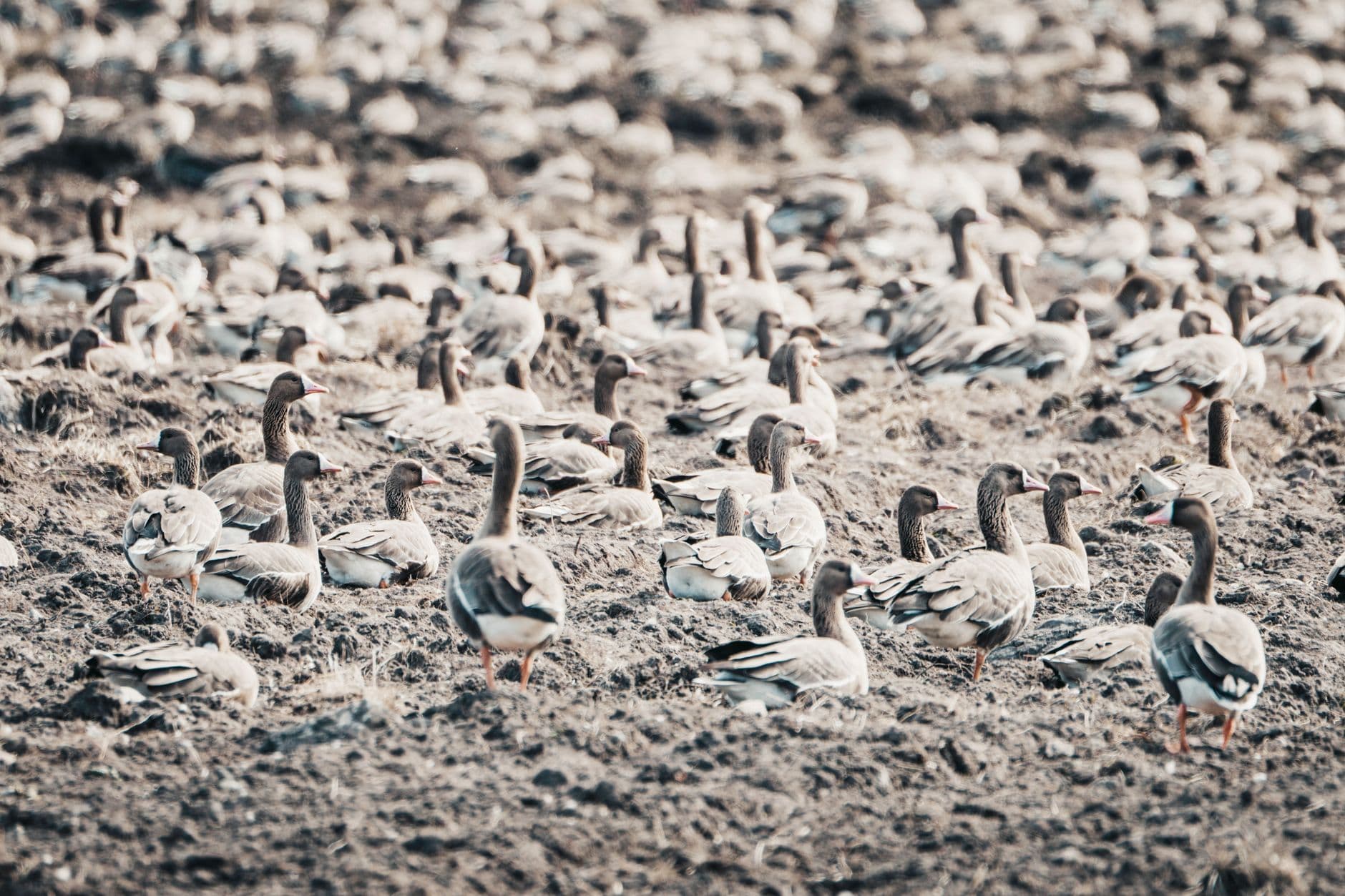
Creamer's Field Migratory Waterfowl Refuge
Photo by Raul Ling on Pexels
The farm structures silhouette beautifully against the low afternoon light around 1pm this time of year—bring a wide lens for the open wetland vistas.
Wheelchair accessible with flat paths and benches roughly every 200 meters, though winter snowpack may require careful footing.
Lunch
Forget Me Not Espresso $
Cafe/Coffee · Near Creamer's Field
Warm up with strong coffee and simple sandwiches after a cold morning walk—unfussy and quick, ideal for a family on the move.
Gyros & More $
Greek · Near Creamer's Field
Hearty, affordable gyros and fries that satisfy hungry teens without ceremony.
Optional detour: KanpaiAfter Creamer's Field Migratory Waterfowl Refuge
A fun, teen-approved sushi option if the family wants something different from typical Alaskan fare on day one. Skip if: Skip if everyone's craving something heartier after a cold outdoor walk—gyros or a cafe sandwich may hit the spot better.
If it rains: Both stops today are largely indoor-friendly or short outdoor walks—Santa Claus House is mostly indoors, and Creamer's Field trails remain open in light snow, just muddier and slower going.

The day starts easy, easing everyone into Fairbanks time with reindeer, pine-scented gift shops, and a Christmas spirit that never quite leaves the building. It's a low-stakes, high-charm way to shake off travel fatigue before the wilder days ahead.

After lunch, the pace shifts toward quiet and cold-air clarity at Creamer's Field, where snow-blanketed marshland offers a different kind of stillness—less spectacle, more breathing room, and a good stretch of the legs on flat, forgiving trails.

With darkness falling early (as it does all winter here), the evening is intentionally unstructured—settle into your downtown or North Pole lodging, grab a casual dinner nearby, and let the family recalibrate for tomorrow's drive northeast into the wilderness.

Geothermal Retreat

Day 2: Steam and Stars: Into the Chena Wilderness

A full day centered on Chena Hot Springs, combining a scenic 1-hour drive, restorative soaking, and an evening built around aurora-watching, with minimal walking (under 1 mile) but significant time outdoors in the cold.

Wear
Swimsuit under layers for the soak, insulated parka and snow boots for transitions between pools and cold air, extra dry socks, and warm layers for late-night aurora watching.
Budget
$150-220 for the family (day pass, meals, possible lodging upgrade)
60 min driveAn hour northeast on Chena Hot Springs Road, spruce and birch blurring past under a pale winter sky—watch for moose crossing near the road's forested stretches.
11:00 AM - 3:00 PM
Chena Hot Springs · morning · 240 min · Chena Hot Springs Wilderness Retreat

The shock of stepping from sub-zero air into mineral-warm water is almost narcotic—steam rolls off the pool's surface into the frigid sky, and the forest around goes utterly silent except for the low hum of the geothermal plant somewhere in the trees. Teens get real autonomy here, floating and chatting away from parents in the outdoor pool, while adults can finally exhale into the heat after a season of bundling up. Multiple soak sessions with a lunch break in between make the whole day feel unhurried and restorative.

Chena Hot Springs
Durtsche, Bruce M Hobgood, Winston Burris, Jan United States. Bureau of Land Management. Alaska State Office / wikimedia (Public domain)
If staying past sunset, the pools become extraordinary after dark when aurora activity is strong—bring a tripod and a phone or camera capable of long exposure.
Wheelchair accessible with flat paths, frequent benches, and accessible pool areas.
Lunch
Chena Hot Springs Restaurant $$
Regional · At Chena Hot Springs
Hearty Alaskan comfort food—think reindeer sausage and warm soups—perfectly timed between soak sessions.
Dinner
Aurora Cafe $
Coffee shop, sandwiches · At Chena Hot Springs
Simple, satisfying sandwiches and hot drinks if the family wants a lighter evening meal before aurora watching.
Optional detour: Angel Rocks (hiking)Before Chena Hot Springs, if arriving early enough
For families craving a physical challenge, a shortened morning attempt at the lower boulder field offers dramatic granite views before the soak becomes the day's centerpiece. Skip if: Skip entirely in deep winter if trail conditions are icy or visibility is poor—the exposed granite becomes dangerous, and the full hike is better saved for tomorrow's dedicated adventure day.
If it rains: Chena Hot Springs is designed for all weather—indoor pools and lodging mean snow or storms don't disrupt the day; the contrast of steaming water against a snowy landscape is part of the appeal.

The drive out is a decompression in itself, forest thickening around the road as Fairbanks recedes—by the time you arrive at Chena, the only agenda is warmth, water, and watching your breath turn to fog above the steaming pools.

Lunch at the on-site restaurant refuels everyone with hearty regional fare, and a second soak session in the afternoon light lets teens claim a bit of independence in the water while parents linger over quieter conversation nearby.

As true dark settles in, the sky over Chena becomes the main event—layer up, step outside from the warm pools, and watch for the first green ribbons of aurora, an experience that reliably outshines any screen in a teen's pocket.

Wilderness Adventure

Day 3: Granite and Sky: The Angel Rocks Ascent

An intense, adventure-focused day centered on the Angel Rocks trail, covering approximately 3-4 miles of steep, uneven terrain with significant elevation gain—the most physically demanding day of the trip.

Wear
Sturdy insulated hiking boots with traction spikes, moisture-wicking base layers, windproof outer shell, gloves, and a warm hat—layers you can shed and re-add as exertion changes body temperature.
Budget
$60-100 for the family (packed lunch supplies, post-hike meal)
15 min driveA short hop further along Chena Hot Springs Road from your overnight lodging, the road narrowing as the forest presses closer.
9:00 AM - 12:00 PM
Angel Rocks (hiking) · morning · 180 min · Chena Hot Springs Wilderness Retreat

The trail climbs fast, boots crunching over scree and packed snow, breath visible and ragged in the thin cold air—then the granite outcrops open up and suddenly you're looking out over an endless sea of dark spruce stretching to the horizon. This is the day's big adventure payoff, the kind of physical challenge that teens genuinely engage with, especially with the reward of a summit view that feels earned. Arrive by 9am and the trail is essentially empty; by midday on clear weekends it fills with other hikers chasing the same view.

Angel Rocks (hiking)
U.S. National Park Service, restoration/cleanup by National Park Maps (https://npmaps.com) / wikimedia (Public domain)
The summit granite outcrop offers panoramic shots best captured in late-morning light, when the low winter sun rakes across the valley without harsh shadows.
Not recommended for those with mobility limitations—steep, uneven terrain with no shelter; descend immediately if weather turns.
Lunch
Chena Hot Springs Restaurant $$
Regional · Near Angel Rocks trailhead
A well-earned hot meal after the hike—reindeer chili or hearty soup hits exactly right when you're still thawing out.
Optional detour: Chena Hot SpringsAfter Angel Rocks (hiking)
A second soak session is the perfect antidote to sore legs and cold muscles after the morning's climb—genuinely one of the best possible ways to end a hike in winter. Skip if: Skip only if the family is short on time or budget for a second day pass; the hike alone is a full, satisfying adventure on its own.
If it rains: If weather deteriorates or trail conditions turn icy and dangerous, descend immediately and redirect the day toward a relaxed soak session at Chena Hot Springs instead—no shelter exists on the exposed granite, so safety takes priority.

This is the day the trip earns its adventure credentials—steep switchbacks, thin cold air, and a granite summit that rewards every labored breath with a 360-degree view of Alaska's raw interior, wind roaring across exposed stone.

Legs tired and cheeks wind-burned, the group descends slowly, boots finding their footing on the scree, before retreating to the warmth of a hot meal—reindeer chili has never tasted better than after three hours in sub-freezing air.

With muscles aching pleasantly, the evening calls for rest—an optional second soak at the hot springs melts away the day's exertion, and an early night makes sense before heading back toward Fairbanks tomorrow.

Departure & Reflection

Day 4: Last Light: Wetlands and Farewell Warmth

A lighter closing day returning to Fairbanks proper, revisiting Creamer's Field for a final quiet walk before departure, with under 2 miles of easy walking.

Wear
Insulated parka, warm boots, layered clothing suitable for both outdoor walking and airport transit.
Budget
$50-90 for the family (final meals, last-minute souvenirs)
75 min driveThe return drive from Chena Hot Springs Road, forest opening back up into the familiar sprawl of Fairbanks as morning light stretches thin and gold across the snow.
9:00 AM - 10:30 AM
Creamer's Field Migratory Waterfowl Refuge · morning · 90 min · Downtown Fairbanks & North Pole Circuit

A final, quieter walk through the refuge feels like an appropriate bookend—the same flat trails from day one now familiar, the cold air a little less shocking than it was four days ago. It's an easy way to stretch legs before travel, and the open wetland views under the low winter sun make for a peaceful last look at the Interior before heading to the airport or beginning the drive home.

Creamer's Field Migratory Waterfowl Refuge
Photo by Raul Ling on Pexels
Morning light around 9:30am skims low across the open water and wetland vistas—arrive early for the softest light and fewest other visitors.
Wheelchair accessible with flat paths and frequent benches, though winter snowpack may require careful footing.
Breakfast
Forget Me Not Espresso $
Cafe/Coffee · Near Creamer's Field
A final relaxed coffee and pastry stop before the day's travel logistics begin.
Lunch
Chicken Town $
Chicken · Near Creamer's Field
Casual, crowd-pleasing comfort food for a last easy family meal before departure.
Optional detour: North Pole (Santa Claus House)After Creamer's Field Migratory Waterfowl Refuge, before departure
A last-minute souvenir run for families who didn't finish shopping on day one, especially for holiday-loving teens or younger siblings. Skip if: Skip if time is tight before a flight or if the family already got their fill of Christmas kitsch on arrival day.
If it rains: Creamer's Field trails remain walkable in light snow; if conditions are harsh, shorten the walk to the accessible main loop near the visitor center and head to a cafe for the remaining time.

The trip closes gently, echoing its opening day—a quiet walk through snow-hushed wetlands, breath fogging in the cold, one last chance to notice how different this frozen version of the refuge feels from any summer visit.

A final casual meal near Creamer's Field gives the family time to decompress and swap favorite moments from the trip—soaking under the aurora, the granite summit, the reindeer at Santa's yard—before the practical business of departure takes over.

Departure logistics wrap the trip quietly; whether heading to the airport or beginning the long drive south, the last light over the Interior offers a final, understated goodbye to a place built on extremes of cold, dark, and warmth found in unexpected pockets.

Want to tweak this trip?

Our AI planner can customize this itinerary to your exact dates, interests, and travel style.

Customize This Itinerary
Good to Know

Restaurant details (hours, menus, availability) change frequently, especially in shoulder seasons when many Fairbanks-area establishments reduce hours or close temporarily. Check current hours before visiting.

Dietary compatibility tags are general guidance. If you have severe allergies, confirm directly with the restaurant.

Travel tips are general guidance, not professional safety advice. Winter conditions in Interior Alaska can change rapidly—check government advisories and road conditions before departure.

All prices are approximate and may vary seasonally, especially around holiday periods when North Pole and Fairbanks attractions see fluctuating demand.

We use cookies to improve your experience and analyze site usage. Essential cookies are always active. You can customize your preferences or accept all cookies. Cookie Policy