Kenai Peninsula (Seward, Homer, Cooper Landing), Alaska
3-Day Itinerary for Solo Traveler
“Ice, Silence, and Salt Wind: 3 Winter Days on the Kenai Peninsula”

In winter the Kenai empties out and turns inward — glaciers groan under a colder blue light, the Sterling Highway unspools past frozen rivers with hardly another car in sight, and Homer's harbor creaks under frost instead of tourist chatter. This is Alaska stripped to its bones, best met slowly, alone, and well-layered.
At a Glance
Highlights
- Standing alone at Exit Glacier's terminus in near-silence, ice groaning overhead
- Driving the empty Sterling Highway past snow-draped spruce and frozen river bends
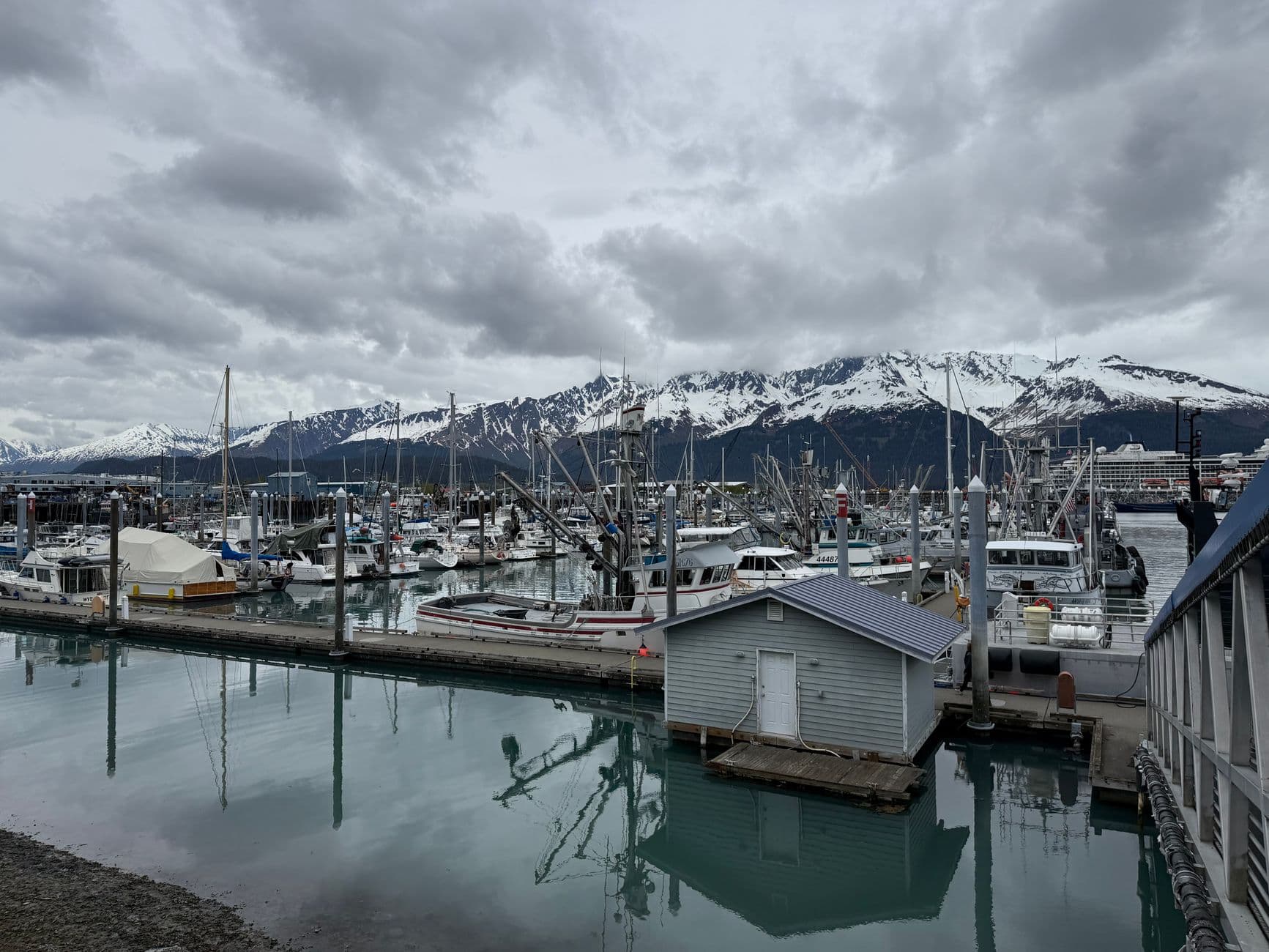
- Watching the Homer fishing fleet ride out a winter swell against the Kenai Mountains
- Harbor-side seafood chowder eaten at a communal table with off-season locals
- Photographing blue-hour light on Kachemak Bay with barely another soul on the Spit
- Chugach National Forest hush at Russian River, its banks quiet and rimed with frost
Day-by-Day Plan
Day 1: Into the Quiet: Seward and the Edge of the Icefield
A gentle orientation day centered on Exit Glacier's accessible lower trail and Seward's harbor stillness, roughly 2-3 miles of walking at an easy pace.
Arrive as close to sunrise as the season allows — in winter that might mean 9:30 or 10am, but you'll likely have the trail to yourself regardless. The roar of meltwater is quieter now, sometimes silenced entirely under ice, and the blue-white face of the glacier looks almost unreal against a low winter sun. Tread carefully; the lower trail can be icy, so microspikes are worth packing if you have them.

Boat tours and the Harding Icefield Trail itself are essentially closed or highly inadvisable in winter conditions, so treat this stop as a slower loop back through the valley and a visit to whatever visitor center services remain open — call ahead, as winter hours are limited. The valley in snow has a hush to it that summer crowds never allow; distant peaks glow pink-white in the low sun.

The day opens slow and cold, with frost still clinging to the spruce as you make your way to Exit Glacier's trailhead under a sky just beginning to lighten. The lower trail, though shorter than in summer, delivers the same visceral punch — towering blue ice, the mineral tang of glacial silt, the strange quiet of a landscape holding its breath through winter.
After the glacier, the pace eases further. Wander back toward Seward proper, where the harbor sits mostly still, boats iced at their moorings and the mountains behind town catching the day's last real light by early afternoon. This is a day for slow observation rather than ambition — let the cold and quiet set the rhythm.
With dusk arriving early, settle into Seward for the evening — check locally for whichever restaurants remain open through winter, as many summer-only spots close entirely. A warm meal and an early night make sense here; tomorrow's drive to Cooper Landing deserves full daylight.
Day 2: The Silent Middle: Cooper Landing and the Frozen Russian River
A driving-and-walking day through Chugach National Forest, centered on the hushed winter banks of the Russian River, with roughly 2 miles of walking.
The bears are gone for the season, dormant somewhere back in the hills, but the river itself in winter has its own severe beauty — icy banks, black open water threading through snow, and a silence so complete you can hear your own breath. Arrive mid-morning once the low winter sun has cleared the ridgeline; earlier and you're walking in near-darkness. This is a spot for patience and layers, not fast movement.

Give yourself extra time for the drive south — winter roads demand it, and the Sterling Highway in low light and snow is not a route to rush. By the time you reach Cooper Landing the light has usually settled into its long winter gold, and the Russian River unspools quiet and half-frozen through the forest, utterly different from its salmon-run summer self.
There's little urgency to the afternoon here — Cooper Landing in winter is defined by its stillness, a scattering of lodges and little else, so let the pace slow to match the place. A short walk along whatever accessible riverbank stretch is safe, some time simply sitting with the cold and the silence, and then the return drive begins while daylight remains.
Aim to be back on the road toward your evening base with real daylight to spare — winter dusk falls fast and driving this stretch after dark adds real risk. Settle in wherever you're staying for the night, warm up properly, and let the day's cold quiet settle into something restorative rather than exhausting.
Day 3: Salt and Frost: Homer Spit in Winter Light
A full day exploring Homer's working harbor and the Spit's winter stillness, roughly 3 miles of easy, flat walking.
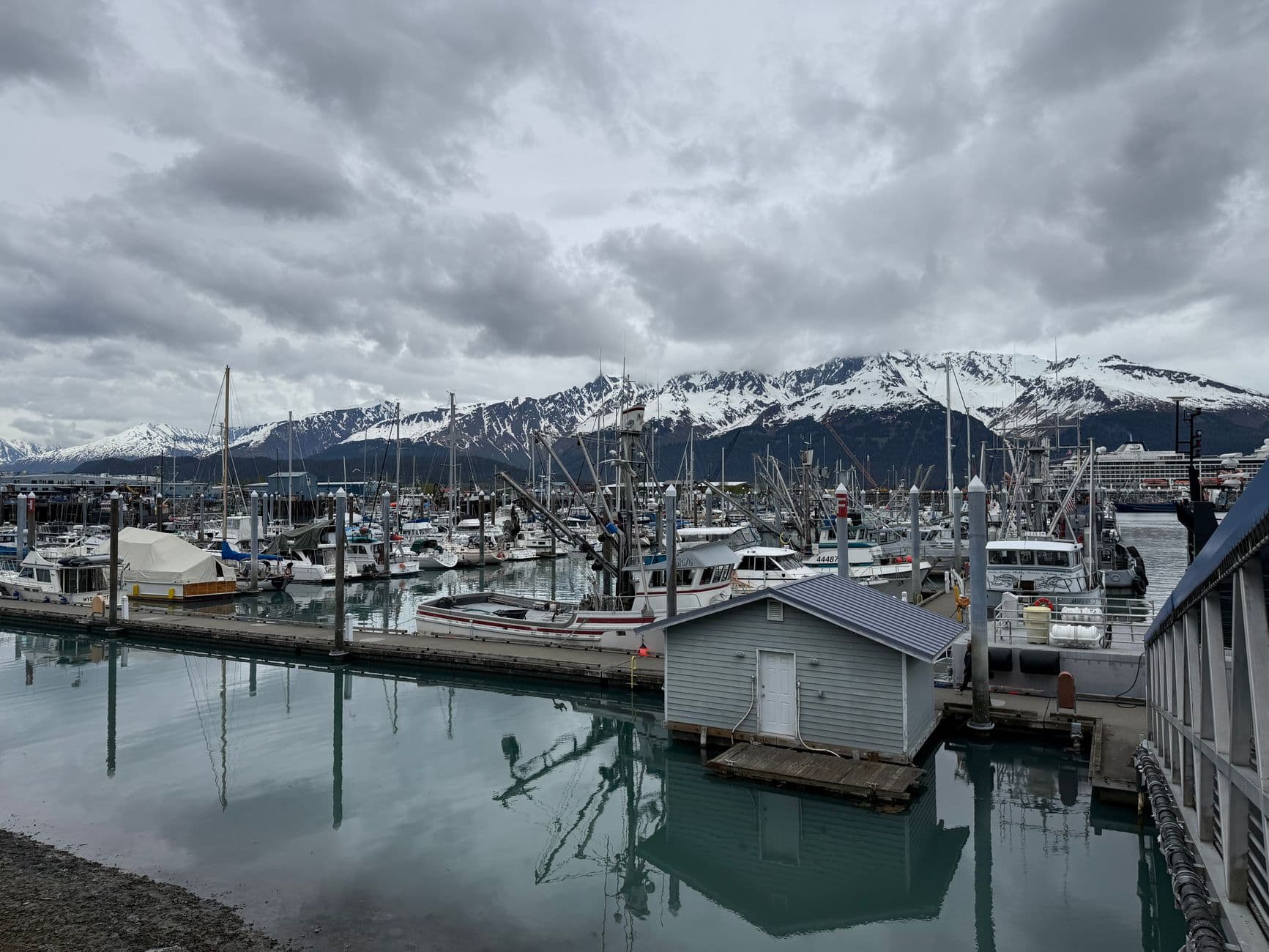
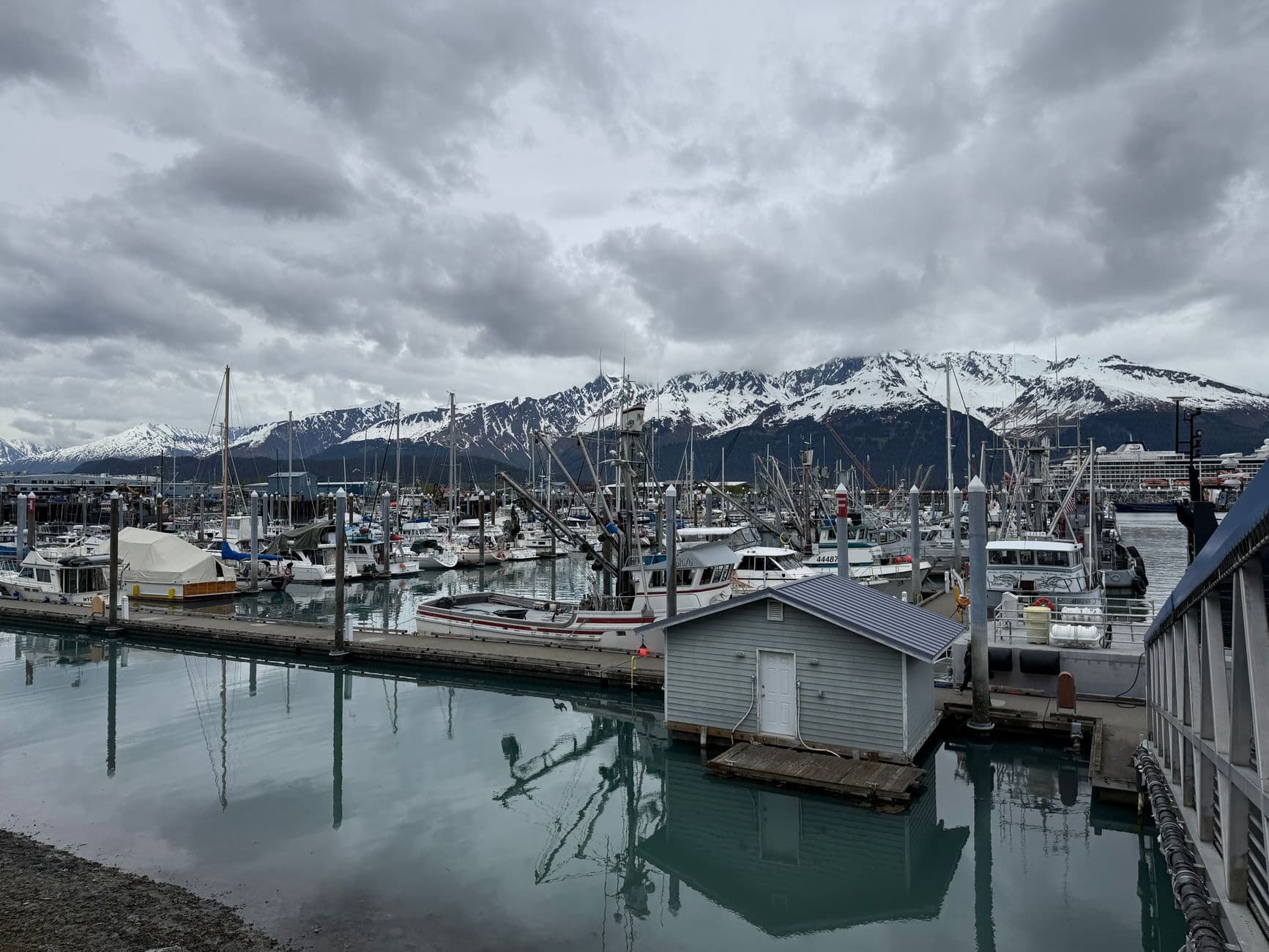
Drive the length of the Spit slowly while the morning light is still low and golden across Kachemak Bay — arrive by 9am and the pullouts are yours alone, none of summer's traffic or crowds. The Alaska Range stands stark and white across the water, and the working harbor below hums quietly with the season's reduced fleet.
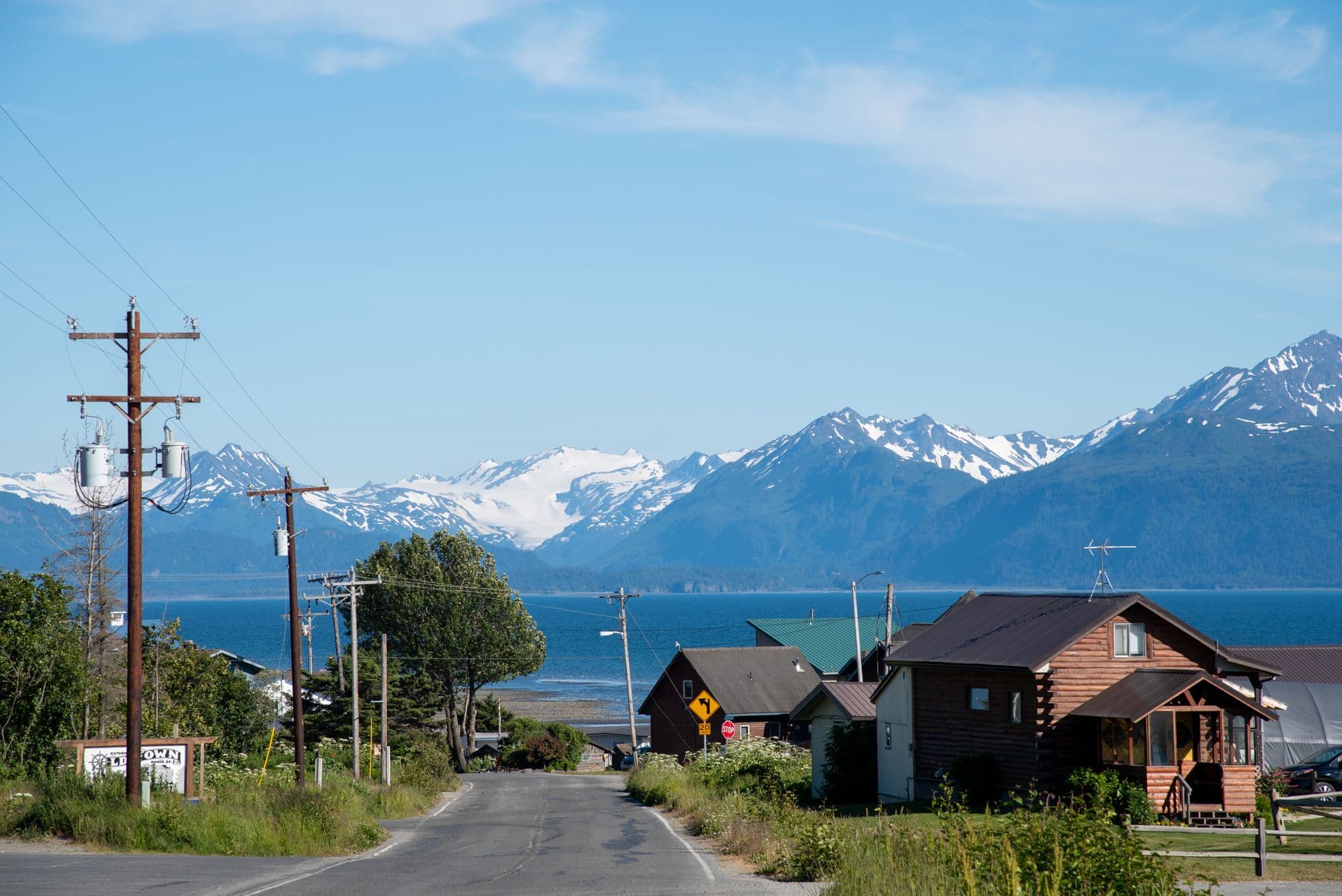
The docks in winter are far quieter than their summer bustle, but the handful of boats still working — and the ones simply riding out the season at their moorings — carry a stripped-down authenticity that's easy to miss when crowds are thick. Listen for the creak of hulls and watch eagles work the shoreline; this is a good spot to strike up conversation with the occasional local walking their dog or checking on a boat.
At the very tip of the Spit, the pebble beach meets the Alaska Range head-on, and in winter there's almost no one else out here — just gulls, the bite of salt wind, and the sheer scale of the mountains rising straight from the water. This is the trip's best solitary moment: give it time, let the cold settle in, and simply look.
The drive down from Cooper Landing eats up much of the morning, but it rewards patience — wide, empty valleys under snow, mountains sharp against a pale sky, hardly another car on the road. By the time Homer's Spit comes into view, the light is doing exactly what winter light does best here: low, gold, and lingering far longer than you'd expect.
The afternoon shifts from driving to walking — slow loops along the docks and out toward the Spit's tip, wind picking up as the day wears on. This is the itinerary's most social stretch, with a couple of easy, unpretentious spots to grab lunch at the bar and chat with whoever's around; even in winter's quiet, Homer's working character comes through.
As the light finally fades — early, but by now you're used to it — settle into one of the Spit's remaining open spots for dinner, ideally somewhere with bar seating where the day's solitude can give way to easy conversation. It's a fitting close to a trip built on contrast: vast, cold silence balanced by small, warm moments of connection.
Want to tweak this trip?
Our AI planner can customize this itinerary to your exact dates, interests, and travel style.
Customize This ItineraryRestaurant details (hours, menus, availability) change frequently, especially in winter when many seasonal establishments close entirely. Check current hours before visiting.
Dietary compatibility tags are general guidance. If you have severe allergies, confirm directly with the restaurant.
Travel tips are general guidance, not professional safety advice. Check government advisories and current road conditions before winter travel on the Kenai Peninsula.
All prices are approximate and may vary seasonally; winter rates are typically lower than summer peak season.