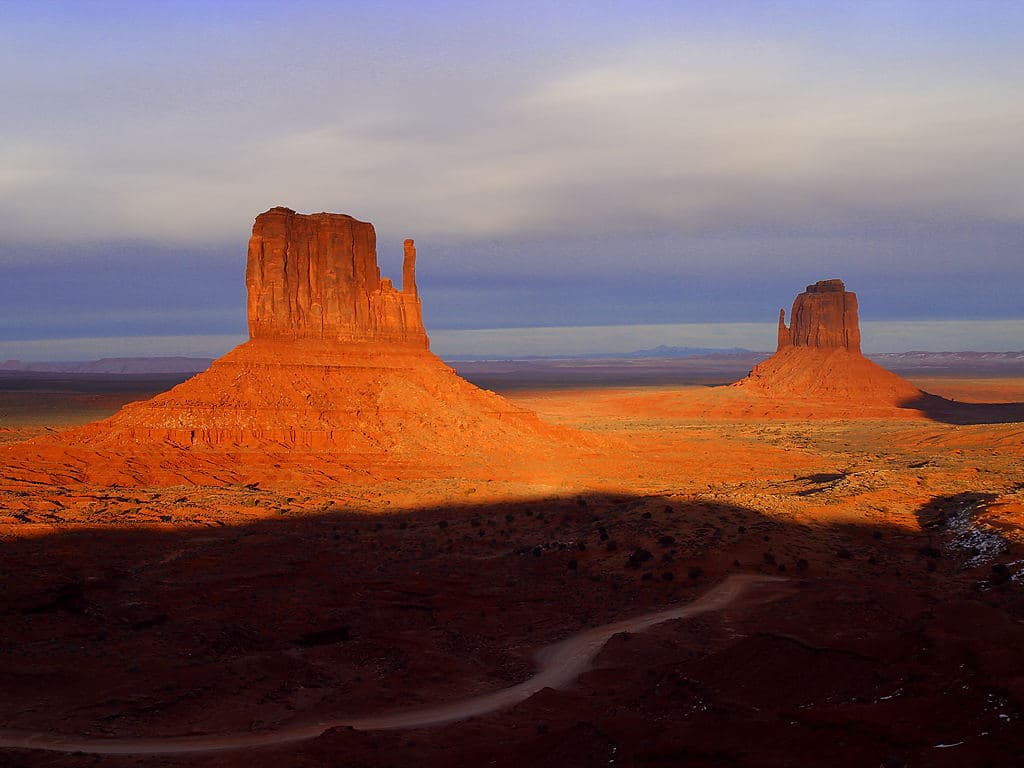
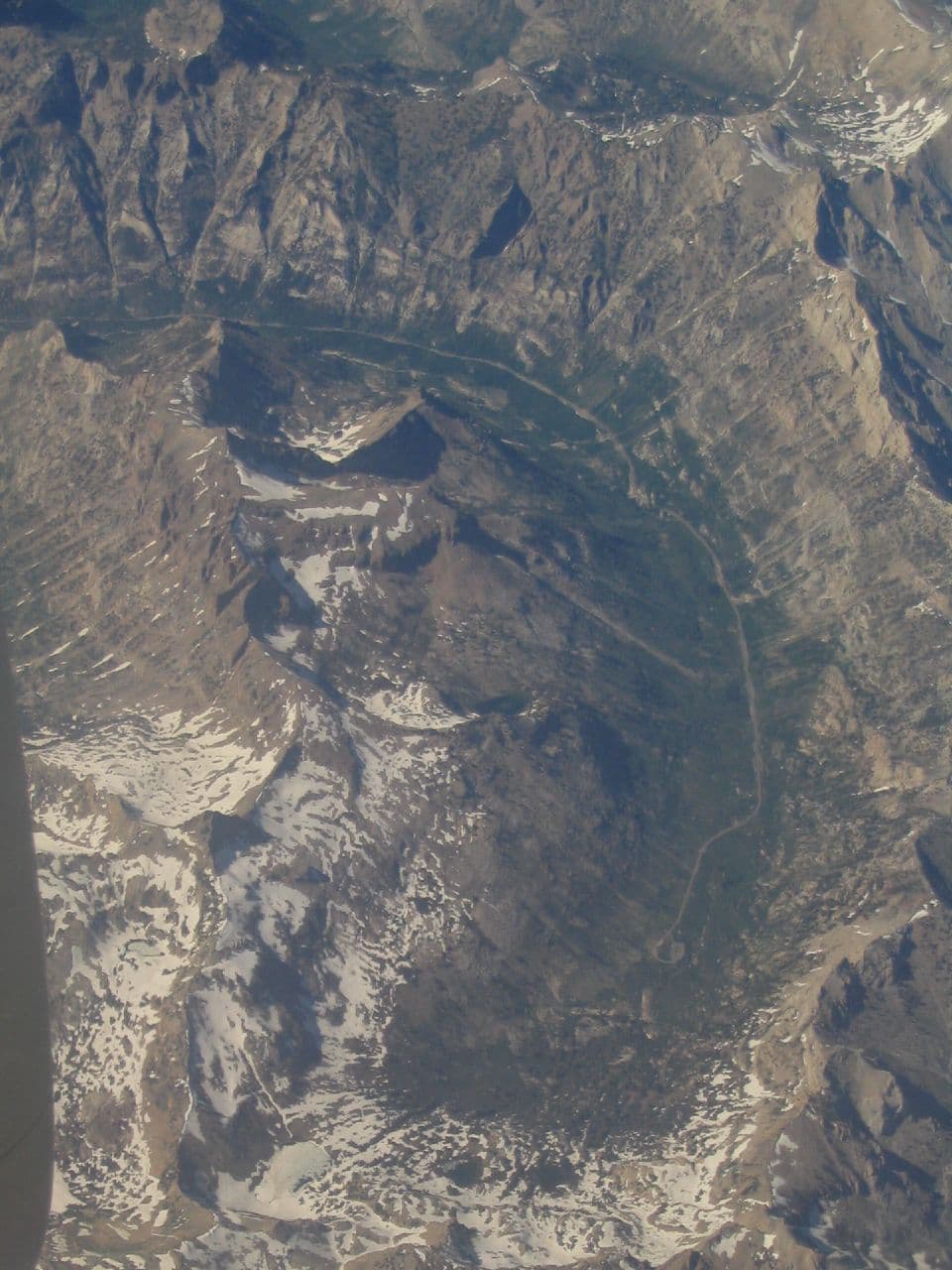
White Mountains (Greer, Alpine), Arizona
4-Day Itinerary for Couples
“Frost, Pines & Quiet Water: 4 Days in the White Mountains”
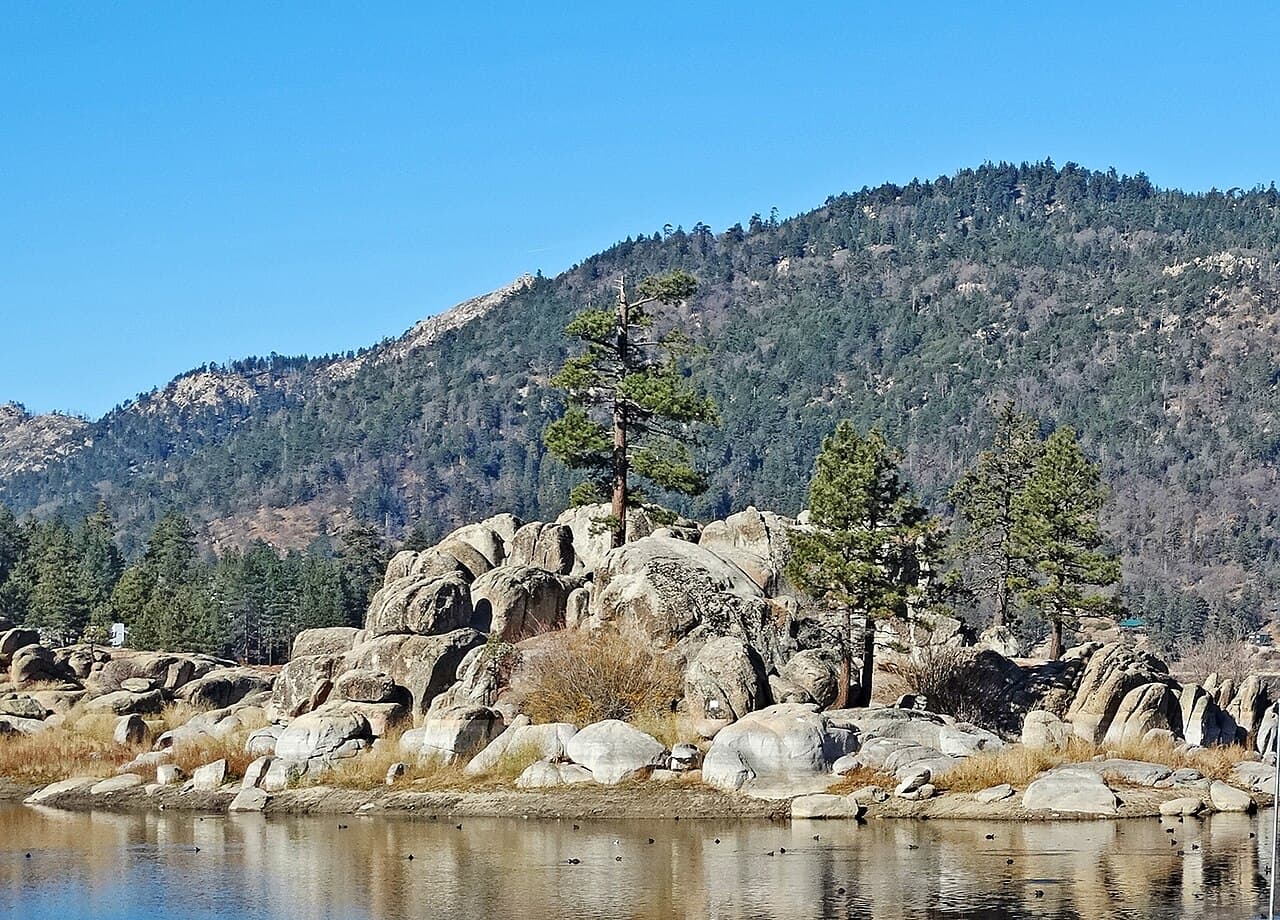
Winter strips the White Mountains down to essentials: bare pine silhouettes against pewter skies, breath fogging in the cold, the hush of a mountain village with half its lights off for the season. This is a trip for couples who want a fireplace to return to and a landscape that asks for nothing but presence.
At a Glance
Highlights
- Frost-rimmed walk along the Little Colorado River in Greer
- Sunset light on Big Lake's still, cold water
- High-altitude solitude near Sunrise Ski Resort's summer-access trails
- Early-morning village strolls with almost no one else around
- Fireside dinners in a village that goes quiet by 8pm
- A slower rhythm built entirely around light, warmth, and each other
Day-by-Day Plan
Day 1: Arrival & the River's Whisper
A gentle arrival day centered on a short riverside walk in Greer and an easy dinner, covering under a mile on foot with low physical demand.
After the drive up from Show Low, let the cold air and the sound of moving water reset you both. In winter the river runs slower and clearer, fringed with ice at its edges, and the ponderosa pines stand hushed and heavy with the season's quiet. There's a particular romance to a near-empty riverside village in winter — no crowds, no noise, just the two of you and the burble of water over stone.
Day one has no morning stops scheduled — this is a travel day, with the drive north from Phoenix or Flagstaff taking the bulk of daylight hours. Expect the final stretch on US-191 to feel increasingly wild as elevation climbs and pines thicken.
Arriving into Greer in the mid-afternoon, check into your lodge and take an easy walk down to the Little Colorado River before the light fades. Winter shortens the day considerably, so this modest outing is calibrated to the season — cold air, quiet water, and the first real taste of mountain hush after hours in the car.
With most village restaurants closing by 8 or 9pm, plan an early dinner and an unhurried evening by the fire. This is a night for settling in, not sightseeing — let the body adjust to elevation and cold before tomorrow's fuller day.
Day 2: Alpine Water & Winter Light
A moderate-energy day centered on Big Lake's frozen-edged shoreline, with roughly 2 miles of walking split across morning and golden-hour visits.
Arrive by mid-morning and the lake will likely be yours alone — winter strips away the anglers and summer crowds, leaving still, cold water rimmed with ice and a forested ridgeline reflected in perfect stillness. The air smells sharply of pine and cold water; the only sound may be your own footsteps on frozen ground and the occasional distant bird call. This kind of solitude is rare and worth savoring slowly, hand in hand.
Return in the late afternoon for a second, entirely different mood — the light turns low and amber, the lake's surface goes glassy and still, and the cold deepens in a way that makes each other's company feel especially welcome. This is the splurge moment of stillness the trip is built around: no agenda, just watching the light change together.
Set out early for Big Lake while the light is still soft and the shoreline empty — winter mornings here are still and cold, the kind of quiet that makes conversation feel unnecessary. Move slowly along the accessible shoreline sections, watching mist lift off the water as the sun climbs.
After a relaxed lunch break, the pace shifts toward anticipation — the return trip to Big Lake for golden hour is really about waiting for the light rather than covering ground. Bundle up properly; the temperature drop as the sun lowers is noticeable and swift at this elevation.
Head back into Greer as dusk falls fast this time of year, aiming for an early dinner before the village's limited winter hours close things down. Let the evening be unhurried — a fireside dinner and an early night suit the mountain's slow rhythm.
Day 3: High Country & Alpine Solitude
A moderate day exploring the Sunrise Ski Resort area's winter access points and quieter Alpine surroundings, with light walking totaling under 2 miles.
In winter this becomes Arizona's working ski mountain rather than a summer meadow, but the sense of scale remains — 11,000 feet of elevation, sharp cold air, and views that stretch toward distant ridgelines dusted in snow. Arrive by mid-morning to catch the mountain before it gets busy, and take in the crisp stillness of high-altitude forest, snow-laden firs, and that particular hush that only exists this far above the desert floor.

Head up early toward the Sunrise area while roads are clearest and light is best, dressing for real cold and possible deep snow underfoot. This is the day's most physically active stretch, so pace yourselves and take breaks to simply take in the view.
After a warming lodge lunch, the pace eases — descend back toward Greer with the option of a quiet second look at the river in shifting afternoon light, letting the day wind down gradually rather than packing in more activity.
With the body pleasantly tired from elevation and cold, an early, hearty dinner suits the mood best. This is a good night for the trip's more special dinner — reserve ahead if possible, since winter hours are limited and tables are few.
Day 4: Last Light on the River
A light, low-key final day returning to Greer's riverside for a farewell walk before departure, with minimal walking and an easy pace.
One last visit to the river, and arriving by 8:30am means having it entirely to yourselves — by mid-morning even this quiet village sees a little more foot traffic. The cold is sharpest at this hour, breath visible, ice crusting the slower edges of the water, but there's a stillness here worth the chill, a final quiet moment before the drive back down to the desert.
Take one final unhurried walk to the river before breakfast and checkout, letting the cold morning air and quiet village be the trip's closing note. There's no rush — this is a morning for lingering, not covering ground.
Begin the drive back down through Show Low toward Phoenix or Flagstaff, watching the pines thin and the elevation drop as mountain winter gives way to desert warmth. Consider a midpoint stop for lunch in Show Low if timing allows, since options thin out considerably above that point.
By evening, the journey home should be well underway or complete, the mountain cold and quiet already starting to feel like a good, distant memory worth returning for.
Want to tweak this trip?
Our AI planner can customize this itinerary to your exact dates, interests, and travel style.
Customize This ItineraryRestaurant details (hours, menus, availability) change frequently, especially in winter when many mountain-town establishments reduce hours or close certain days — check current hours before visiting.
Dietary compatibility tags are general guidance. If you have severe allergies, confirm directly with the restaurant.
Travel tips are general guidance, not professional safety advice. Winter mountain road conditions can change rapidly — check government and ADOT advisories for the latest information before driving.
All prices are approximate and may vary seasonally.
Attractions in This Itinerary
More Itineraries for White Mountains (Greer, Alpine)
Explore Arizona