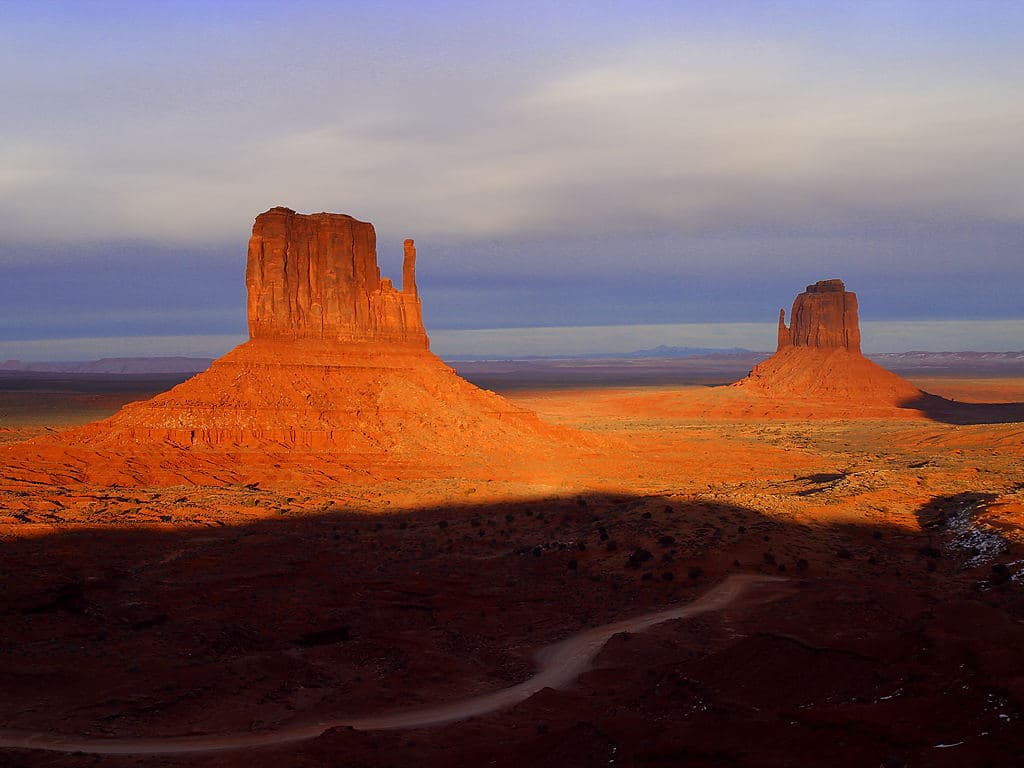
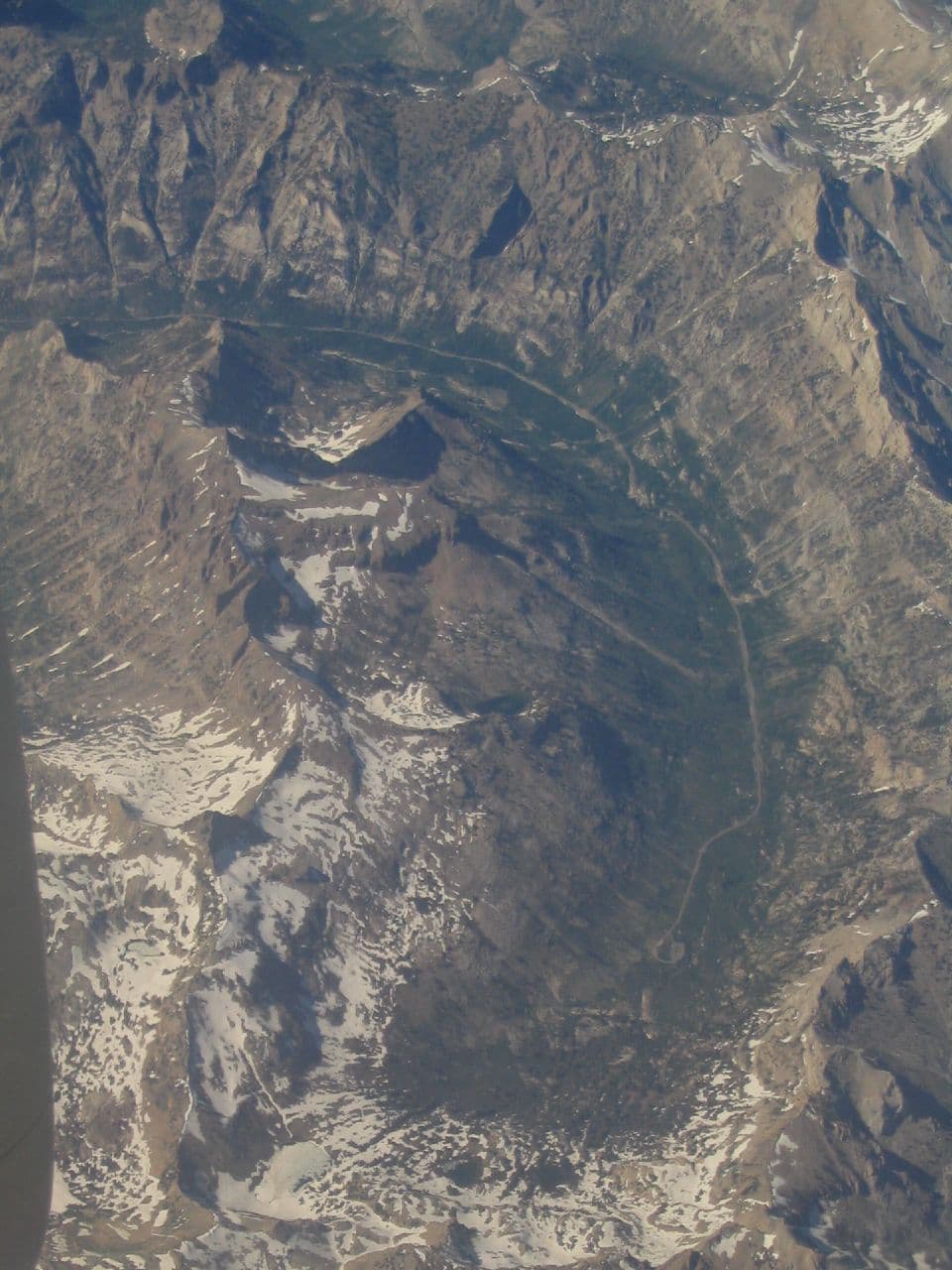
White Mountains (Greer, Alpine), Arizona
4-Day Itinerary for Active Retirees
“Alpine Hush: Four Slow Days in Greer and Alpine”
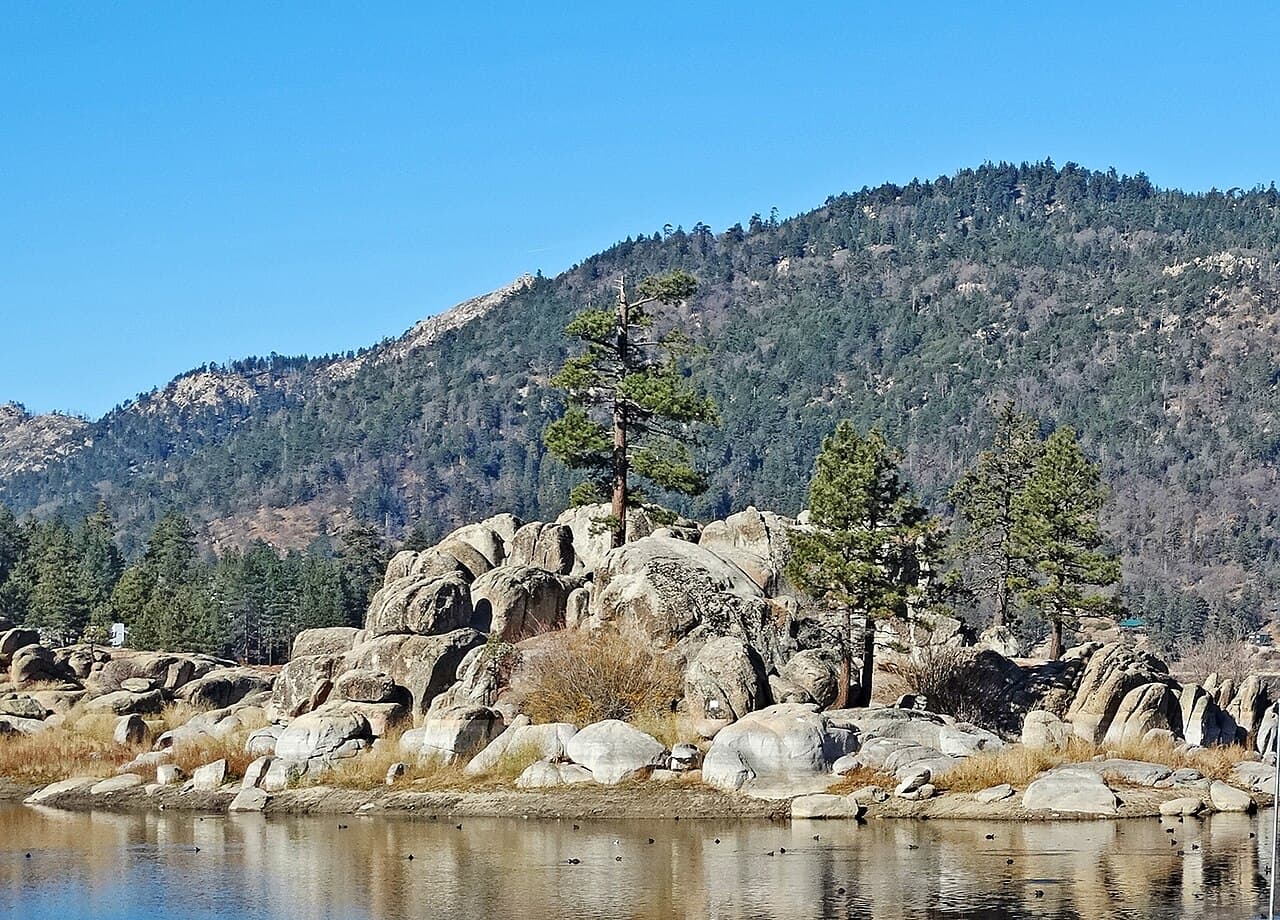
Snow settles heavy on ponderosa boughs and the Little Colorado River runs dark and slow beneath its icy fringe. This is a season for wool sweaters, wood smoke, and long unhurried looks at mountains that ask nothing of you but attention.
At a Glance
Highlights
- Frost-rimmed river walks in Greer village
- Sunrise Ski Resort's high-elevation winter stillness
- Big Lake's frozen hush and ridge reflections
- Early-morning light with almost no other visitors
- Slow mountain pacing built around benches and views
- Wood-stove warmth after cold, bright days
Day-by-Day Plan
Day 1: Arrival and the River's Slow Hello
A light arrival day centered on a single easy stop in Greer village, with minimal walking (under 1 mile) and low physical demand to allow for altitude adjustment.
The river moves slow and dark here in winter, threading between snow-dusted banks and stands of ponderosa pine, its edges crusted with a thin lace of ice. Arrive in early afternoon, once the morning chill has lifted a little, and you'll likely have the overlook to yourself — a rare kind of quiet that settles into the shoulders after a long travel day. Take this first stop slow: there's no itinerary to rush, just cold air, moving water, and the soft creak of pines shifting in the wind.
Morning is reserved for travel and settling into lodging — the long drive up from Phoenix or Flagstaff takes several hours, and altitude alone asks for a slower pace once you arrive. Use this time to unpack, rest, and let the mountain quiet start to work on you.
By early afternoon, once travel fatigue has eased, a short outing to the Little Colorado River in Greer offers a gentle first taste of the landscape — cold air, moving water, and pine-scented stillness, all within easy reach of the village.
Evening calls for warmth and an early night. With options limited in the immediate area during winter, plan your dinner around whatever village lodging or dining is confirmed open that day, and settle in early — the mountains reward rested mornings.
Day 2: High Alpine Air at Sunrise
A moderate half-day devoted to Sunrise Ski Resort's winter landscape, followed by a quiet afternoon back in Greer; total walking under 2 miles at a relaxed pace.
At over 11,000 feet, the air here is thin and bright, and in winter the meadows below the lodge lie quiet under snow, framed by dark stands of fir. Arrive by mid-morning and the parking areas will be nearly empty — most winter visitors here come for skiing rather than the quieter high-elevation scenery, so the overlooks near the lodge feel wonderfully uncrowded. Take it slow; the altitude can catch up with you quickly, and there's no need to venture onto any groomed runs to appreciate the scale of the view toward Greer.

Morning brings the trip's most dramatic scenery — the drive up to Sunrise climbs steadily through snow-heavy forest until the trees open onto wide alpine meadows. Arrive before 10 AM for near-empty overlooks and soft morning light across the ridgelines toward Greer.
Descending back toward Greer in early afternoon, the pace slows considerably. This is a good stretch for a simple lunch and a rest, letting the morning's altitude and cold wear off gradually before any further activity.
Evening is quiet and low-key, best spent close to lodging with an early dinner and rest — tomorrow's excursion to Big Lake calls for a similarly early start.
Day 3: Frozen Stillness at Big Lake
A full but gentle day at Big Lake Recreation Area, with a short shoreline walk and long stretches of scenic rest; walking kept under 2 miles total.
In winter, Big Lake often wears a skin of ice at its edges, and the surrounding ridgelines double themselves in the still water further out. Arrive early — by 9 AM the lake is nearly silent, with only the occasional call of a bird cutting through the cold air, and by midday a handful of anglers or photographers may drift in, though crowds here rarely amount to much even in peak season. This is a place built for sitting rather than striving: find a spot along the northern shoreline, let the cold settle in, and watch the light shift across the water.
The drive to Big Lake winds through open, snow-quiet country, and arriving early rewards you with a nearly private lake — just ice-rimmed water, distant ridgelines, and the soft creak of cold air moving through pines. This is the day's centerpiece, best taken unhurried.
By early afternoon, as the wind picks up off the water, it's time to retreat toward the car and begin the slow drive back, perhaps with a stop to stretch legs at a scenic pullover along the way.
Evening settles in quietly with an early dinner and rest, the day's cold air and wide views leaving a pleasant tiredness rather than exhaustion — exactly the kind of day this mountain country is built for.
Day 4: Last Light on the River
A light closing day returning to Greer's riverside for a final unhurried visit before departure, with under 1 mile of walking.
A final morning at the river feels different from the first — familiar now, the cold water and pine-shadowed banks offering a quiet closing note before the drive back down the mountain. Arrive early, before 9:30, and the village will still be waking up slowly, giving the overlook a hushed, almost private quality. There's no need to walk far; a bench-side pause and a last look at the water is enough.
The final morning is unhurried and reflective — one last visit to the river in Greer, where the cold air and quiet water offer a gentle close to the trip before the long drive back toward Phoenix or Flagstaff begins.
Afternoon is reserved for travel, with the descent from the high country gradually giving way to warmer, lower-elevation terrain as the mountains fade in the rearview mirror.
Evening likely finds you back near the airport or home, the crisp mountain air and quiet alpine days already settling into memory as a welcome contrast to the desert heat left behind.
Want to tweak this trip?
Our AI planner can customize this itinerary to your exact dates, interests, and travel style.
Customize This ItineraryRestaurant details including hours, menus, and seasonal availability change frequently, especially in small mountain communities during winter; confirm directly before planning a visit.
Dietary compatibility notes are general guidance only; travelers with severe allergies or restrictions should confirm directly with any dining establishment.
Travel and road condition tips are general guidance, not professional safety advice; check current Arizona Department of Transportation reports and local ranger stations before heading into higher elevations in winter.
All prices are approximate estimates and may vary by season, availability, and current local conditions.
Attractions in This Itinerary
More Itineraries for White Mountains (Greer, Alpine)
Explore Arizona