San Luis Valley (Alamosa, Monte Vista), Colorado
3-Day Itinerary for Couples
“Dunes, Frost & Wingbeats: A Winter Escape Through the San Luis Valley”

Winter strips the San Luis Valley down to its bones—cold light on sand, frost-rimmed wetlands, and a silence so complete you can hear your own breath. This is a trip for couples who want solitude dressed up as scenery, with dunes and dawn skies mostly to yourselves.
At a Glance
Highlights
- Sunrise light raking across snow-dusted dunes with almost no one else around
- A frozen, mist-veiled waterfall reached by a quiet snowy trail
- Crisp winter air over the Monte Vista wetlands, alive with wingbeats
- Golden hour on the tallest dune ridge with the Sangre de Cristos behind you
- Slow, unhurried pace built for two, not a checklist
- Low winter crowds mean private-feeling access to major landmarks
Day-by-Day Plan
Day 1: Arrival & First Light on the Dunes
A light arrival day with one signature stop at Great Sand Dunes, easy pacing, and an early dinner to adjust to the valley's early rhythm; estimated walking distance 1.5–2 miles.
In winter, the dunes take on a stark, sculptural quality—cold light carving deep shadows into every ridge, and often a light dusting of snow tracing the crest lines against the Sangre de Cristo peaks. Couples can walk as far or as little as they like; even a modest climb up the first ridge rewards with sweeping views and near-total quiet, since most visitors have gone home by afternoon. Arrive before 2pm to catch the sun still high enough for texture and warmth, and stay until the light turns gold around 4:15pm for a dramatically different mood.
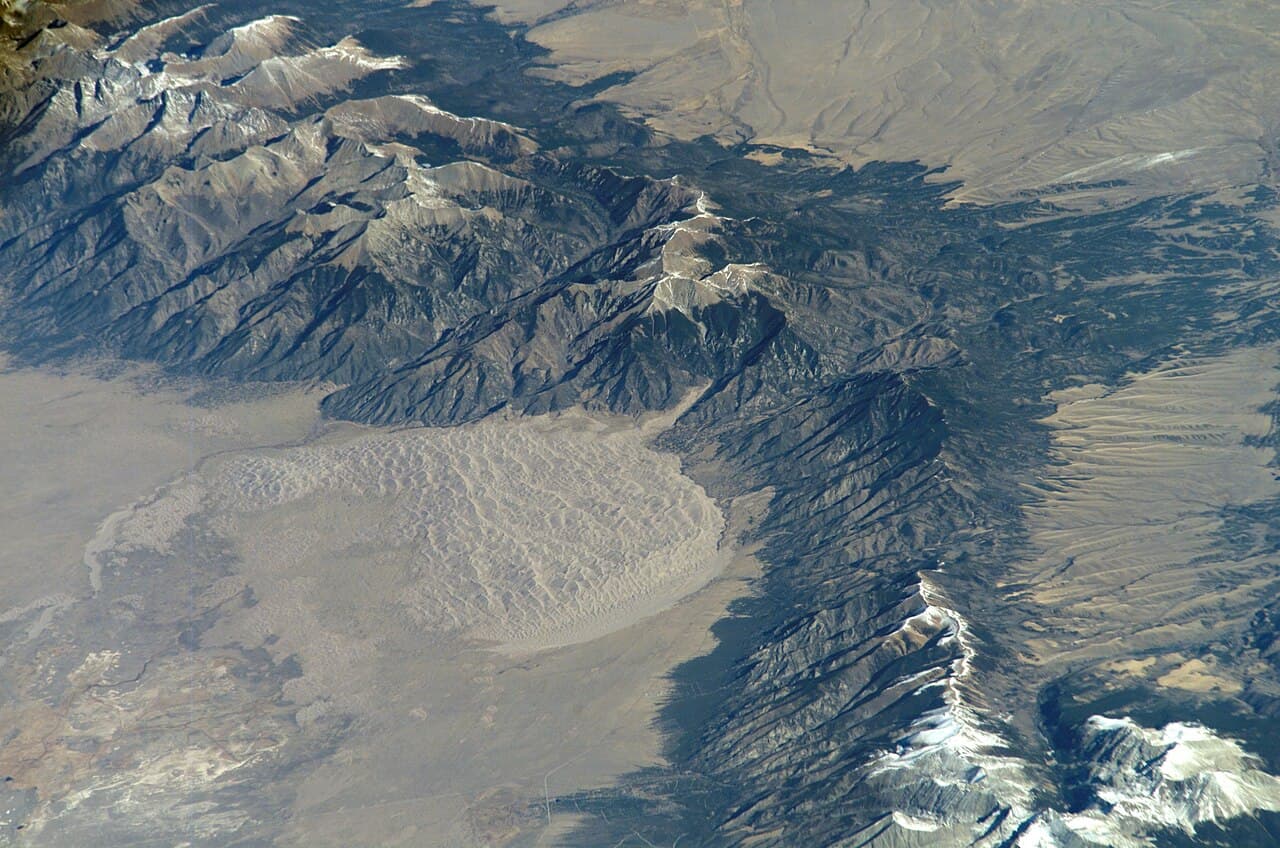
Arrival day starts gently—settle into lodging near Alamosa or the Mosca area, unpack, and let the valley's vast, flat quiet set the tone. There's no rush; winter light is long and low all day, so there's little advantage to an early start today.
Head to Great Sand Dunes for a slow, exploratory walk into the dune field. Winter's thin crowds mean you can wander in near silence, the sand cold and firm underfoot, mountains sharp against a pale sky. Take breaks often—altitude and cold both tire the body faster than expected.
With dinner options in Alamosa not yet mapped in detail for this itinerary, plan to ask locally for a casual, warming meal—hearty regional fare is easy to find, and many kitchens close early, so aim to sit down by 6pm. Turn in early; tomorrow's dawn stops reward those who rise before the light.
Day 2: Waterfall Mist & Dune Sunrise
A fuller day combining a frosty waterfall hike with a return to the dunes for sunset light; estimated walking distance 3–3.5 miles, moderate energy.
Arrive by 8am and the trail will likely be yours alone—just the crunch of snow underfoot and the growing roar of water ahead. In winter the falls often wear a fringe of ice around the edges while the center still runs, and the short scramble through the narrow canyon feels almost secret, mist catching the early light before it reaches the valley floor. The stream crossing near the base can be icy, so take it slow and hold hands over the rocks—it's part of the adventure.
Return to the dunes for the splurge experience of the trip: a slow climb to a high ridge timed for sunset, when the entire dune field turns amber and rose against darkening mountains. This is the kind of unhurried, wordless moment built for two—bring a thermos of something warm and just watch the light change. Evening cold sets in fast once the sun drops, so layer up before you feel it.
Rise before dawn for the short, quiet drive to Zapata Falls. The trail is brief but atmospheric in winter, ice framing the edges of the falls and mist catching low light. This is a moment of shared quiet before the valley wakes.
After a midday pause to warm up and refuel, head back toward the dunes for the day's splurge: a slow, deliberate climb timed to golden hour, watching the entire landscape shift color as the sun drops behind the peaks.
With no specific dining venues currently mapped for this evening, treat dinner as an open, flexible plan—ask locally in Alamosa for a warm, hearty meal to end the day, and aim to be seated early given the valley's early-closing rhythm.
Day 3: Wingbeats at Dawn
A quieter final day centered on sunrise wildlife viewing at the Monte Vista refuge before departure; estimated walking distance under 1 mile, low energy.
Arrive at dawn and the refuge feels suspended in stillness—mist rising off shallow water, frost on the grasses, and if timing and season align, the distant bugle calls of sandhill cranes echoing across the flats. Even outside peak migration, winter's low light and quiet wetlands make this a contemplative, romantic close to the trip; the flat accessible paths mean an easy, unhurried walk together. Bring binoculars if you have them, and dress warmer than you think you'll need—the open wetland holds a biting wind.

The final morning is built for stillness—rise early and drive to the Monte Vista refuge while the valley is still dark, arriving as the first light breaks over the wetlands. Watch and listen together as the cold air carries the sounds of a landscape waking up.
With the refuge visit complete, the day shifts into departure mode—no further major stops are planned, allowing time to pack, fuel up, and begin the drive out of the valley at an easy pace.
As dining venues for this closing stretch of the trip aren't specifically mapped, plan to grab something simple in Alamosa or Monte Vista before hitting the road, or pack a light breakfast to eat en route if timing is tight.
Want to tweak this trip?
Our AI planner can customize this itinerary to your exact dates, interests, and travel style.
Customize This ItineraryRestaurant details (hours, menus, availability) change frequently, and this itinerary intentionally omits invented venues where verified dining data was unavailable—check current local options before visiting, especially in winter when hours shrink.
Dietary compatibility tags are general guidance. If you have severe allergies, confirm directly with any restaurant before ordering.
Travel tips are general guidance, not professional safety advice. Check road conditions and government advisories before winter travel in this region.
All prices are approximate and may vary seasonally.