Molokai (quiet, east side), Hawaii
3-Day Itinerary for Solo Traveler
“Windward Silence: Three Days on Molokai's Untamed East End”

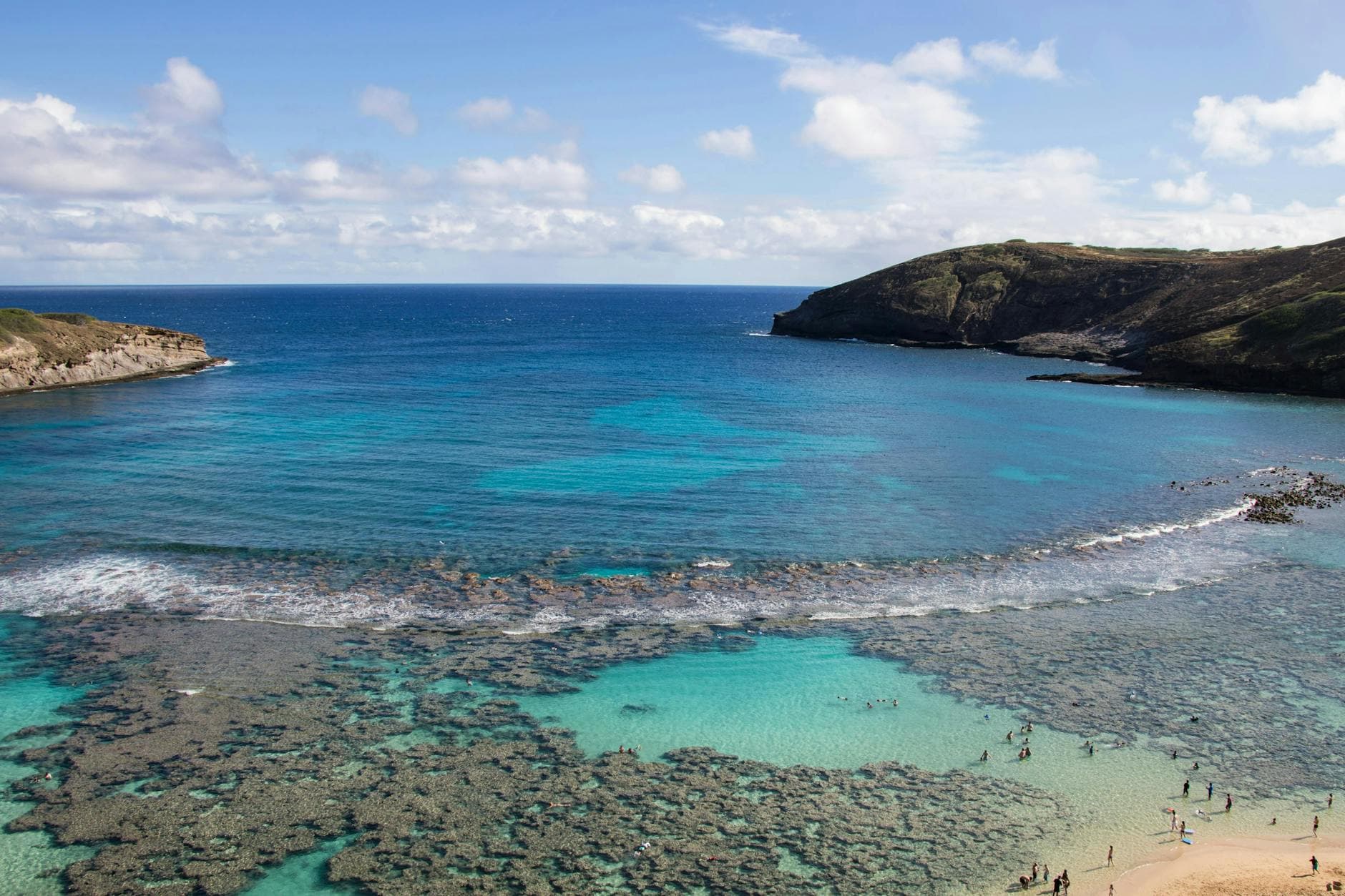
Out here, the pavement narrows to a single lane hugging cliffs that drop a thousand feet into cobalt water, and the loudest sound for miles is wind moving through ironwood trees. Molokai's east end doesn't perform for visitors — it simply continues being itself, and for three unhurried days, you're invited to slow down and match its rhythm.
At a Glance
Highlights
- Standing alone at the Kalaupapa Overlook at dawn, the peninsula still in shadow below
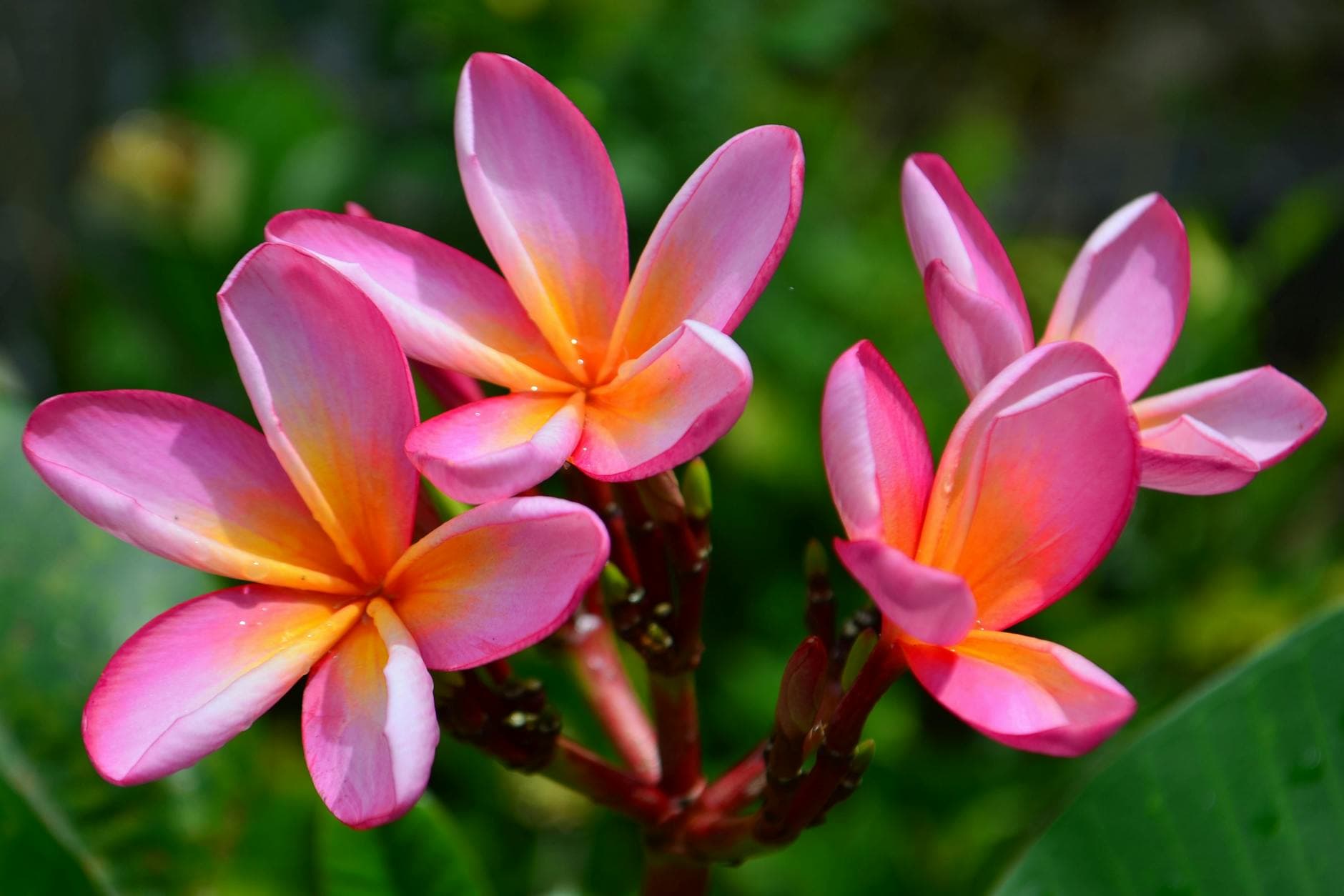
- The sweet, heavy scent of plumeria groves undisturbed by crowds
- A single-lane coastal drive with ocean on one side and jungle on the other
- Wading through cold mountain pools on the Halawa Valley waterfall trail
- Golden hour light raking across sea cliffs with not another soul around
- Genuine conversation with local farmers and craftspeople who have time to talk
- The rare feeling of a Hawaiian island with zero resort infrastructure
Day-by-Day Plan
Day 1: Arrival & the Long Quiet Drive East
A gentle half-day of settling in with an easy, scenic coastal drive and two low-exertion cultural stops — about 1 mile of walking total, low energy.
Arrive before the mid-morning uptick and you'll likely have this railing to yourself — just wind, distant tropicbird calls, and the peninsula laid out nearly 2,000 feet below like something from another era. It's a gentle first stop for a jet-lagged morning: no strenuous walking, just standing at the edge of a landscape that holds real weight. Take your time here; there's no rush and no crowd pressing behind you.

The scent hits before the gate does — sweet, thick plumeria perfume drifting on the breeze. Wander the grove at your own pace; with almost no other visitors around, it's easy to strike up a conversation with whoever's tending the blooms or stringing lei at the weathered tables. A lovely, low-key way to ease into the island's slower pace without taxing a travel-weary body.
A second, complementary angle on the Kalaupapa peninsula — this overlook catches the sweep of the pali differently, with howling trade winds and a visceral sense of scale. It's a quieter, more reflective stop; take a moment to read the interpretive signage and consider the history of exile and resilience tied to the settlement below.

Ease into the island slowly — Kalaupapa Overlook offers a profound first impression without demanding much physically, just quiet standing and looking. The wind and scale do the work; you simply absorb it.
The pace stays gentle. A second look at the Kalaupapa peninsula from a different vantage rounds out the day's cultural weight, while the drive between stops lets the scenery do most of the entertaining — no rush, no itinerary pressure.
With no mapped dining options directly on this route, plan your evening meal back near your lodging in Kaunakakai or the Puko'o–Waialua corridor, where small local eateries tend to wind down early — aim to eat before 7 PM and enjoy an early, restful night ahead of tomorrow's hike.
Day 2: Into Halawa Valley
A full-immersion day built around the 3-4 hour Halawa Valley waterfall hike — roughly 4-5 miles round trip, high energy.
Arrive by 7:30 AM and you'll share the trailhead with just a handful of early hikers before it fills in by mid-morning. The valley wraps around you almost immediately — mist clinging to rock faces, birdsong bouncing between wet stone walls, cold stream water underfoot. This is Molokai's most sacred valley, so move through it with reverence; a cultural guide (arranged locally) adds rich context about the valley's history and significance, and hiking with a small group here is a natural way to connect with fellow travelers.
Use the back half of the hike to linger at the upper valley overlook before the final descent — a good spot to catch your breath, refill water, and take in the valley walls from a wider vantage before heading back down. The crowd (such as it is) thins considerably by now, leaving long stretches of trail to yourself.
The valley swallows you whole from the first steps — mist, stone, and cold water underfoot replace the coastal breeze of yesterday. This is the physical heart of the trip, best tackled early while the trail is quiet and the heat hasn't built.
As the hike winds down, the pace naturally slows — the upper valley overlook offers a last wide view before the descent, and the walk back out feels easier with the morning's momentum behind you. Plan for genuine rest once you're back at the trailhead; this is a physically demanding day by the island's standards.
With no dining data mapped directly to Halawa, plan your evening meal back toward Kaunakakai or your lodging area — options out this far are limited, so consider packing extra snacks for the drive back and treating dinner as a simple, early affair before an early night.
Day 3: Golden Hour Farewell on the East End
A lighter final day revisiting the coastal overlooks at their best light, with ample free time before departure — under 2 miles of walking, low-to-moderate energy.
One more look at the peninsula, this time with soft early light and almost certainly no one else around. After yesterday's physical exertion, this is a chance to simply sit with the view a while longer than before — bring a thermos of coffee if you have one and let the morning unfold slowly.
A final, unhurried wander through the plumeria grove — perhaps time to pick up a small handmade lei or craft as a tangible memory of the trip. The farm's quiet, personal atmosphere makes it an easy place for a last conversation with locals before heading back toward departure logistics.
The final morning is unhurried by design — a quiet return to the overlook in soft early light, with none of the urgency of arrival day. It's a good time for reflection before the practical business of departure sets in.
A short, easy visit to the plumeria grove closes out the trip gently, leaving room to pack, settle any last logistics, and make your way toward Molokai Airport without rushing.
Departure timing will dictate your evening — if your flight is later in the day, keep plans flexible and simple; dining options directly tied to these stops are limited, so plan your last meal around Kaunakakai or pack something light for the road.
Want to tweak this trip?
Our AI planner can customize this itinerary to your exact dates, interests, and travel style.
Customize This ItineraryRestaurant details (hours, menus, availability) change frequently, and this remote corner of Molokai has especially limited dining infrastructure — confirm current options before relying on them.
Dietary compatibility tags are general guidance. If you have severe allergies, confirm directly with any eatery or vendor before ordering.
Travel tips are general guidance, not professional safety advice. Check current conditions, permit requirements, and government advisories before hiking or driving in remote areas.
All prices are approximate and may vary seasonally; always confirm current rates for guides, tours, or permits locally.